Ministerial Advisory Committee for Astronomical Observation submits its final report
The report proposes technical guidelines to protect Chile's astronomical heritage, highlighting the need to safeguard the exceptional conditions of observation sites through protection areas around observatories and the creation of a national registry.
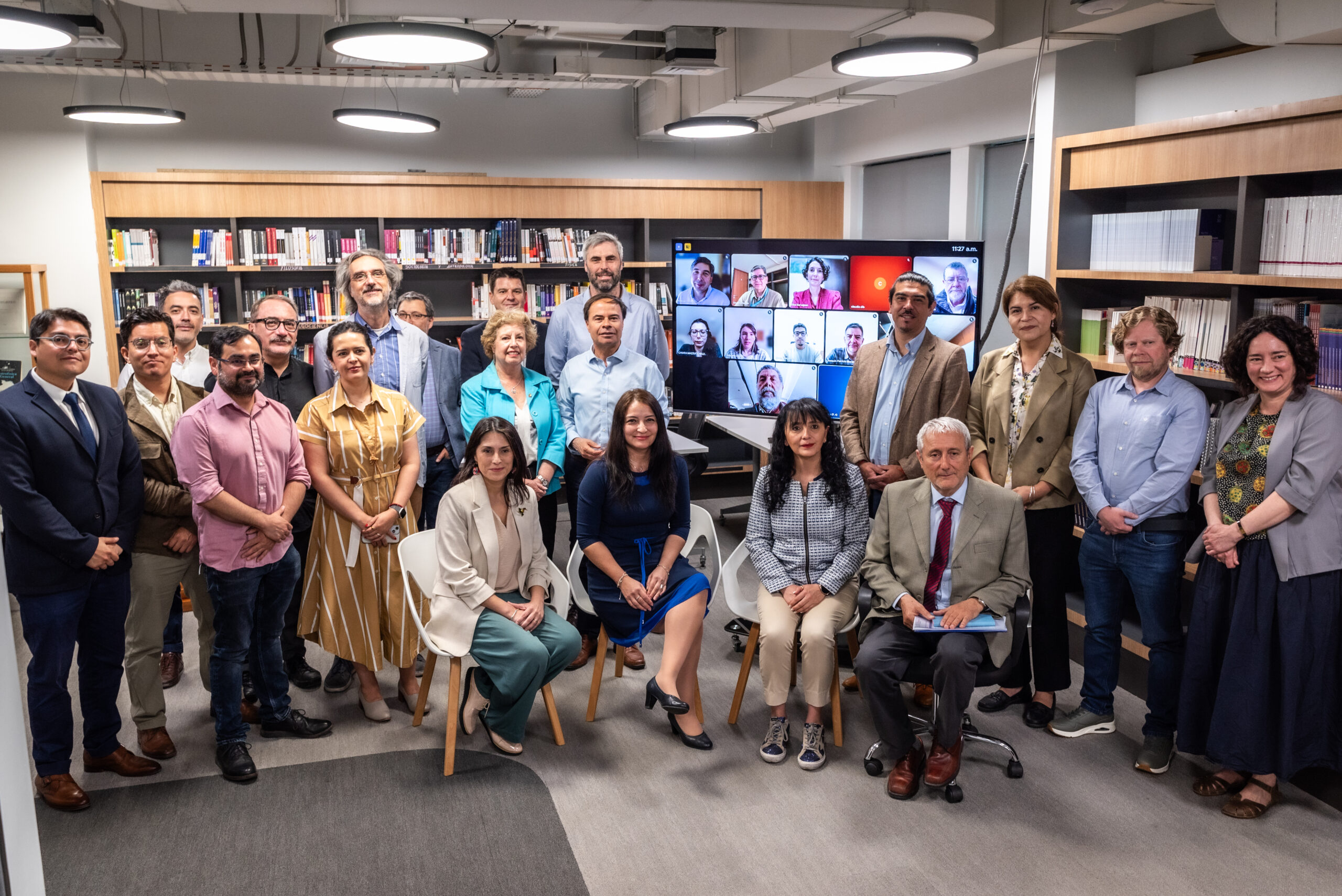
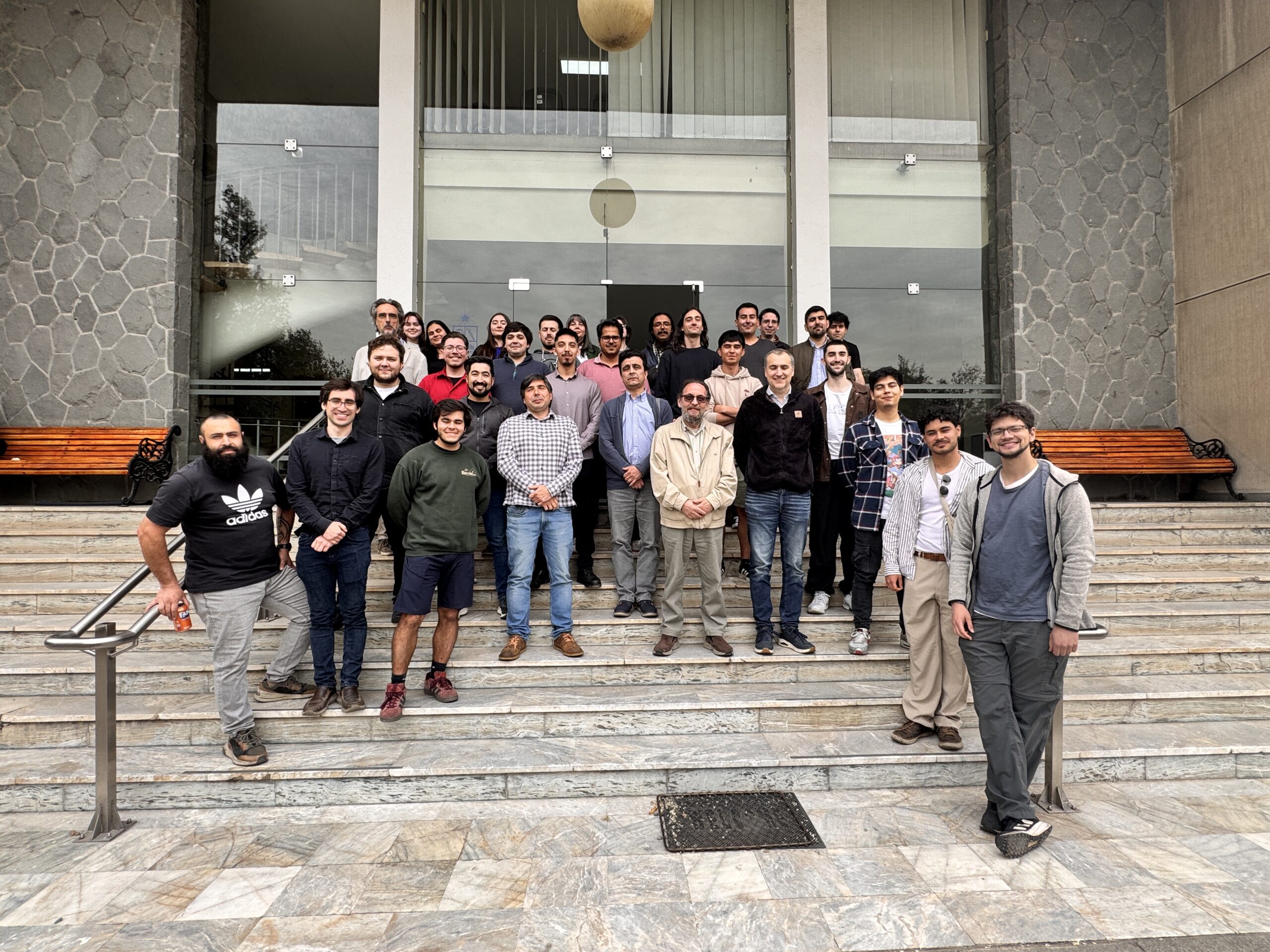
The Commission, convened by the Ministry of Science, Technology, Knowledge, and Innovation, officially delivered its final report, which includes a series of recommendations aimed at updating the Supreme Decree that defines areas of scientific value for astronomical observation in Chile.
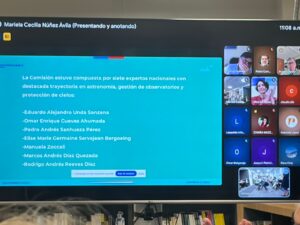
This advisory group met between April and October of this year and was composed of four representatives from the Center for Astrophysics and Associated Technologies – CATA (Centro Basal de ANID), including the former General Manager of the Center, Elise Servajean, along with Associate Researchers and academics Rodrigo Reeves, from the University of Concepción (UdeC), Marcos Díaz, from the University of Chile, and Manuela Zoccali, from the Pontifical Catholic University of Chile (UC). They were joined by Chiara Mazzucchelli, Adjunct Researcher and academic at the Diego Portales University (UDP), in her capacity as president of the Chilean Astronomy Society (SOCHIAS).
The work was chaired by the Undersecretary of Science, Technology, Knowledge, and Innovation, Cristian Cuevas, and involved a methodology of 30 weekly sessions, during which official minutes and various technical, methodological, and scientific inputs were generated. Along with CATA, other public and private institutions linked to astronomy also participated, including ALMA, AURA, NOIRLAB, ESO, Carnegie, GMT, Millennium Institute of Astrophysics MAS, Fundación Cielos de Chile, among others.
The final report, which is nearly 100 pages long, provides proposals and technical definitions aimed at protecting the country’s scientific and technological heritage, emphasizing that the State’s priority should be to safeguard the exceptional conditions offered by Chilean astronomical sites for observing the universe. Its proposals include the creation of protection subareas around observatories, considering factors such as light pollution, atmospheric turbulence, airborne dust, and microseismic activity, as well as the creation of a national observatory registry.
The document also serves as an important technical resource for complementing and updating national scientific and technological governance in this area, incorporating a comparative analysis of international regulations. In addition, it systematizes information on the different types of pollutants that affect astronomical observation technologies, reinforcing the need for comprehensive, long-term protection of these strategic territories for Chile’s scientific development.
Santiago Prat, General Manager of CATA, attended the ceremony to deliver the final text, held at the Adelina Gutiérrez public library. After the presentation, the Center’s authority praised and expressed gratitude for “the existence of this report, the result of almost a year of work by a group of experts, which also included various representatives of the astronomical community in Chile. This document provides a sound basis for guiding legislative action to protect our country’s skies, harmonizing with the development of other economic activities and taking into account diffuse radiation and the proposed protection zones,” he said.
For his part, the Minister of Science, Technology, Knowledge, and Innovation, Aldo Valle, highlighted this work as “essential, because it provides clarity and accountability on how we do science and how we plan for its future. Chile will continue to be a country that provides stable and clear guarantees for scientific development, regardless of political cycles.”


Outstanding news
Recent news
-
 Publicado el: 22/12/2025International study reveals that black holes feed selectively
 -
 Publicado el: 20/12/20253I/ATLAS: the interstellar comet approaching Earth and what is known about it
 -
Publicado el: 18/12/2025Ministerial Advisory Committee for Astronomical Observation submits its final report
-
 Publicado el: 13/12/2025Geminids 2025: facts and how to observe the last meteor shower of the year
 -
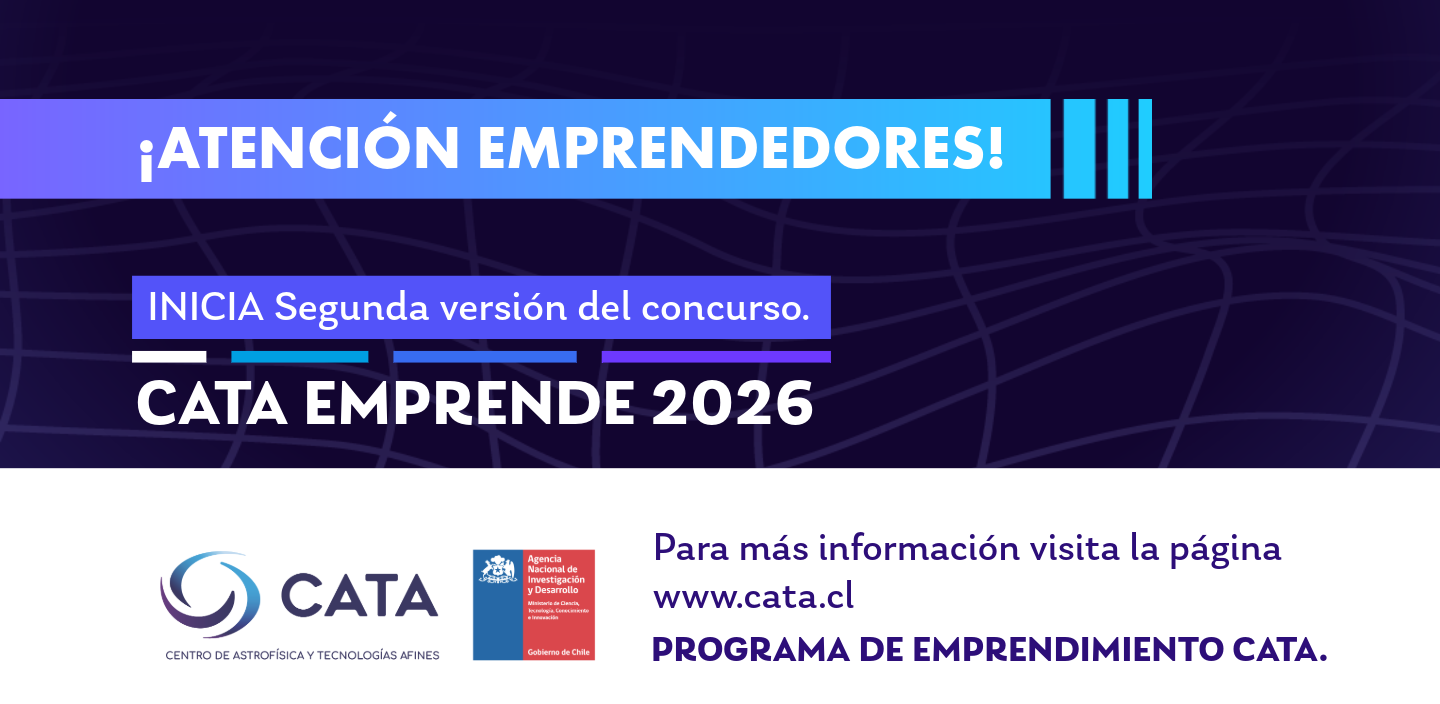 Publicado el: 12/12/2025Call for applications for the CATA Emprende 2026 program now open
Categories list
- Acknowledgments 21
- Astrobiology 6
- AstroCluster 1
- Black holes 20
- Corporativo 58
- Cosmology 5
- Descubrimientos 23
- Disclosure 74
- Exoplanets 14
- Extension 7
- Galaxies 22
- Galaxies formation 6
- Inter y Transdisciplina 4
- Local Universe 17
- Publications 6
- Sin categorizar 34
- Solar System 23
- Stellar formation 8
- Technology 16
- Technology Transfer 18