Looking ahead to the next five years: Galaxies Area meets to share progress and strengthen research
The meeting provided an opportunity to review scientific advances, strengthen collaborative work, and prepare the area for the major challenges that will mark the next stage of CATA.
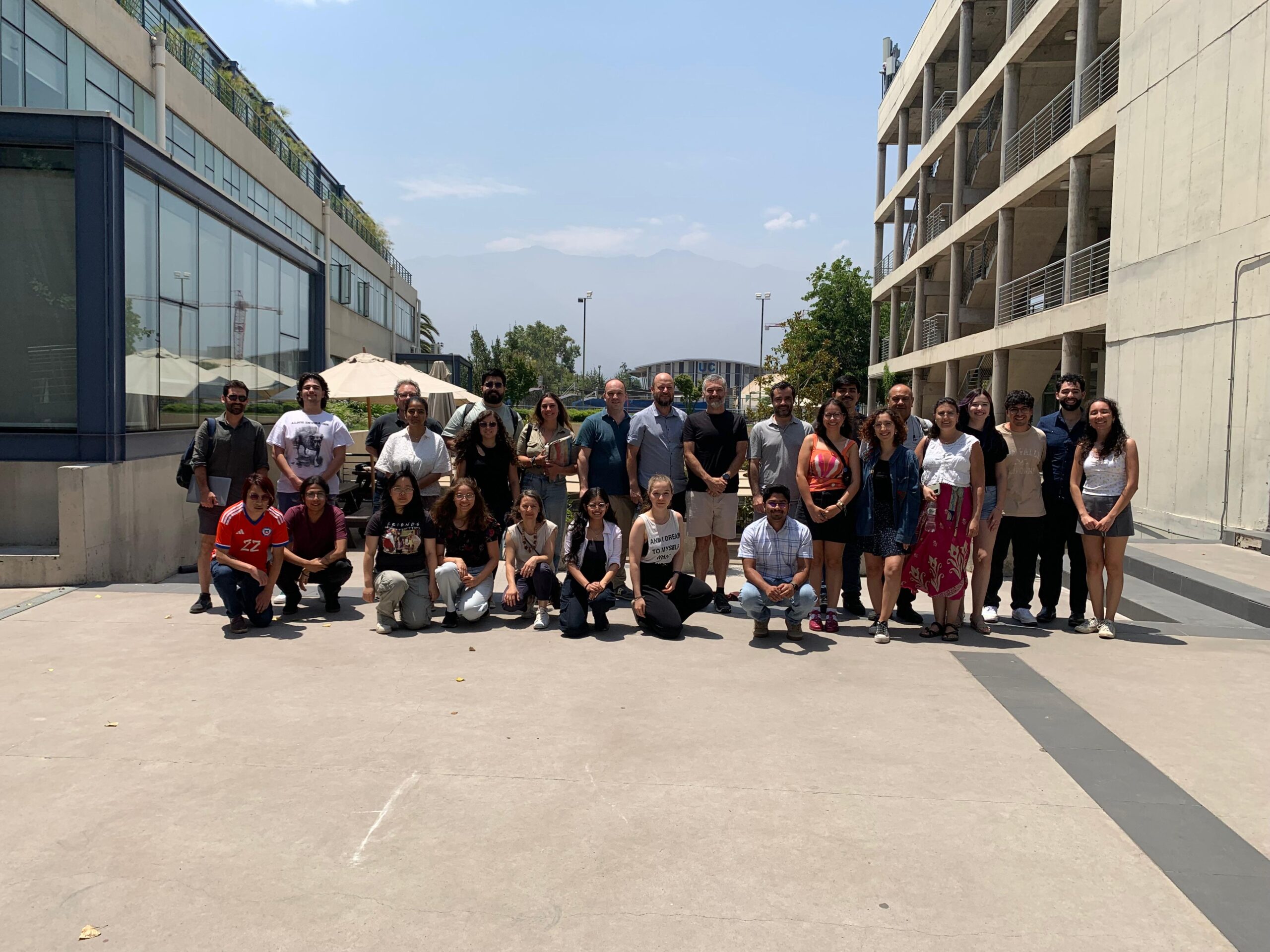
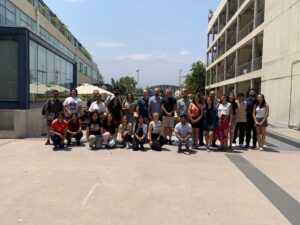
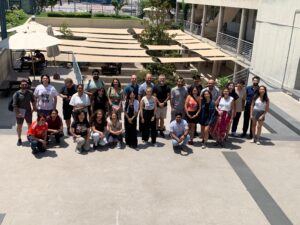
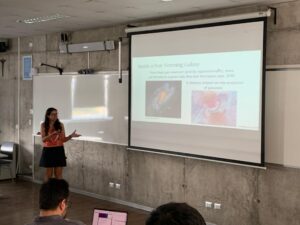
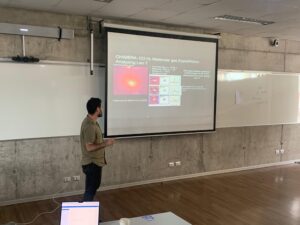
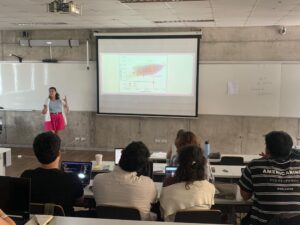
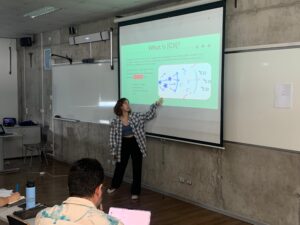
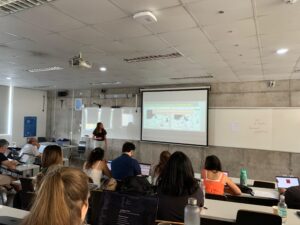
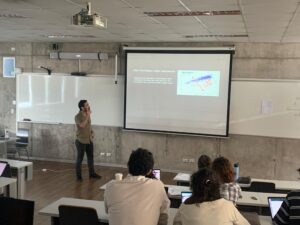
Researchers and students from Area 3: Galaxies at the Center for Astrophysics and Associated Technologies – CATA (ANID Basal Center) gathered at their annual meeting to review the current status of the research being conducted by this group, share recent advances, and discuss the challenges facing the Center over the next five years.
The conference, held at the UC San Joaquín Campus, was a key opportunity to gain a comprehensive overview of the work being done in the field, especially in the context of preparations for new large-scale astronomical projects and instruments. Felipe Barrientos, Principal Investigator at CATA and professor at the Pontificia Universidad Católica de Chile (UC), highlighted the annual nature of this meeting as a space for scientific dialogue and the formation of new research groups.
“We meet every year to communicate and share the progress that researchers and students are making. The goal is to foster collaboration among CATA group members to generate new ideas and results,” he said.
Along the same lines, Roberto Assef, Deputy Director and Principal Investigator at the Center, emphasized that dialogue and collaboration among the different members of the area strengthens scientific work. “Each person has different perspectives and experiences regarding tools, types of observations, and analysis. As we talk, we realize how we can generate synergies that strengthen research within the group,” he explained.
The academic, who also teaches at Diego Portales University (UDP), highlighted the strategic outlook for the area over the next five years at CATA, where the discussion focused on how this line of research is preparing to make the most of major projects that will be key in the coming years.
“Much of what we are discussing at this meeting of the Galaxies group are the projects that will form part of the Center’s next five-year plan. These include the 4MOST instrument with its ChANGES and CHANCES projects and the Vera Rubin Observatory with its LSST project. This meeting is essential for us to prepare ourselves and be able to exploit all these resources in the best possible way,” said Roberto Assef.
The event also served to strengthen collaboration with other areas of CATA, with the aim of sharing scientific and technical capabilities. “The idea is to strengthen collaboration between areas, sharing experiences, tools, and resources, so that joint work enhances the research carried out by the Center and continues to promote both national and international collaborations,” said the Deputy Director of CATA.
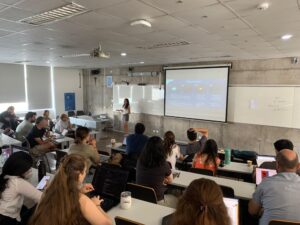
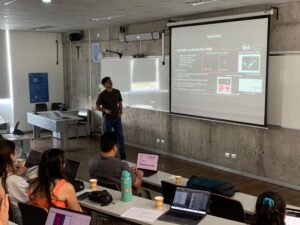
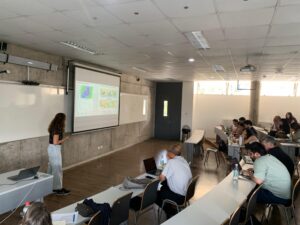
On the other hand, student participation was also one of the most valued aspects of the meeting. Patricia Fort, a researcher affiliated with CATA and a master’s student at UC, presented the progress of her thesis and appreciated the feedback she received before completing her degree. “It has been very interesting to share with researchers and professors from other universities. It was a great opportunity to receive comments, generate new questions, and present my work before my final defense,” she said.
Along the same lines, Victoria Vásquez, a researcher affiliated with CATA and an undergraduate student at UC, presented her area of study focused on the use of a lensed quasar to study the gas surrounding galaxies. “It’s a great opportunity to get feedback from professors and students from different universities. Listening to other projects, even if they are in similar areas but with different approaches, allows us to broaden our vision and generate possible collaborations,” she said.
Felipe Barrientos highlighted the students’ participation in the event. “It is very gratifying to see that they are working on similar topics, that they can contribute to each other’s work, and that they have a space where they can discuss their progress and resolve any doubts they may have about their research,” said the Center’s Principal Investigator.
The meeting of the “Galaxies” research area was consolidated as a key space for scientific exchange, the formation of synergies between peers, and strategic planning for the line of research, in a context marked by the arrival of new instrumentation for astronomy and major scientific challenges for the Center in the coming years.
Outstanding news
Recent news
-
Publicado el: 30/01/2026Looking ahead to the next five years: Galaxies Area meets to share progress and strengthen research
-
 Publicado el: 29/01/2026Will Earth have two moons until 2083? The idea behind object 2025 PN7
 -
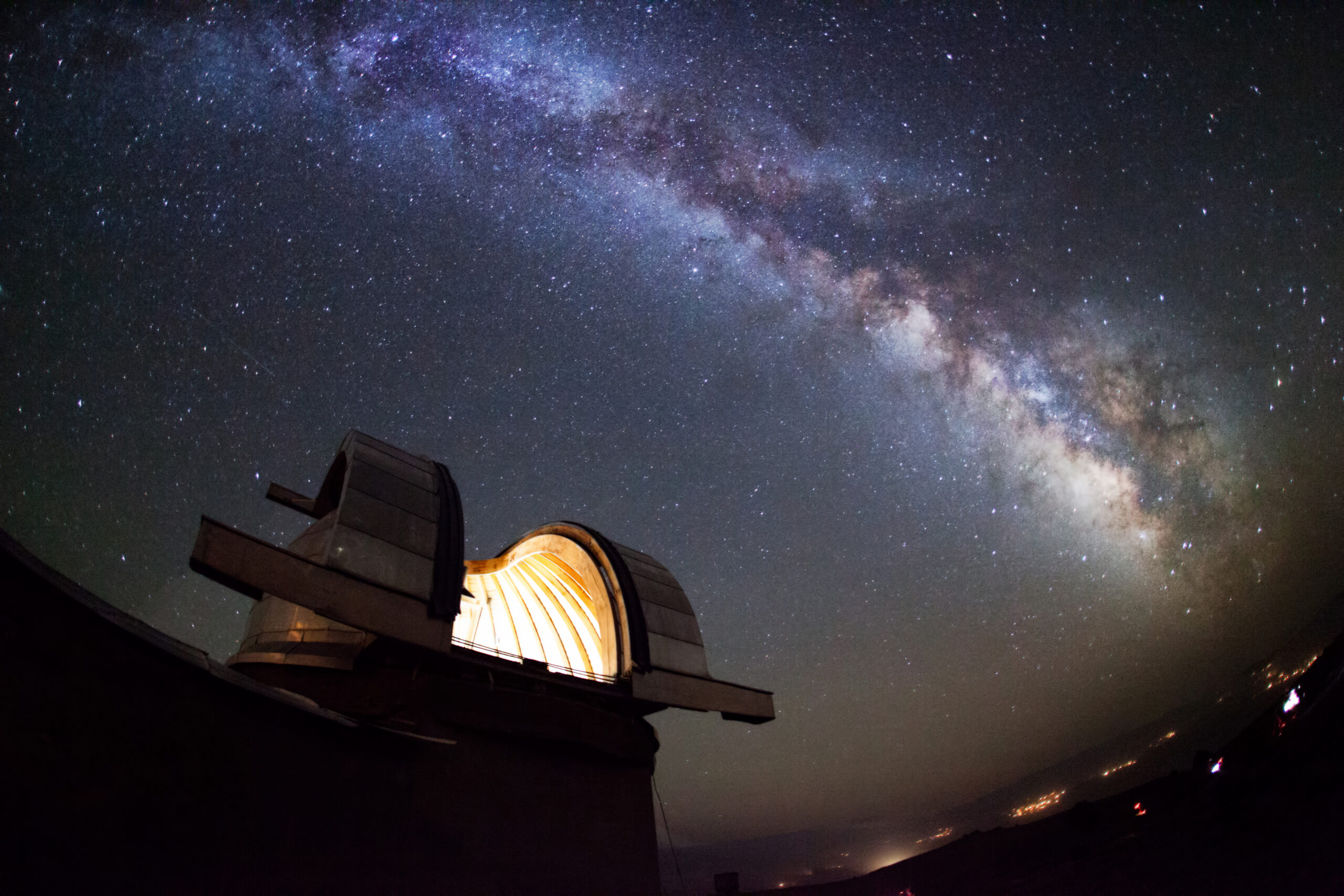 Publicado el: 27/01/2026Public domain report highlights technologies born from astronomy
 -
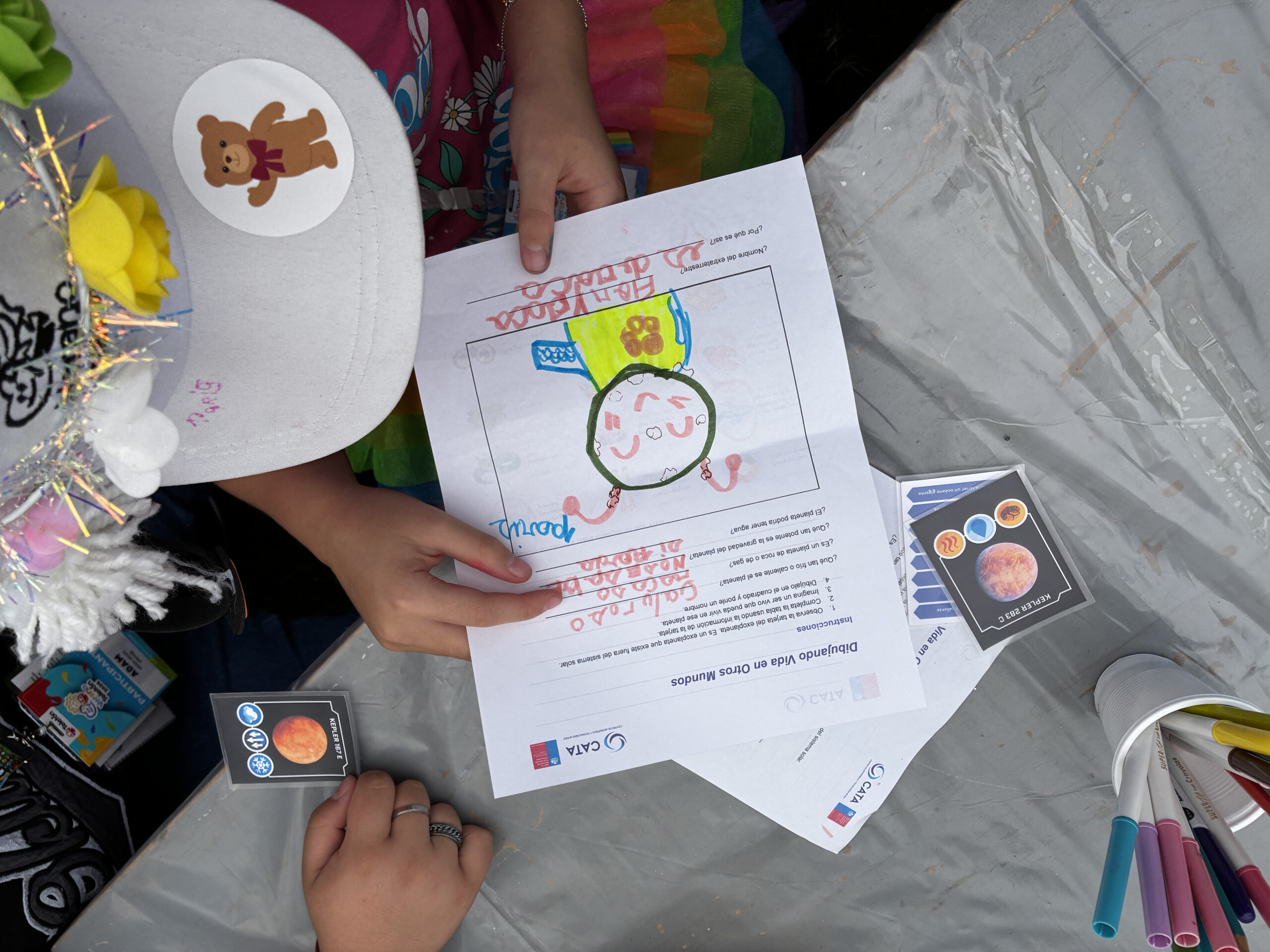 Publicado el: 21/01/2026Teletón patients were introduced to astronomy through CATA workshops
 -
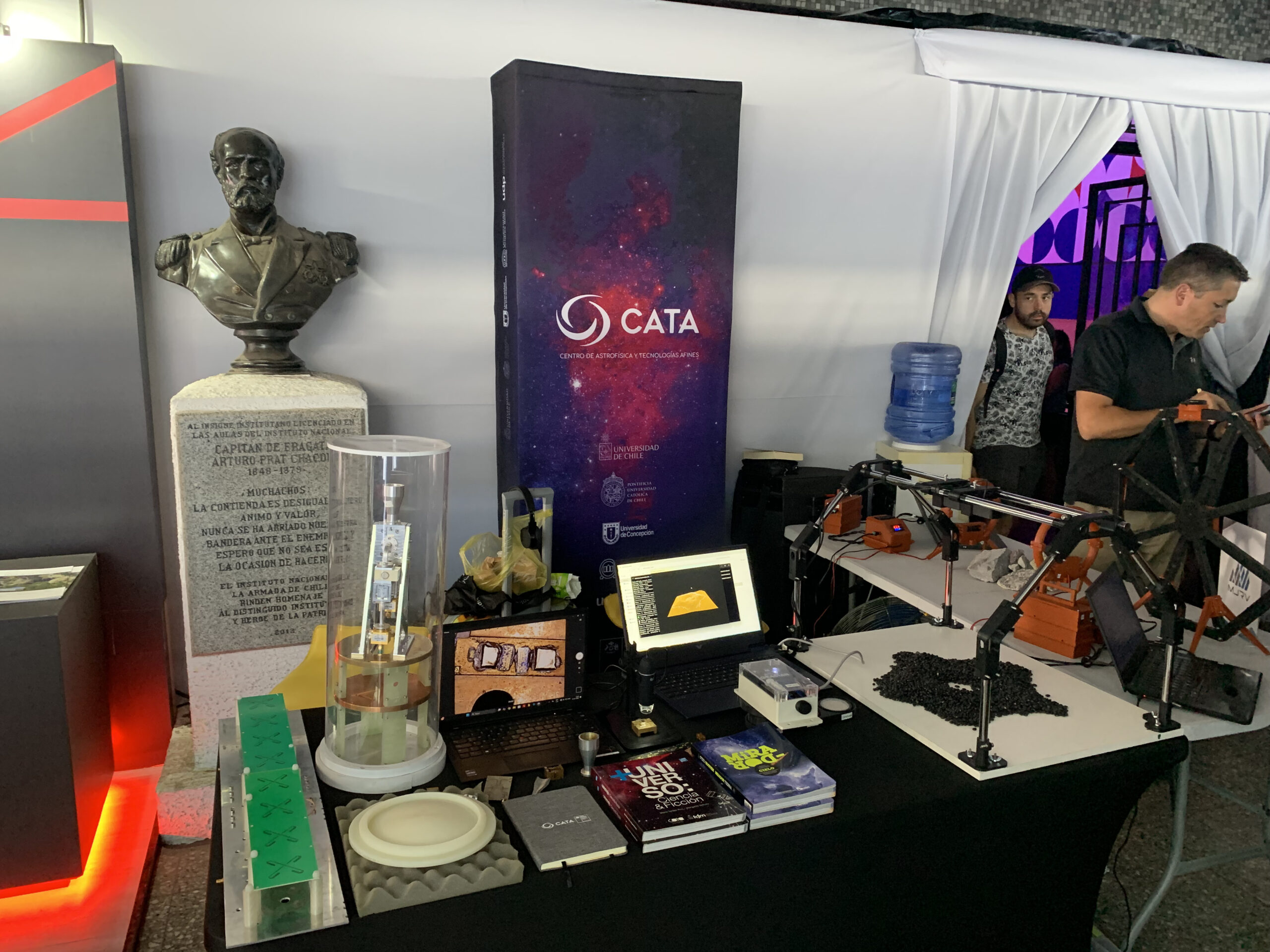 Publicado el: 19/01/2026Astronomical technology was part of Congreso Futuro 2026
Categories list
- Acknowledgments 21
- Astrobiology 7
- AstroCluster 1
- Black holes 20
- Corporativo 61
- Cosmology 5
- Descubrimientos 23
- Disclosure 76
- Exoplanets 14
- Extension 7
- Galaxies 23
- Galaxies formation 6
- Inter y Transdisciplina 4
- Local Universe 17
- Publications 6
- Sin categorizar 34
- Solar System 24
- Stellar formation 8
- Technology 18
- Technology Transfer 21