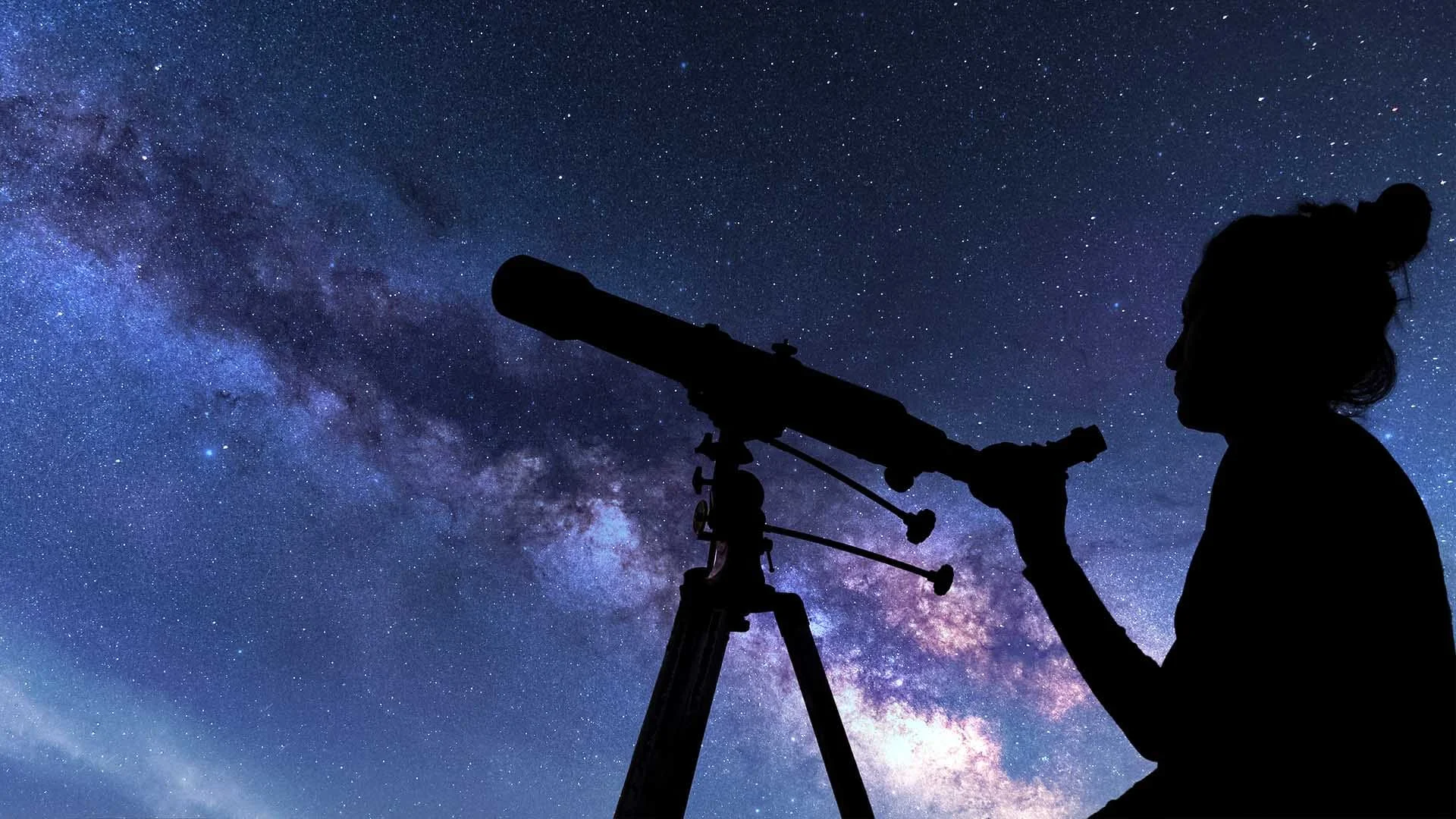
Science with a woman’s face: gaps, vocations, and pending challenges
As part of International Day of Women and Girls in Science, researchers at CATA reflect on gender gaps in STEM, strengthening early vocations, and the challenges of moving toward a more equitable science.
Every February 11, International Day of Women and Girls in Science is celebrated, a date proclaimed by the United Nations General Assembly in 2015 with the aim of highlighting gender gaps in STEM (Science, Technology, Engineering, and Mathematics) fields and promoting the participation of women and girls in scientific and technological development.
More than a decade after its establishment, this anniversary remains key to reflecting on the challenges faced by women in science, particularly in disciplines where their representation continues to be low. Researchers and academics from the Center for Astrophysics and Associated Technologies – CATA (ANID Basal Center) address different approaches within the framework of this commemoration.
Gaps and talent retention
According to the latest Report on Gender Gaps in Higher Education 2024, presented in 2025 by the Undersecretary of Higher Education, female enrollment in first-year STEM programs in Chile reached 20.8%, reflecting an increase over 2023 (19.7%). Although women have had greater access to scientific training in recent decades, gaps remain evident throughout their academic careers.
For Patricia Tissera, Director and Principal Investigator at CATA and academic at the Pontificia Universidad Católica de Chile (UC), these figures point to a key challenge.
“This underrepresentation is particularly pronounced in disciplines such as physics, mathematics, engineering, and advanced technologies, continuing throughout academic and scientific careers and also impacting access to leadership and decision-making positions. Considering the challenges we face as a society, encouraging careers in STEM is a priority,” says the astronomer.
The Director of CATA emphasizes that, in the case of astronomy, “according to statistics from the Chilean Astronomy Society (SOCHIAS), 24% of academics and approximately 40% of postgraduate students are women. These figures indicate the existence of a clear gender gap, but they also point to a significant improvement among younger generations. The challenge lies in retaining young female scientists,” stresses the UC academic.
“February 11 is not a symbolic date, but rather a strategic opportunity to raise awareness, mobilize educational and scientific institutions, and promote evidence-based public policies that contribute to reducing these gaps,” proposes Patricia Tissera.
From a complementary perspective, Claudia San Martín, Innovation Leader at CATA, emphasizes that “it is important to commemorate this day to recognize the fundamental role that women have played in science, which, throughout history, has been largely invisible. This date allows us to reaffirm that science is a space to which we can all contribute.”
San Martín, an astronomer and electrical engineer by profession, points out that it is essential to “place special emphasis on girls to show them that science is a viable career path, one in which they have much to contribute, and that they can see themselves reflected in other people like them, who are now active members of the scientific community and are making significant advances.”
Early vocations
The researchers also agree that scientific vocations are formed from an early age and are strongly influenced by the social, family, and educational environment. From this perspective, geologist, CATA Associate Researcher, and academic at the Universidad Católica del Norte (UCN), Millarca Valenzuela, emphasizes the importance of the environment in the development of vocations.
“If a girl is born into a society that does not treat her as someone capable of pursuing any profession or trade she wishes to pursue as an adult, the seed she brings with her for whatever it may be—science, art, or a specific skill—will not be nurtured and will not bear fruit. That is why every international day that showcases role models from these different activities is important in guiding these girls and their families,” she says.
Along the same lines, María Celeste Artale, Adjunct Researcher at CATA and academic at Universidad Andrés Bello (UNAB), highlights the value of raising awareness of women’s contribution to science.
“Historically, science has had more male faces than female ones. Commemorating this day is important to recognize and highlight the contribution of women in this field. It can also contribute to and show future female researchers that science also has a female face, which can have an impact on future vocations,” says the astronomer.
Work-life balance, care, and conditions for doing science
One of the moments when the gender gap becomes most evident is when caregiving responsibilities intensify, which continue to fall mainly on women. This situation has a direct impact on the continuity of scientific careers.
Evelyn Johnston, Associate Researcher at CATA and academic at Universidad Diego Portales (UDP), explains how this reality affects professional development.
“Women tend to take on most of the caregiving responsibilities within families, which has an impact on their careers, making it more difficult for them to find a job that allows them to maintain and balance these activities. Universities and scientific institutions can provide greater support in these cases by offering better childcare or family care solutions. Focusing on improving conditions so that women can develop their careers will enrich the conditions and expectations of everyone in this field,” she emphasizes.
Along the same lines, Millarca Valenzuela addresses this issue as a structural challenge. “Once women decide to become mothers, or are caring for people who need them, things change. Support or the removal of obstacles to balancing personal and professional life becomes very important, so that men and women can share caregiving responsibilities and both can have the same professional development opportunities,” emphasizes the geologist.
Institutions and policies to reduce gaps
From an institutional and academic perspective, researchers emphasize the importance of moving toward policies that effectively reduce gaps.
“It is very important for universities and institutions to share and measure data in order to gain a concrete overview of the current situation. This would involve measuring, for example, the participation of men and women in group leadership, scholarships, scientific productivity, participation in activities, etc. This analysis will enable the design of robust policies tailored to each institution and identify the measures that should be considered. It will also enable more flexible proposals in selection and evaluation processes without bias, and guarantee fair conditions for women to develop fully,” explains María Celeste Artale.
Along these lines, CATA Adjunct Researcher, Chiara Mazzucchelli, also highlights proposals that can contribute to an active role for organizations.
“Universities and institutions can play a very important role in encouraging women to enter science. For example, by creating more equitable or welcoming spaces for women scientists and modifying funding or competitions to accommodate motherhood or caregiving responsibilities,” says the UDP academic.
For her part, CATA Adjunct Researcher and UNAB academic Lucia Guaita emphasizes the importance of equity in the distribution of academic roles. “Promote more equitable hiring and give women roles with greater visibility. Likewise, ensuring that supervisory, teaching, and mentoring opportunities with students are shared equitably between men and women,” proposes the astronomer.
Message for girls and young women who dream of science
Beyond institutional and academic gaps and challenges, the International Day of Women and Girls in Science is also an opportunity to send a direct message to girls and young women who are curious about or interested in science. CATA researchers share the importance of building confidence, following curiosity, and not allowing oneself to be limited by prejudice or stereotypes.
Patricia Tissera, astronomer: “It is important to be clear about what we want to do and have the courage to move forward. I invite you to take the initiative to build your own path, which you can shape with effort, hard work, and dedication. Our own history is a fundamental source of motivation and pride, and it is a driving force that keeps us active and moving forward.”
Claudia San Martín, astronomer and electrical engineer: “Your curiosity is valuable, and science needs your questions, perspectives, and creativity, where we can all contribute. Knowledge is enriched when different perspectives engage in dialogue in the search for new discoveries and theories that allow us to expand what we know. While there will be challenges, you will have the support of those who have already traveled this path and can become role models for those who come after you.”
Millarca Valenzuela, geologist: “Work on those aspects that are an obstacle to achieving your inner freedom, your truth, your self-esteem, your self-determination, and your responsibility to build the life you dream of. Nurture yourselves with what is good for you and what makes you feel worthy of everything you want to achieve and experience. Seek out your best allies (family, school, friends, etc.) and create virtuous circles with them, where you can receive positive feedback that protects you from anything negative that may be affecting you, and ask for help whenever you feel that you are losing your self-confidence and self-esteem.”
Evelyn Johnston, astronomer: “Follow your dreams and don’t let anything stop you. If an obstacle arises in your path, take a step back and analyze the problem to find an alternative.”
María Celeste Artale, astrónoma: “Las mujeres tenemos perseverancia y talento, pero muchas veces nos cuesta confiar en nosotras mismas. En la ciencia no se trata solo de ser brillante, sino de aprender de los errores y seguir adelante. Si la curiosidad te mueve, confía en tus capacidades. La perseverancia y la pasión son herramientas poderosas, y las mujeres, las tenemos de sobra”.
Chiara Mazzucchelli, astronomer: “To girls and young women interested in science, I would say to follow your curiosity and passion. It is a path that requires patience and hard work, but it also brings great satisfaction, from the possibility of understanding the world with your own tools to discovering something completely new and giving that knowledge back to the community.”
Lucia Guaita, astronomer: “It is important to follow your curiosity without letting prejudice hold you back, which also helps you to better cope with different situations in life.”
Outstanding news
Recent news
-
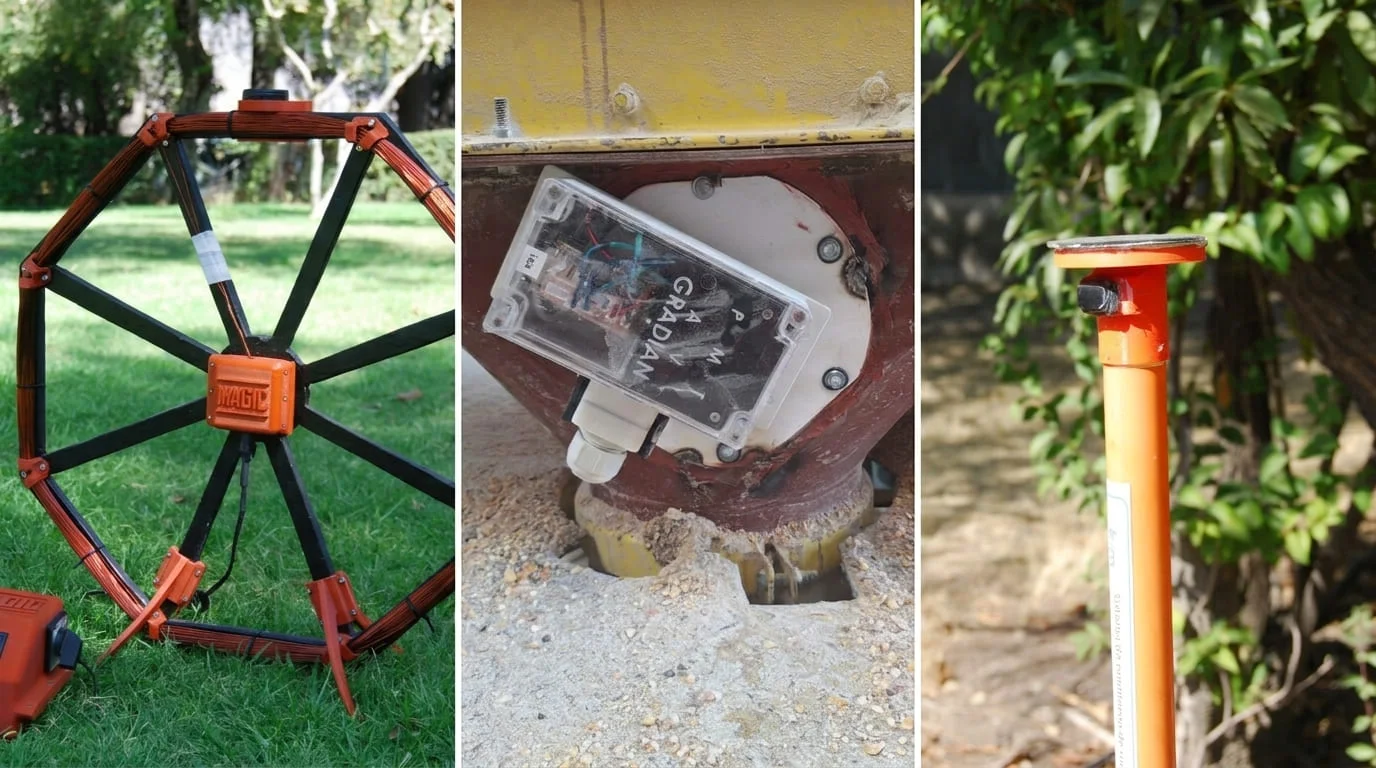 Publicado el: 09/10/2026From studying the universe to solving industry challenges: CATA’s technology transfer model in Nature Astronomy
 -
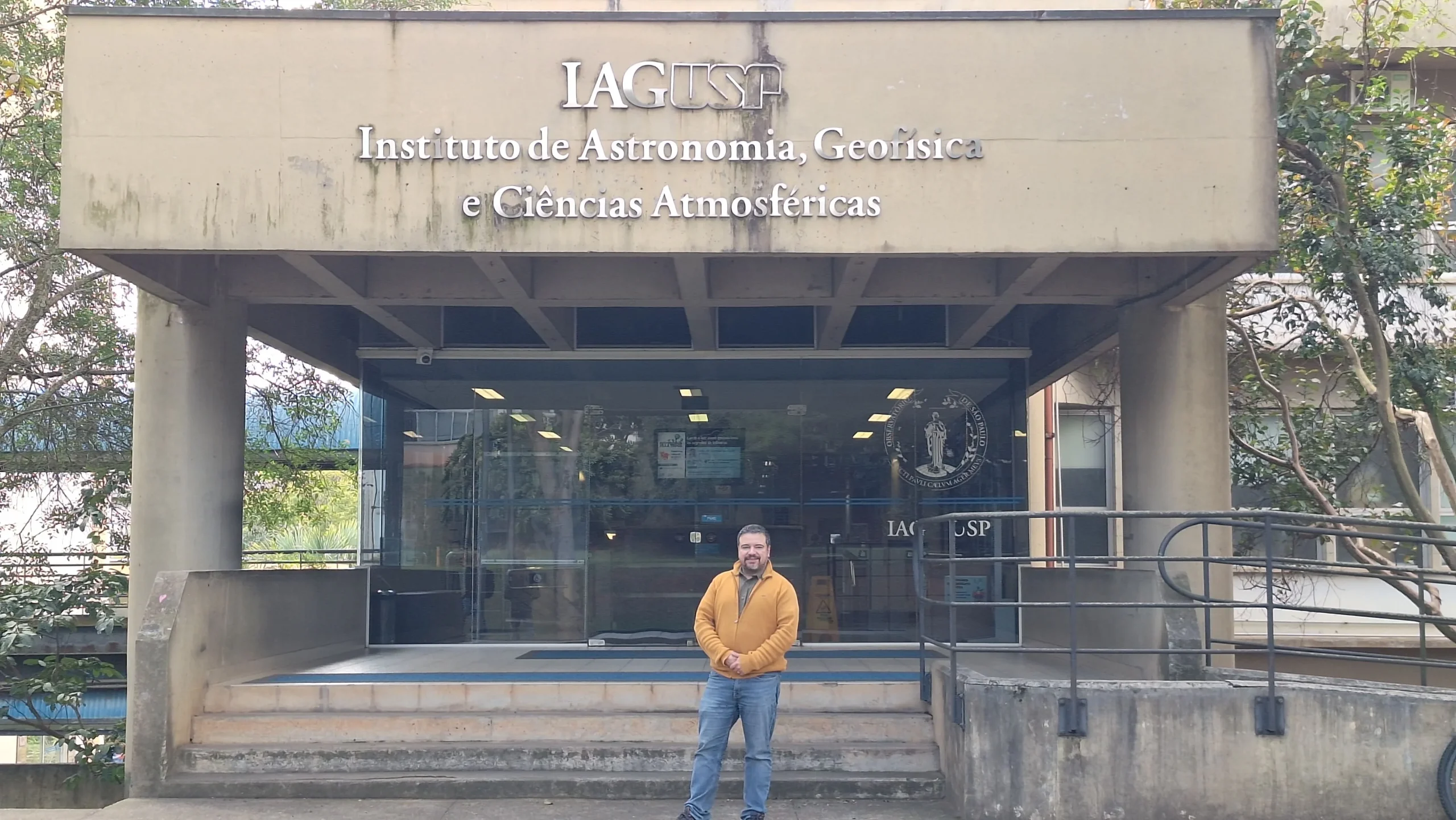 Publicado el: 01/10/2026CATA Associate Researcher concludes research stay at the University of São Paulo thanks to a Brazilian fellowship
 -
 Publicado el: 29/09/2026Chilean technology aims to improve the accuracy of telescopes studying the origin of the Universe
 -
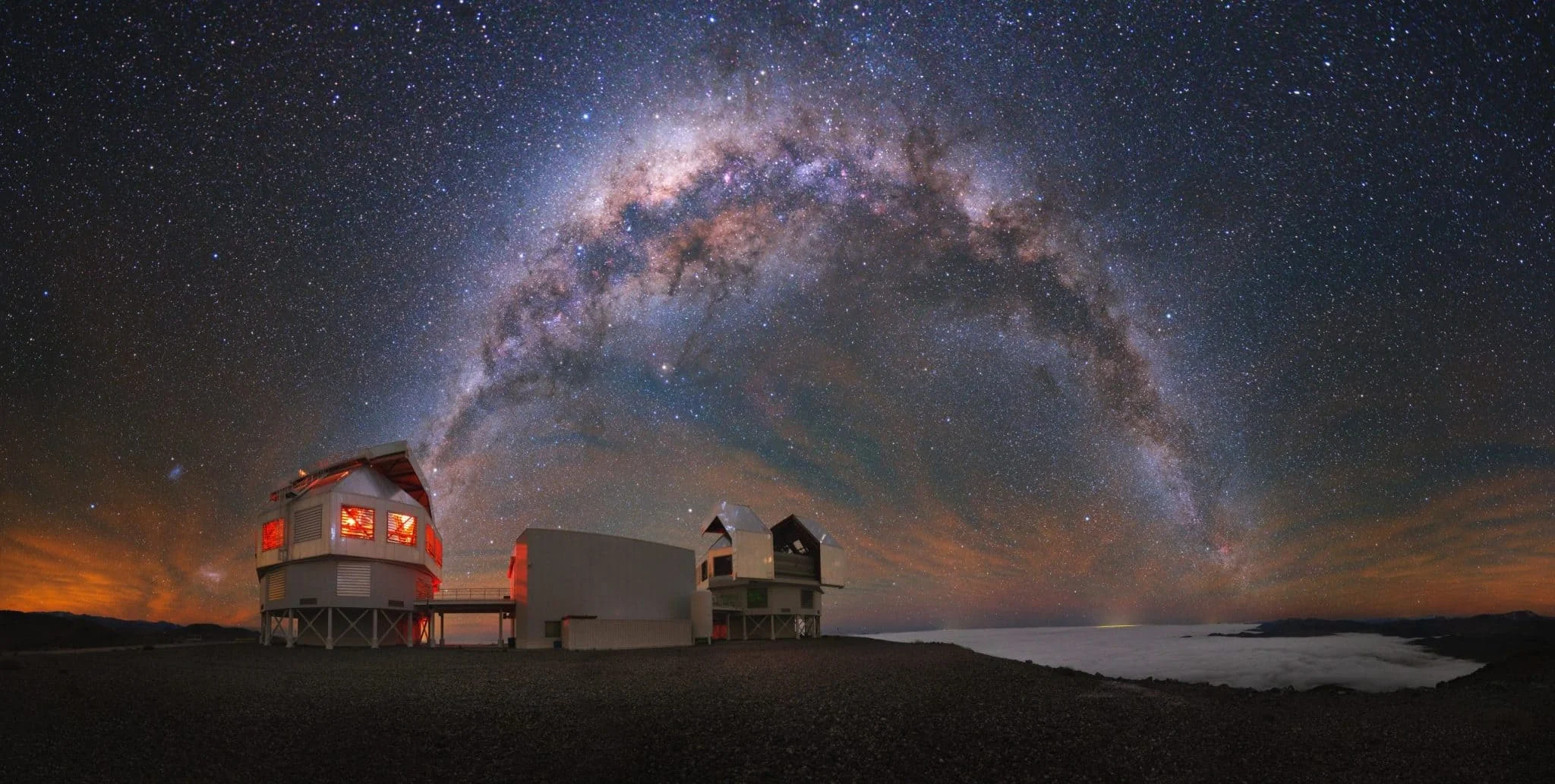 Publicado el: 25/09/2026CATA Associate Researcher named Director of the Las Campanas Observatory
 -
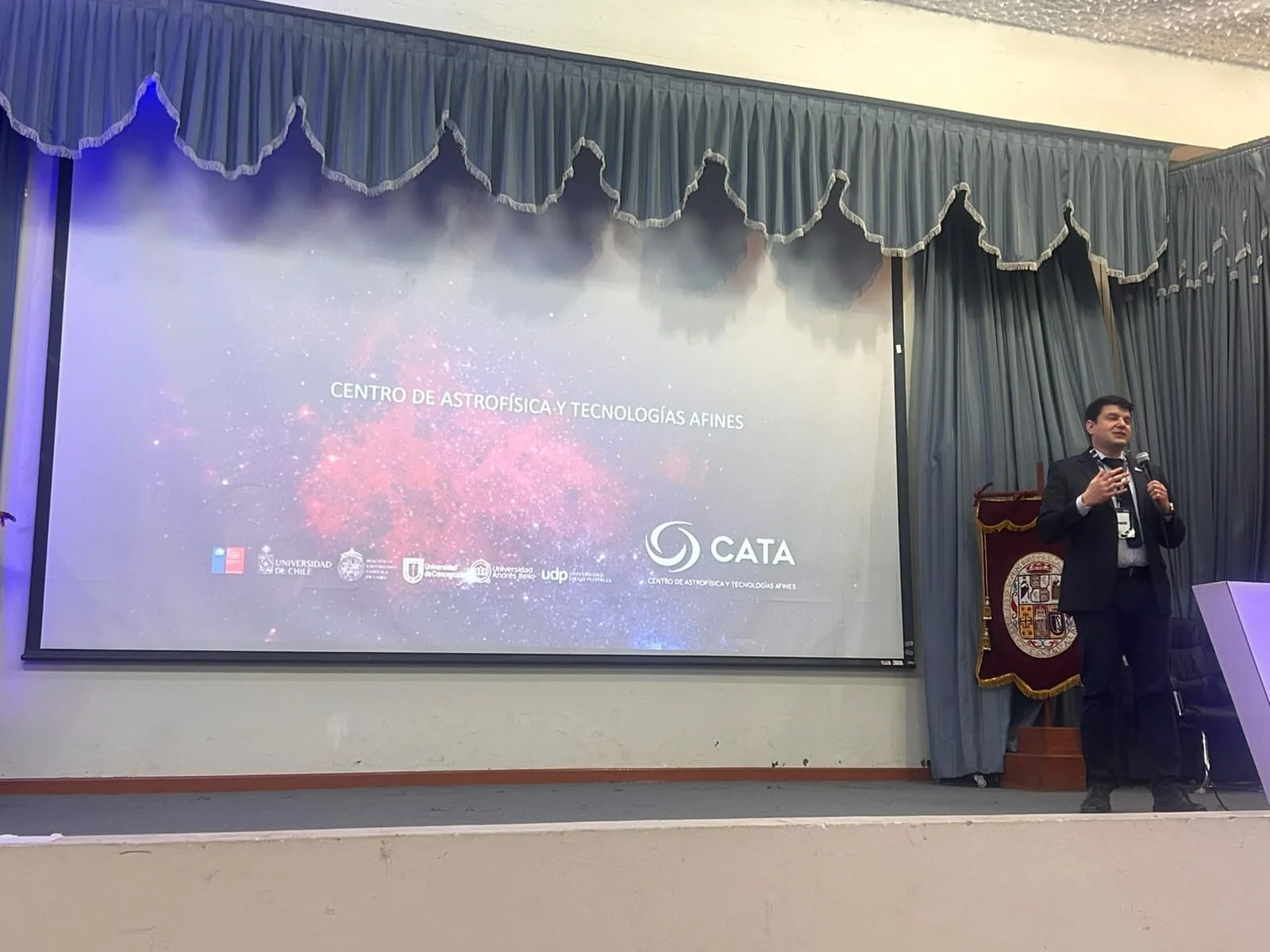 Publicado el: 23/09/2026CATA’s General Manager presented the Center’s technology transfer model at an international meeting in Peru
Categories list
- Acknowledgments 29
- Astrobiology 12
- AstroCluster 1
- Black holes 21
- Corporativo 73
- Cosmology 10
- Descubrimientos 28
- Disclosure 91
- Exoplanets 18
- Extension 14
- Galaxies 28
- Galaxies formation 10
- Inter y Transdisciplina 5
- Local Universe 22
- Publications 9
- Sin categorizar 34
- Solar System 30
- Stellar formation 12
- Technology 33
- Technology Transfer 34