CATA and Teletón present virtual reality project to support patient rehabilitation
The “Rehabilitation Through Astronomy” initiative uses astronomy-related content and virtual reality to support the rehabilitation of children and young people.
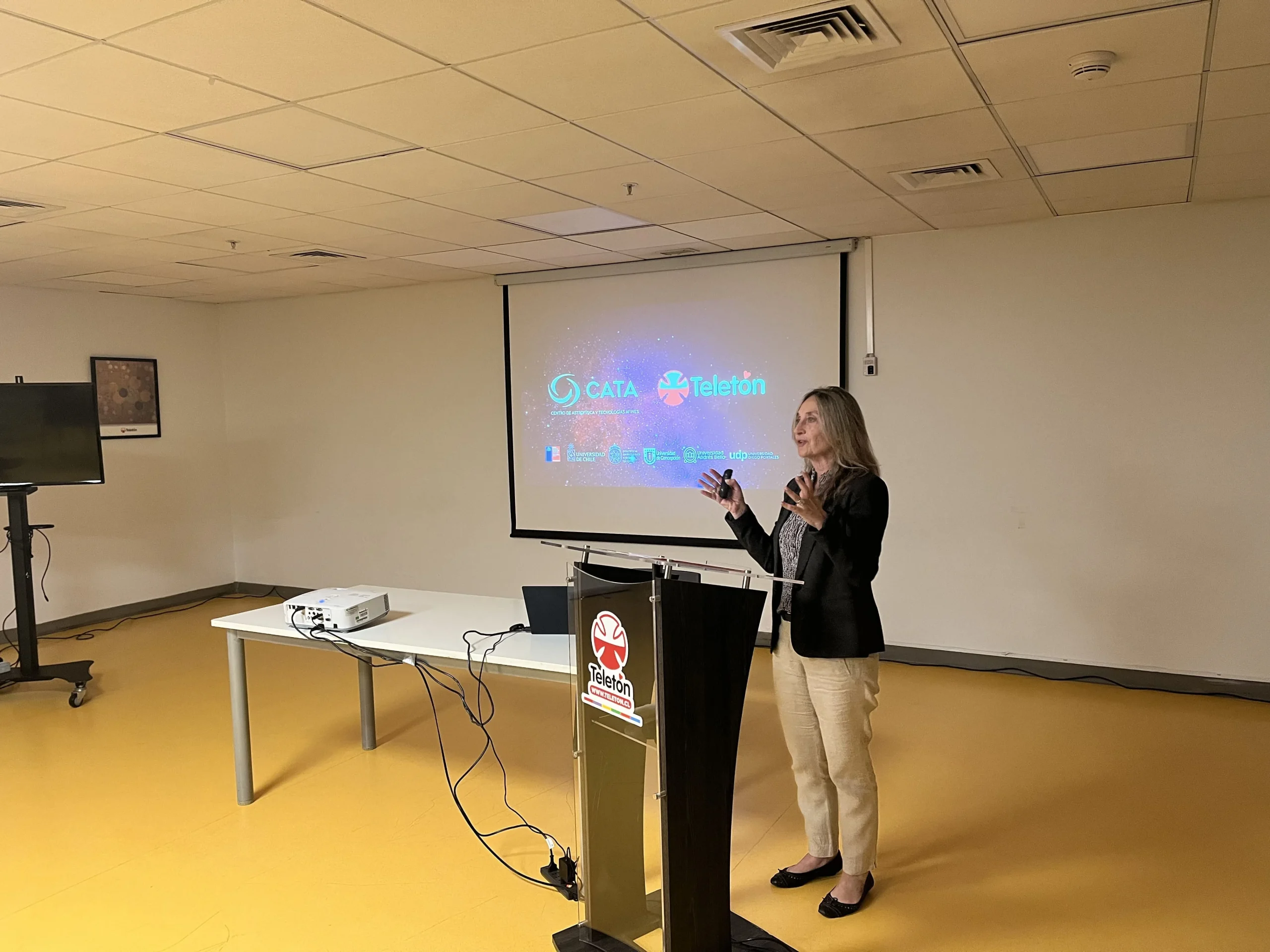
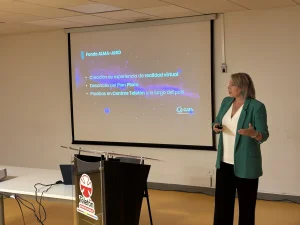
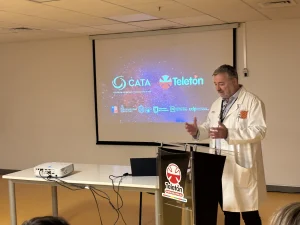
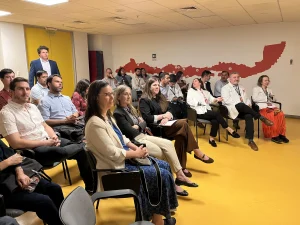
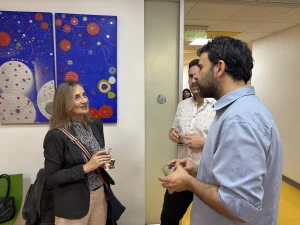
The Center for Astrophysics and Associated Technologies (CATA) (an ANID Basal Center) presented the pilot phase of the “Rehabilitation Through Astronomy” project, an initiative that combines science, technology, and rehabilitation to transform lives, developed in partnership with Teletón and designed by the software company DigitalStudio.
During its first year of implementation, the project focused on the design, development, and validation of a prototype virtual reality experience featuring astronomical content, aimed at supporting the rehabilitation processes of Teletón patients. Through collaboration with therapists, the target audience was defined as children and young people, with the experience focusing on movements of the trunk and upper extremities—such as pinching, dragging, and squeezing—while integrating astronomical knowledge into an immersive and motivating environment.
The result is an innovative exergame—a video game that incorporates physical exercise and focuses on the formation of planetary systems, combining science and health. This tool aims to hold patients’ attention, encourage their active participation, and improve both the experience and the outcomes of therapeutic processes.
“Rehabilitating Through Astronomy” is an initiative funded through the ALMA-ANID competitive grant program, an initiative designed to strengthen the development of Chilean astronomy by funding projects in research, technological development, training, and science outreach.
For CATA Director, Patricia Tissera, this project highlights the importance of transferring knowledge and technology to society. “One of CATA’s goals is precisely to connect the knowledge and technologies we develop with society. Astronomy has a unique ability to inspire, spark curiosity, and help us imagine new possibilities. That value allows us to drive innovative and challenging projects like this one, which bring science closer to people and have a tangible impact on their daily lives,” she said.
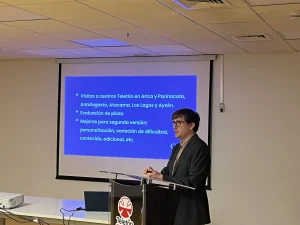
For her part, Nicole Ehrenfeld, deputy director of Centers and Collaborative Research at ANID, highlighted the value of collaboration across different fields of knowledge to develop solutions with social impact. “This initiative stems from the connection between different capabilities and needs, integrating astronomical knowledge with the challenges of rehabilitation. This not only enriches the movements and exercises but also the families’ experience, incorporating content about stars, galaxies, and planetary systems,” noted the national official.
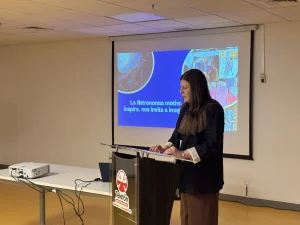
Carolina Siques, a physical therapist and technical advisor at Teletón, highlighted the project’s potential to enhance therapeutic processes. “For us, this project represents an opportunity to combine science, technology, and rehabilitation for the direct benefit of the children and young people we serve. It’s not just about using technology, but about integrating scientific knowledge into a clinical setting to create a tool with therapeutic value,” she said.
The pilot program is currently 50% complete and is in the pilot phase. Following this presentation, the project will roll out the initiative to various Teletón institutes across the country, with the aim of gathering feedback from regional teams and users. This process will allow for the evaluation of key aspects such as usability, adaptation to different spaces, connectivity conditions, and user experience, with a view to refining this innovative initiative.
Other Teletón officials also participated in the event, including Aldo Orrigoni, Director of Social Management and Volunteer Services; Daniela García, Deputy Director of Innovation; Bruno Camaggi, National Medical Director; Rodrigo Cubillos, National Innovation Coordinator; and Sacha Valero, Operations and Projects Manager, along with students and staff from both institutions.
Outstanding news
Recent news
-
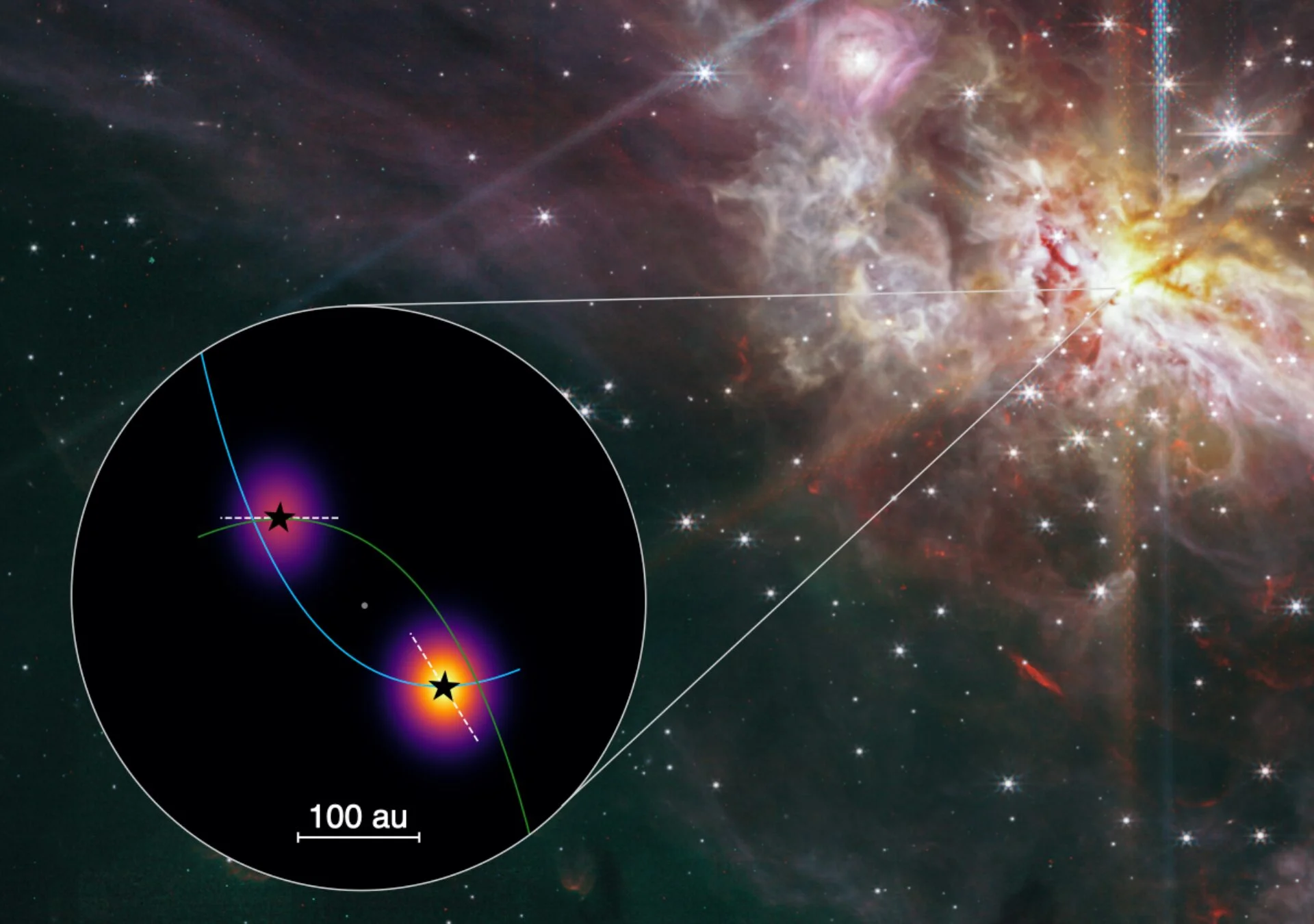 Publicado el: 08/09/2026The wedding dance of massive stars: Astronomer from CATA and the Universidad de Chile contributes to historic discovery
 -
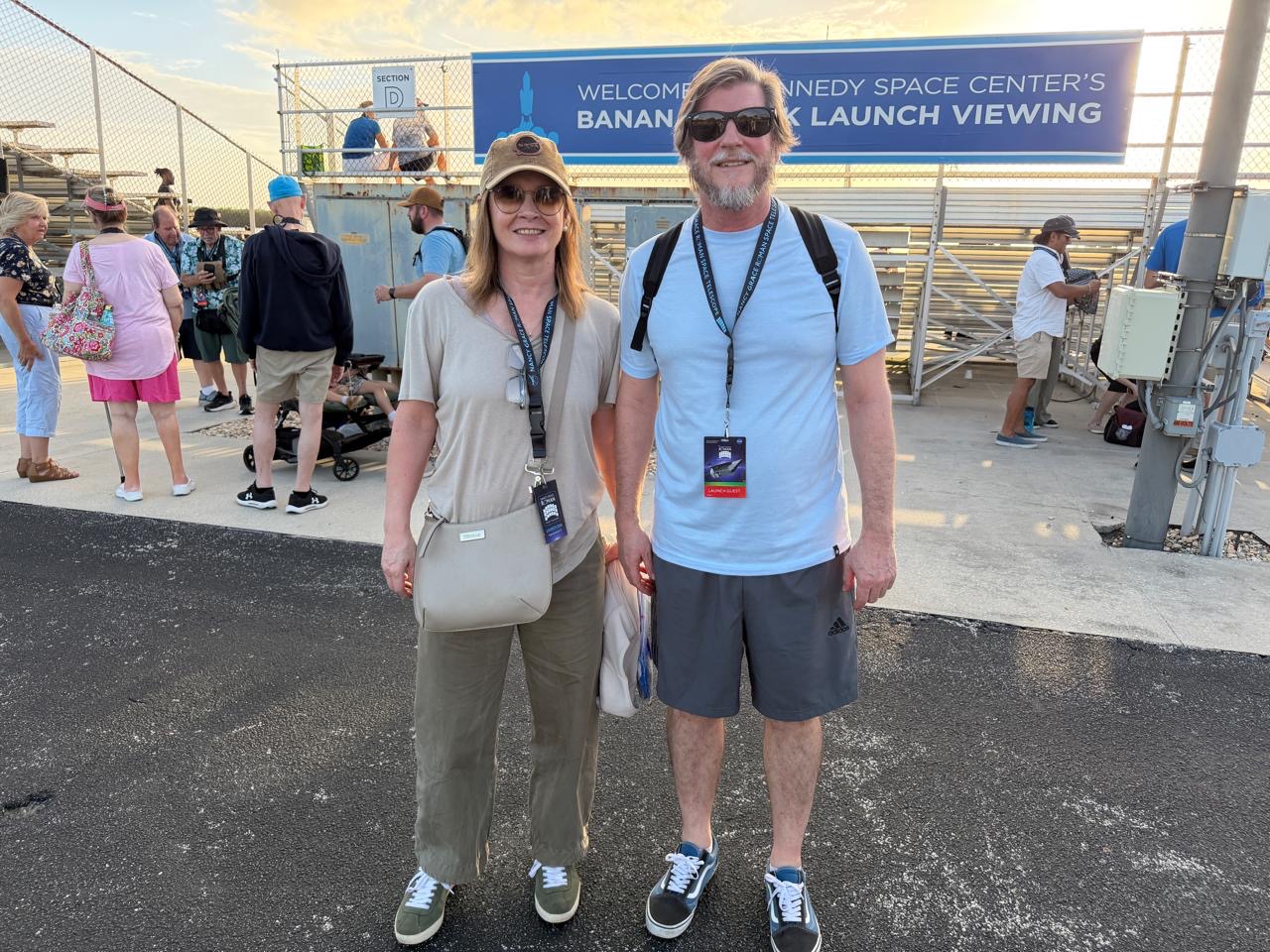 Publicado el: 07/09/2026The launch of the Nancy Grace Roman Space Telescope, as experienced firsthand by a CATA astronomer involved in the mission
 -
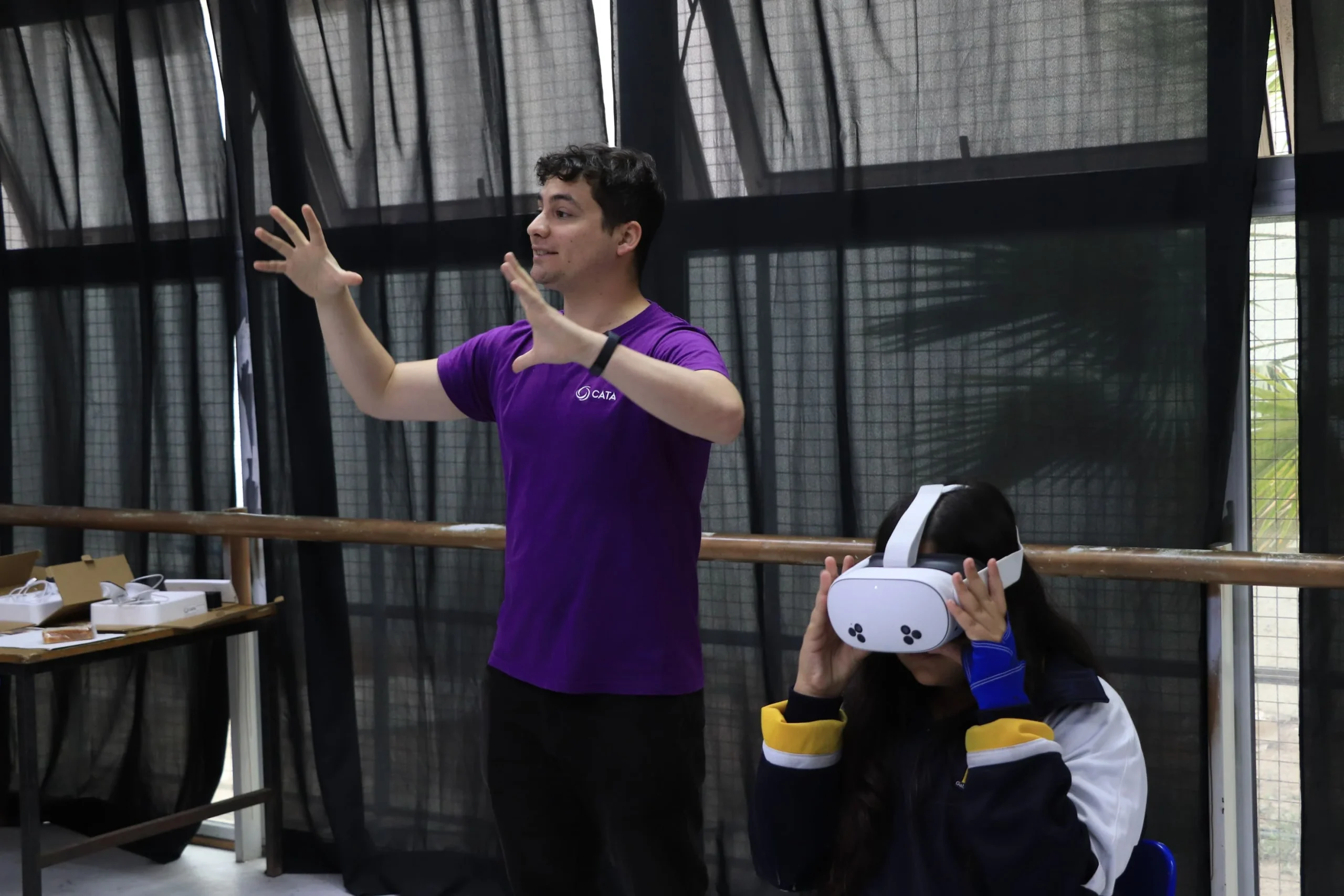 Publicado el: 29/08/2026Talks and hands-on activities related to astronomy were part of the “Congreso Futuro en tu Comuna” event in Arica
 -
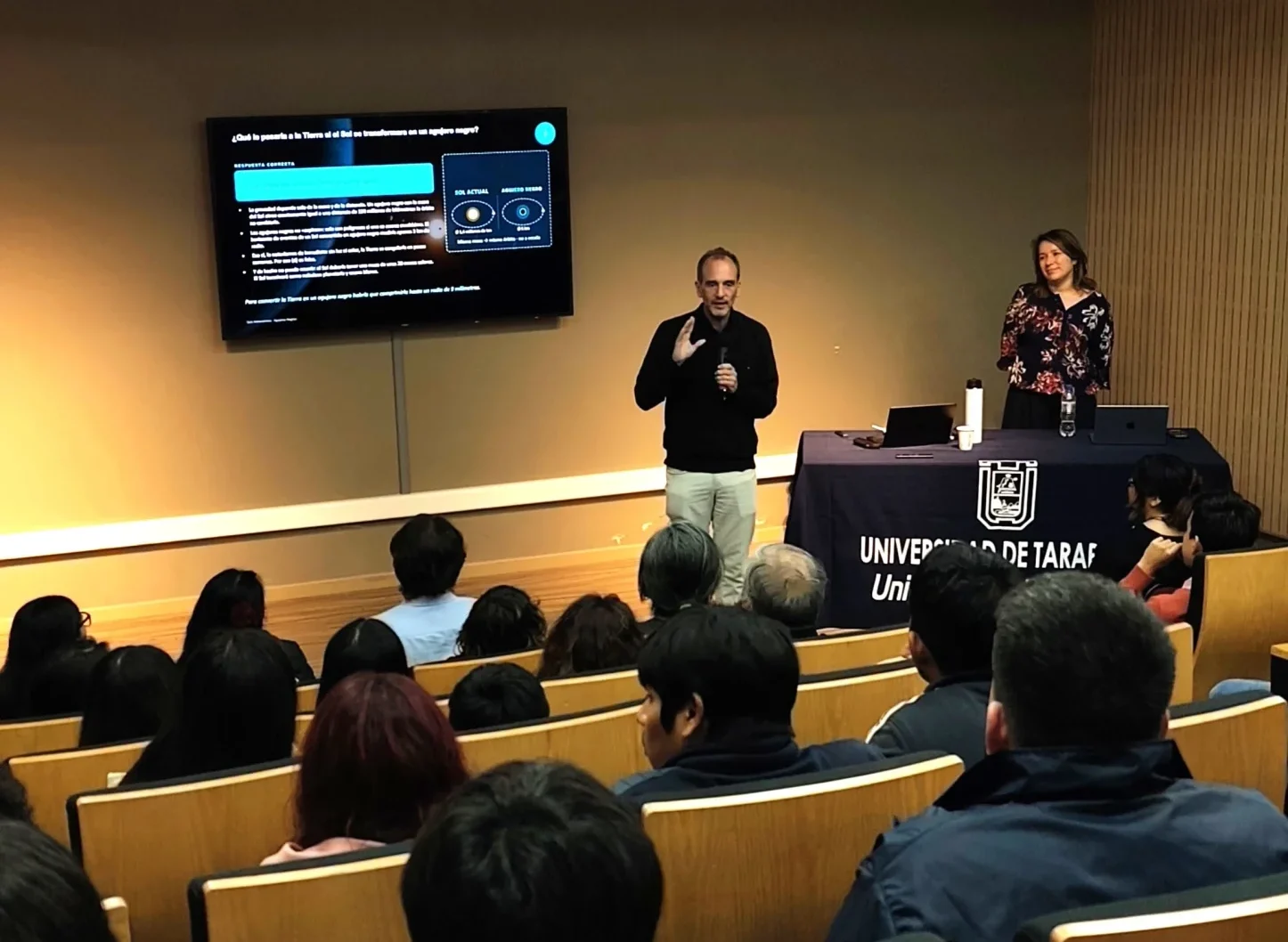 Publicado el: 28/08/2026Astronomical trivia drew a large crowd at the Universidad de Tarapacá
 -
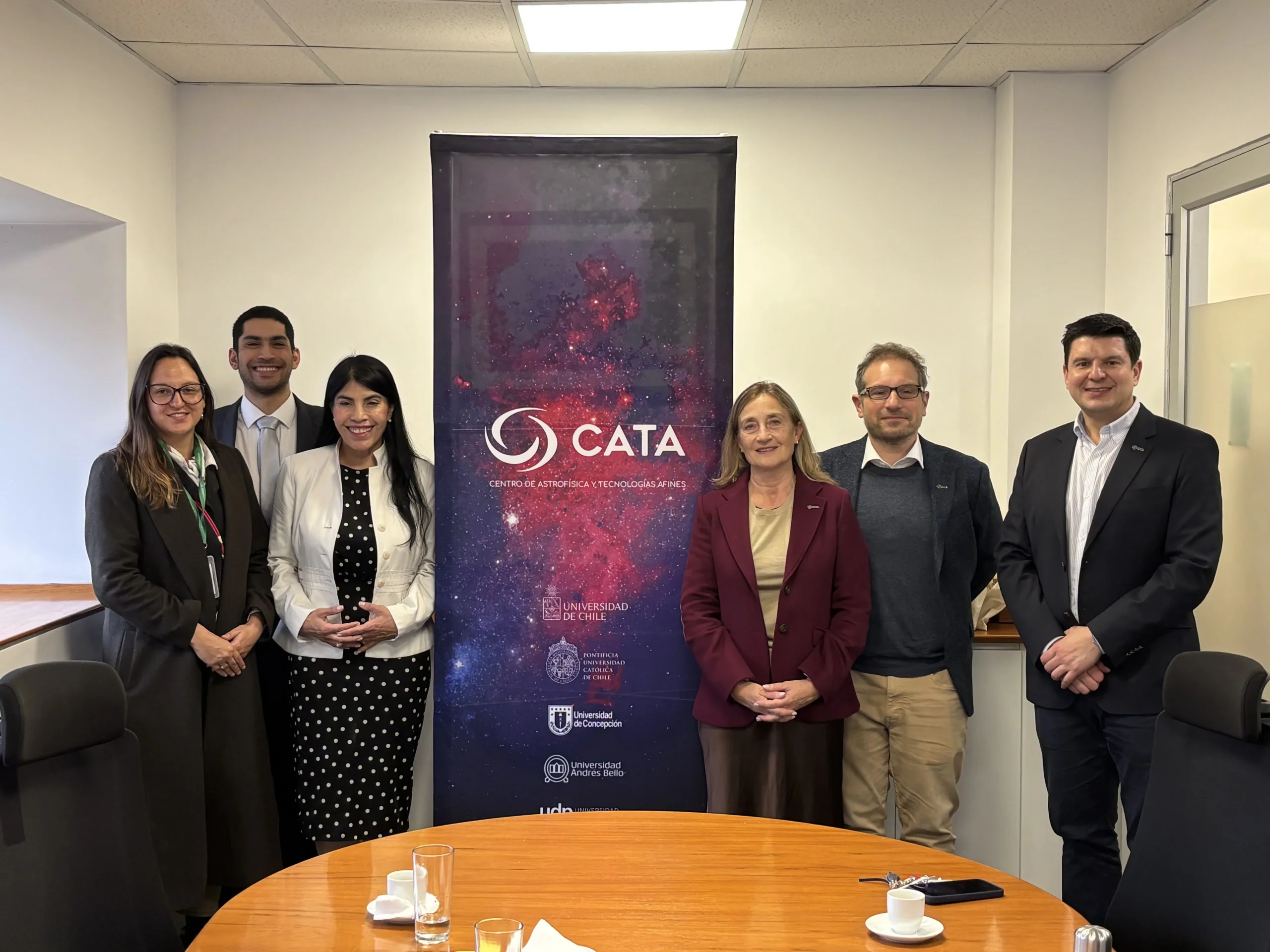 Publicado el: 27/08/2026Minister Ximena Lincolao meets CATA’s scientific and technological capabilities
Categories list
- Acknowledgments 27
- Astrobiology 12
- AstroCluster 1
- Black holes 21
- Corporativo 73
- Cosmology 9
- Descubrimientos 28
- Disclosure 91
- Exoplanets 18
- Extension 13
- Galaxies 27
- Galaxies formation 9
- Inter y Transdisciplina 5
- Local Universe 22
- Publications 9
- Sin categorizar 34
- Solar System 30
- Stellar formation 12
- Technology 30
- Technology Transfer 32