Microorganisms from the Atacama Desert could help detect life on other planets
A study led in Chile by researchers from CATA analyzes gases produced by an extremophile bacterium found in northern Chile and their potential detectability in the atmospheres of exoplanets similar to early Earth.
Microorganisms that inhabit some of the most extreme environments on Earth could provide key clues in the search for life beyond the Solar System. A new study conducted in Chile explores how gases produced by bacteria living in salt flats in the Atacama Desert could generate detectable signals in the atmospheres of exoplanets.
The initiative is led by Valeska Molina, a Investigator Affiliate at the Center for Astrophysics and Associated Technologies – CATA (ANID Basal Center) and a doctoral candidate at the Universidad de Atacama (UDA), in collaboration with scientists Bárbara Rojas-Ayala, an Associate Investigator at CATA and faculty member at the Universidad de Tarapacá (UTA), and Cristina Dorador, an Affiliated Investigator at CATA and a member of the Department of Biotechnology at the Universidad de Antofagasta (UA).
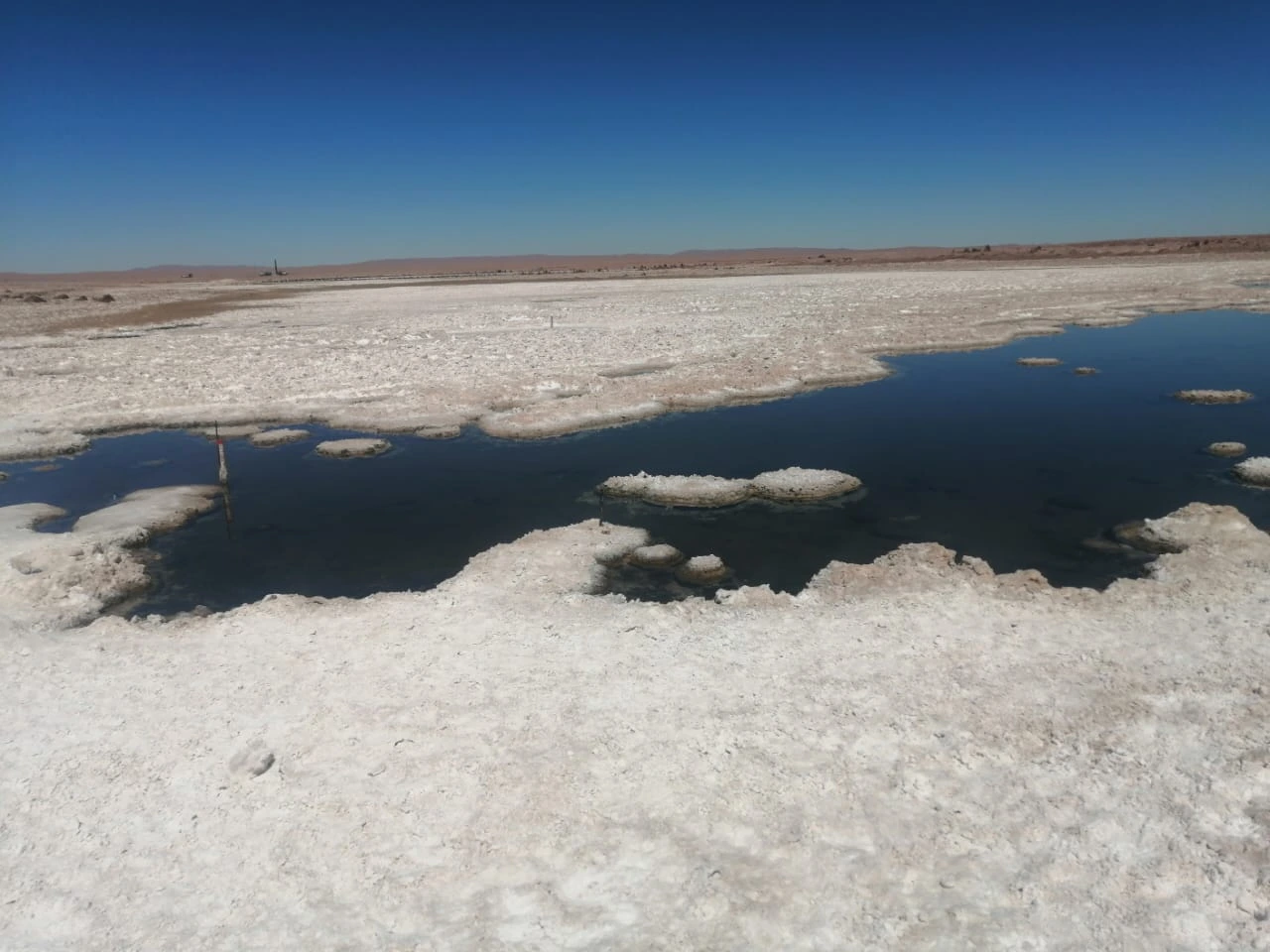
The research focused on the bacterium Roseovarius sp., isolated from the Salar de Llamara in the Atacama Desert, a hypersaline environment in northern Chile considered a natural analogue of conditions that may have existed on early Earth and even on other worlds. Based on a study of its metabolism and the gases it produces, the team analyzed whether these molecules could be detected on a planetary scale through astronomical observations.
“The most significant aspect of this research is that it directly links the study of extremophile microorganisms in the Atacama Desert to the search for life on other planets,” explains Valeska Molina, a researcher affiliated with CATA and a doctoral candidate at the University of Atacama, who is leading the project. “We analyzed the gases produced by the bacteria Roseovarius and their spectral signatures using Raman and infrared spectroscopy, and then compared these signals with models of planetary atmospheres analogous to those of early Earth,” she adds.
In this way, the study demonstrates how microscopic biological processes, such as the metabolism of extremophile bacteria, could generate chemical signals detectable from vast distances. This is key to astrobiology, a field that seeks to identify potential biosignatures or signs of life on other planets.
From microorganisms to exoplanets
The connection between microbiology and astronomy stems from the gases produced by living organisms. On Earth, many molecules in the atmosphere are of biological origin and reflect metabolic processes that occur on a microscopic scale.
“In Earth’s current atmosphere, we can detect clear biosignatures, such as oxygen and ozone produced by photosynthesis, as well as other gases of biological origin, such as methane, nitrous oxide, or dimethyl sulfide (from marine phytoplankton), which reflect different microbial metabolisms,” explains Bárbara Rojas-Ayala. “These compounds demonstrate how life can alter a planet’s atmospheric composition,” adds the CATA investigator.
In this study, the team measured the spectral signatures of gases produced by the bacterium Roseovarius sp., particularly carbon monoxide (CO) and carbon dioxide (CO₂), and then compared them with theoretical models of planetary atmospheres similar to those that Earth may have had in its early stages.
These simulations make it possible to assess whether these molecules could be detected in observations of exoplanets using telescopes such as the James Webb Space Telescope (JWST) or future instruments on the next generation of extremely large telescopes.
Interest in this type of microorganism stems from the early history of life on Earth. The bacterium under study possesses key enzymes associated with very ancient carbon-based metabolic processes that may have been present in the planet’s earliest ecosystems.
“We chose to study Roseovarius sp.
As Cristina Dorador explains, “this bacterium performs anoxygenic photosynthesis (without producing oxygen), a process that predates modern cyanobacteria and was common in microbial mats on early Earth.”
This type of primitive metabolism is particularly relevant when studying exoplanets, since many of them may have atmospheres that are very different from Earth’s today.
“Many of the potentially habitable exoplanets we know of probably do not resemble modern Earth, so their atmospheric biosignatures may also differ from those that prevail on our planet today,” notes Rojas-Ayala.
The Value of Extreme Environments
The findings also highlight the scientific value of the extreme ecosystems of northern Chile, where microorganisms capable of adapting to conditions of high salinity, radiation, and water scarcity thrive.
These environments allow us to study microbial metabolisms that might be common on other worlds. “Extremophiles expand our understanding of what kinds of life can exist and under what conditions,” says Valeska Molina. “This allows us to refine—or even challenge—some current ideas about what chemical signals might indicate life on other planets.”
For Cristina Dorador, these ecosystems also represent a natural heritage that must be protected. “These environments are increasingly under threat, which is why it is essential to take steps to protect the environments similar to the early Earth that still exist,” the researcher emphasizes.
The team plans to expand this approach in future research by incorporating other extremophile microorganisms and analyzing a wider variety of metabolic gases that could serve as biosignatures, as well as refining atmospheric models to account for different types of planets and stars.
“We will seek to improve these models by incorporating the star-planet relationship, since an atmosphere irradiated by a star like the Sun is not the same as one irradiated by a red dwarf, which is much smaller, cooler, and more active. That stellar environment directly influences atmospheric chemistry, the accumulation of gases, and the detectability of potential biosignatures,” explains Bárbara Rojas-Ayala.
“One of the goals is to estimate how many planetary transits would be needed to detect these biosignatures in the atmospheres of rocky exoplanets using current and future instruments. The ultimate goal is to continue moving closer to answering a question that drives the entire field of astrobiology: how can we recognize signs of life when we observe other worlds?” concludes Valeska Molina.
Outstanding news
Recent news
-
 Publicado el: 19/10/2026CATA will contribute to data processing for a major international astronomy project
 -
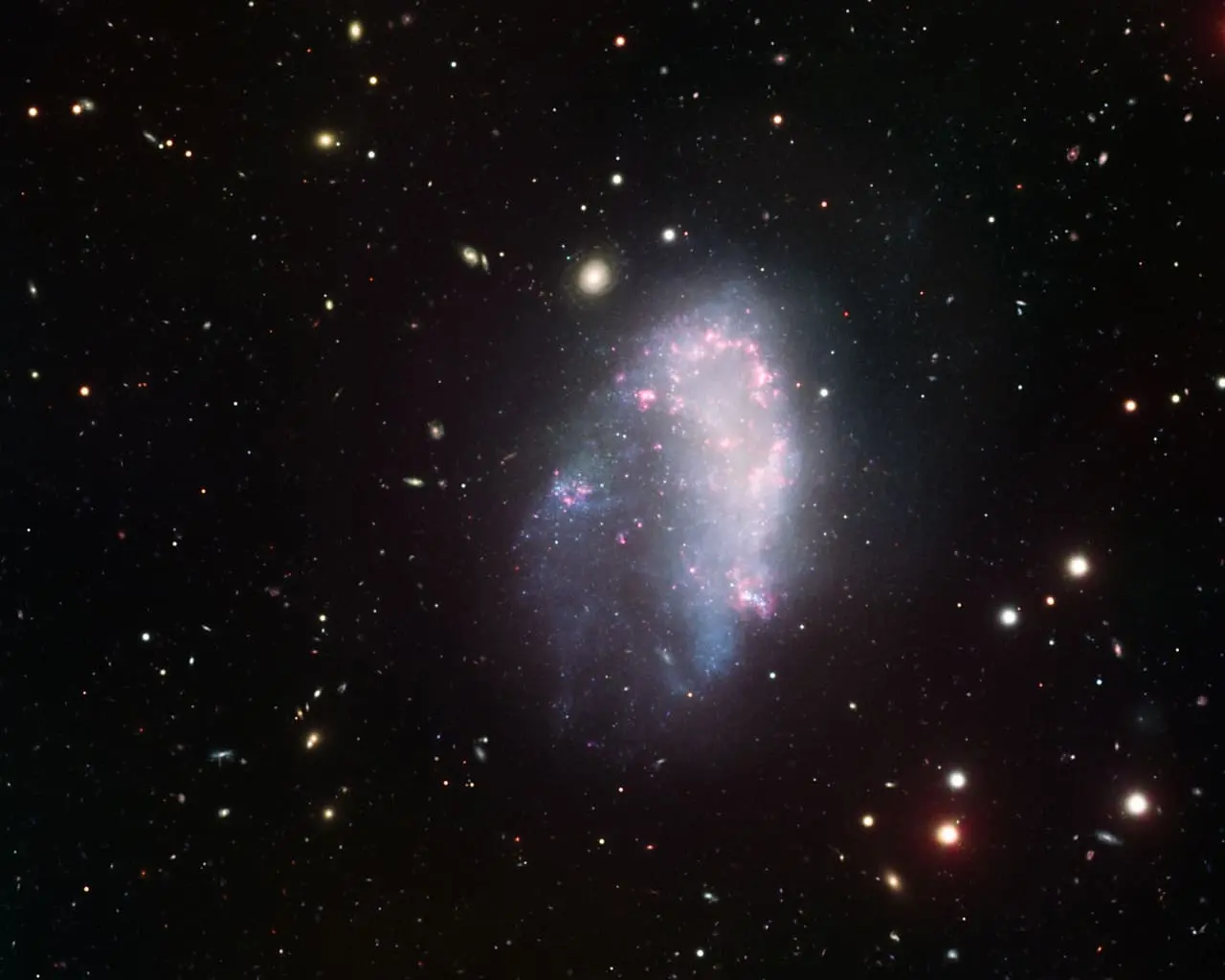 Publicado el: 19/10/2026Study led by CATA researchers solves a 30-year-old mystery about a dwarf galaxy
 -
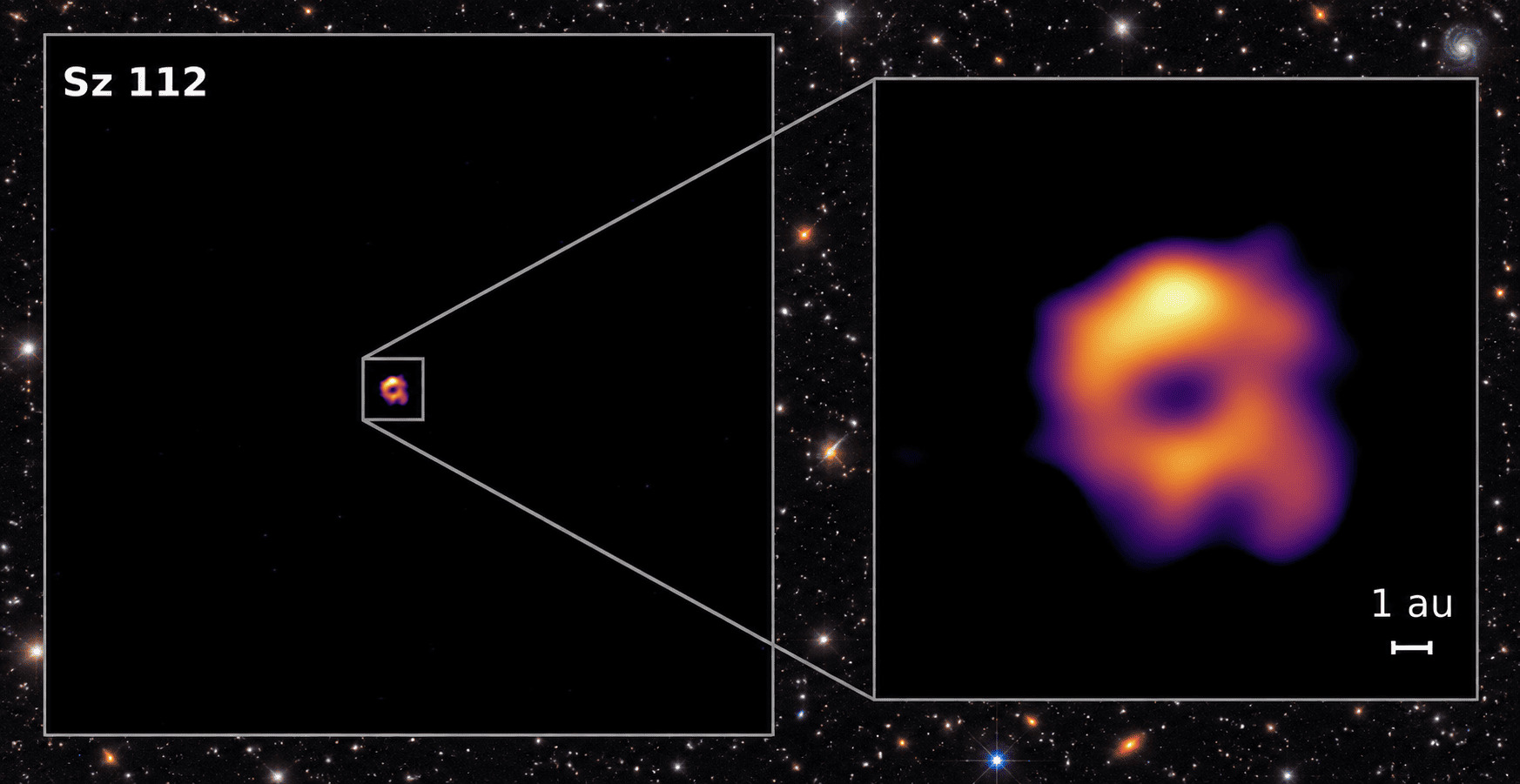 Publicado el: 15/10/2026Structures potentially associated with the formation of super-Earths and mini-Neptunes have been detected in compact disks
 -
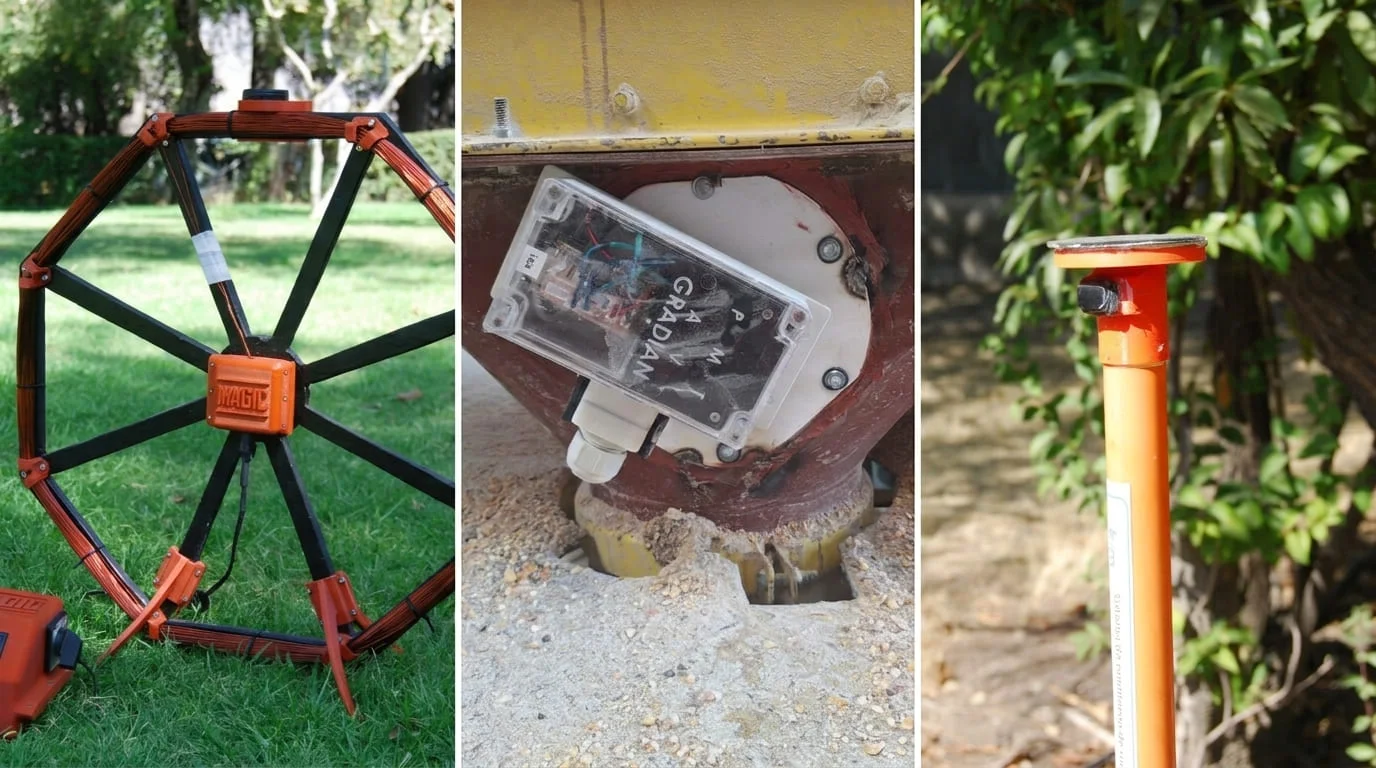 Publicado el: 09/10/2026From studying the universe to solving industry challenges: CATA’s technology transfer model in Nature Astronomy
 -
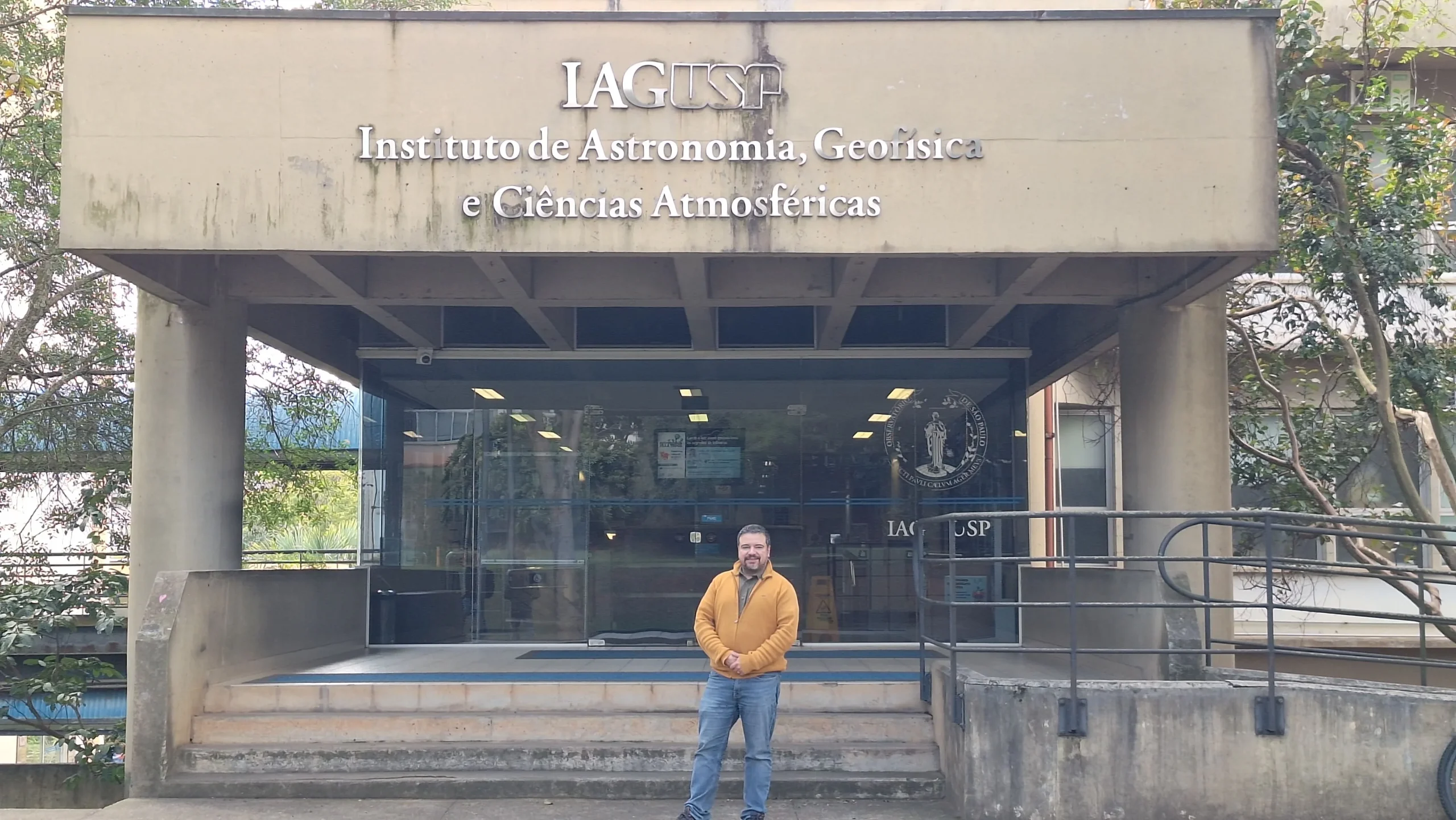 Publicado el: 01/10/2026CATA Associate Researcher concludes research stay at the University of São Paulo thanks to a Brazilian fellowship
Categories list
- Acknowledgments 29
- Astrobiology 12
- AstroCluster 1
- Black holes 21
- Corporativo 73
- Cosmology 10
- Descubrimientos 30
- Disclosure 91
- Exoplanets 19
- Extension 14
- Galaxies 29
- Galaxies formation 12
- Inter y Transdisciplina 5
- Local Universe 22
- Publications 9
- Sin categorizar 34
- Solar System 30
- Stellar formation 13
- Technology 34
- Technology Transfer 34