Astronomical technology was part of Congreso Futuro 2026
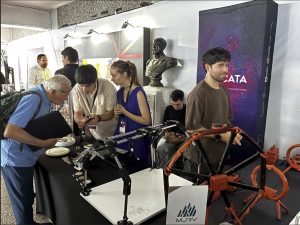
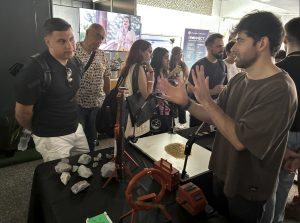
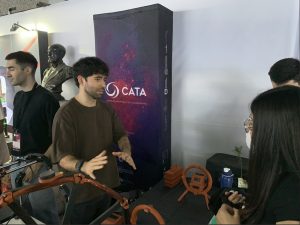
For five days, CATA showcased technologies that originated in astronomy and are now being applied in various productive fields.
The Center for Astrophysics and Associated Technologies – CATA (ANID Basal Center) participated in Congreso Futuro 2026, one of the most important events for scientific dissemination and knowledge in Latin America, which highlighted the role of astronomy as a platform for technological development in industry.
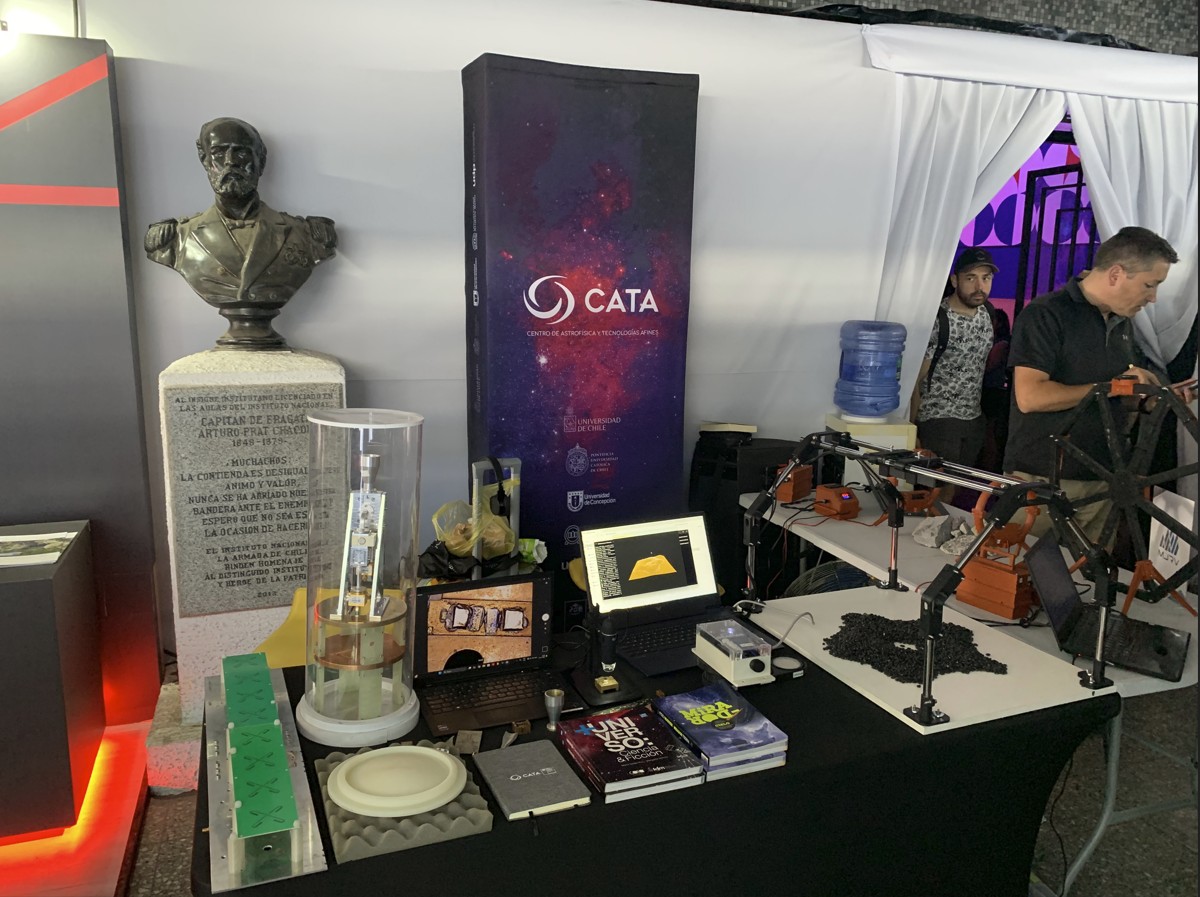
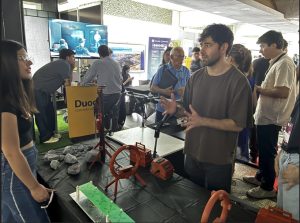
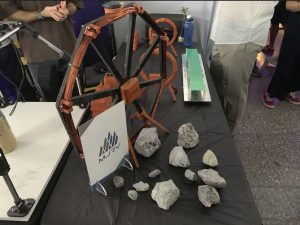
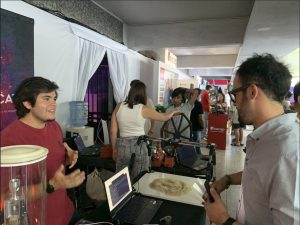
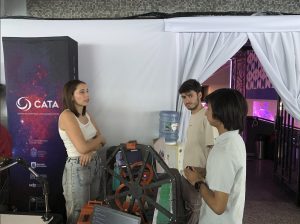
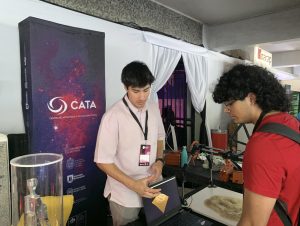
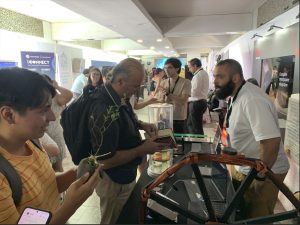
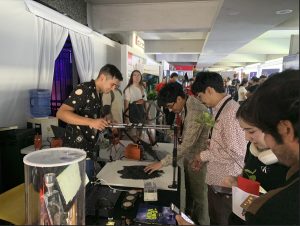
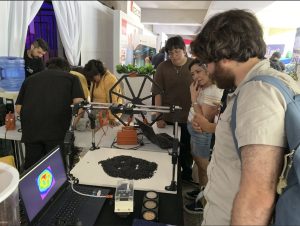
The meeting, held at the CEINA Cultural Center, brought together various institutions linked to innovation. In this context, CATA participated with a stand throughout the week in the “Congreso Futuro Innovation Fair” space, showcasing the various developments generated in the laboratories associated with the Center. This event demonstrated how the knowledge of researchers, together with the development of engineers specialized in astronomical instrumentation, is transferred into solutions applied to the needs of industry.
Among the technologies presented by CATA, we highlight:
MAGIC: An underground wireless communication system that allows text messages to be sent through the earth and solid material at great depths, without the need for a Wi-Fi or GPS connection. It is currently designed for mining operations and underground environments that are difficult to access.
GRADIAN: Sensor based on optical spectroscopy, a crucial feature in astronomical instrumentation. This system allows different types of grains to be detected and classified in food plants thanks to the precise detection of their color, achieving a resolution capable of differentiating more than 65,000 colors. In this way, it enables the monitoring of production processes, contributing to their optimization and improvement. This technology was developed in conjunction with the company Agrosuper, within the framework of the Explora program, and implemented at its plant in Casablanca.
FRAMES: Based on open-source photogrammetry algorithms, this system estimates volume by capturing images of the object from different angles and aerial positions, generating a three-dimensional point cloud that provides an approximate model. Like GRADIAN, it has also been developed in conjunction with Agrosuper through the Explora program.
In addition to these technologies aimed at transfer and productive application, two instrumentation projects for astronomical research developed by the Center were presented:
ARTE (Astronomical Radio Transients Experiment): Radio telescope designed, built, and operated with the participation of CATA engineers. It is located at the National Astronomical Observatory in Cerro Calán and is aimed at detecting fast radio bursts (FRB) from the galactic center.
BANDA 1: Band 1 receiver, designed to operate in the ALMA radio telescope, focused on observing the lowest frequencies. These allow us to study the coldest parts of the universe, such as molecular clouds, gas and dust at low temperatures, as well as complex molecules that emit at longer wavelengths. Thanks to these capabilities, it is possible to investigate the early stages of star and planet formation, as well as complex chemical processes.
In addition to showcasing these technologies, participation in Congreso Futuro 2026 highlighted the Center’s approach to its work. In this context, CATA Director Patricia Tissera emphasized the four fundamental pillars that guide its work: developing excellence in astronomy, training highly skilled human capital, communicating science to society, and transferring technology to the productive sector. “An event like this allows us to combine these four pillars into a clear message for society: cutting-edge astronomy produced in Chile generates technologies that can be applied to solve specific problems in the productive sector, and CATA is firmly on track in this direction,” she said.
For his part, Santiago Prat, General Manager, emphasized the importance of this type of event for strengthening ties and opening up new opportunities for collaboration. “Congreso Futuro has been a fundamental showcase for CATA. The connections made last year have led to important collaborations with industry, which have enabled us to carry out validations in real environments as demanding as mining. Maintaining this dialogue and interaction with both industry and society is a priority for the Center.”
CATA’s presence during the five days of the event was positively evaluated by its authorities. “It has allowed the Center to connect with actors from the private and public sectors who can benefit from its technologies, but also, and very importantly, to reach citizens so that they can appreciate the importance of investing in basic science through direct knowledge of the applications that it can have. In order to build better societies, we need to build a virtuous circle between basic science, derived technologies, and society, which CATA has begun to develop firmly, with Congreso Futuro 2026 being an opportunity for visibility,” said Patricia Tissera.
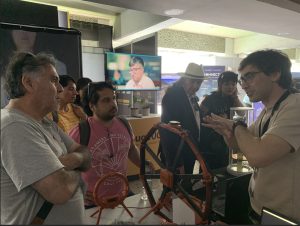
Finally, Santiago Prat highlighted the value of sharing the Center’s work with the public. “In this version, we made demonstrations of recently developed technologies available to attendees. These demos allow each person to experience technologies made in Chile that originate from astronomical instrumentation and observation capabilities, which today allow us to optimize processes and, for example, monitor environmental variables that directly benefit communities.”
Outstanding news
Recent news
-
 Publicado el: 08/04/2026Chilean astronomer awarded prestigious international fellowship
 -
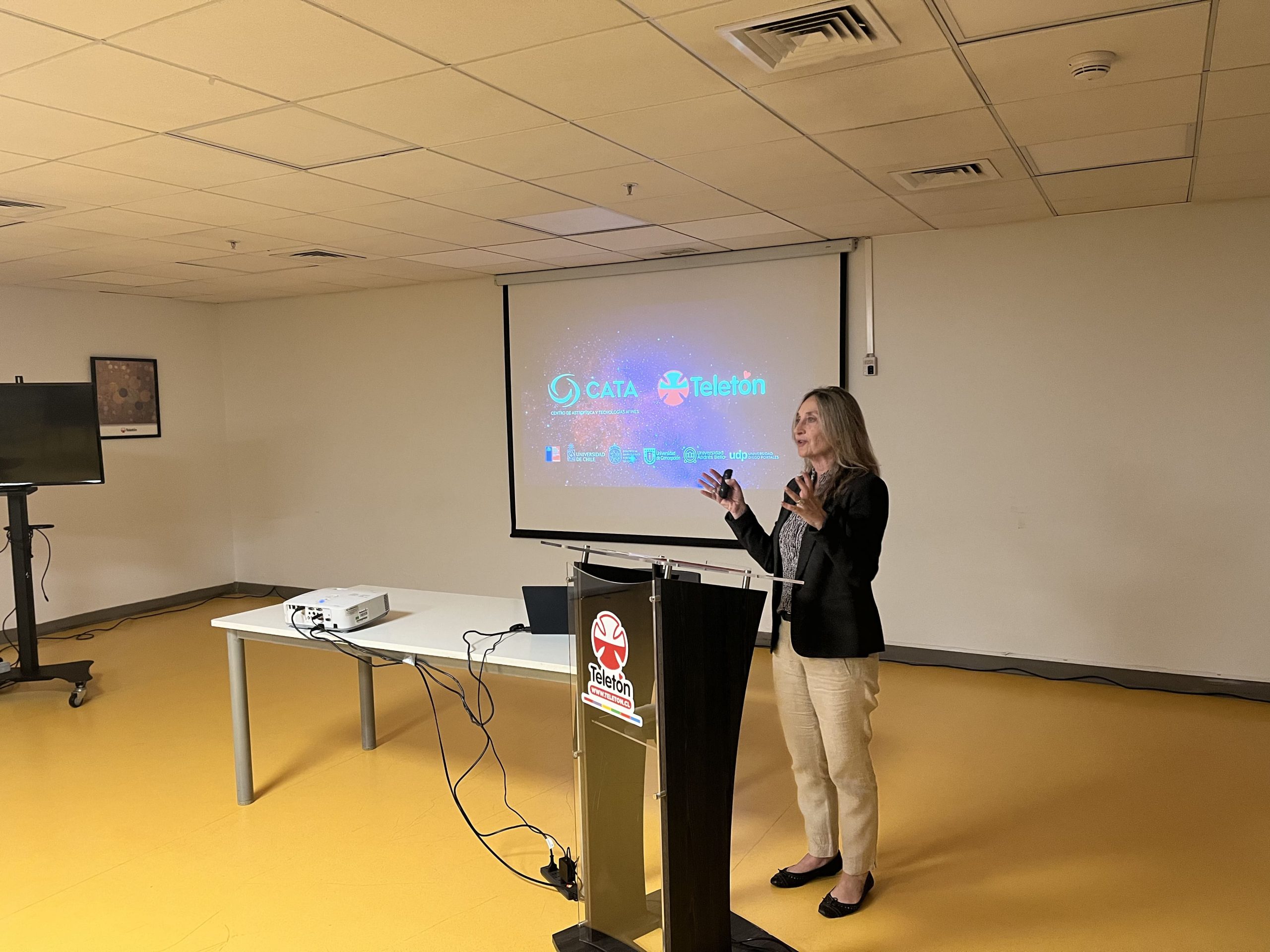 Publicado el: 07/04/2026CATA and Teletón present virtual reality project to support patient rehabilitation
 -
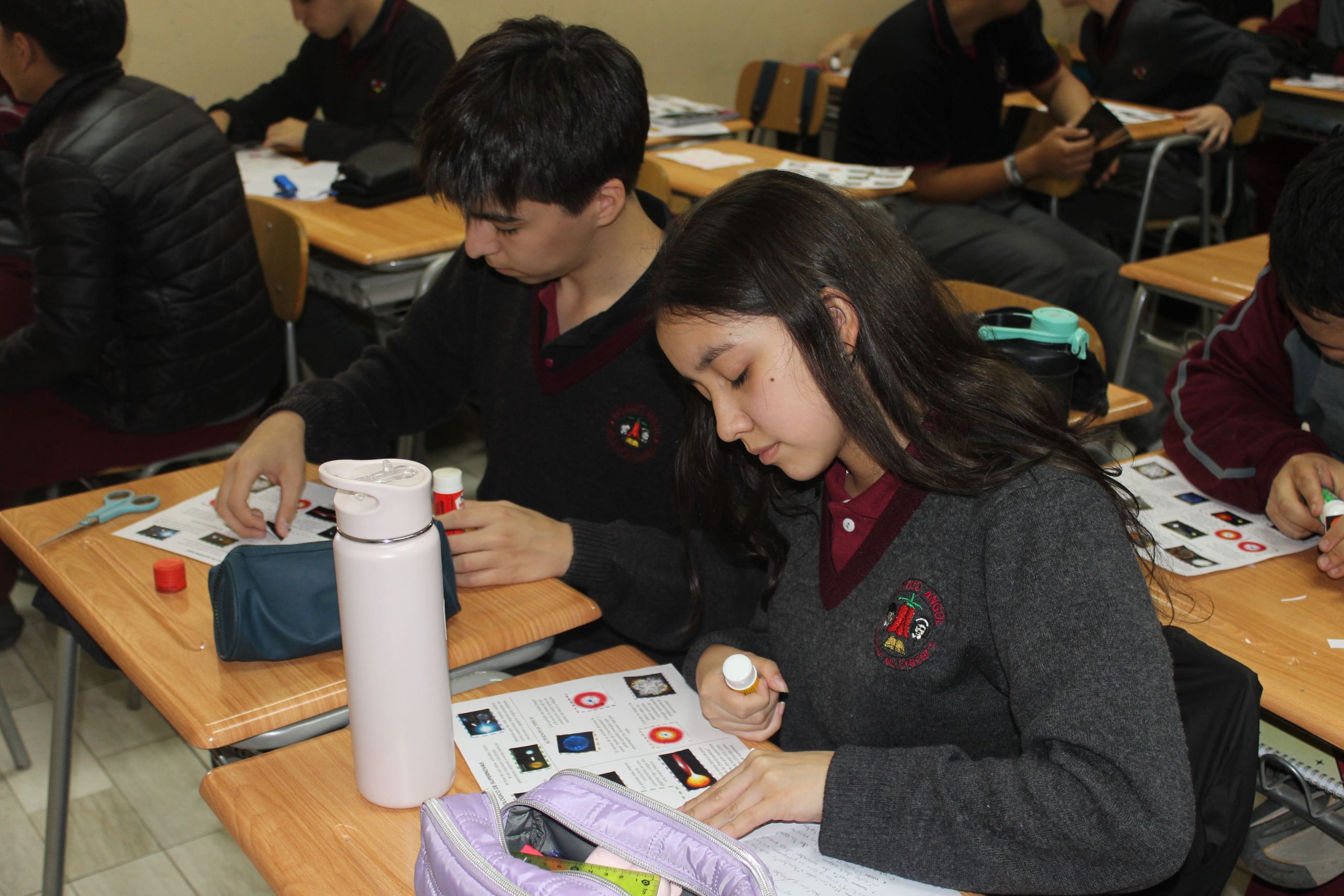 Publicado el: 01/04/2026CATA and Universidad de Concepción strengthen science education in schools
 -
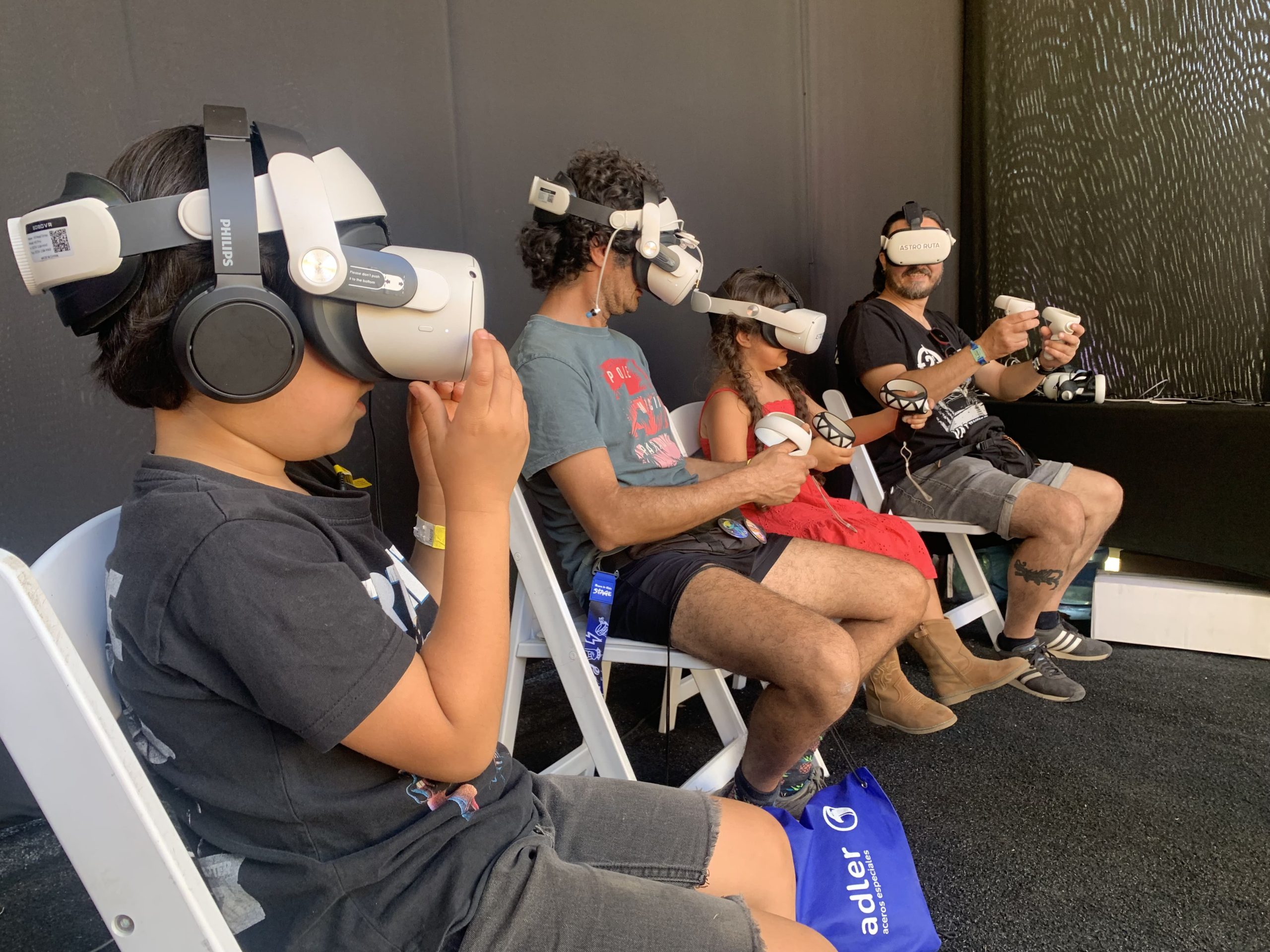 Publicado el: 16/03/2026Kidzapalooza attendees enjoyed an astronomy event at O’Higgins Park
 -
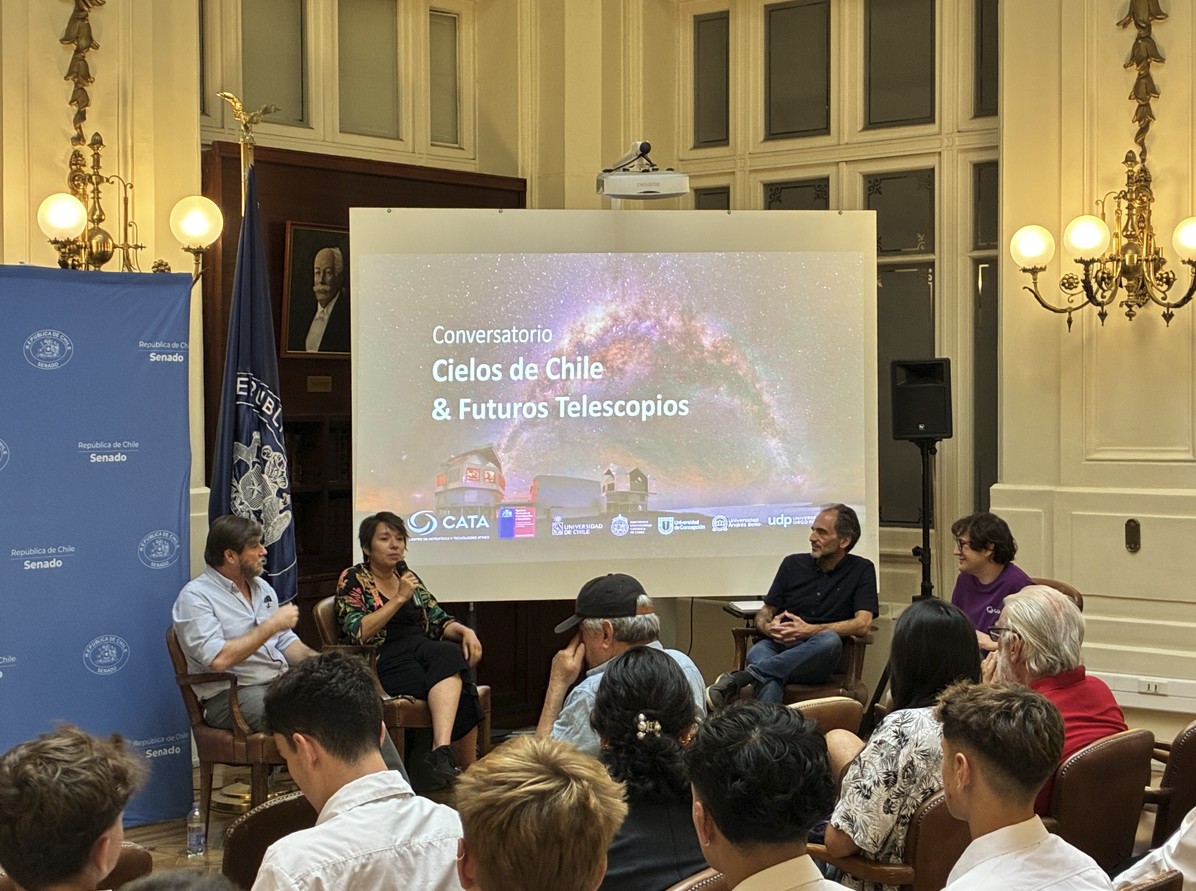 Publicado el: 13/03/2026CATA will celebrate Astronomy Day with free talks, stargazing sessions, and activities in Santiago and Valparaíso
Categories list
- Acknowledgments 25
- Astrobiology 9
- AstroCluster 1
- Black holes 19
- Corporativo 63
- Cosmology 5
- Descubrimientos 25
- Disclosure 82
- Exoplanets 15
- Extension 10
- Galaxies 23
- Galaxies formation 8
- Inter y Transdisciplina 4
- Local Universe 17
- Publications 7
- Sin categorizar 36
- Solar System 24
- Stellar formation 10
- Technology 18
- Technology Transfer 20