CATA and Universidad de Concepción strengthen science education in schools
The Center participated in the event held at Angol School, organized by the Department of Astronomy of UdeC, as part of Astronomy Day.
The Center for Astrophysics and Associated Technologies (CATA) (ANID Basal Center), together with the Department of Astronomy at the Universidad de Concepción and Angol School, held a day full of activities on March 25—including talks, stargazing sessions, and astronomy workshops—as part of Astronomy Day in Chile.
The activities kicked off with the workshop “How Do the Stars Affect Animals?”, designed for elementary school students. During the workshop, third- and fifth-graders learned about the effects that celestial bodies such as the sun and the moon have on the wildlife around us, and then applied what they had learned through an educational game.
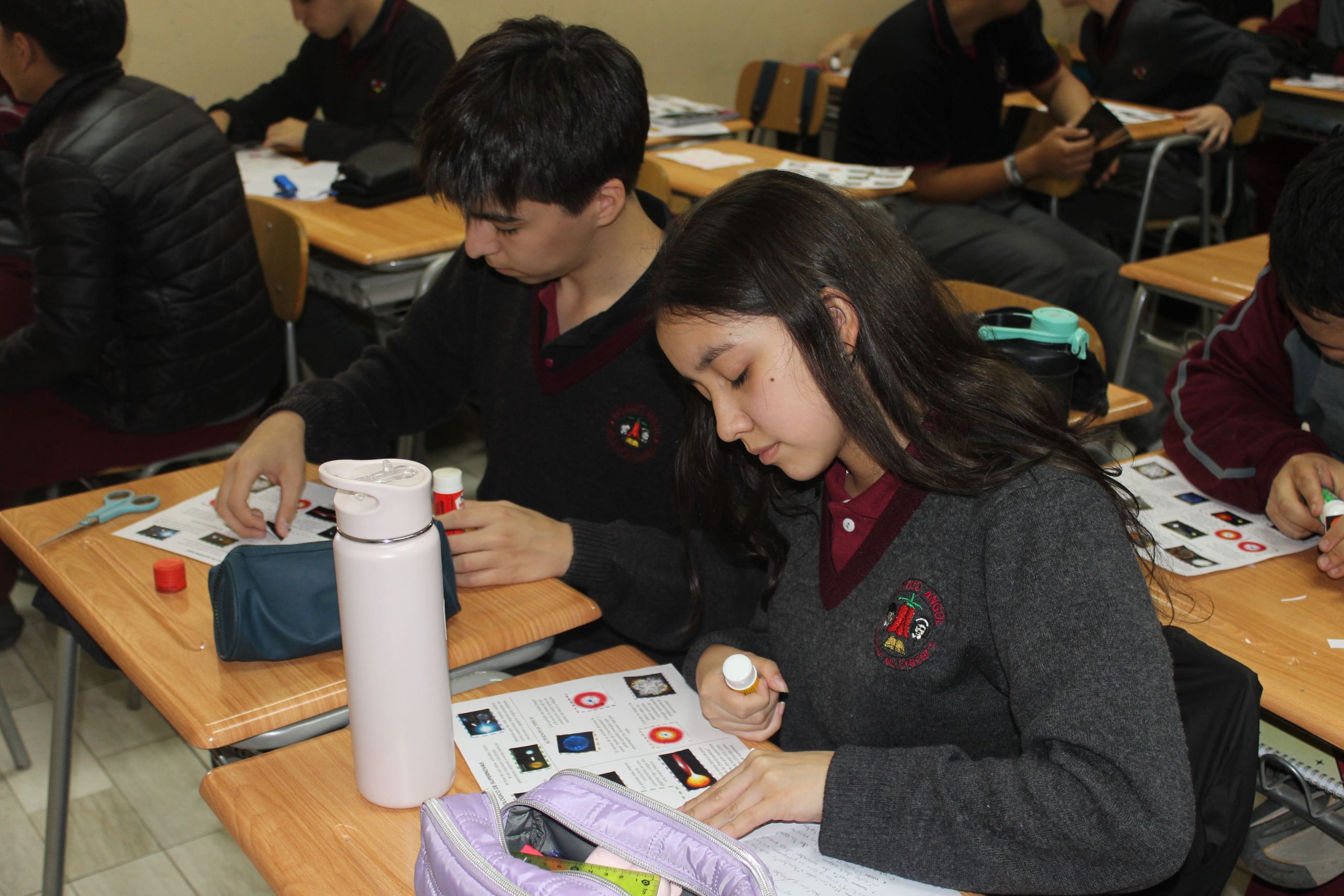
For middle school students, the Astronomy Outreach Team (EDA) presented its workshop titled “Supernova Zoo.” This presentation explained what these phenomena are, how they originate, and the different types that exist. Following the presentation, students in the 7th, 8th, and 9th grades participated in an activity in which they classified supernovae according to their formation processes.
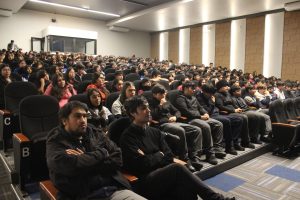
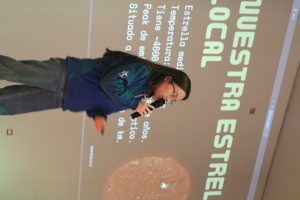
The day continued with a large-scale lecture given by Fernanda Ancamil, a member of EDA. The lecture, titled “The Sun, Solar Flares, and Sunspots,” took place in the auditorium of Angol High School and was attended by nearly 300 students from the host institution, as well as from Mozart School, San Francisco de Asís Angol, and Angol Industrial High School.
Lilian Rojas, a teacher at Angol School, spoke highly of the event: “The visit by the Universidad de Concepción’s Astronomy Outreach Team in collaboration with CATA was a unique and very enriching experience, because both students and adults were able to observe and participate in the event. We realized that science can be very closely connected to children’s everyday lives.”
Florencia Echeverría, a 9th-grade student at Colegio Angol, added, “I thought it was really fun. We talked about things we didn’t know, and it was very educational.” Similarly, Francisca Ñanco, a 11th-grade student, said it was a good experience and that the content was easy to understand.
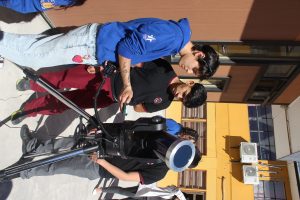
Finally, the visit concluded with a solar observation session led by members of the Astronomy Outreach Team. Using telescopes, 11th-grade students were able to observe the Sun and identify its sunspots.
Outstanding news
Recent news
-
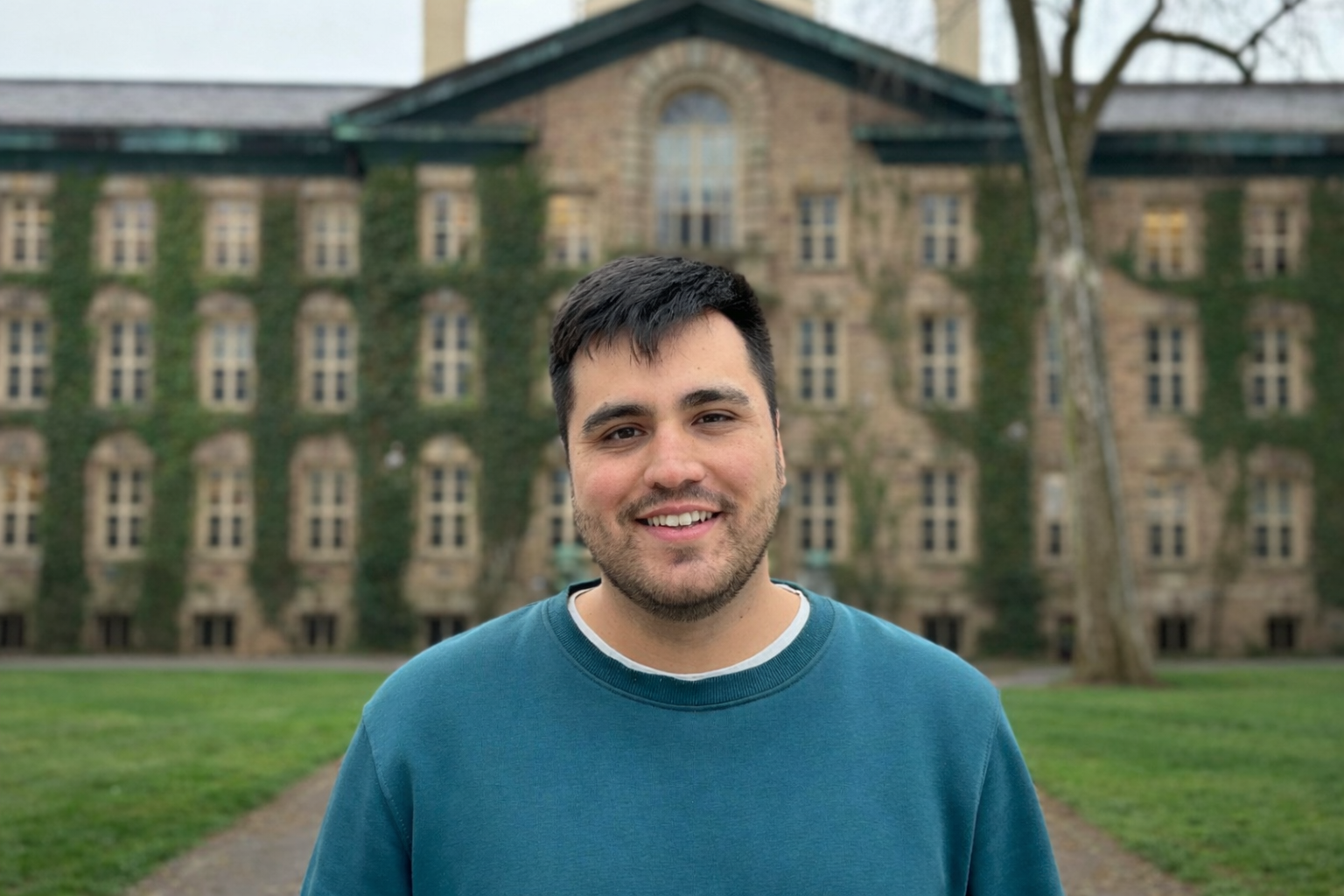 Publicado el: 08/04/2026Chilean astronomer awarded prestigious international fellowship
 -
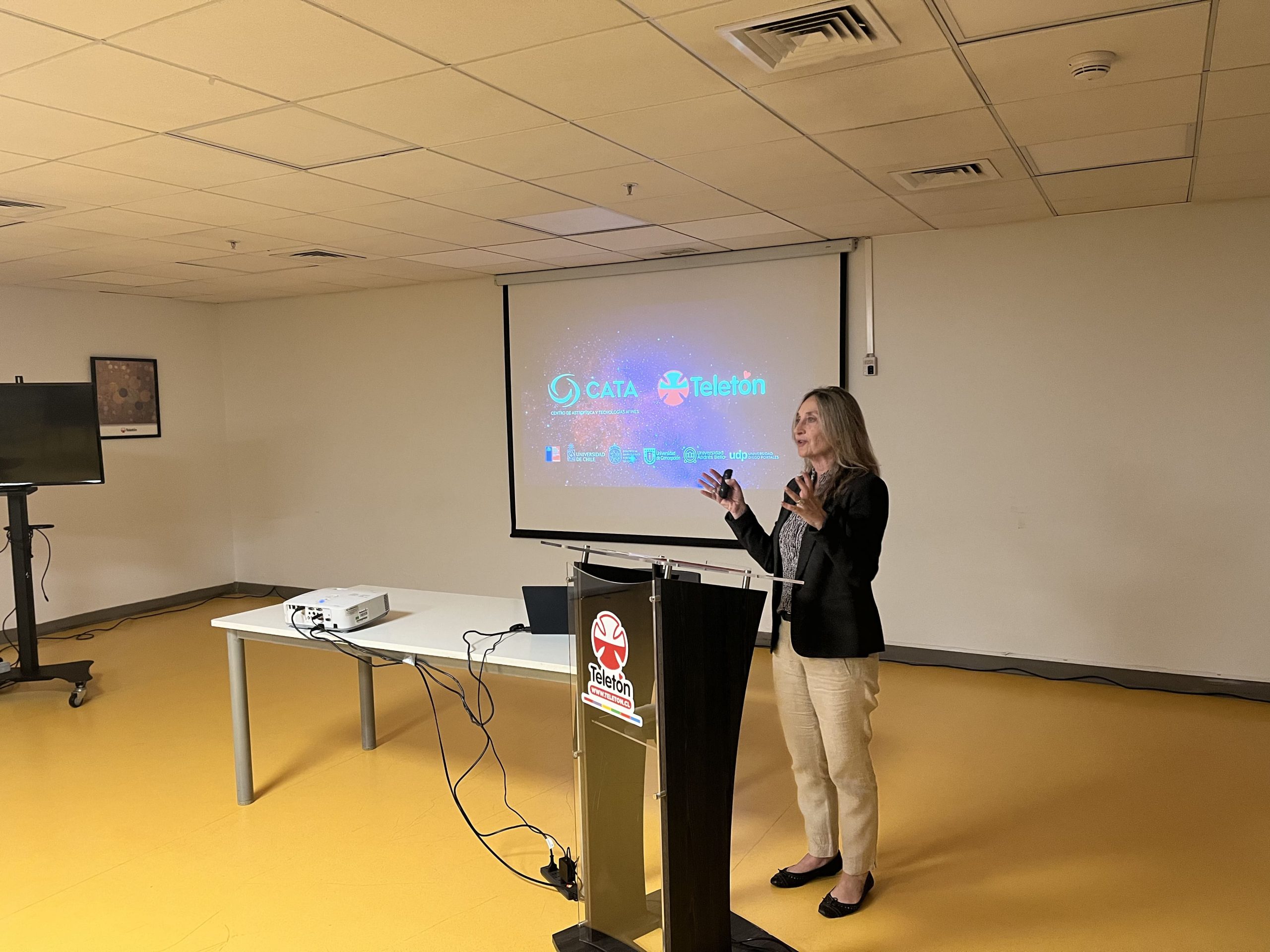 Publicado el: 07/04/2026CATA and Teletón present virtual reality project to support patient rehabilitation
 -
Publicado el: 01/04/2026CATA and Universidad de Concepción strengthen science education in schools
-
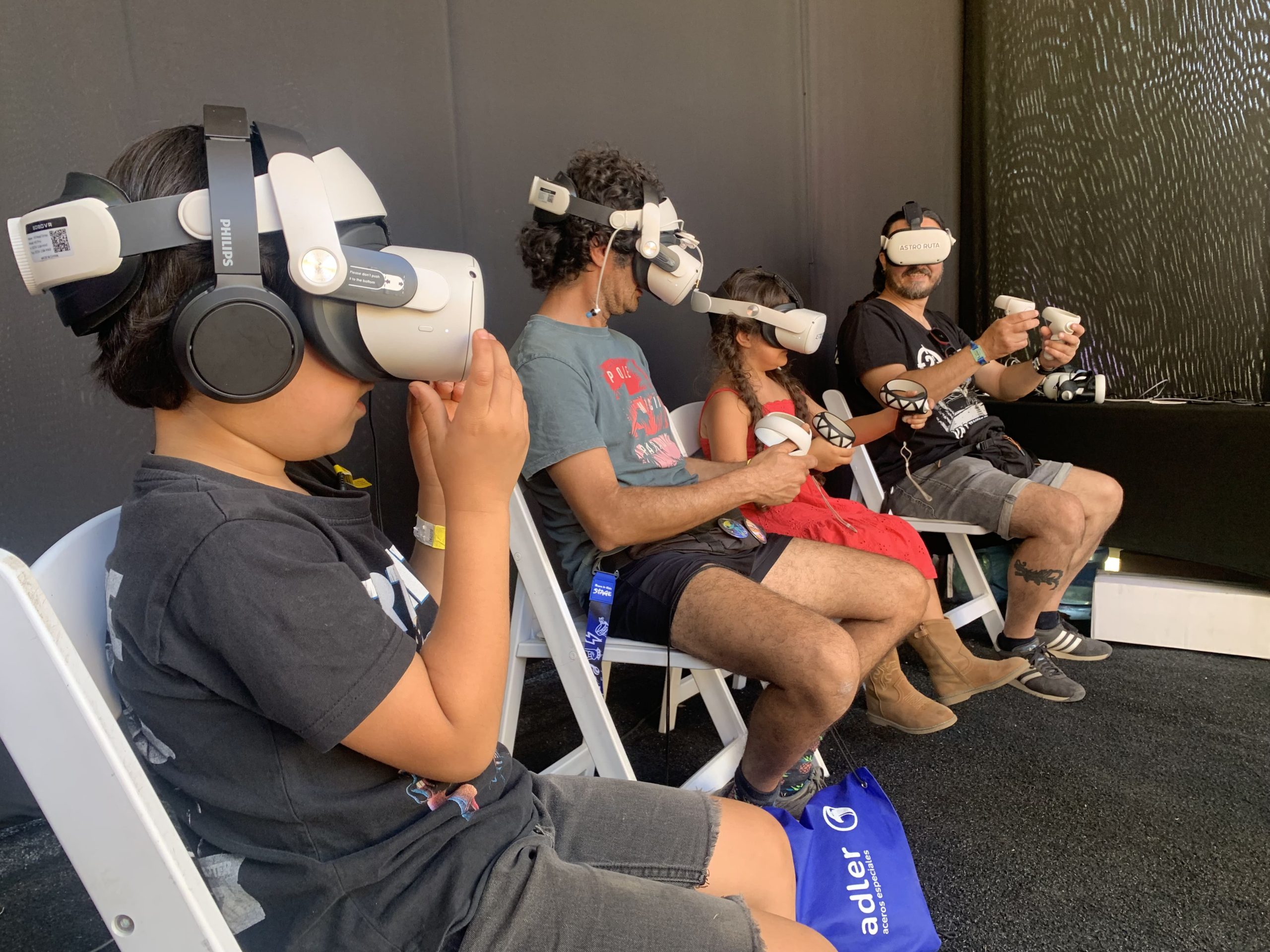 Publicado el: 16/03/2026Kidzapalooza attendees enjoyed an astronomy event at O’Higgins Park
 -
 Publicado el: 13/03/2026CATA will celebrate Astronomy Day with free talks, stargazing sessions, and activities in Santiago and Valparaíso
Categories list
- Acknowledgments 25
- Astrobiology 9
- AstroCluster 1
- Black holes 19
- Corporativo 63
- Cosmology 5
- Descubrimientos 25
- Disclosure 82
- Exoplanets 15
- Extension 10
- Galaxies 23
- Galaxies formation 8
- Inter y Transdisciplina 4
- Local Universe 17
- Publications 7
- Sin categorizar 36
- Solar System 24
- Stellar formation 10
- Technology 18
- Technology Transfer 20