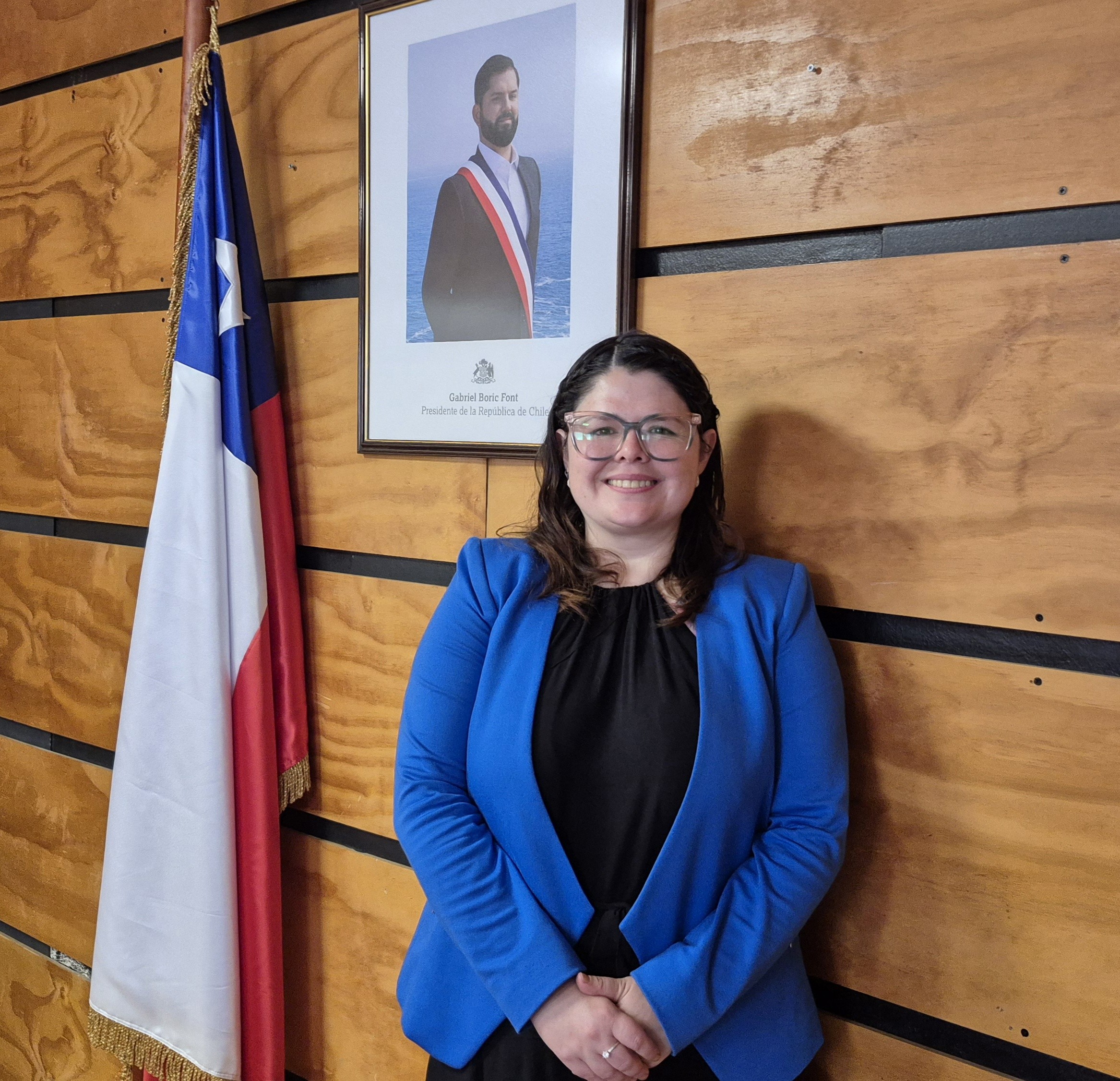
Meet: Valeska Molina, Regional Ministerial Secretary for the Antofagasta and Atacama regions at MinCiencia
The authority was affiliated with the Center for Astrophysics and Associated Technologies (CATA) as a student before assuming his current position.
Valeska Molina took office as Regional Ministerial Secretary for Science, Technology, Knowledge, and Innovation in the Antofagasta and Atacama regions. Appointed by the President of the Republic, Gabriel Boric, she has a background at the Center for Astrophysics and Associated Technologies – CATA (ANID Basal Center), where she trained as a student at the Center at the universities of Antofagasta (UA) and Atacama (UDA), under the tutelage of affiliated researcher Cristina Dorador.
She is currently taking a break from her doctoral studies to take on this new public role. A biochemist by training from the Pontificia Universidad Católica de Chile (UC), with a master’s degree in Astronomy from the Universidad de Antofagasta (UA) and a PhD candidate in Astronomy and Planetary Sciences at the Universidad de Atacama (UDA), she arrived at Seremi with the challenge of promoting an agenda aimed at strengthening research, innovation, and science communication. In this context, CATA spoke with her to learn about her career as a researcher, her connection to the Center, and the main guidelines of her management in the bi-region that encompasses the natural laboratory known as the “Atacama Desert.”
How did you become interested in astronomy after graduating with a degree in biochemistry from the Pontificia Universidad Católica de Chile?
I was always interested in becoming a scientist. I remember when I was in middle school, I read an article in a newspaper about the “new careers of the future,” which included Biochemistry, and that helped me start to envision my career path.
During my studies, I was interested in various areas, such as reproduction and biology in general, but I felt that none of them really sparked my passion. I graduated with a minor in postmortem, which was the field that most appealed to me, and I even had the opportunity to do my undergraduate thesis at the Legal Medical Service. However, I always felt that something was missing. I later moved to Antofagasta and started working as a biochemist in a laboratory. At first, I really liked it, but over time my interest waned.
It was during this stage that I discovered the Atacama Desert, salt flats, extremophile microorganisms, astronomy, and astrobiology. This discovery was decisive and led me to want to study astrobiology. In 2017, the options were very limited, but then the Universidad de Antofagasta opened a master’s program with a specialization in this area. At first, I hesitated to apply, as my background was more closely linked to biology and chemistry, while this program had a significant physics component. Finally, in 2019, I began working with Cristina Dorador, who encouraged me to enroll in the master’s program, thus embarking on this new path.
Which professors or experiences had the greatest impact on your education in both Biochemistry and Astronomy?
I feel that my career has been strongly influenced by women. In biochemistry, I would highlight Mónica Vasquez (head of the degree program at the time) and also, especially, the Hemostasis and Thrombosis Laboratory at PUC, where I completed the Research Unit (BIO296) prior to my thesis. Researchers such as Valeria Matus, Olga Panes and Patricia Hidalgo from the laboratory always supported me, and it was a very meaningful formative experience.
Subsequently, both my undergraduate and postgraduate studies continued to be marked by female role models. In particular, Cristina Dorador has been a key figure in my development, not only from a scientific point of view, but also in terms of opening up new spaces, such as the link between science, public management, and politics.
Why did you decide to focus your research on searching for biological signals on exoplanets and studying life in extreme environments?
I am deeply fascinated by the fact that the Atacama Desert is an extreme environment and yet still supports life. I am interested in understanding how metabolisms and processes such as anoxygenic photosynthesis, which does not produce oxygen, have evolved and transitioned to oxygenic photosynthesis. These changes, both in species and environments, are very exciting from a scientific point of view.
In addition, there is a more personal motivation related to the search for our origins. In some way, astronomy and astrobiology lead me to wonder where we come from, not only as humanity, but also as life in the universe.
You are currently a doctoral student in Astronomy and Planetary Sciences at the Universidad de Atacama. How do you conduct your doctoral research from northern Chile?
I have always maintained that cutting-edge science can be done in Chile, especially in the north. Although we do not always have the same capabilities or infrastructure as other institutions, there is great human and scientific potential that needs to be made visible.
Northern Chile has historically been associated with mining, boasting excellent universities and professionals in this field. Today, scientific research is beginning to gain ground, but capabilities are geographically dispersed. In our fieldwork, we often have to travel between different laboratories to make progress, which means covering long distances within a vast region. This situation creates a certain degree of isolation, but it also reinforces the need for collaboration and territorial coordination.
During your master’s and doctoral studies, you were affiliated with CATA under the tutelage of Cristina Dorador, a researcher attached to the Center. What role did CATA play in your development as a researcher, and what lessons would you highlight from your affiliation with the Center?
One of the most valuable aspects of my training at CATA was the opportunity to learn about the work of other people conducting research in related fields. I was part of Area 6, Exoplanets and Astrobiology, where, for example, I met Bárbara Rojas-Ayala, Associate Researcher at the Center, who is currently also collaborating as co-supervisor of my doctoral thesis.
This experience perfectly reflects the spirit of collaboration that exists within CATA, both through daily work and formal occasions, such as area meetings and annual gatherings, which allow us to learn about and coordinate the different lines of research being developed at the Center.
As Seremi, you will promote an agenda focused on strengthening research, innovation, and science communication. What measures do you have in place to achieve this, and how can CATA contribute to this goal within these regions?
We are currently promoting various initiatives. One of them is the coordination between applied science and the creation of science and technology-based companies. Within this framework, we are working on a protocol to guide researchers in the process of transferring developments from the laboratory to the market, facilitating links with relevant actors.
In terms of science communication, we are developing audiovisual capsules and participating in various dissemination spaces. We also have an agenda focused on gender equality, which includes the launch of a report on best practices in this area.
In the field of astronomy, there is a Regional Committee in Antofagasta that we seek to replicate in the Atacama Region. In this context, the work with CATA is particularly relevant, both in terms of technology transfer and coordination between researchers and companies. In fact, we have already held meetings to advance joint initiatives.
As a researcher and now as an authority, what challenges does scientific development face in Atacama and Antofagasta, and what opportunities do you see for strengthening science in the region?
One of the key challenges is to consolidate a scientific culture with a territorial and long-term focus. There are important milestones, such as the International Day of Women and Girls in Science, which we commemorate every February 11, and which we seek to use as an opportunity to create spaces for reflection and dialogue in both regions.
Along these lines, we are also promoting the dissemination of the report on good practices in gender, so that it can be adopted by universities and other stakeholders in the region. We also want to strengthen and continue the regional astronomy roundtables as spaces for coordination between academia, the public sector, and other relevant stakeholders.
Another key area is the development of science and technology-based companies. Currently, Antofagasta has a greater number of these initiatives compared to Atacama, which highlights a gap but also an opportunity for growth. The goal is to continue promoting this type of venture, understanding that many of the solutions to regional challenges can arise from the science developed in the territories themselves, with a deep understanding of their reality and needs.
Outstanding news
Recent news
-
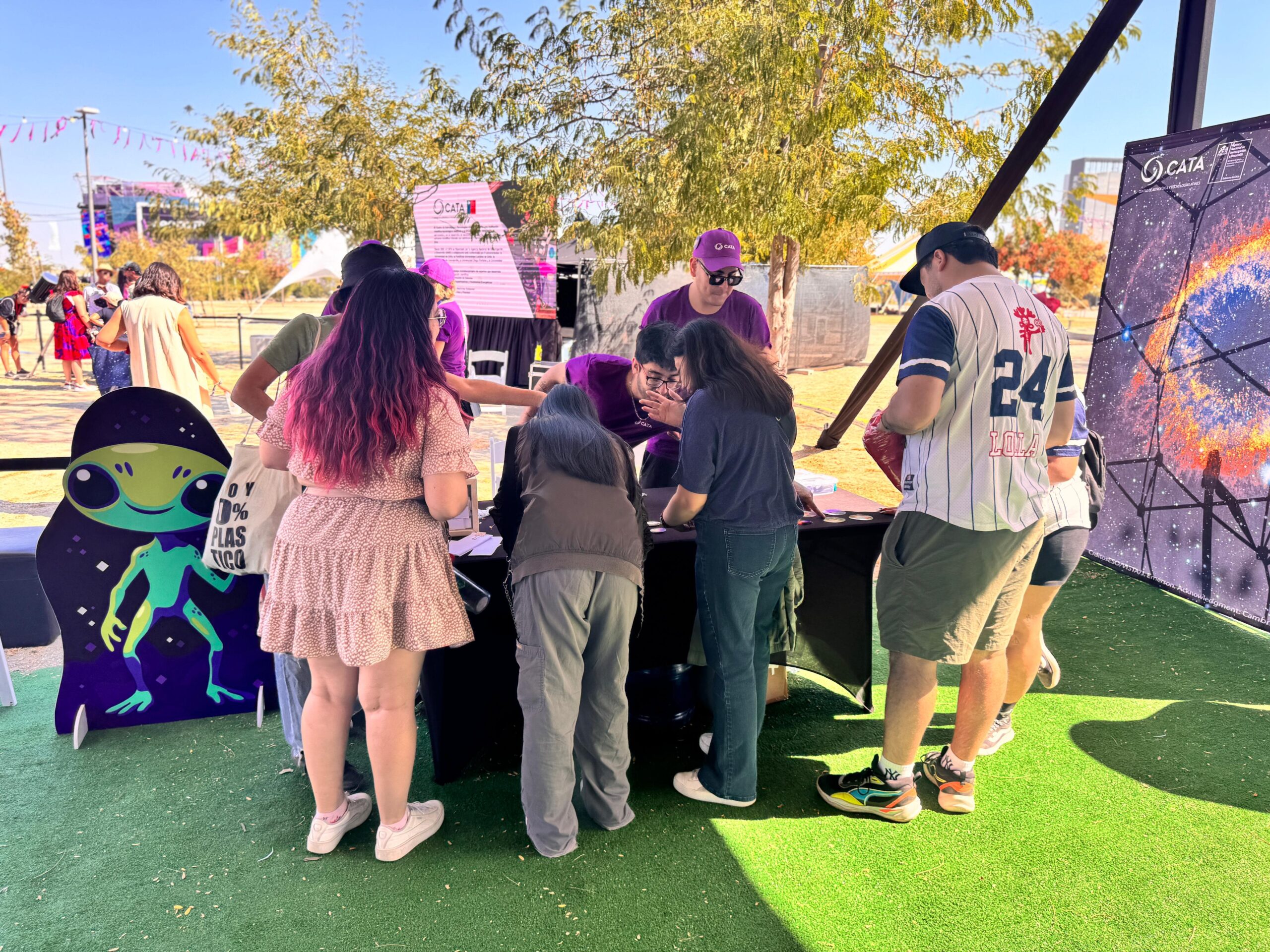 Publicado el: 09/03/2026Astronomy will be part of Kidzapalooza 2026
 -
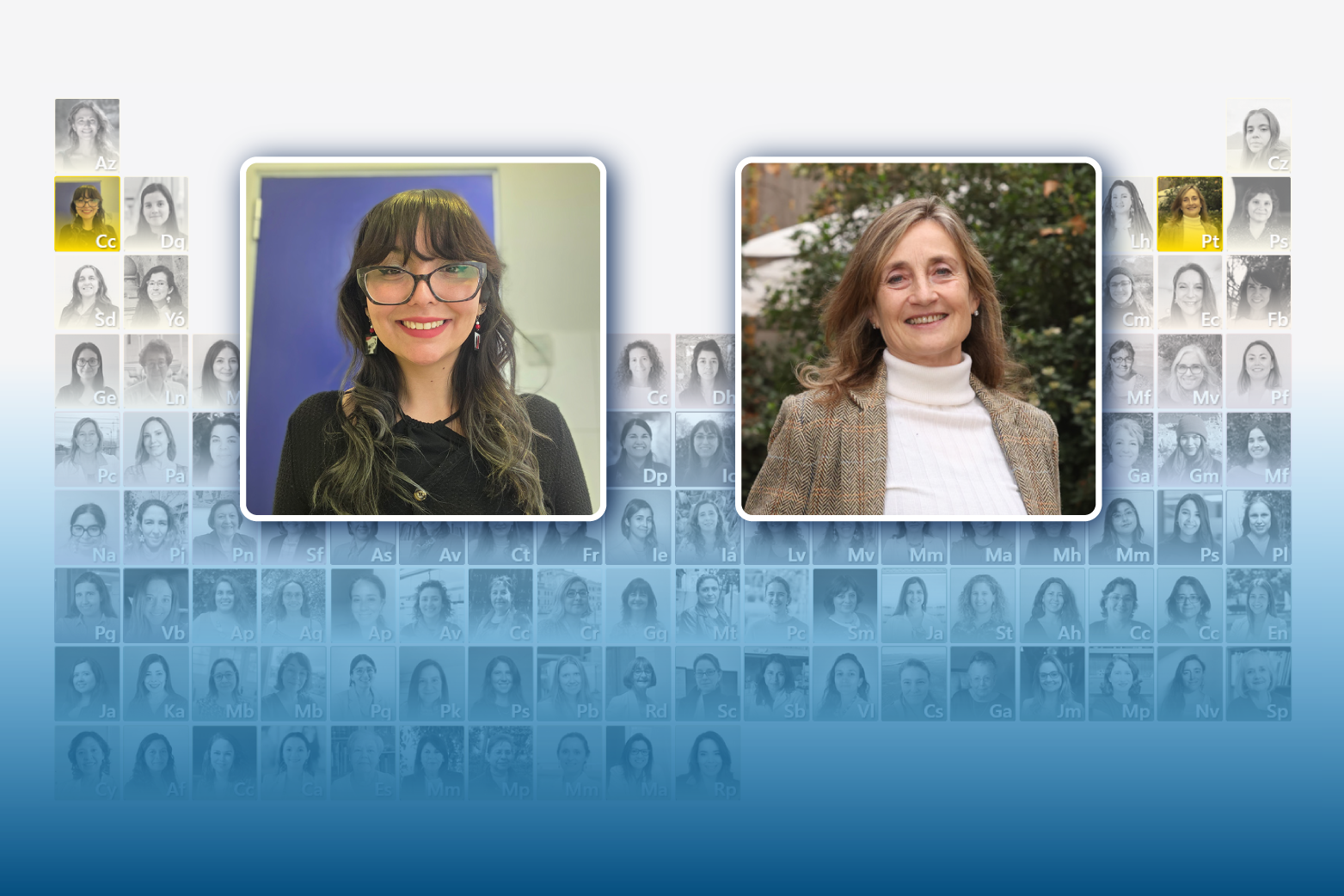 Publicado el: 17/02/2026The National Congress Library highlights CATA researchers in its second edition of Chilean Women Scientists
 -
 Publicado el: 11/02/2026Science with a woman’s face: gaps, vocations, and pending challenges
 -
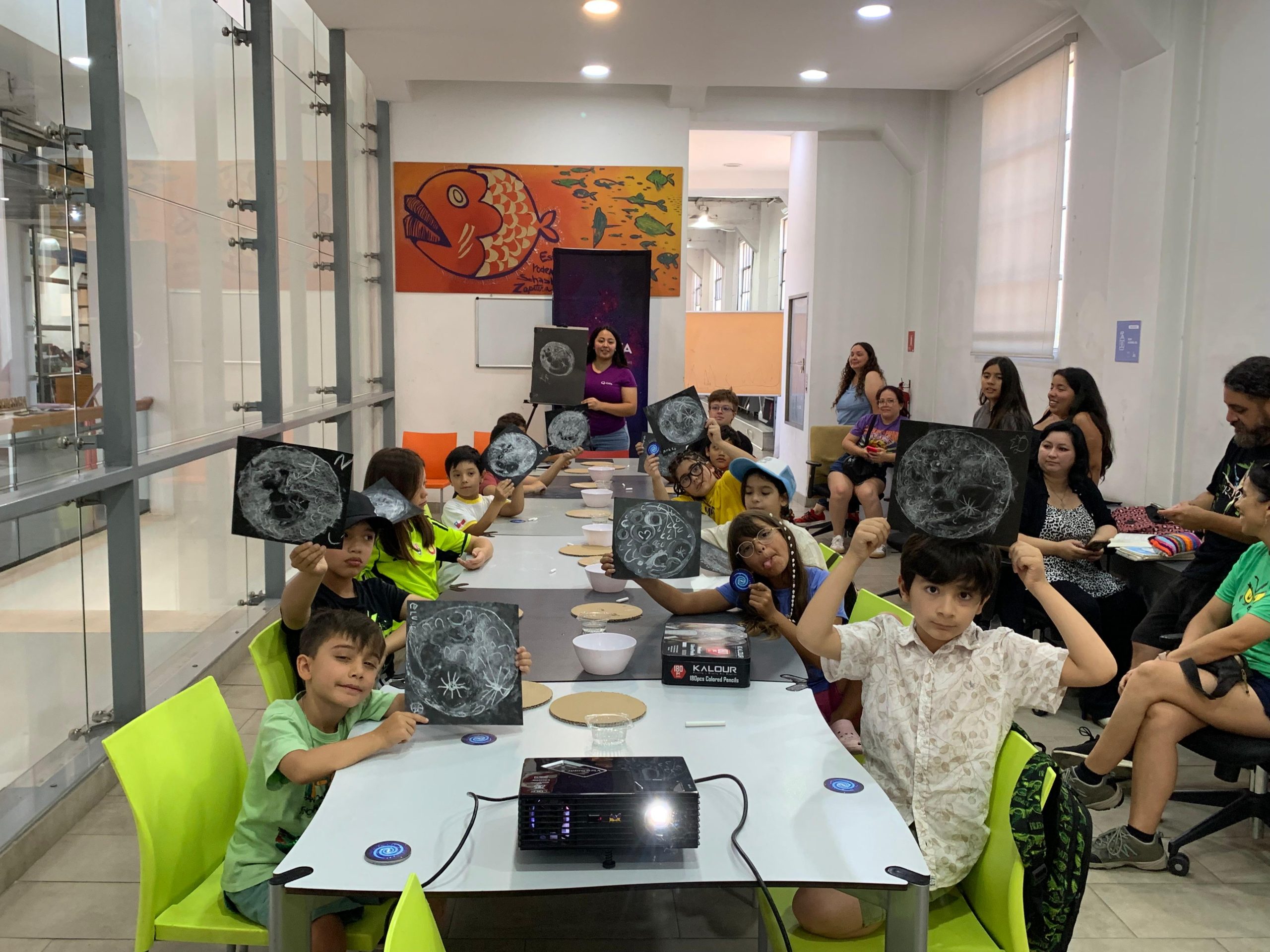 Publicado el: 09/02/2026Astronomy Day was held at the Santiago Library
 -
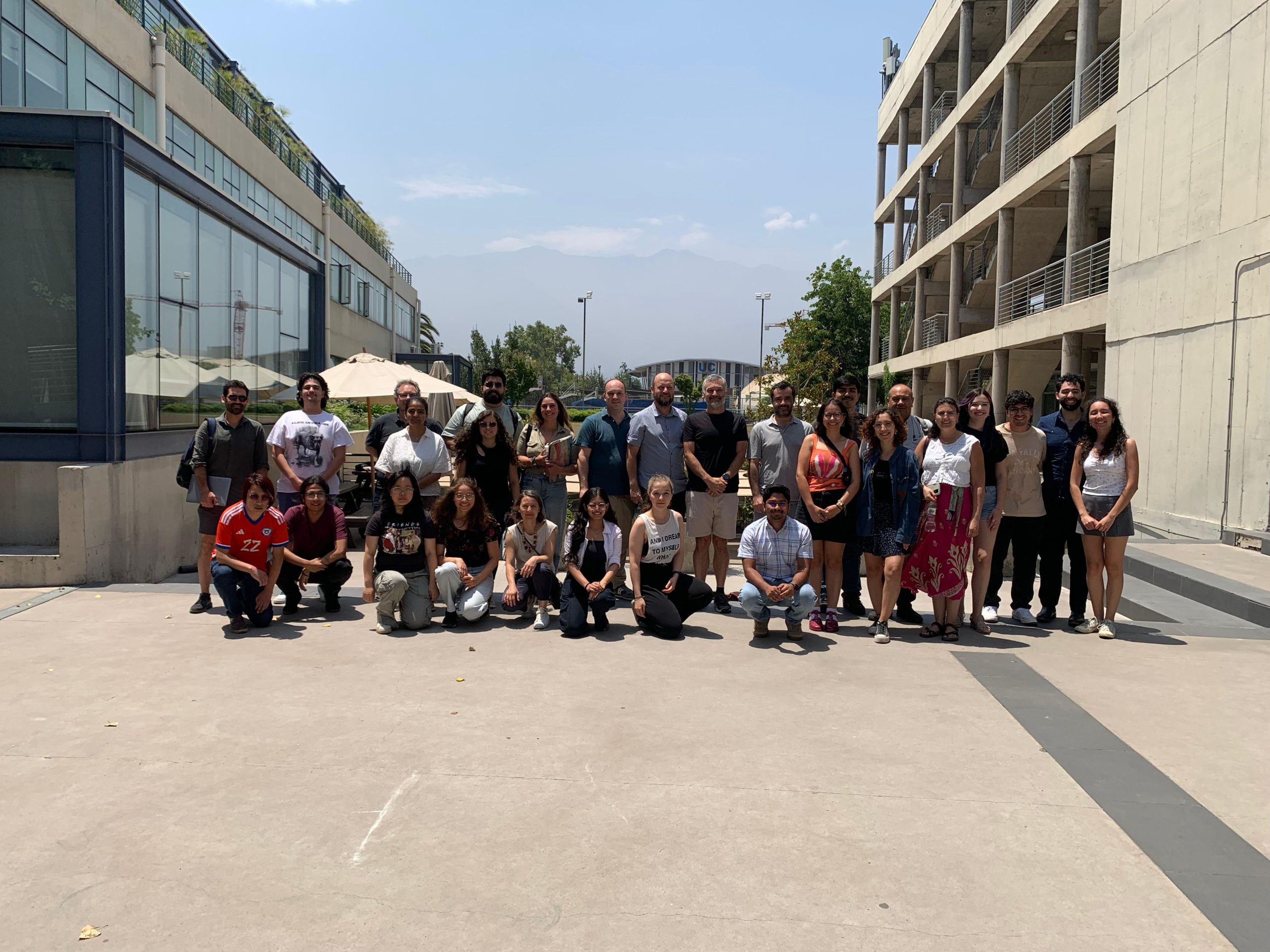 Publicado el: 30/01/2026Looking ahead to the next five years: Galaxies Area meets to share progress and strengthen research
Categories list
- Acknowledgments 24
- Astrobiology 8
- AstroCluster 1
- Black holes 19
- Corporativo 62
- Cosmology 5
- Descubrimientos 25
- Disclosure 79
- Exoplanets 15
- Extension 7
- Galaxies 23
- Galaxies formation 7
- Inter y Transdisciplina 4
- Local Universe 17
- Publications 7
- Sin categorizar 36
- Solar System 24
- Stellar formation 8
- Technology 18
- Technology Transfer 20