Teletón patients were introduced to astronomy through CATA workshops
The Center organized two astronomy activities as part of the Teletón summer program.
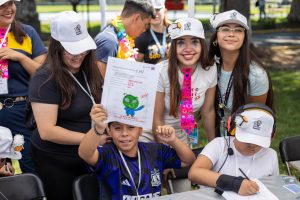
The Center for Astrophysics and Associated Technologies – CATA (ANID Basal Center) participated in a new version of the Verano Teletón program, an initiative that offers inclusive vacations to children with disabilities from different Teletón institutes across the country.
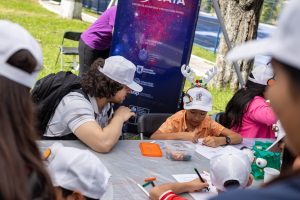
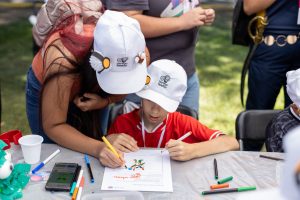
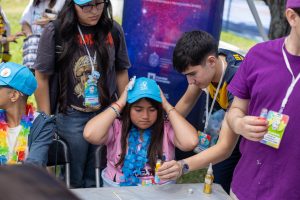
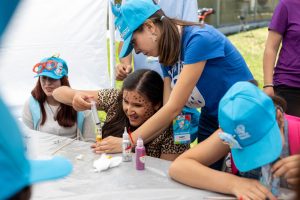
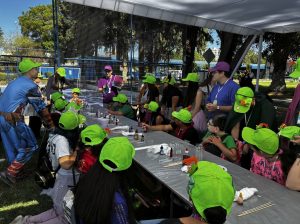
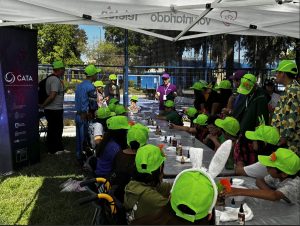
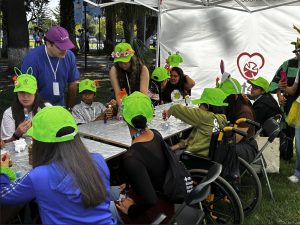
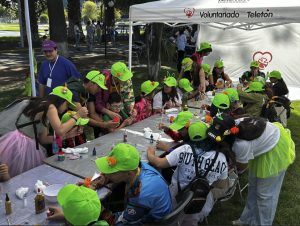
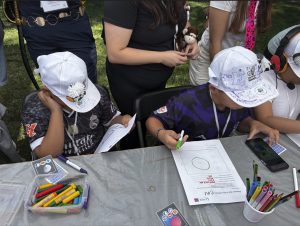
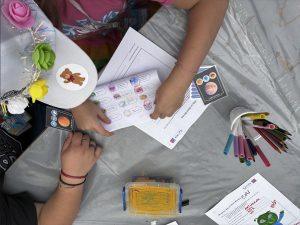
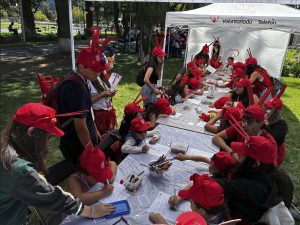
The activity, held at the Police Research School (PDI School), was part of a series of rotating workshops within the program, aimed at recreation, strengthening teamwork, and developing social skills. On this occasion, CATA held two astronomy workshops, where children were able to explore astronomical concepts up close, stimulating creativity and curiosity about the universe from a playful and inclusive perspective.
One of the workshops was “Create your own nebula!”, in which participants created an artistic replica of a nebula in a glass jar, inspired by real images of these objects in the universe. The activity allowed them to recognize that there are different types of nebulae and learn to differentiate them based on their colors.
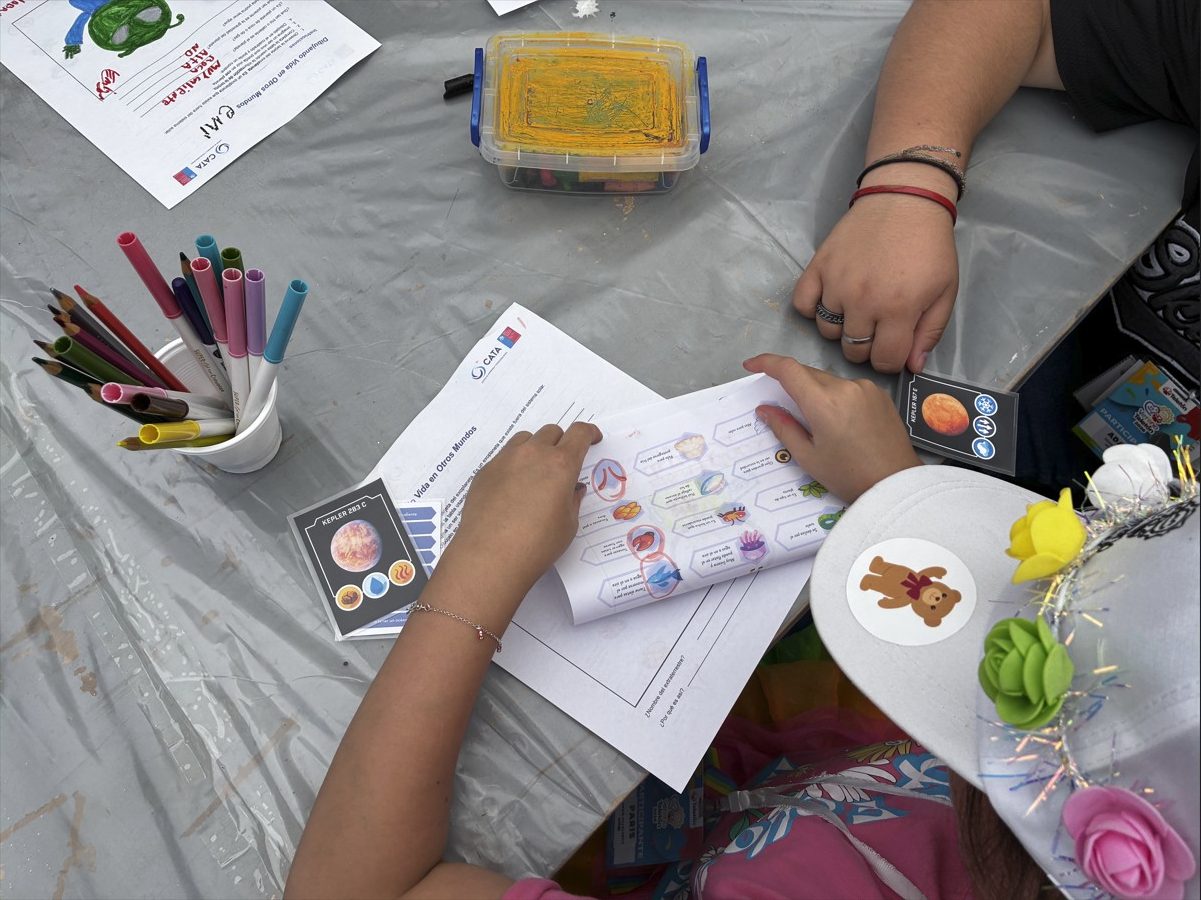
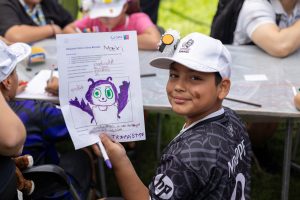
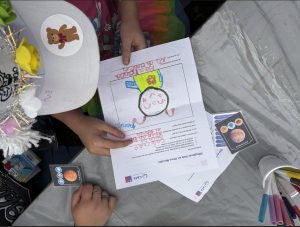
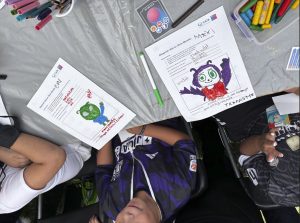
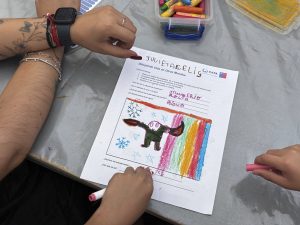
The second workshop, “Draw Your Alien,” invited children to imagine life forms that could inhabit some of the more than 6,000 exoplanets discovered so far. In this activity, each child received a card with information about an exoplanet and its properties, which served to reflect on the diversity of planets outside the Solar System and the conditions necessary for life or adaptation in different environments, resulting in a variety of creative sketches made by the participants themselves.
In this instance, José Utreras, CATA’s Content and Outreach Coordinator, pointed out that participating in this type of initiative “reflects the Center’s mission to bring astronomy and scientific knowledge to diverse audiences, using science as a tool for inclusion, creativity, and learning.”
CATA’s presence at Verano Teletón 2026 is part of its work in scientific outreach, through the development of educational activities that link astronomy with creativity and learning, helping to create spaces for science and the community to come together in different social contexts.
Outstanding news
Recent news
-
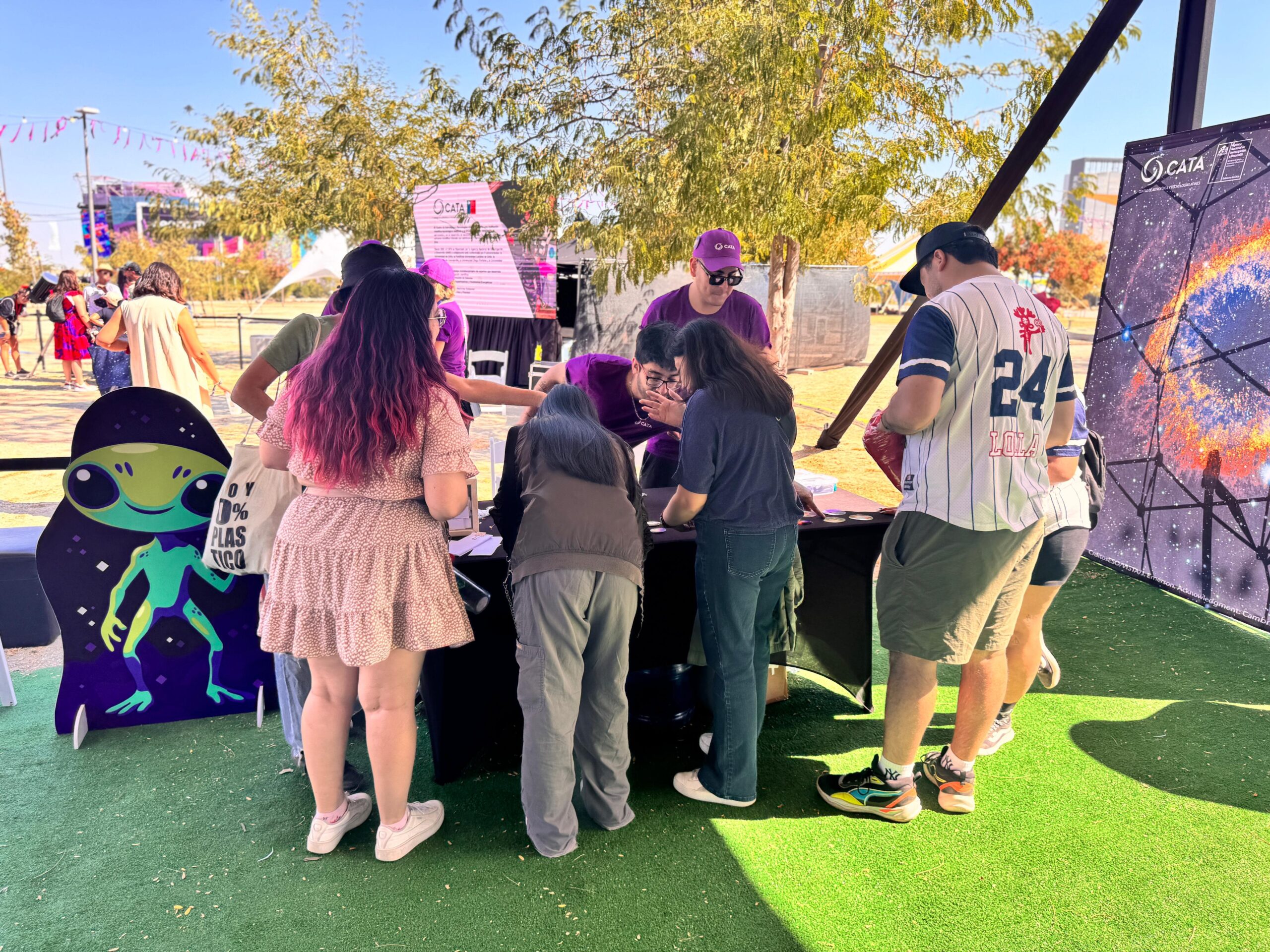 Publicado el: 09/03/2026Astronomy will be part of Kidzapalooza 2026
 -
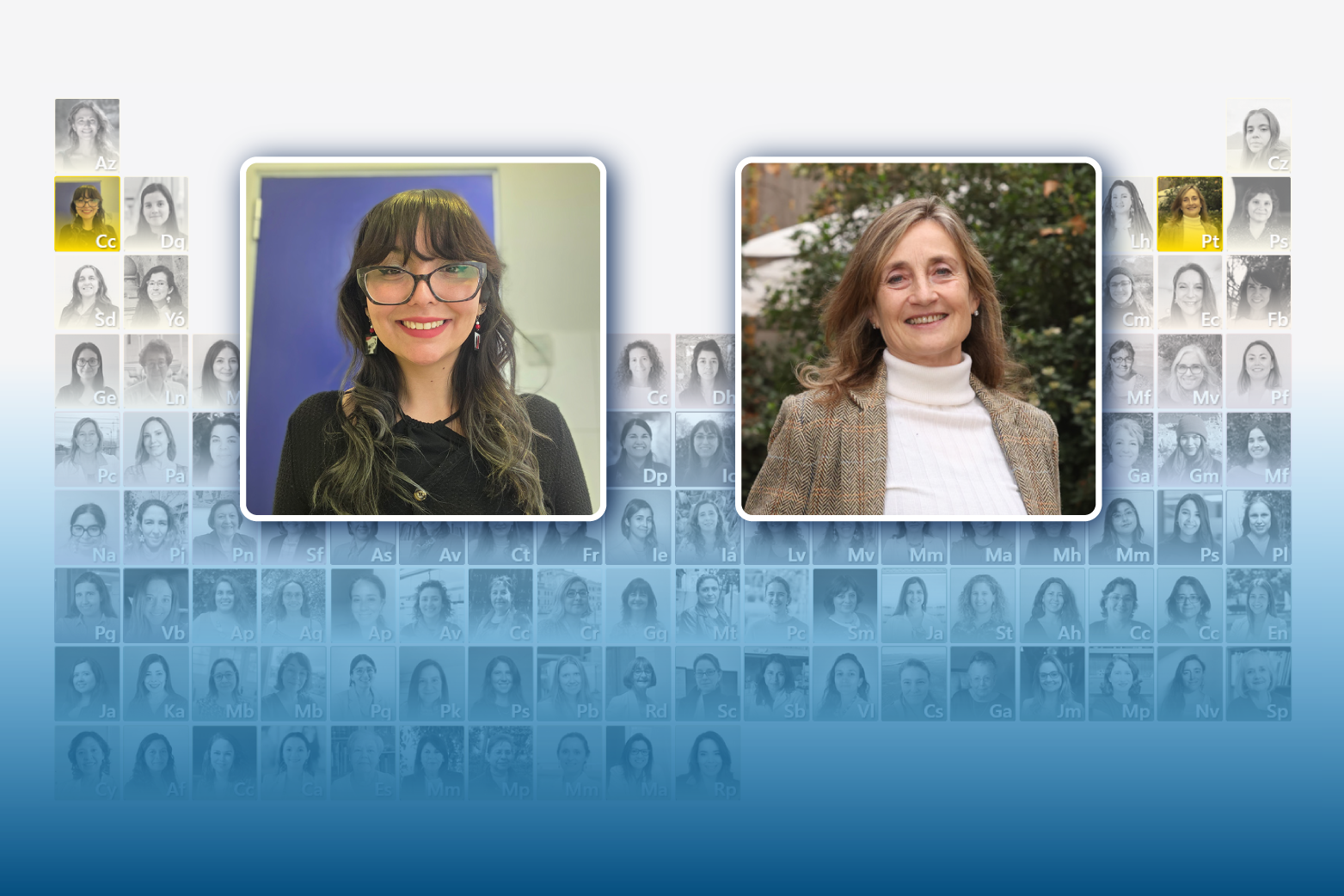 Publicado el: 17/02/2026The National Congress Library highlights CATA researchers in its second edition of Chilean Women Scientists
 -
 Publicado el: 11/02/2026Science with a woman’s face: gaps, vocations, and pending challenges
 -
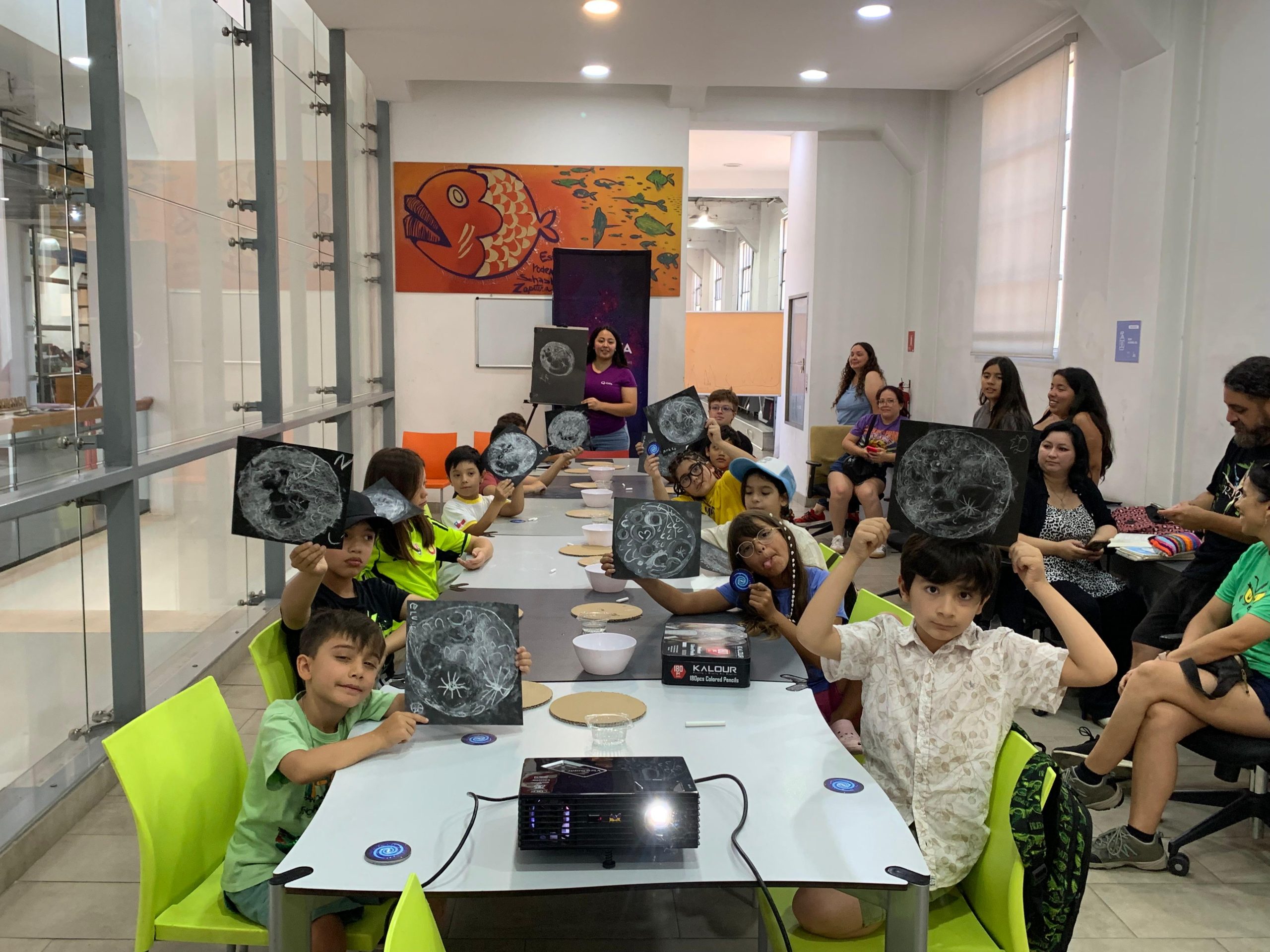 Publicado el: 09/02/2026Astronomy Day was held at the Santiago Library
 -
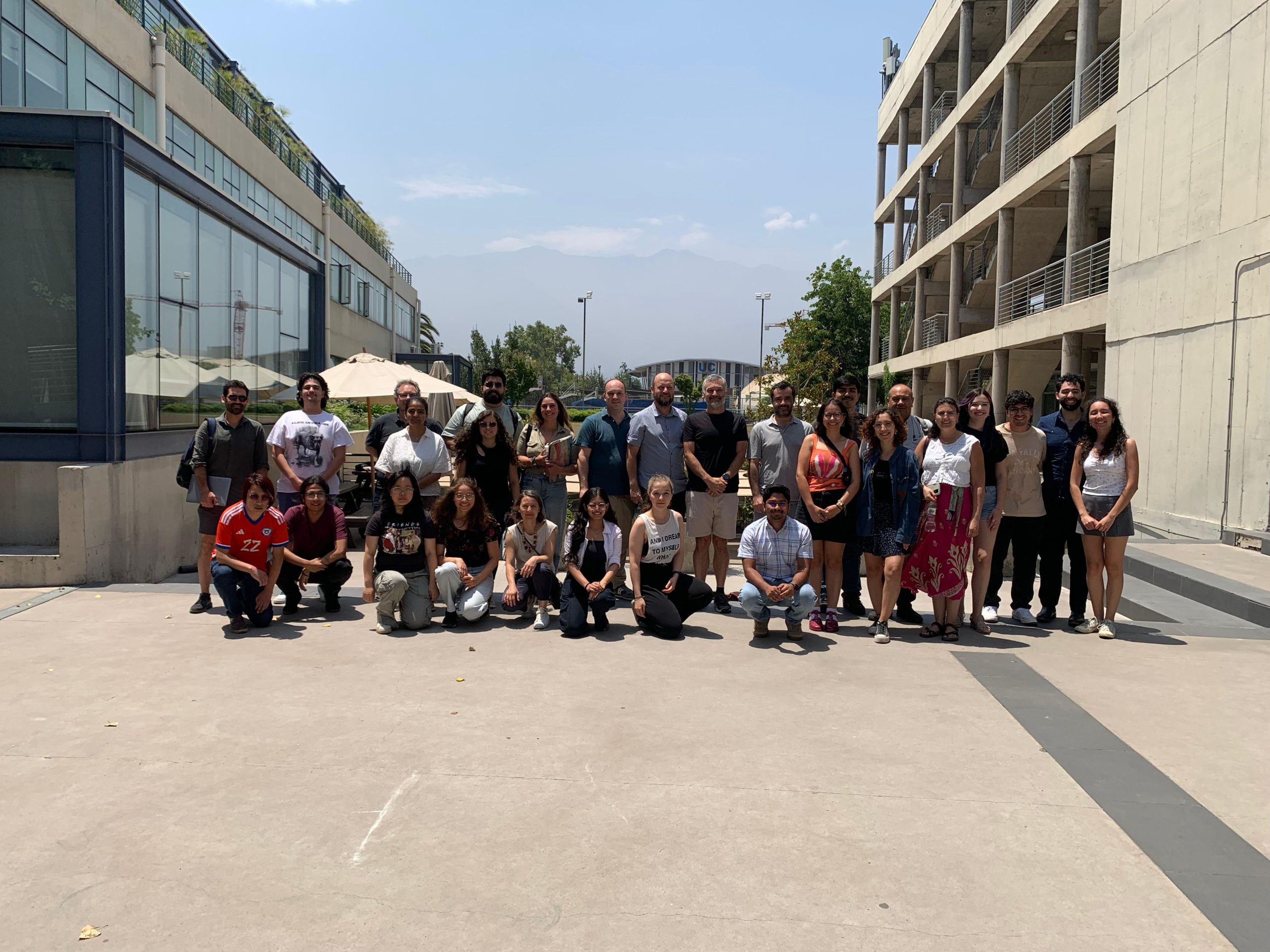 Publicado el: 30/01/2026Looking ahead to the next five years: Galaxies Area meets to share progress and strengthen research
Categories list
- Acknowledgments 24
- Astrobiology 8
- AstroCluster 1
- Black holes 19
- Corporativo 62
- Cosmology 5
- Descubrimientos 25
- Disclosure 79
- Exoplanets 15
- Extension 7
- Galaxies 23
- Galaxies formation 7
- Inter y Transdisciplina 4
- Local Universe 17
- Publications 7
- Sin categorizar 36
- Solar System 24
- Stellar formation 8
- Technology 18
- Technology Transfer 20