Astronomy-based technology was on display at the Army’s DIVTEL fair
The Center for Astrophysics and Associated Technologies showcased its capabilities in technology transfer in a forum that brought together science, communications, and the nation’s security needs.
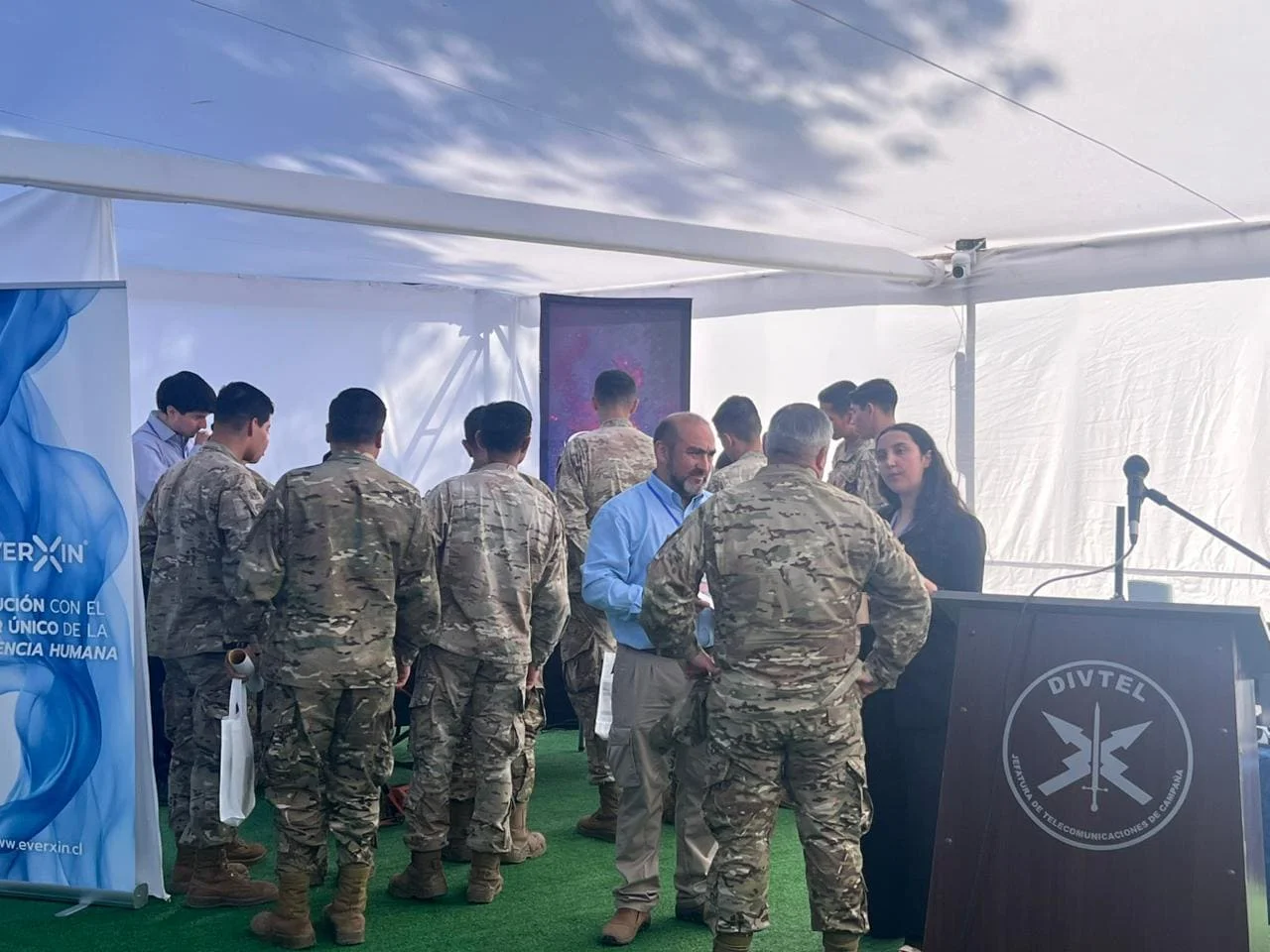
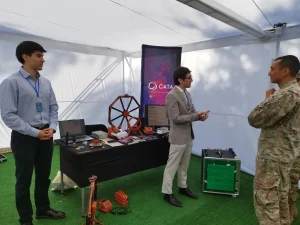
As part of the Technology Fair, organized by the Army’s Telecommunications Division (DIVTEL), the Center for Astrophysics and Associated Technologies (CATA) participated as an exhibitor, showcasing some of its technological developments and capabilities in applied astronomy.
CATA’s participation is also part of the National Research and Development Agency’s (ANID) involvement through the centers and projects it supports. The meeting was aimed at strengthening the link between scientific capabilities and defense-related challenges, creating opportunities for exchange and practical application.
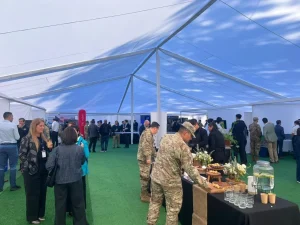
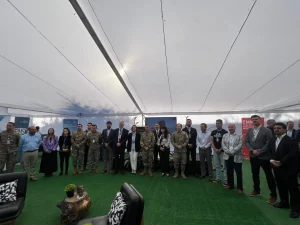
The event held at the Military Field in Peñalolén brought together various institutions, which presented their proposals and technological demonstrations, while also providing an opportunity for networking.
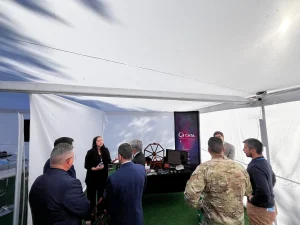
CATA’s Technology Transfer team showcased the Center’s capabilities in developing highly complex engineering solutions rooted in astronomical research. Participants in the event included Claudia San Martín, Innovation Leader; Franco Curotto, Senior Engineer; and Jaime Mardones, Technology Transfer Analyst.
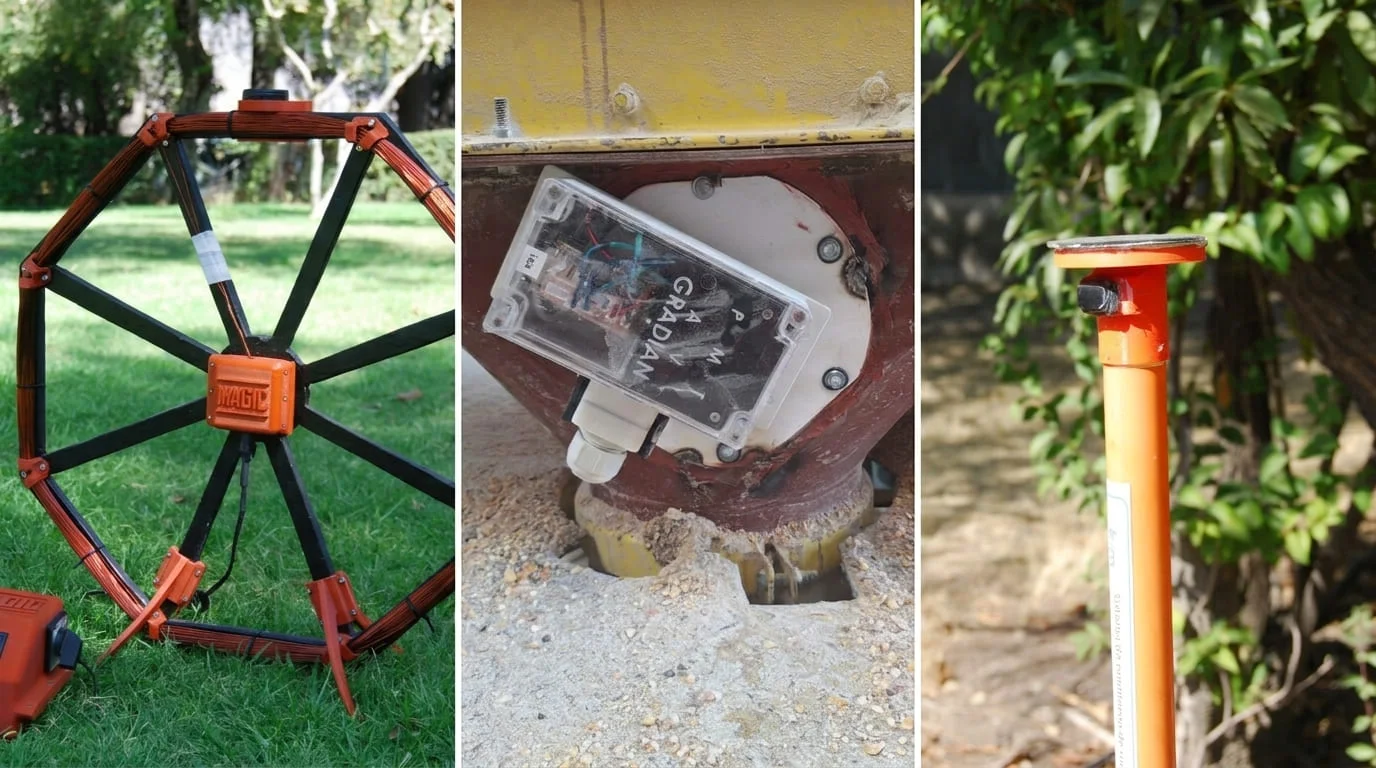
The exhibition highlighted numerous developments that demonstrate technical potential for telecommunications, such as Radiovisión, a system that uses an array of antennas to detect and locate electromagnetic signals—such as those from cell phones—with high precision, enabling the detection of transmitters even through walls and buildings in complex environments, and MAGIC, a bidirectional underground wireless communication system based on magnetic induction, which allows messages to be sent through hundreds of meters of earth and solid material without the need for Wi-Fi or GPS.
In addition, the booth featured a demonstration of the CATA-Teletón program, which aims to support therapeutic rehabilitation processes for patients by creating stars and planets using virtual reality (VR) headsets; this program can be adapted to meet different needs.
“At CATA, we promote technology transfer as a bridge between astronomical research and the needs of the local community, bringing together capabilities that enable the development of innovative solutions for various sectors. These kinds of developments not only demonstrate the potential of applied science, but can also help strengthen the country’s technical autonomy,” explained Claudia San Martín.
This initiative helped establish CATA as an innovation hub capable of providing high-precision hardware and software solutions for industrial use, demonstrating the scope of these technologies across various sectors of society.
Outstanding news
Recent news
-
 Publicado el: 09/10/2026From studying the universe to solving industry challenges: CATA’s technology transfer model in Nature Astronomy
 -
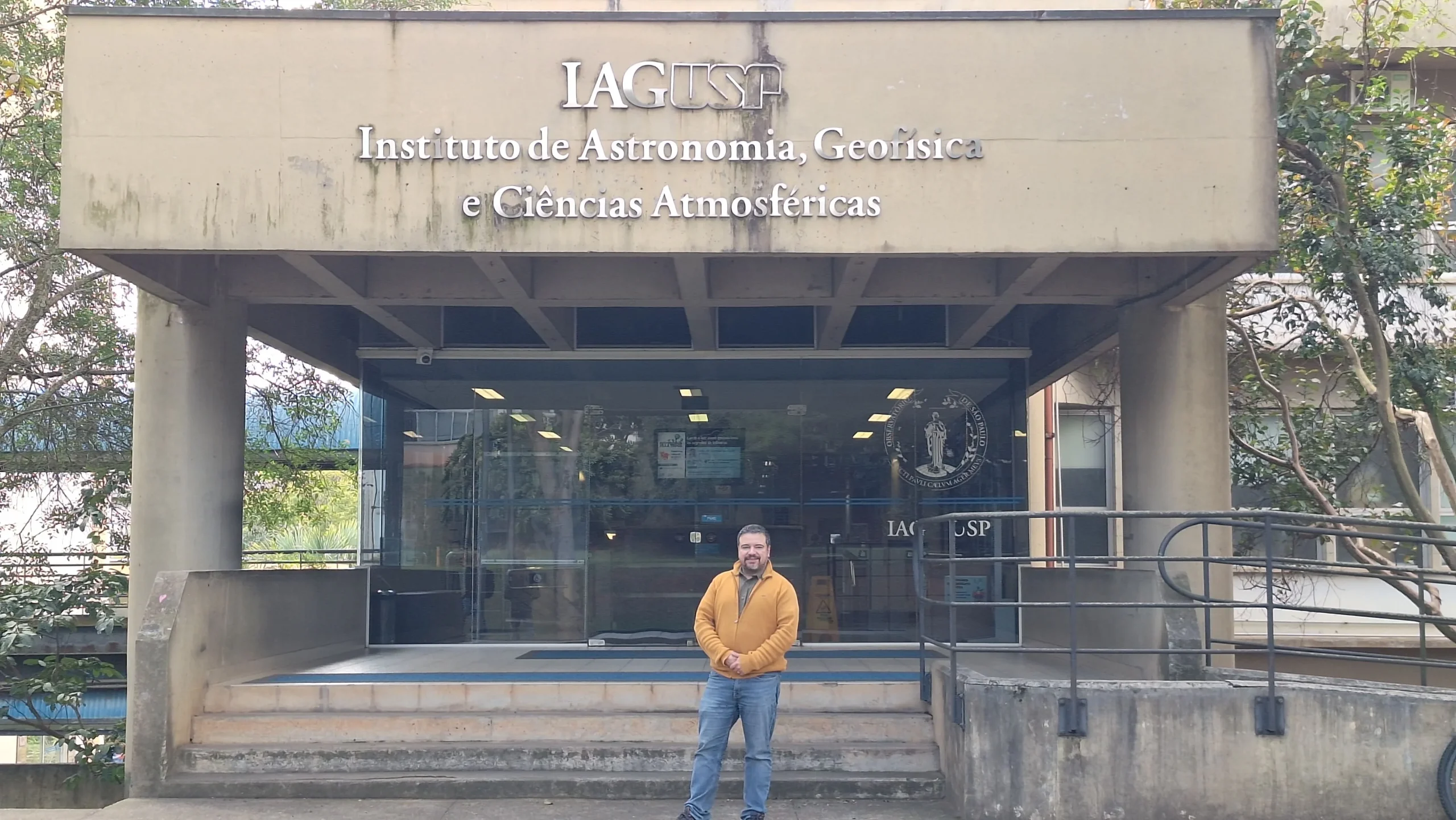 Publicado el: 01/10/2026CATA Associate Researcher concludes research stay at the University of São Paulo thanks to a Brazilian fellowship
 -
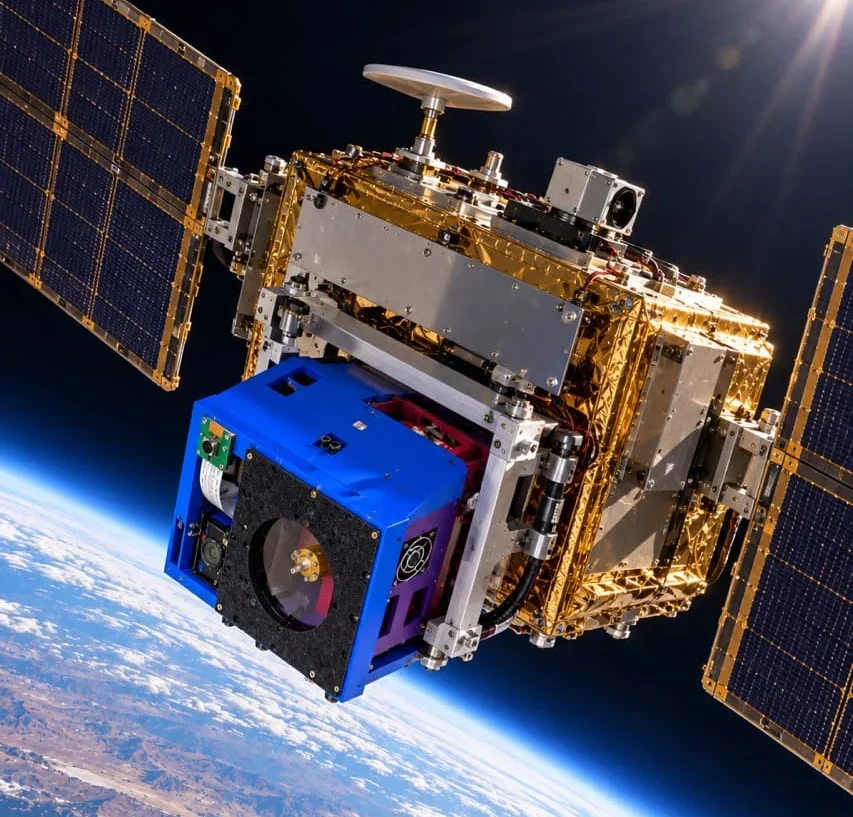 Publicado el: 29/09/2026Chilean technology aims to improve the accuracy of telescopes studying the origin of the Universe
 -
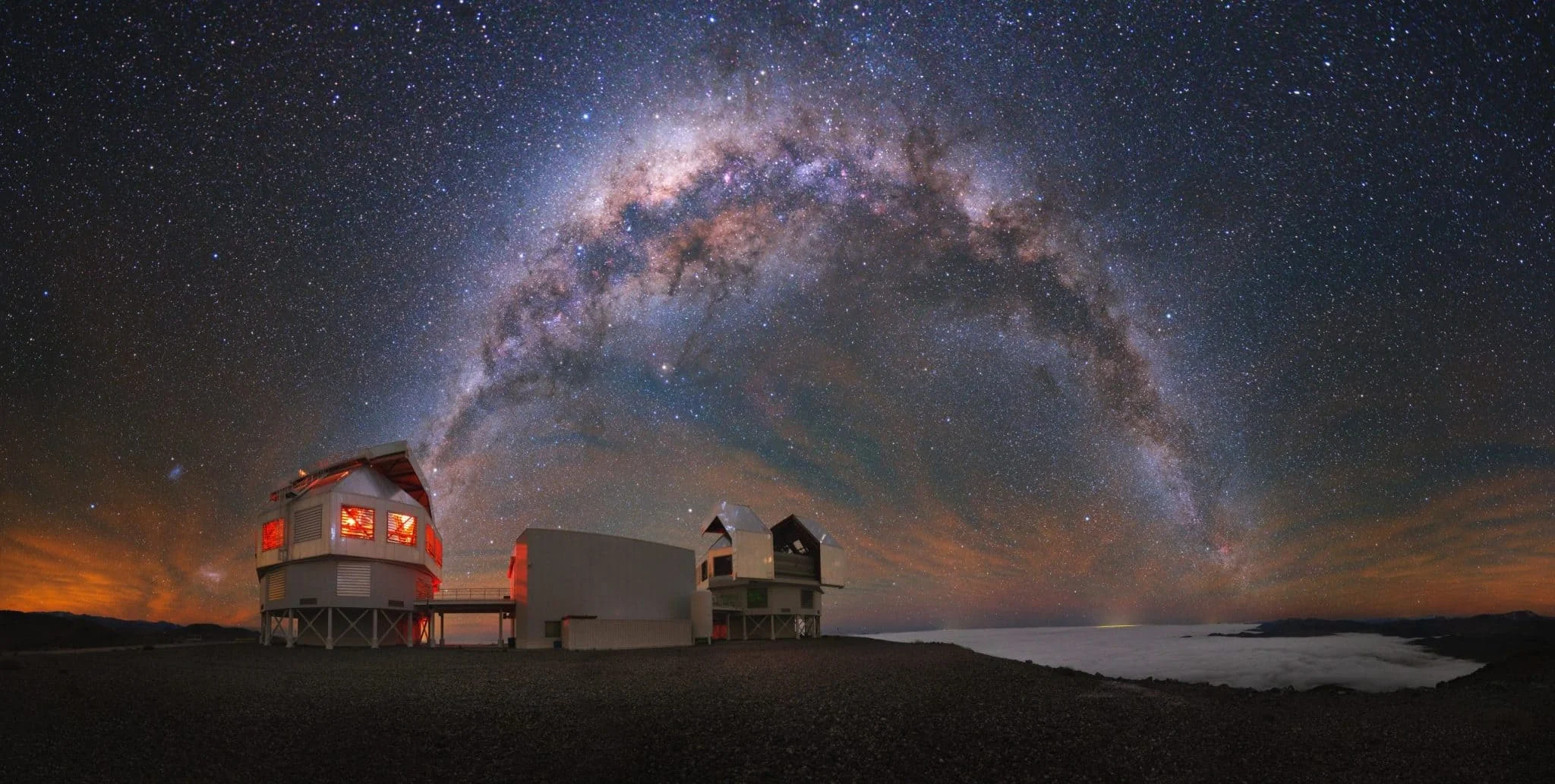 Publicado el: 25/09/2026CATA Associate Researcher named Director of the Las Campanas Observatory
 -
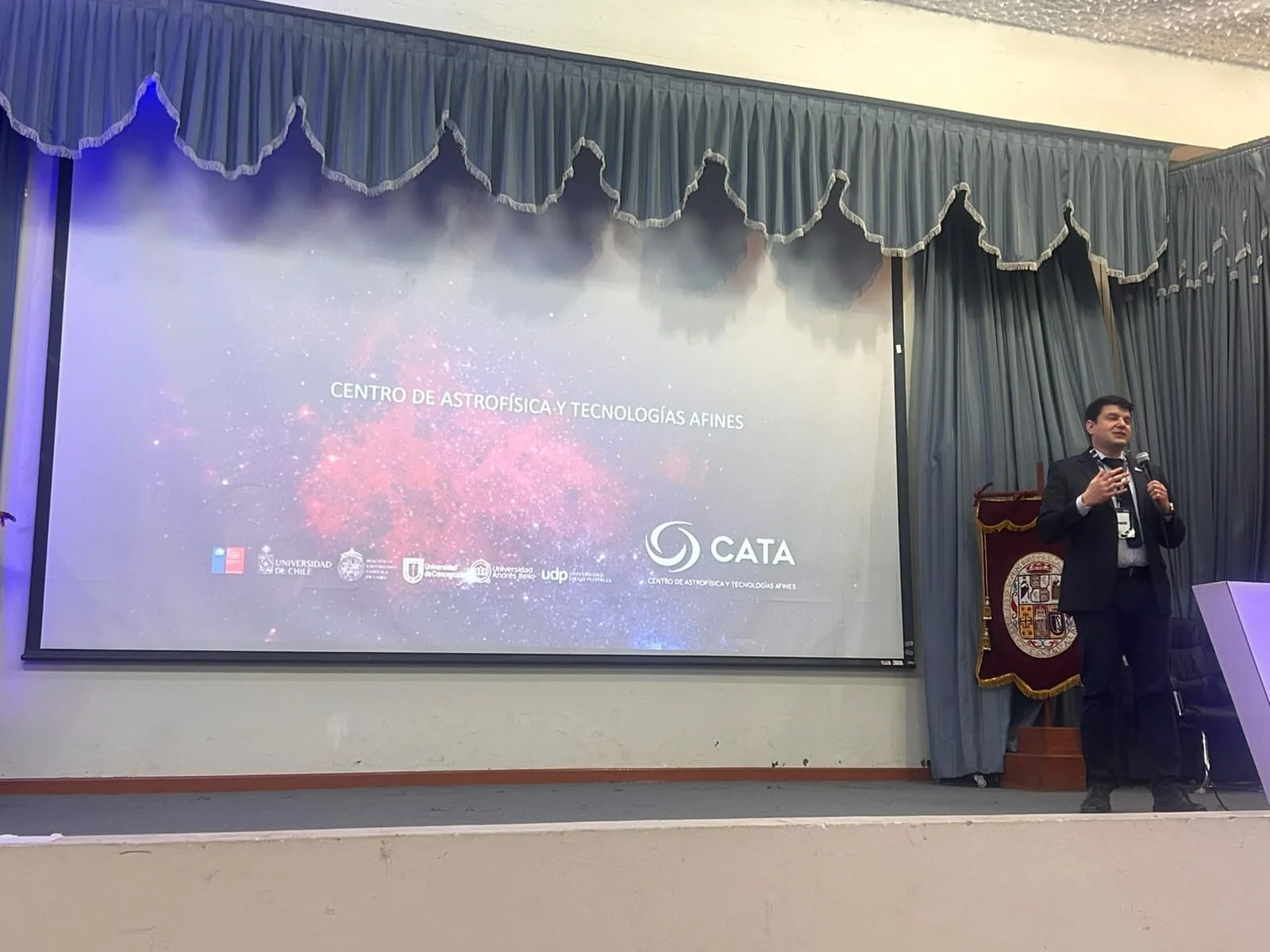 Publicado el: 23/09/2026CATA’s General Manager presented the Center’s technology transfer model at an international meeting in Peru
Categories list
- Acknowledgments 29
- Astrobiology 12
- AstroCluster 1
- Black holes 21
- Corporativo 73
- Cosmology 10
- Descubrimientos 28
- Disclosure 91
- Exoplanets 18
- Extension 14
- Galaxies 28
- Galaxies formation 10
- Inter y Transdisciplina 5
- Local Universe 22
- Publications 9
- Sin categorizar 34
- Solar System 30
- Stellar formation 12
- Technology 33
- Technology Transfer 34