Chile hosted the ISSTT 2026 for the first time
With CATA serving as a sponsor and its researchers participating on the organizing committee, the event brought together specialists from around the world in cutting-edge astronomical instrumentation in Santiago.
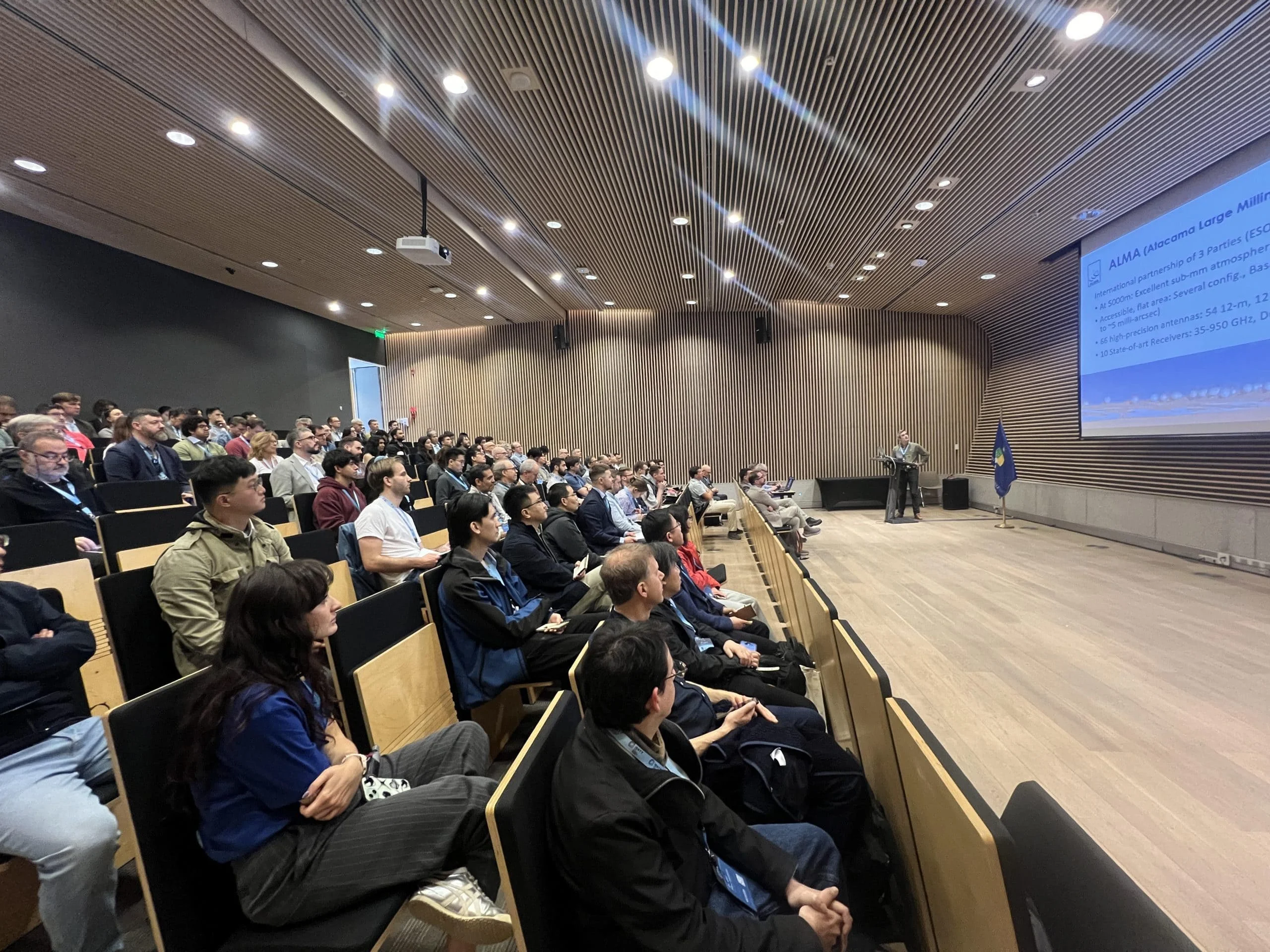
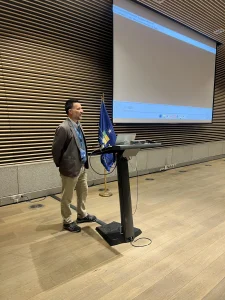
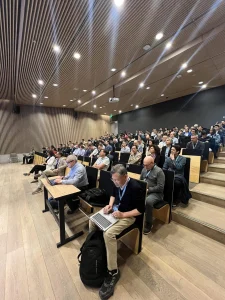
For the first time in its more than three-decade history, the International Symposium on Space Terahertz Technology (ISSTT) was held in the Southern Hemisphere, with Chile serving as the host country. The 2026 edition of the event—considered the leading global forum on terahertz technologies for space applications—brought together nearly 130 specialists from around the world in Santiago, establishing the country as a key player not only in astronomical observation but also in the development of cutting-edge scientific instrumentation.
In this edition, the Center for Astrophysics and Associated Technologies – CATA (ANID Basal Center) participated as an official sponsor, supporting an international networking event focused on cutting-edge research with applications in astrophysics, planetary sciences, and remote sensing. In addition, associated researchers with the Center played an active role in organizing the event, with Ricardo Finger (U. de Chile) serving as head of the local organizing committee and Rodrigo Reeves (UdeC), Walter Max-Moerbeck (U. de Chile), and Rolando Dünner (UC) serving as members.
The symposium, held at the Universidad de Chile, addressed advances in terahertz technology, which are key to the development of sensors and detectors for space applications, enabling research ranging from the formation of solar systems to the composition of planetary atmospheres. The event also served to promote the technological advances being made at the local level.
The event also fostered collaboration among universities and research institutes worldwide, creating opportunities for exchange that promote the development of new scientific collaboration initiatives, as well as training opportunities for students and young researchers.
The establishment of the ISSTT in Chile is the result of an ongoing effort to strengthen the country’s scientific and technological capabilities, particularly in the field of astronomical instrumentation. In this context, CATA Research Associate, Director of the Millimeter and Submillimeter Wave Laboratory (MWL), and professor at the Universidad de Chile, Ricardo Finger, emphasized that this milestone “reflects both the accumulated work at the national level and the consolidation of international collaboration networks that have positioned the country as a reliable partner in the development of technology for astronomy.”
In terms of its outcomes, the conference was viewed positively both for its attendance and its scientific caliber, with participation on par with that of previous editions held in Europe. For Finger, this outcome “confirms international recognition of local capabilities and positions Chile as an attractive hub for hosting this type of event.”
For CATA, its participation in this symposium reinforces the Center’s role as a leader in the development of advanced instrumentation in Chile. In this regard, Finger emphasized that “the development of cutting-edge instrumentation is a fundamental pillar for driving innovation,” highlighting the importance of strengthening this area as a driver of new technological applications.
Hosting ISSTT 2026 in Chile not only marks a milestone in the history of the conference, but also positions Chile as a favorable environment for the advancement of science and technology, capable of combining cutting-edge research, international cooperation, and local expertise in astronomical instrumentation.
Outstanding news
Recent news
-
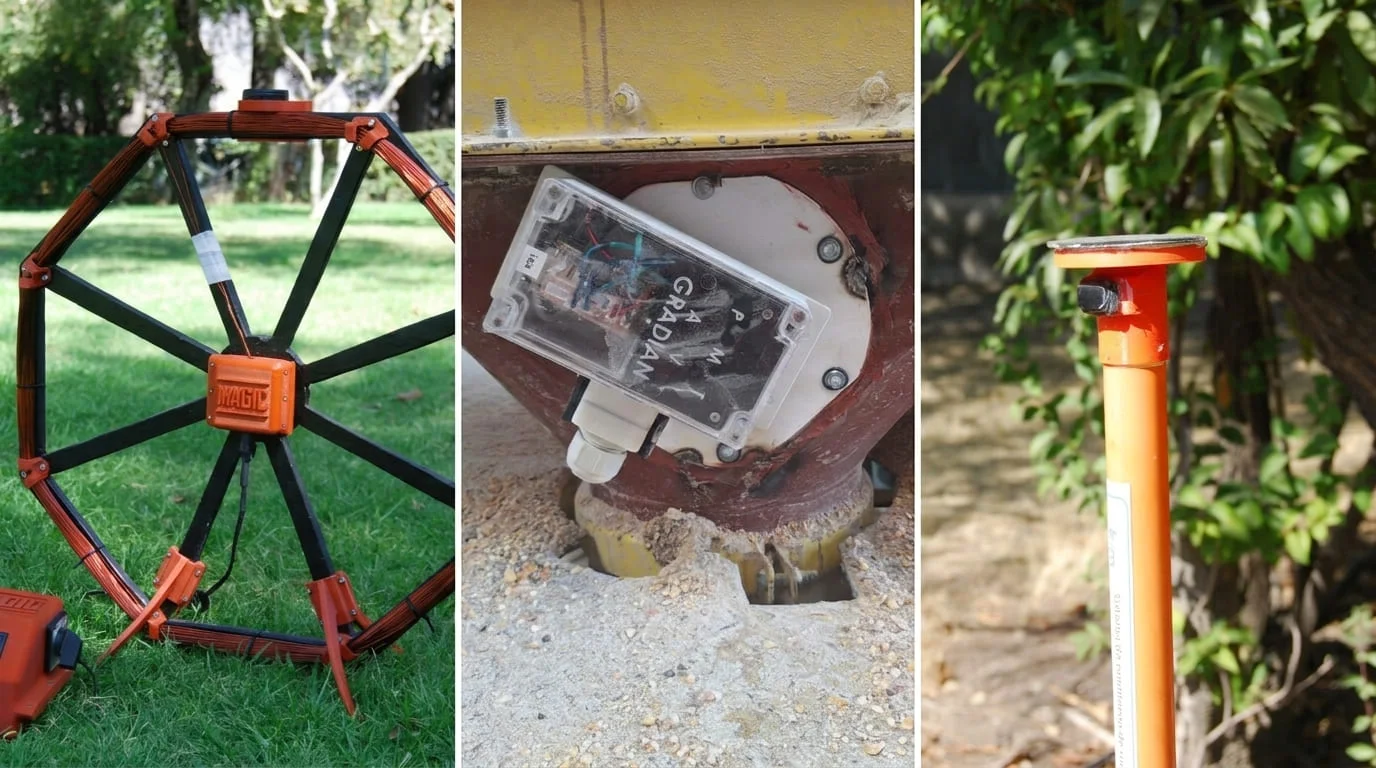 Publicado el: 09/10/2026From studying the universe to solving industry challenges: CATA’s technology transfer model in Nature Astronomy
 -
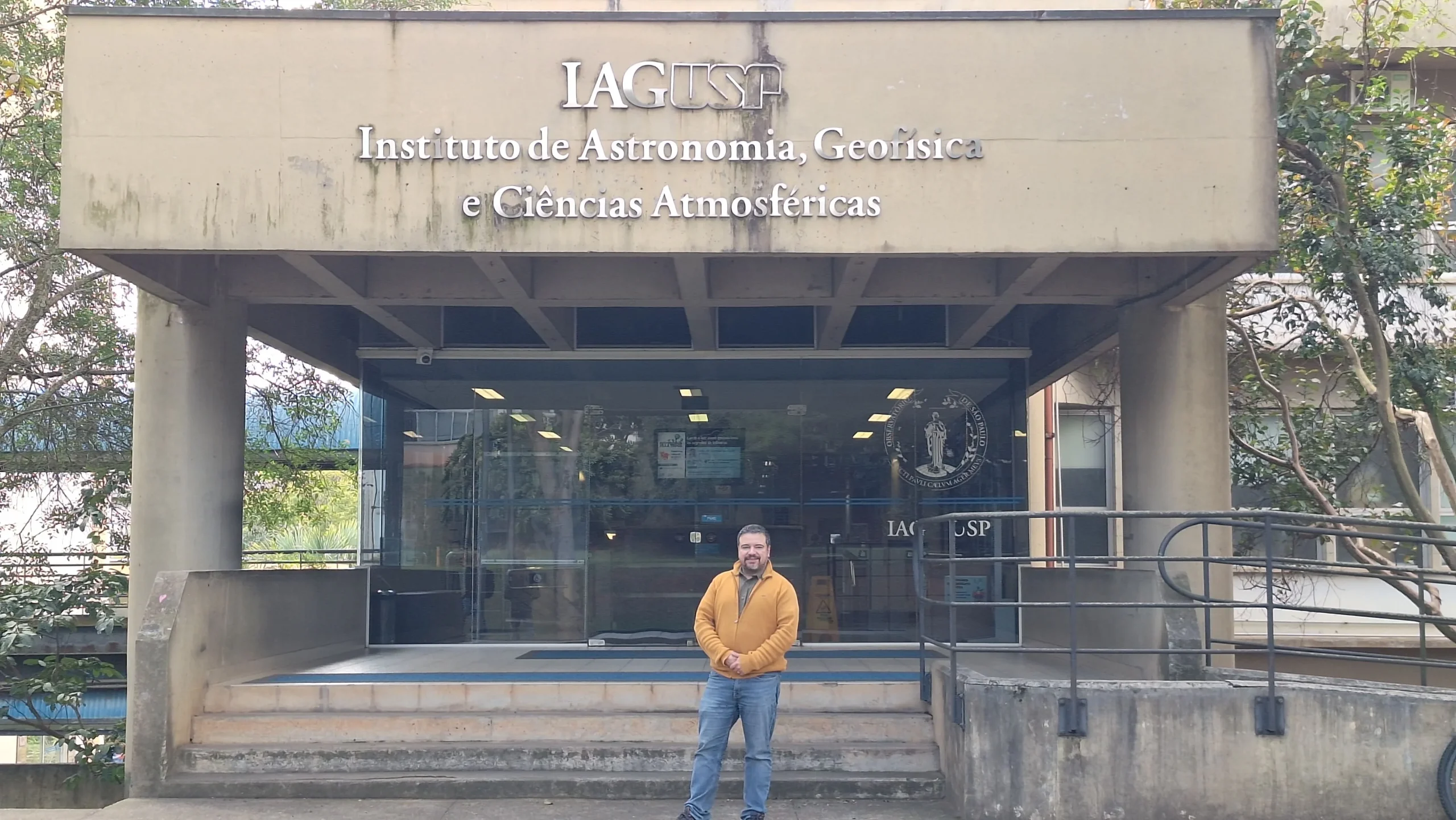 Publicado el: 01/10/2026CATA Associate Researcher concludes research stay at the University of São Paulo thanks to a Brazilian fellowship
 -
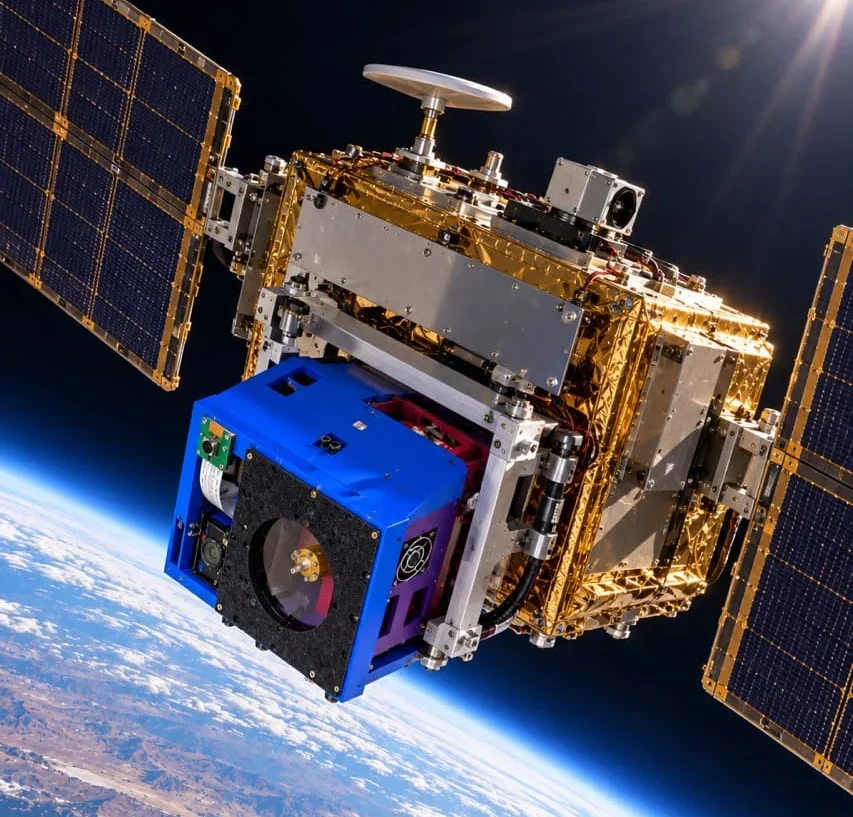 Publicado el: 29/09/2026Chilean technology aims to improve the accuracy of telescopes studying the origin of the Universe
 -
 Publicado el: 25/09/2026CATA Associate Researcher named Director of the Las Campanas Observatory
 -
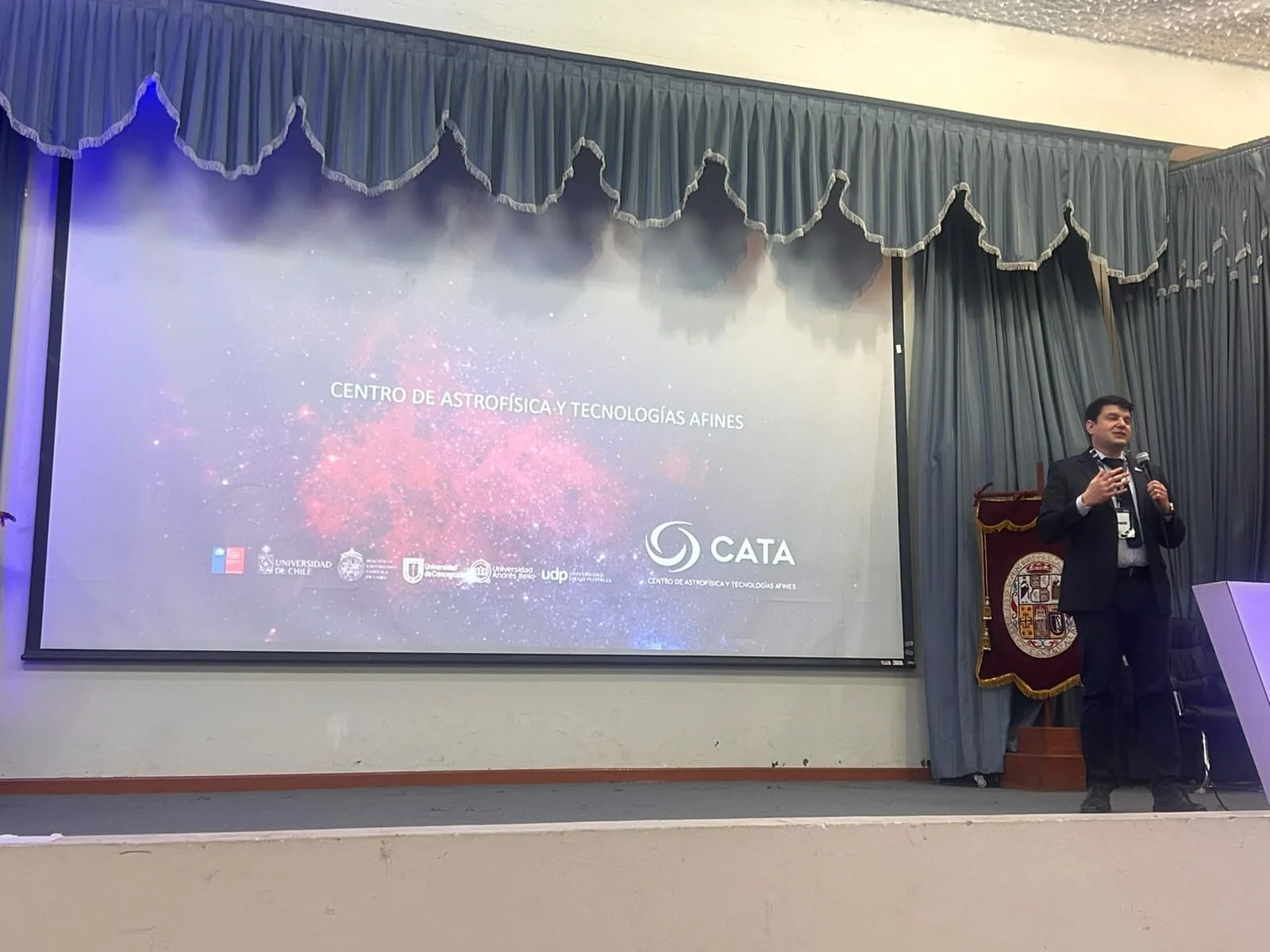 Publicado el: 23/09/2026CATA’s General Manager presented the Center’s technology transfer model at an international meeting in Peru
Categories list
- Acknowledgments 29
- Astrobiology 12
- AstroCluster 1
- Black holes 21
- Corporativo 73
- Cosmology 10
- Descubrimientos 28
- Disclosure 91
- Exoplanets 18
- Extension 14
- Galaxies 28
- Galaxies formation 10
- Inter y Transdisciplina 5
- Local Universe 22
- Publications 9
- Sin categorizar 34
- Solar System 30
- Stellar formation 12
- Technology 33
- Technology Transfer 34