Researcher from CATA and ULS participates in a meeting with the Max Planck Society
The event brought together leaders from partner organizations in Chile and aimed to explore new opportunities for collaboration with this institution.
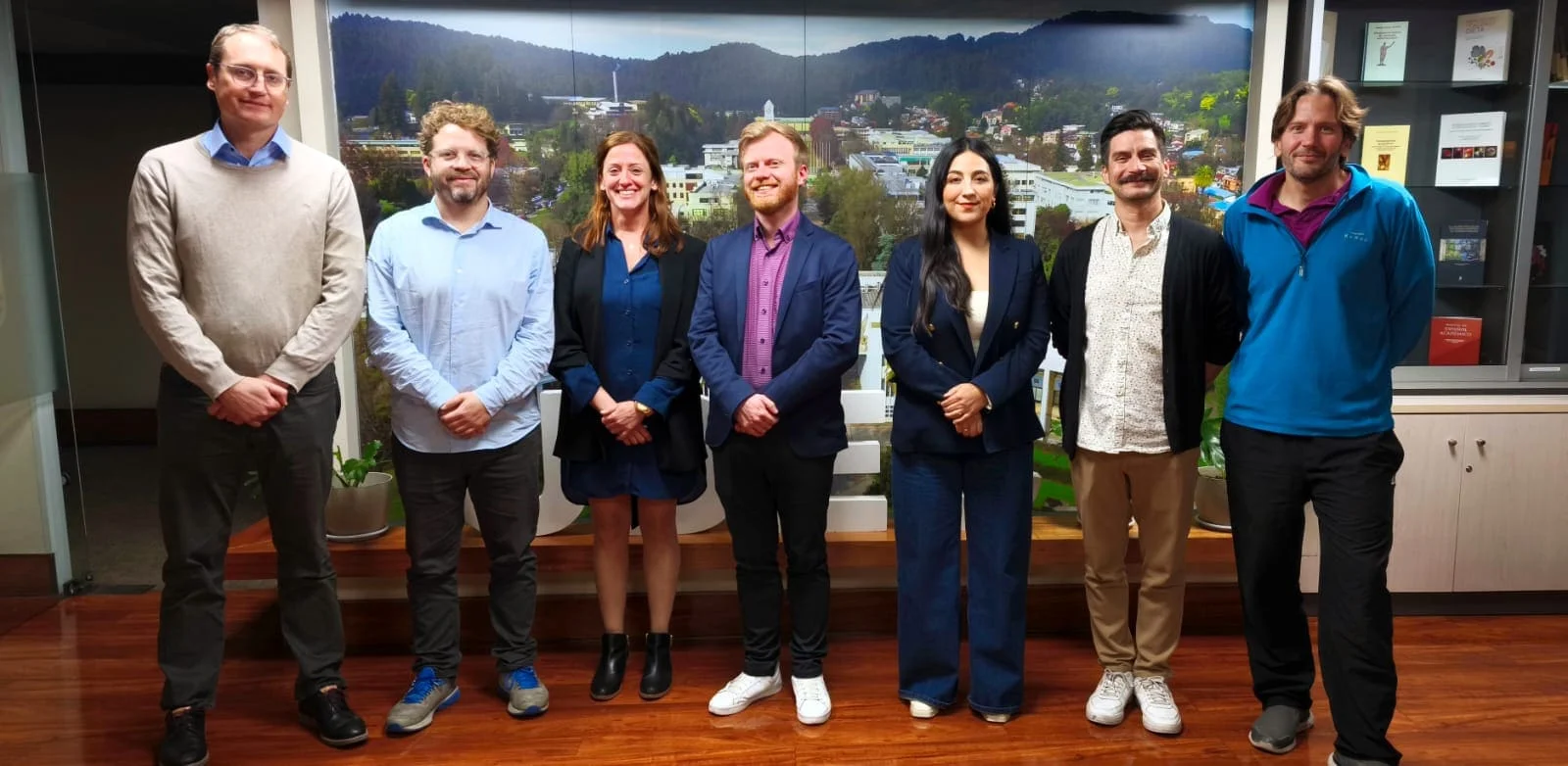
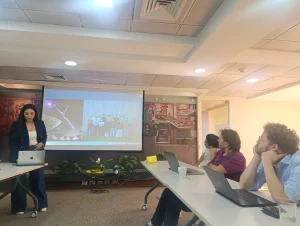
A meeting was held in Santiago between representatives of the Max Planck Society and academics from various Chilean universities, bringing together leaders of research groups affiliated with this international network, including Facundo Gómez, an associate researcher at the Center for Astrophysics and Associated Technologies – CATA (ANID Basal Center) and a faculty member at the Universidad de La Serena (ULS).
The meeting, held at the Santiago campus of the Universidad de Concepción (UdeC), is part of a visit by Tobías Renghart, the organization’s representative for Latin America, aimed at strengthening ties with universities and stakeholders in the national scientific community. Rodrigo Herrera-Camus, Associate Researcher at CATA and professor at the Universidad de Concepción, also participated in the event.
The Max Planck Society is a leading global organization in scientific research, with institutes in various fields of knowledge that bring together scientists and scholars from around the world. In this context, the visit to Chile aimed to strengthen these ties and create new opportunities for collaboration.
This meeting also served to build on an international collaboration process that reached a previous milestone in 2025 during a gathering in São Paulo, Brazil, attended by representatives from various countries in the region. “The goal was to focus collaboration among groups associated with the Max Planck Society in Chile, keeping each other informed about our work and exploring ways to strengthen these ties,” explained CATA researcher Facundo Gómez.
One of the key topics discussed was the development of so-called Partner Groups and Tandem Groups, mechanisms that facilitate joint research between Chilean institutions and the Max Planck Institutes. In this context, Gómez highlighted the work he is leading at ULS, where plans are currently underway to transition from a Partner Group to a Tandem Group, a more advanced stage of collaboration.
“This step gives us access to the Max Planck Society’s supercomputing resources and state-of-the-art simulations, particularly in the formation and evolution of galaxies and galaxy clusters. Based on this data, we are generating new knowledge and also developing advanced human capital, with doctoral, master’s, and postdoctoral students working in collaboration with researchers in the network,” he said.
During the event, participants shared updates on their research and discussed new opportunities to strengthen scientific collaboration, including the possibility of promoting co-funded initiatives and creating new opportunities for researchers to meet.
“We presented the ideas we’re exploring in our research and provided updates on the outcomes of our last meeting in Brazil, where new avenues are opening up to foster these collaborations,” concluded Facundo Gómez.
Outstanding news
Recent news
-
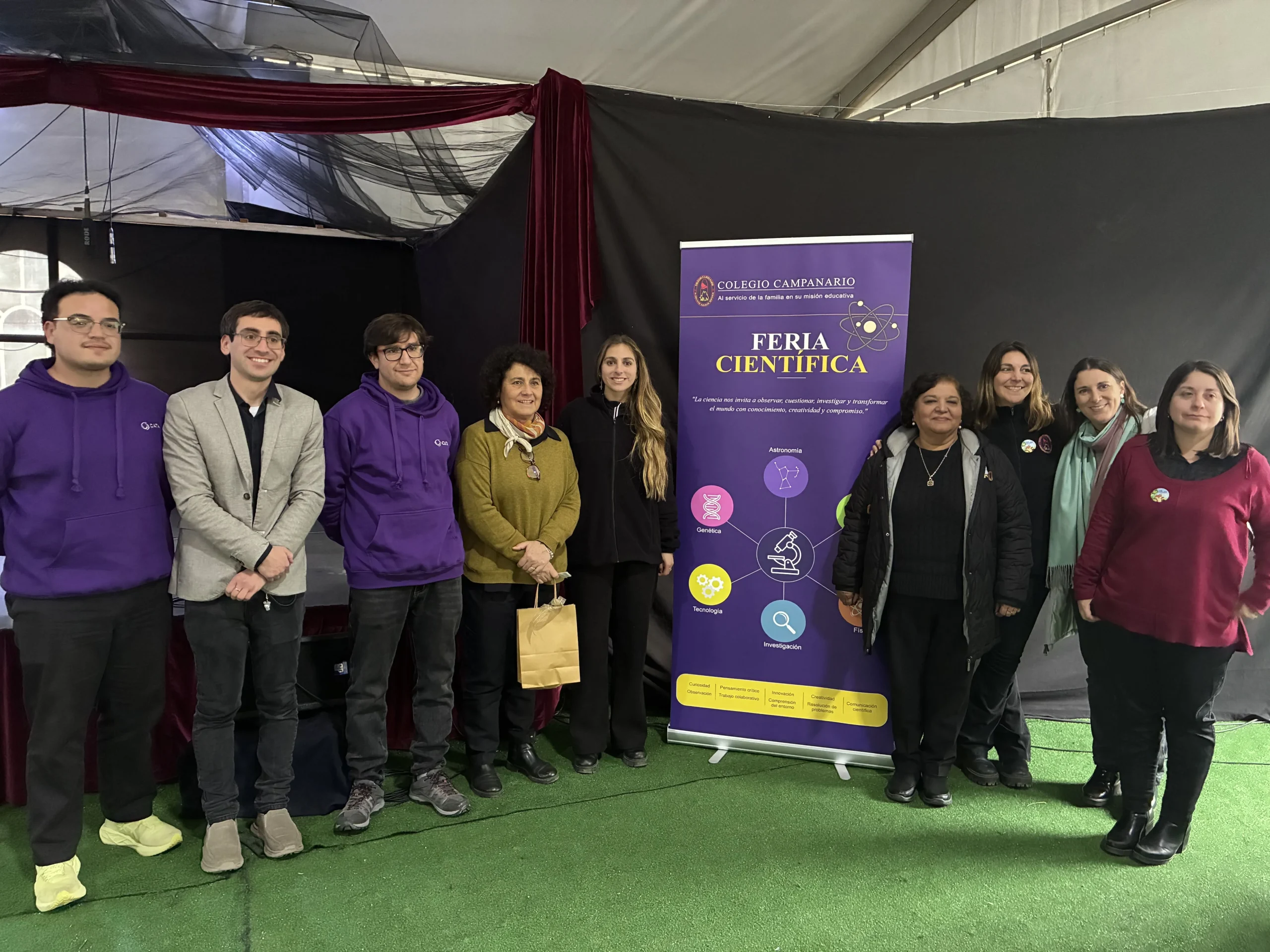 Publicado el: 19/08/2026CATA brings astronomy and technology to students at the 2026 Science Fair
 -
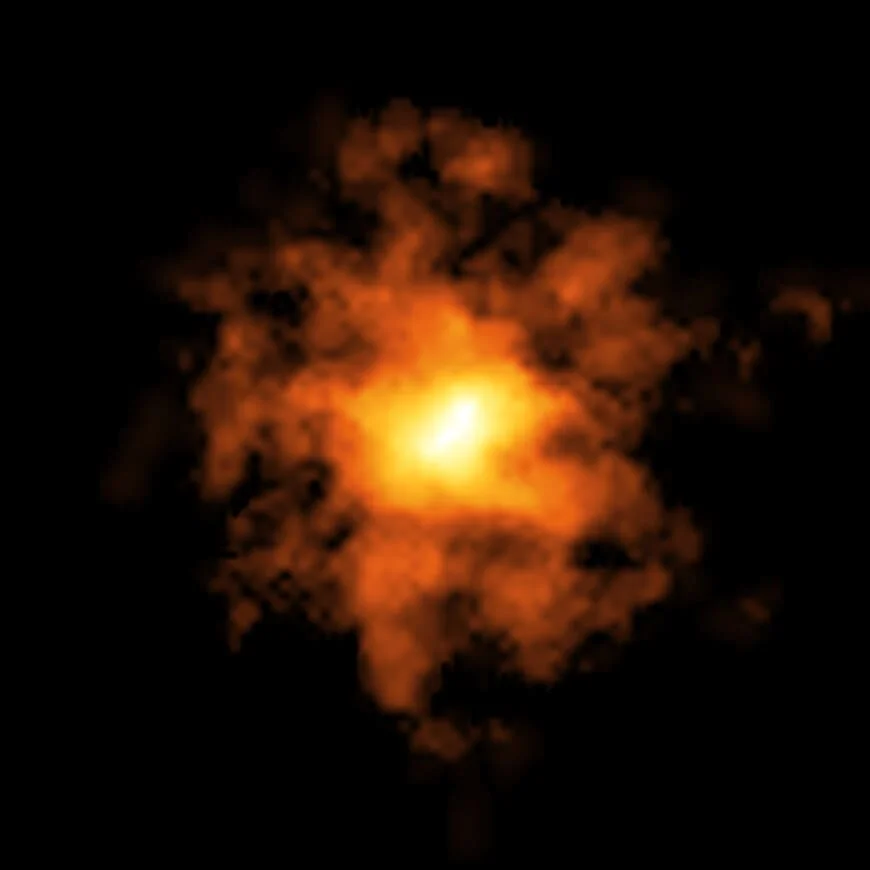
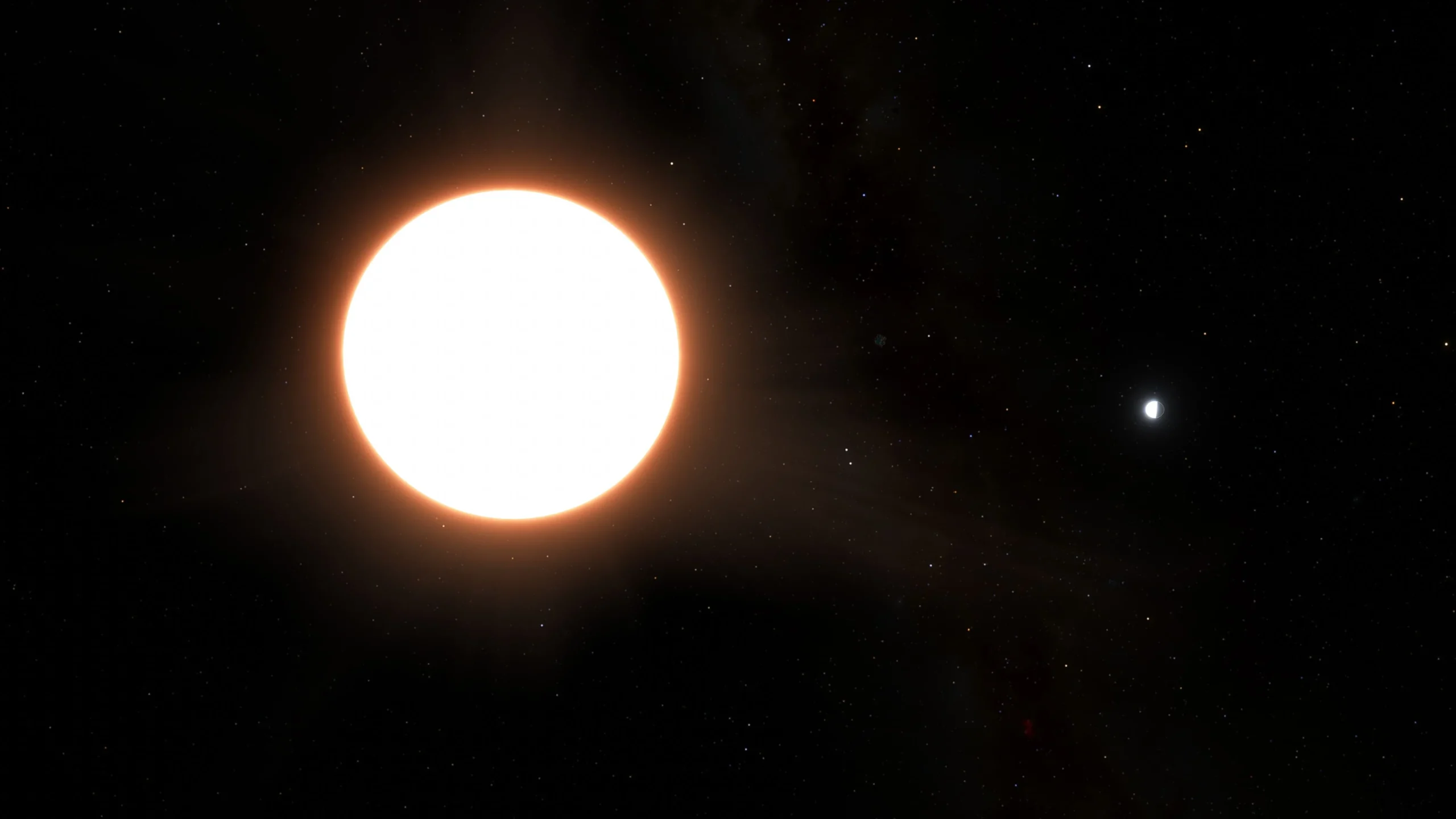 Publicado el: 18/08/2026Silicate clouds discovered in the daytime atmosphere of the only ultra-hot Neptune
 -
 Publicado el: 12/08/2026CATA and PROVOCA announce call for applications for a mentoring program for students and postdocs
 -
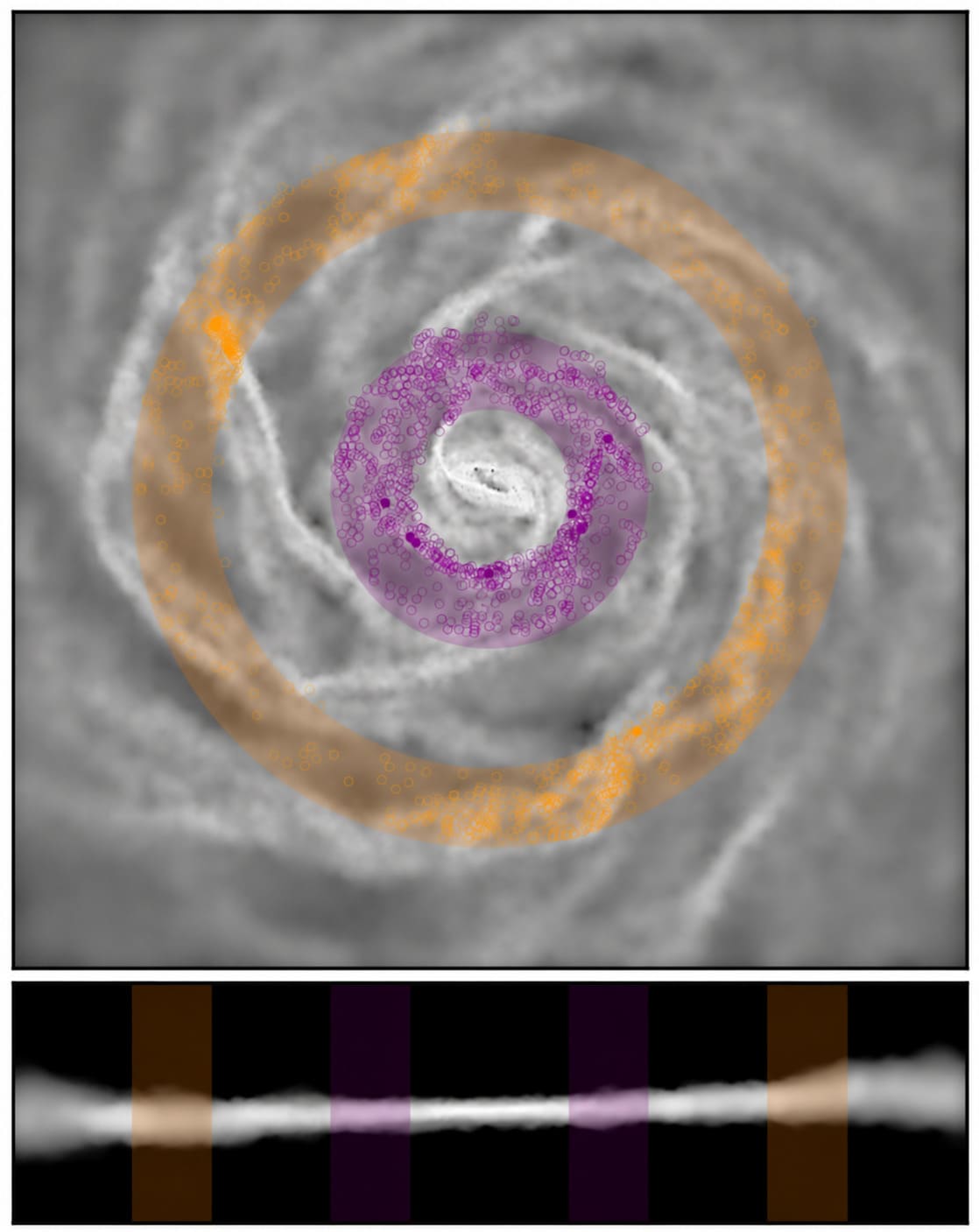 Publicado el: 11/08/2026How can phylogenetics reconstruct the evolutionary history of galaxies?
 -
 Publicado el: 07/08/2026CATA opens call for applications for the 2026 CATA PhD Award, which will recognize the best doctoral thesis
Categories list
- Acknowledgments 27
- Astrobiology 11
- AstroCluster 1
- Black holes 19
- Corporativo 72
- Cosmology 8
- Descubrimientos 27
- Disclosure 89
- Exoplanets 18
- Extension 13
- Galaxies 26
- Galaxies formation 9
- Inter y Transdisciplina 5
- Local Universe 21
- Publications 8
- Sin categorizar 34
- Solar System 28
- Stellar formation 11
- Technology 29
- Technology Transfer 31