Chilean microorganisms were sent to the International Space Station
The project aims to expand the country's scientific capabilities in the space sector.
A series of scientific experiments developed in Chile are now aboard the International Space Station (ISS), marking a new milestone for national research. The mission aims to study the behavior of biological and technological systems under the extreme conditions of outer space.
The project is led by Marcos Díaz Quezada, an Associate Researcher at the Center for Astrophysics and Associated Technologies – CATA (ANID Basal Center), a faculty member in the Department of Electrical Engineering at the Faculty of Physical and Mathematical Sciences of the Universidad de Chile, and coordinator of the Space and Planetary Exploration Laboratory (SPEL) at the same university.
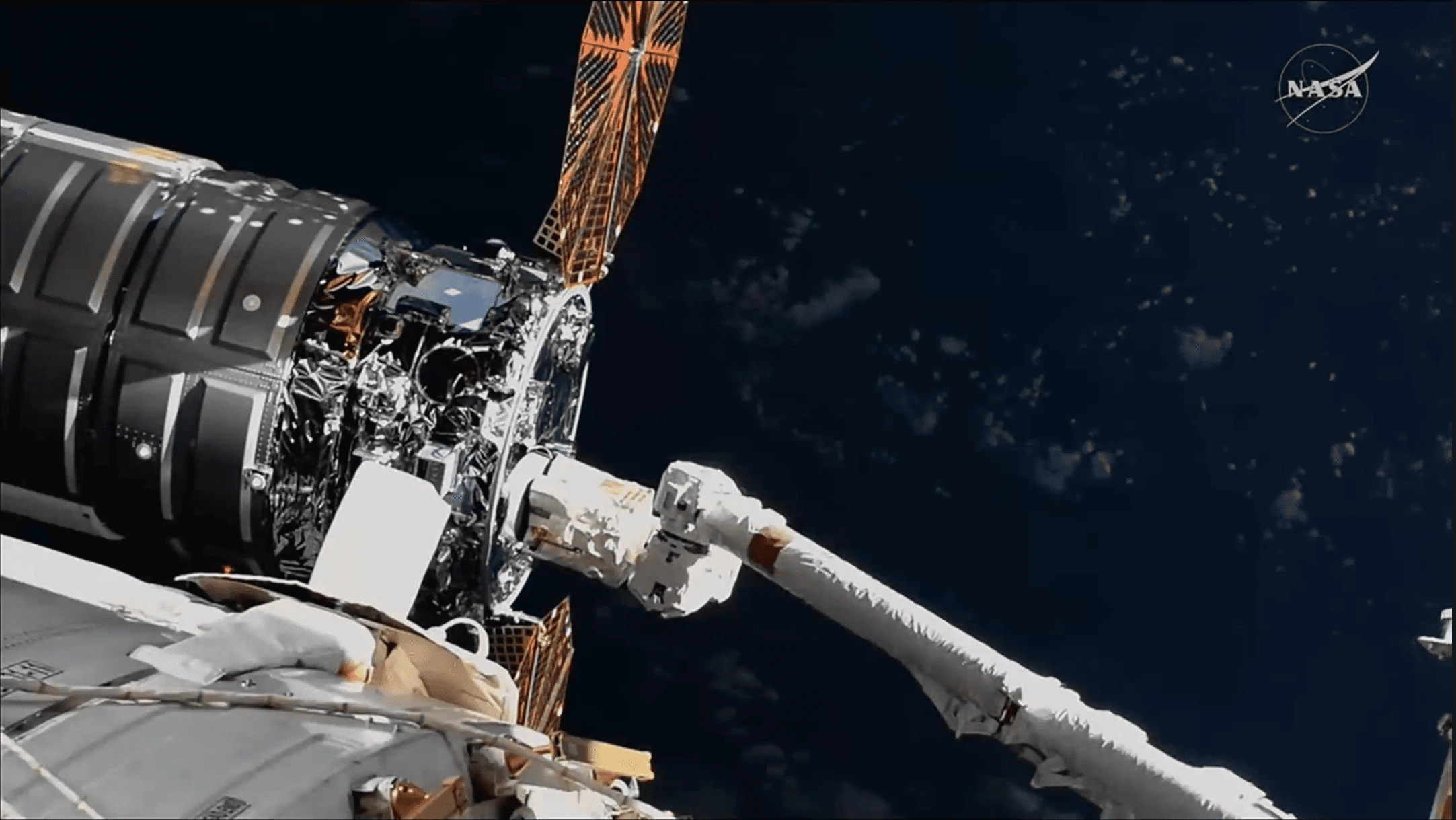
The launch took place aboard a SpaceX Falcon 9 rocket from the Kennedy Space Center in the United States and includes a series of experiments that will remain in orbit for about six months at what is known as a low Earth orbit.
For this mission, the team placed extremophile microorganisms—capable of surviving in extreme environments—inside a standard container. The goal is to analyze how factors specific to the space environment, such as microgravity and radiation, affect their survival, adaptation, and functioning mechanisms.
“This initiative is primarily focused on developing the technical and technological knowledge and capabilities needed to conduct experiments in space. We aim to provide tools that will enable more scientific groups in Chile to expand their research into this environment,” explains Marcos Díaz Quezada.
In addition to collecting biological samples, the mission also involves evaluating advanced technologies, whose performance will be analyzed under space conditions. This will enable the validation of instrumentation that could be used on future platforms, both inside and outside the ISS, and even on CubeSat-type satellites.
“Inside the ISS, conditions are primarily microgravity, so we can isolate variables and observe the effects of each one. Later, both internal and external experiments will return to Earth, where we’ll be able to conduct much more sophisticated final tests,” explained the CATA researcher.
The development of this miniaturized laboratory posed significant technical challenges, particularly in reconciling scientific requirements with the constraints of space, volume, power, storage, and data transmission inherent to this type of platform. “We have to balance the ideal experiment with the actual capabilities available. The more compact and automated the system is, the greater the challenge in terms of technological development and advanced human capital,” notes Díaz.
In addition to its scientific value, this mission represents a significant step toward strengthening national capabilities in space exploration. In this regard, CATA views such initiatives as an opportunity to apply its expertise in astronomical instrumentation and technological development to this field.
“Projects like this can help strengthen that bridge by demonstrating that the country already possesses the concrete capabilities to develop and conduct experiments in orbit, which could encourage greater coordination between the technological development taking place in Chile in the field of astronomy and its application in space,” emphasizes Marcos Díaz.
During their time on the ISS, the microorganisms will be monitored remotely, allowing their adaptability to be assessed in real time. Once the mission is complete, the samples will return to Earth for more detailed analysis, including genomic and proteomic studies, as well as an evaluation of the technological systems deployed.
This project was primarily funded by an ANILLO project (ATE220057) led by the Universidad de Chile through SPEL in collaboration with the Universidad de Santiago de Chile and the Pontificia Universidad Católica de Valparaíso, as well as a Fondecyt Regular project (1251703) led by SPEL-Universidad de Chile and the Biociencia Foundation. In addition to experiments conducted by the core research team, experiments were carried out by various invited national and international groups, which also included work with schools. These initiatives aim to position Chile at the forefront of space science and technology development, opening new opportunities for research and capacity building in the country.
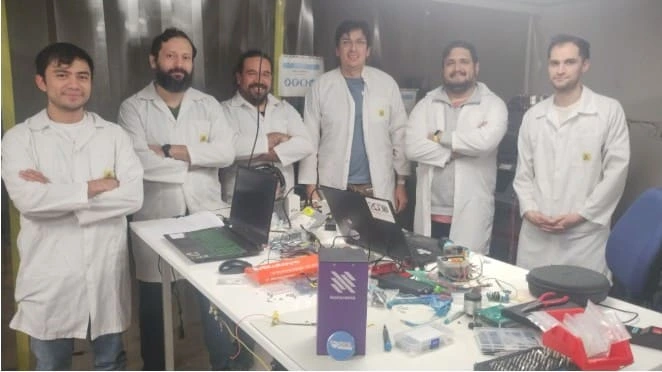
Part of the SPEL team that carried out the mission to the International Space Station. From left to right: Felipe Díaz Huenupan, Rodrigo Muñoz Lazo, Samuel Gutierrez Rusell, José Pedreros Matus, Joaquín Diaz Peña, and Patricio Jara Quiroz. Not pictured: researcher Matias Vidal Valladares and external collaborators Cristobal Garrido, Luis Guzman, and Elias Obreque.
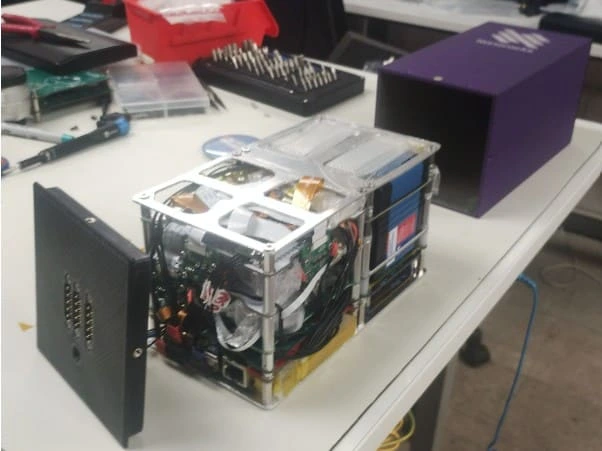
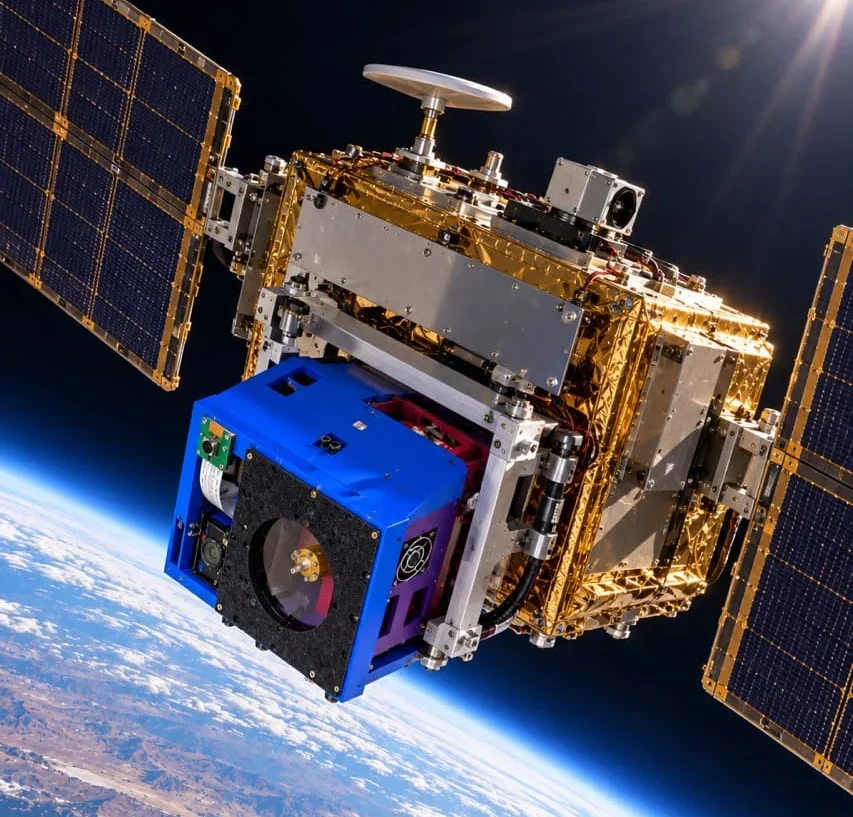
The experiment inside.
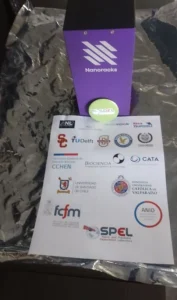
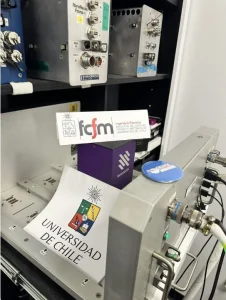
Platform during testing at the Voyager and NASA Johnson facilities in Webster, Texas.
Outstanding news
Recent news
-
 Publicado el: 09/10/2026From studying the universe to solving industry challenges: CATA’s technology transfer model in Nature Astronomy
 -
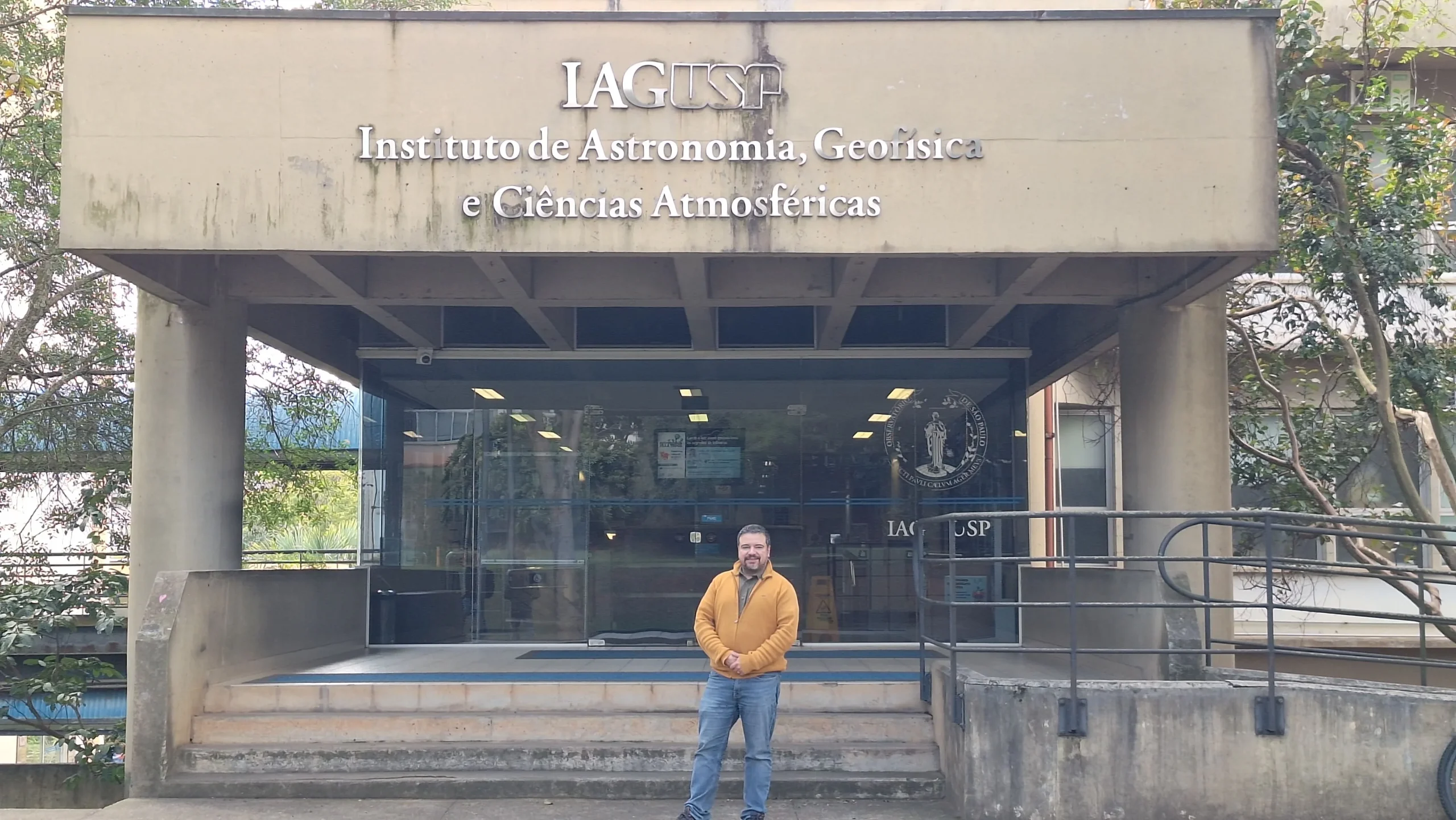 Publicado el: 01/10/2026CATA Associate Researcher concludes research stay at the University of São Paulo thanks to a Brazilian fellowship
 -
 Publicado el: 29/09/2026Chilean technology aims to improve the accuracy of telescopes studying the origin of the Universe
 -
 Publicado el: 25/09/2026CATA Associate Researcher named Director of the Las Campanas Observatory
 -
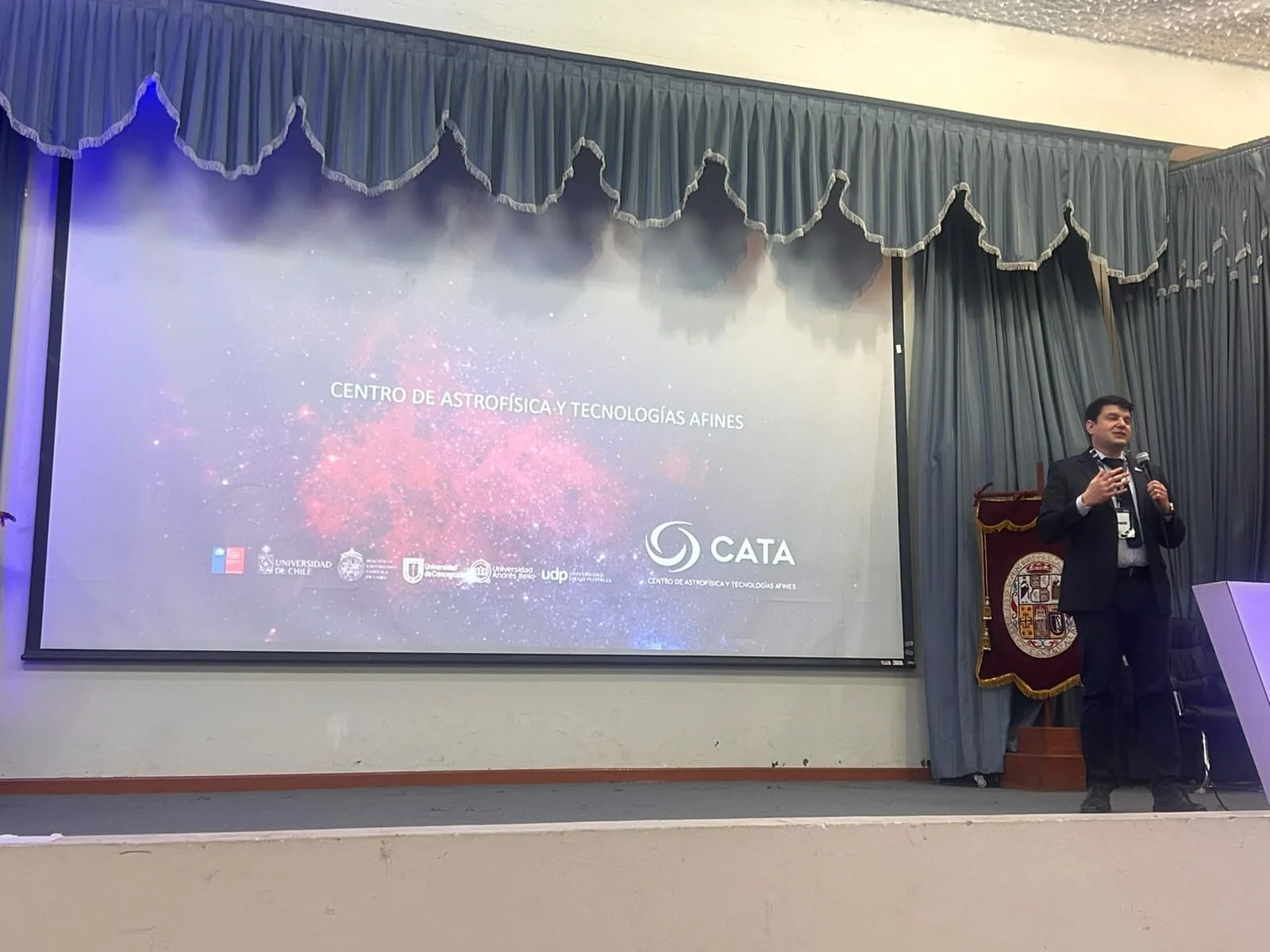 Publicado el: 23/09/2026CATA’s General Manager presented the Center’s technology transfer model at an international meeting in Peru
Categories list
- Acknowledgments 29
- Astrobiology 12
- AstroCluster 1
- Black holes 21
- Corporativo 73
- Cosmology 10
- Descubrimientos 28
- Disclosure 91
- Exoplanets 18
- Extension 14
- Galaxies 28
- Galaxies formation 10
- Inter y Transdisciplina 5
- Local Universe 22
- Publications 9
- Sin categorizar 34
- Solar System 30
- Stellar formation 12
- Technology 33
- Technology Transfer 34