CATA Associate Researcher named Director of the Las Campanas Observatory
Guillermo Blanc will lead the observatory during a pivotal phase, marked by the construction of the Giant Magellan Telescope (GMT).
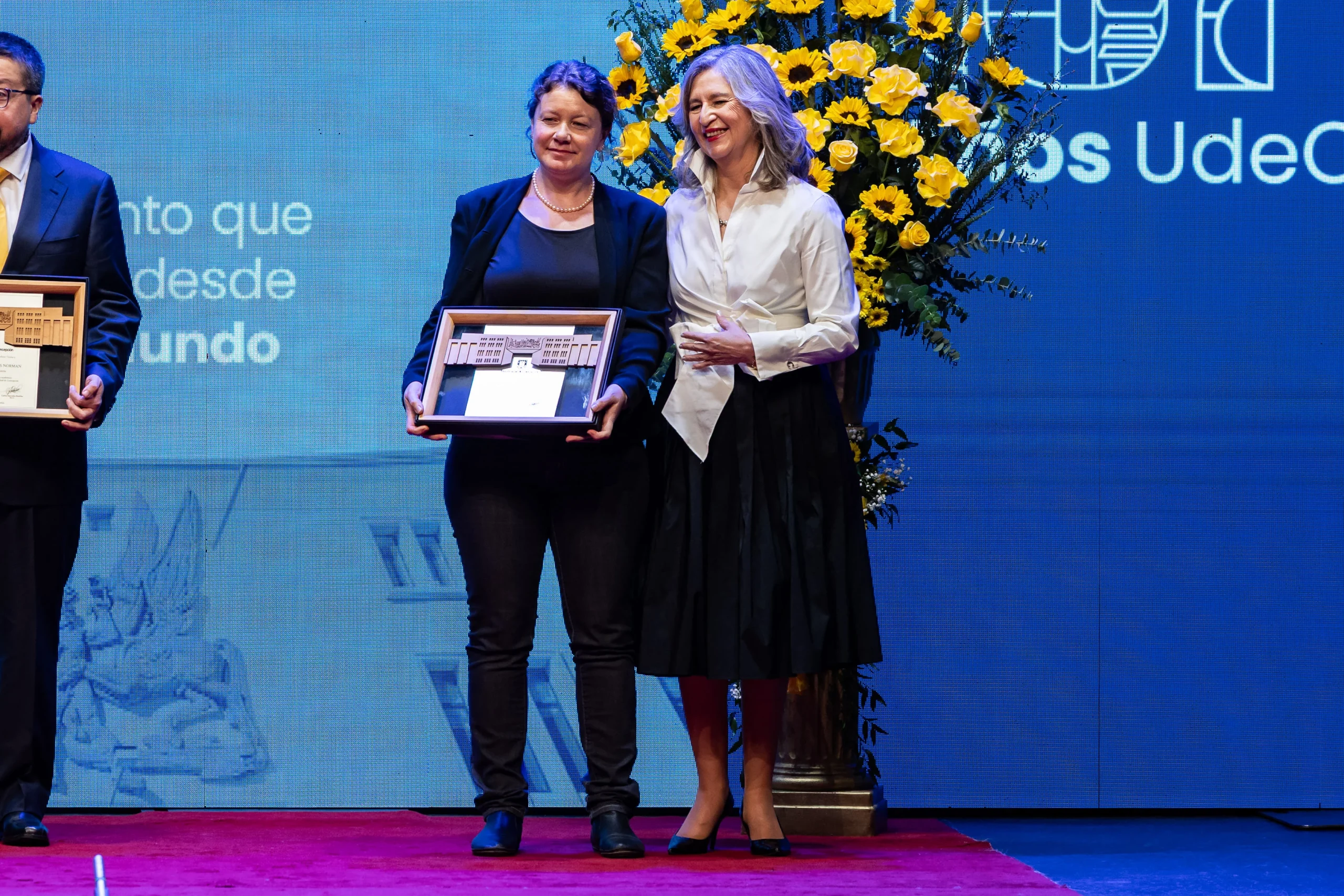
Carnegie Science has appointed Guillermo Blanc, Associate Researcher at the Center for Astrophysics and Associated Technologies – CATA (project financied by ANID) and adjunct professor at the Universidad de Chile, as the new Director of the Las Campanas Observatory (LCO), located in the Atacama Desert. The astronomer had been serving in the position on an interim basis since the beginning of this year.
His relationship with the U.S. foundation began in 2011, when he joined as a postdoctoral fellow. Since then, he has held various positions, including Head of Scientific and Technical Development and Associate Director of Strategic Initiatives. He holds a Ph.D. in Astronomy from the University of Texas at Austin, U.S., and a bachelor’s and master’s degree from the Universidad de Chile.
“Taking on this position is a great professional challenge and, at the same time, an honor and a recognition that comes with the responsibility of leading one of the most important astronomical observatories in the world. Being able to develop my career at Carnegie Science from a young age has been an enormous privilege and has allowed me to work at the forefront of research for the past 15 years,” Blanc said.
“In this new phase, I hope to increase Las Campanas’ prominence in global astronomy by promoting new projects and preserving the site’s unique environmental conditions, which allow specialists from different countries to conduct cutting-edge research from Chile,” he added.
Blanc played a decisive role in the installation of the Local Volume Mapper, part of the fifth generation of the Sloan Digital Sky Survey (SDSS), which today enables innovative studies of star formation in the Milky Way and in nearby dwarf galaxies. His scientific work seeks to understand how these systems form and evolve in relation to their environment, particularly the mechanisms that regulate the emergence of new stars.
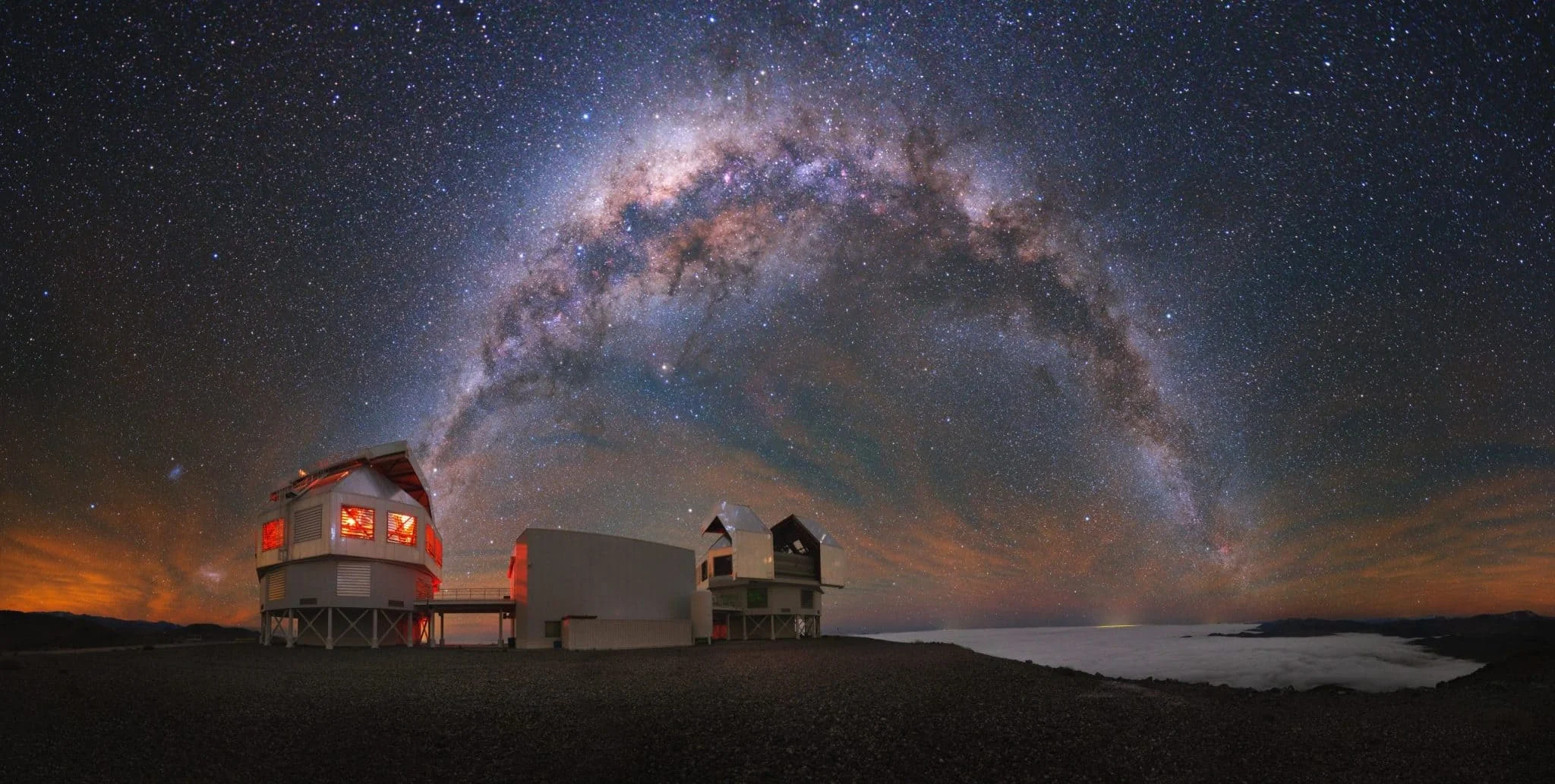
Founded in 1969, Las Campanas is renowned for the quality and stability of its dark skies. Its instruments are among the most advanced and productive in the world: it is home to the 6.5-meter Magellan telescopes, operated in collaboration with Harvard University, the University of Arizona, the University of Michigan, and the Massachusetts Institute of Technology (MIT), as well as the southern component of the SDSS.
For the coming years, Blanc identifies two major challenges. The first is to complete, together with international partners, the Giant Magellan Telescope (GMT), which will be the most powerful telescope ever built. The second is to protect the areas where the country’s major observatories operate, in order to maintain Chile’s competitiveness in astronomy.
“The GMT will radically transform humanity’s ability to observe the universe throughout its history and advance the search for life on other planets. Furthermore, we must work together with the government, the national scientific community, and the residents of these regions to effectively protect the sites where the country’s main astronomical observatories are located, which are currently threatened by increasing light pollution and other pollutants that affect their operating conditions,” he said.
In addition to these challenges, there are new scientific projects at Las Campanas, which are supported by a local team composed mostly of Chilean professionals. “There are many other initiatives planned for the coming years, which benefit from the presence of a top-tier staff that provides the necessary support for the day-to-day operations of this research center. Leading this group and ensuring that these levels of excellence are maintained is one of my priorities for the future,” Blanc concluded.

Outstanding news


Recent news
-
Publicado el: 25/09/2026CATA Associate Researcher named Director of the Las Campanas Observatory
-
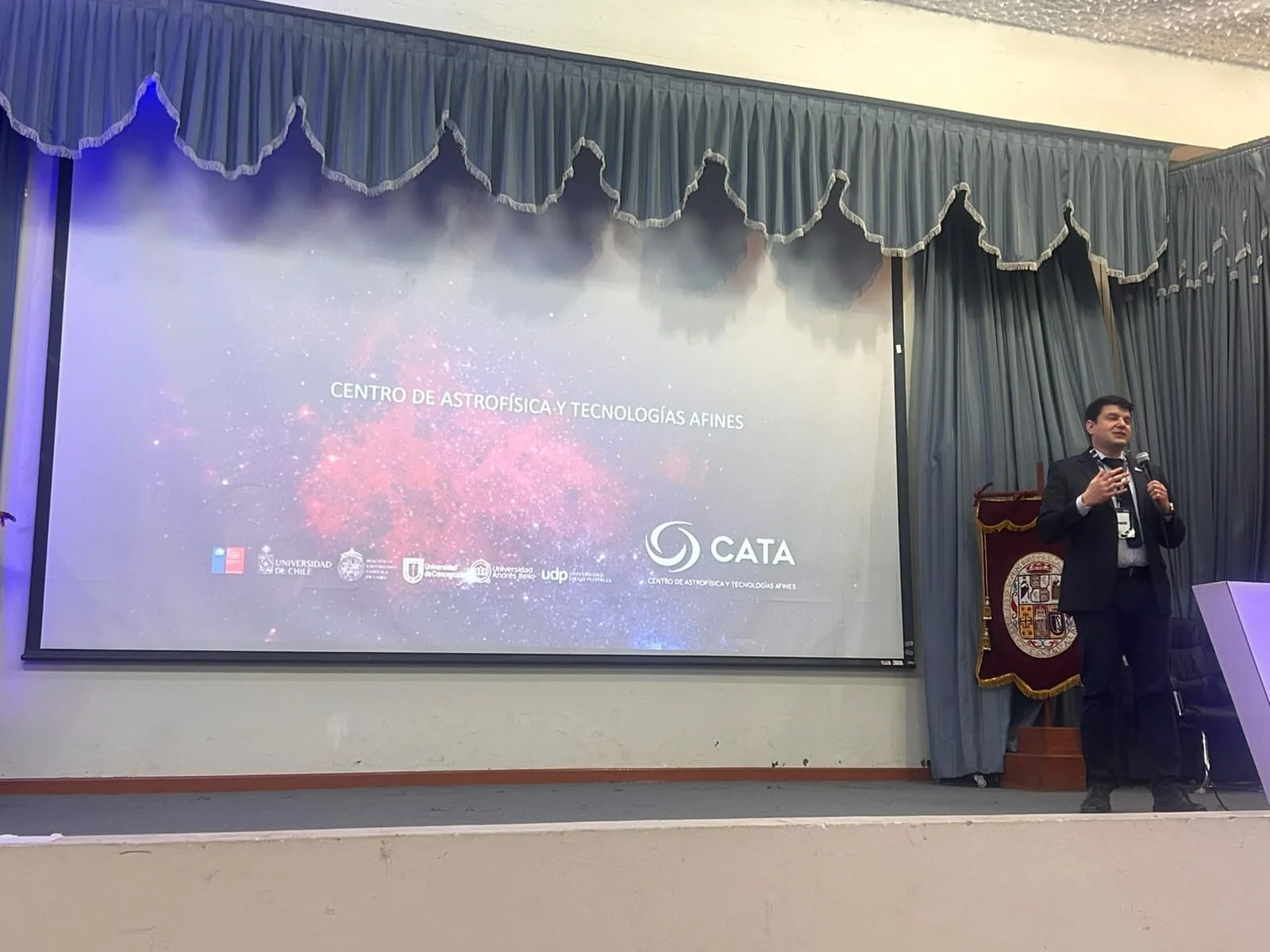 Publicado el: 23/09/2026CATA’s General Manager presented the Center’s technology transfer model at an international meeting in Peru
 -
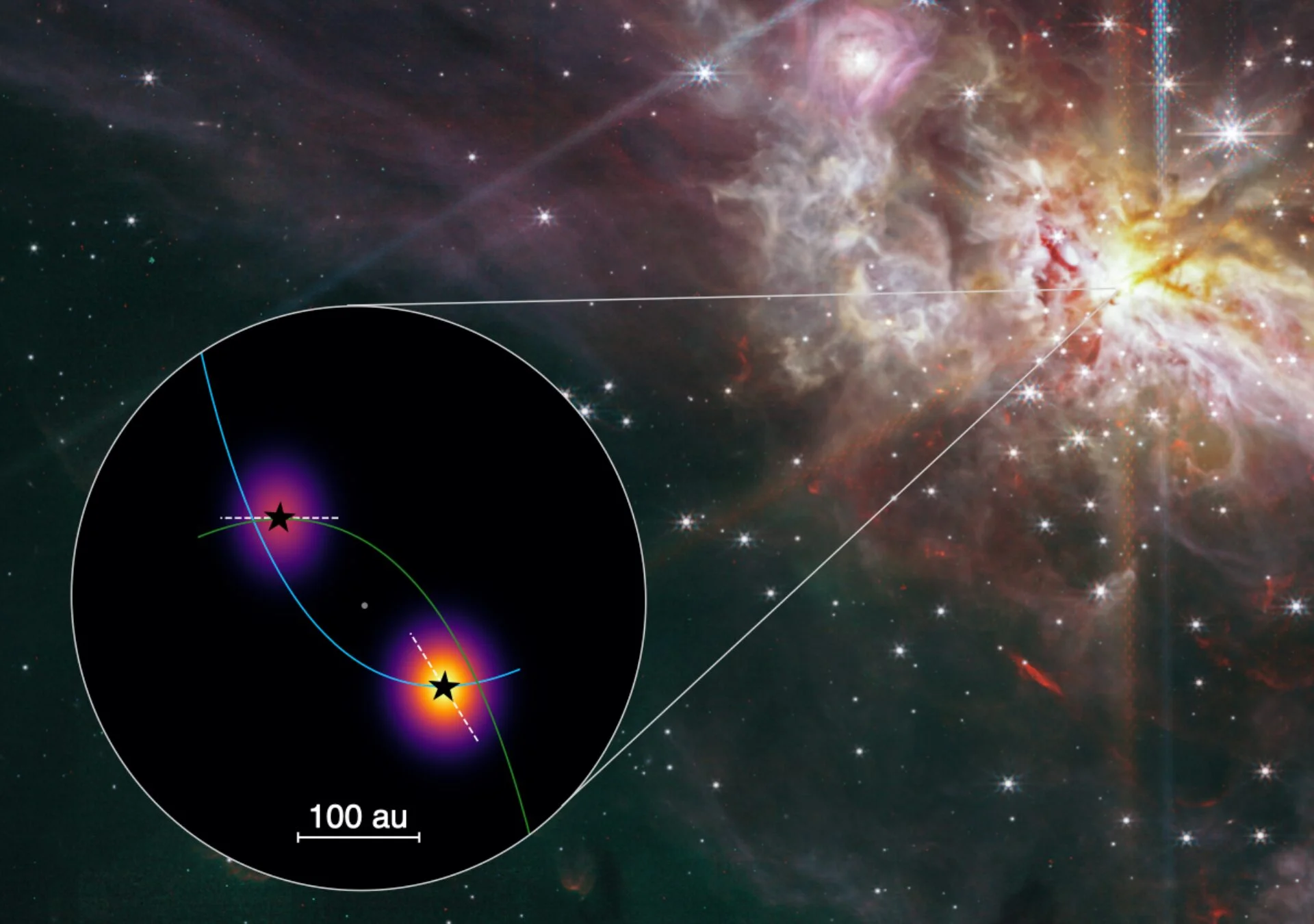 Publicado el: 08/09/2026The wedding dance of massive stars: Astronomer from CATA and the Universidad de Chile contributes to historic discovery
 -
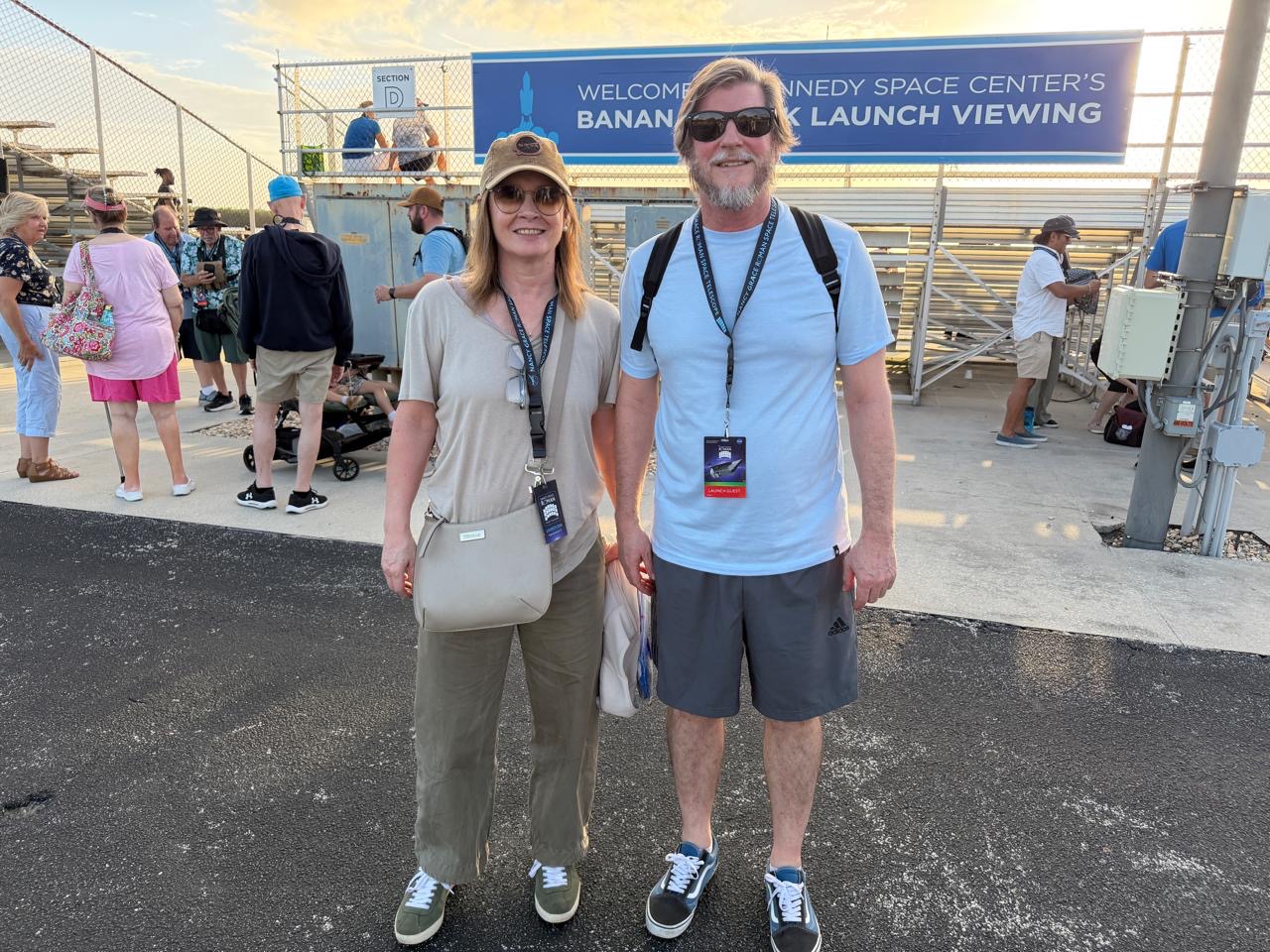 Publicado el: 07/09/2026The launch of the Nancy Grace Roman Space Telescope, as experienced firsthand by a CATA astronomer involved in the mission
 -
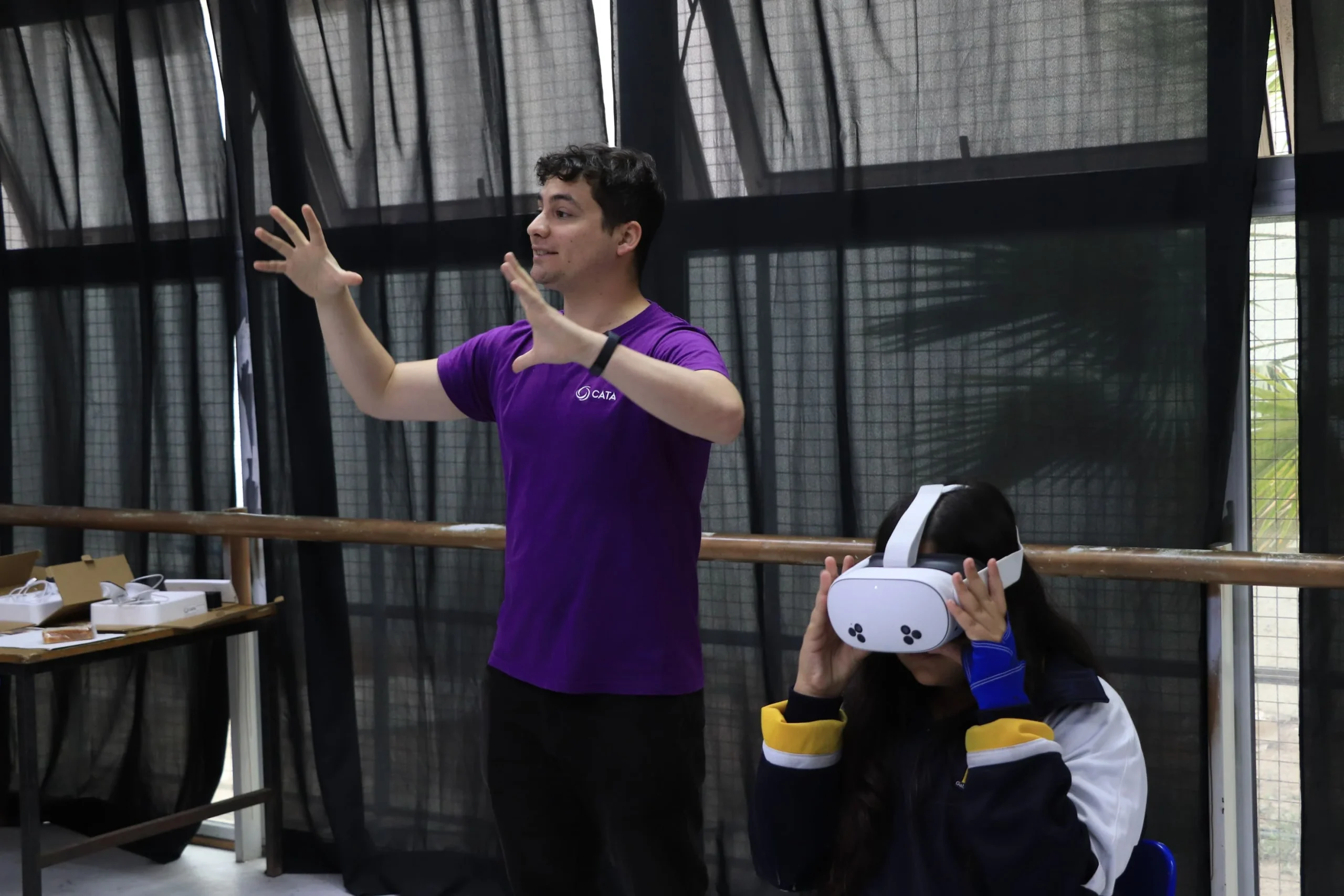 Publicado el: 29/08/2026Talks and hands-on activities related to astronomy were part of the “Congreso Futuro en tu Comuna” event in Arica
Categories list
- Acknowledgments 28
- Astrobiology 12
- AstroCluster 1
- Black holes 21
- Corporativo 73
- Cosmology 9
- Descubrimientos 28
- Disclosure 91
- Exoplanets 18
- Extension 13
- Galaxies 27
- Galaxies formation 9
- Inter y Transdisciplina 5
- Local Universe 22
- Publications 9
- Sin categorizar 34
- Solar System 30
- Stellar formation 12
- Technology 31
- Technology Transfer 33