CATA’s activities drew more than 6,000 people on Astronomy Day
Talks, demonstrations, workshops, virtual reality experiences, and interactive booths were among the free activities organized by the Center during this event.
As part of Astronomy Day, the Center for Astrophysics and Associated Technologies – CATA (ANID Basal Center), organized a series of outreach events at various locations in Santiago and Valparaíso.
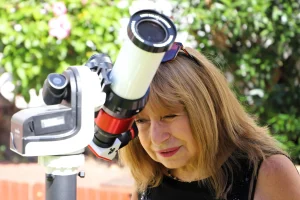
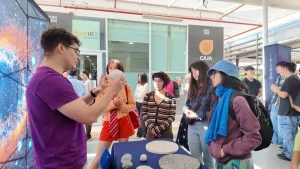
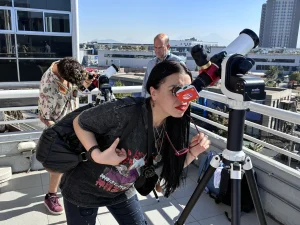
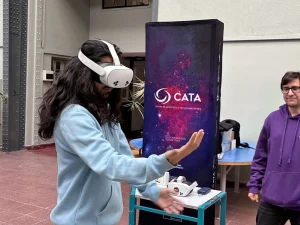
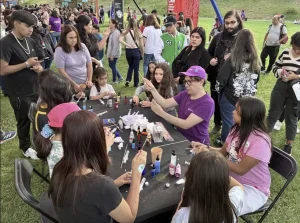
The event brought together students, school communities, families, and the general public, who took part in solar and nighttime observations, astronomy workshops, virtual reality experiences, panel discussions, interactive exhibits, and talks organized by the Center’s Communications and Outreach team.
The activities took place at venues such as Universidad Gabriela Mistral (UGM), the Duoc UC Plaza Vespucio campus, the Universidad Técnica Federico Santa María (UTFSM) in Valparaíso, the Mirador Interactive Museum (MIM), the former National Congress Palace, the Duoc UC Padre Alonso de Ovalle campus, and the Lo Prado Cultural Center. At each of these locations, CATA brought astronomy to different audiences through free events, in collaboration with various academic and scientific institutions.
“Being part of the celebration of Astronomy Day means strengthening the bond between scientific research and the public, as this discipline is part of our scientific and cultural heritage. “These activities allow students, families, and communities to get a firsthand look at how the universe is studied and to understand that astronomy can also be a tool to inspire, learn, and spark new interests and vocations,” said José Utreras, who led the talks at each event.
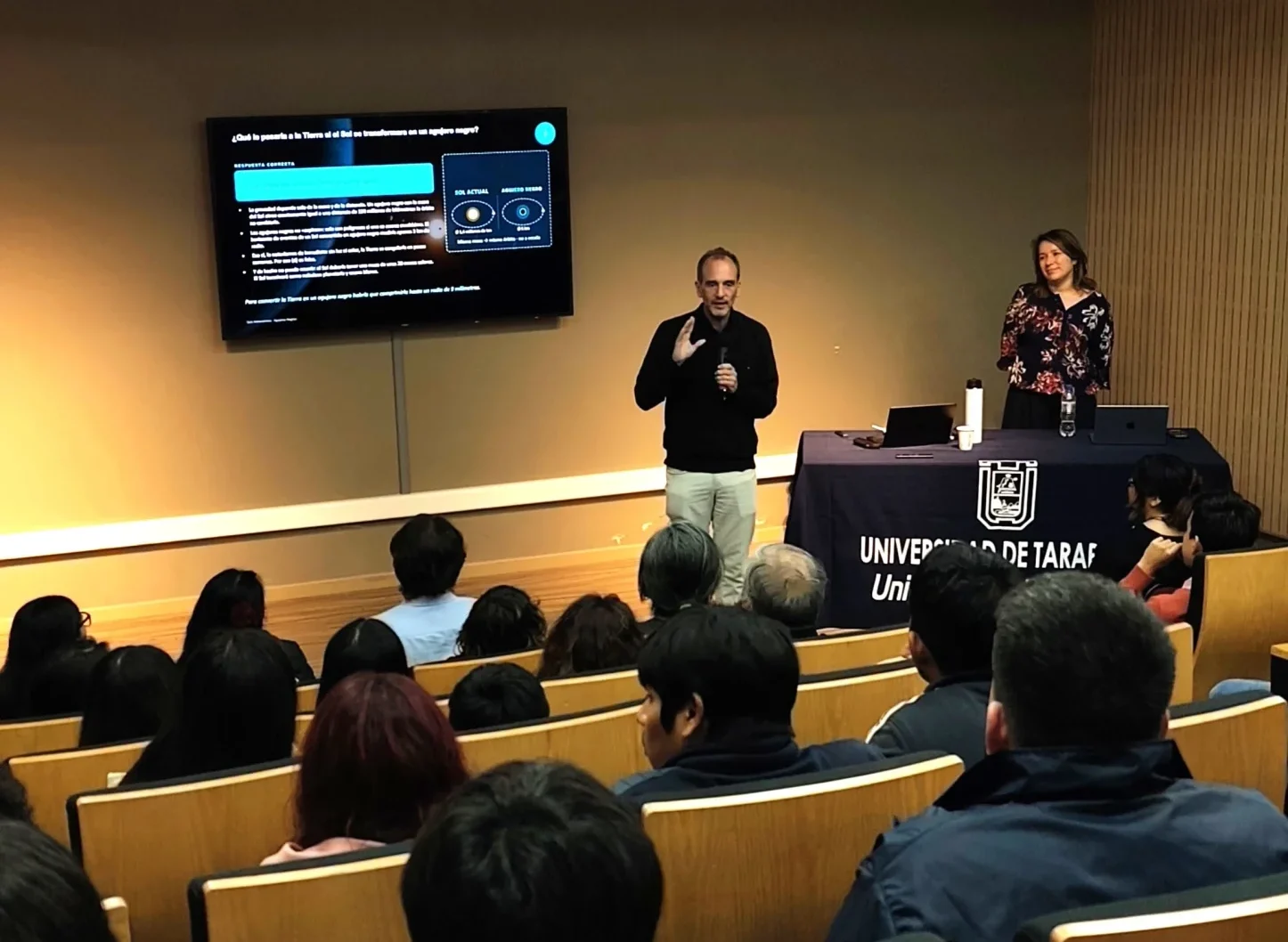
The activities began at Universidad Gabriela Mistral, where students, members of the university community, and residents of the Providencia and Ñuñoa districts attended the talk titled “Do Black Holes Exist?” They also enjoyed a solar observation session and an interactive booth featuring astronomy materials.
“Our experience with CATA has been extremely positive. At UGM’s Community Engagement Office, we focus on cultural outreach and dissemination, promoting free access to knowledge and open access for the entire community,” said Álvaro Pezoa, the university’s Director of Community Engagement.
The program continued at Duoc UC Plaza Vespucio with a talk titled “The Colors of the Universe,” solar observation, and an interactive booth for students and the general public. On this day, CATA was joined by the Institute of Astrophysics at the Pontificia Universidad Católica de Chile (UC), which participated in the observation activities.
Paulina Carrasco, the institution’s Assistant Director of Admissions, Communications, and Outreach, stated that “partnering with institutions of excellence such as CATA is essential to fulfilling our mission of having a positive impact on the community. “We want to make knowledge and culture accessible to the community, recognizing that astronomy is a scientific heritage of Chile and humanity. Opening our facilities to these free events is a way to democratize access to science and spark curiosity about the universe among people of all ages.”
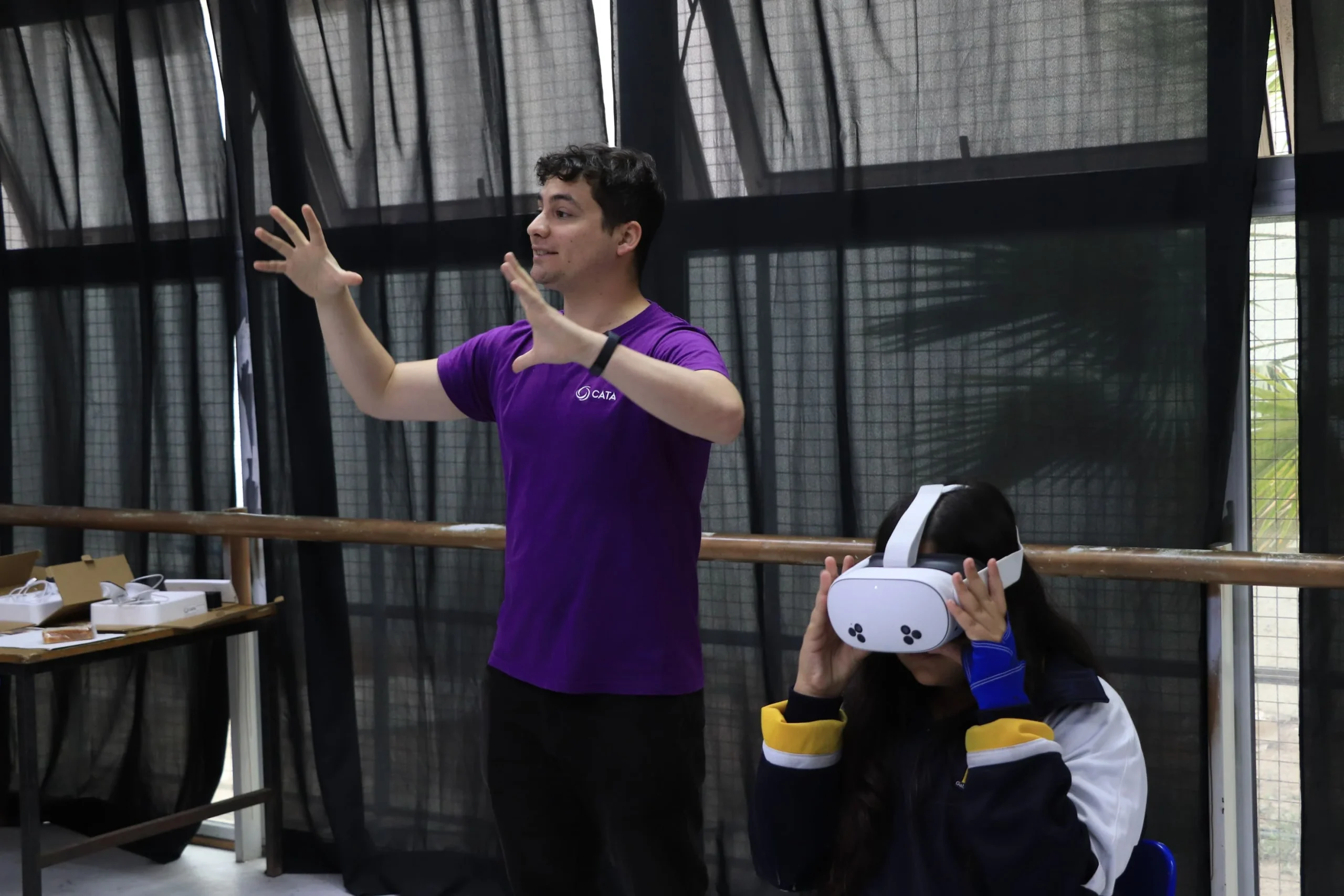
The program also included activities in Valparaíso, featuring an event at the Universidad Técnica Federico Santa María that included virtual reality experiences and interactive materials. Later, CATA participated in the official celebration of Astronomy Day at the Mirador Interactive Museum, where it presented the “Create Your Own Nebula!” workshop, solar observation, and its astronomy booth.
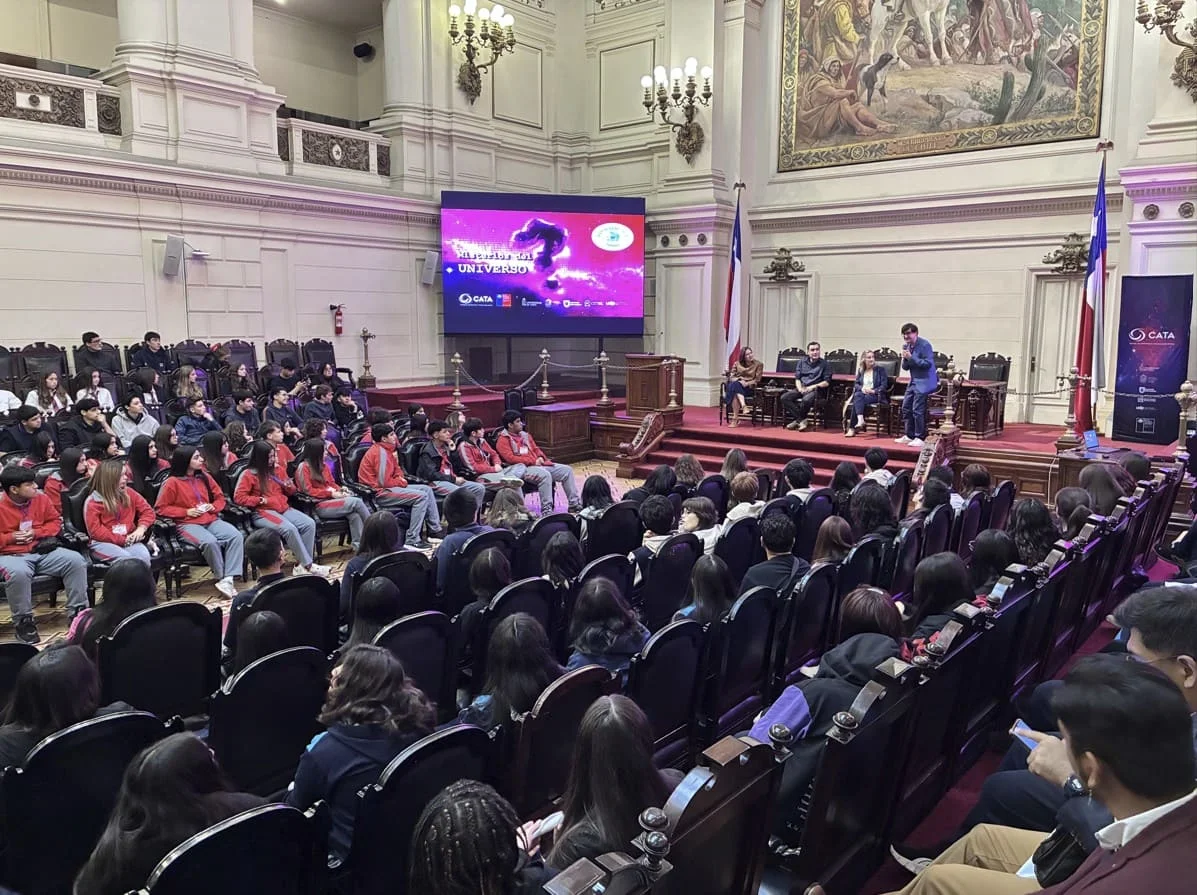
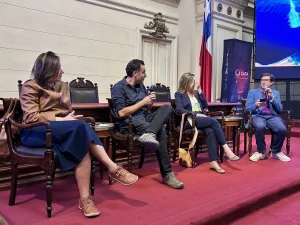
At the former National Congress building, CATA held an event for students that included a discussion with leading investigators from the Center, including its Director and Principal Investigator, Patricia Tissera; Associate Investigator and professor at the Universidad de Tarapacá, Bárbara Rojas-Ayala; and Adjunct Investigator and professor at the Universidad de Chile, Mario Riquelme, who spoke with the students and answered their questions about astronomy. The event also featured solar observation, virtual reality experiences, and an astronomy booth, activities that were attended by Senator Ximena Órdenes, Chair of the Commission on Future Challenges, Science, Technology, and Innovation.
“Astronomy is also part of our national identity and heritage. It not only helps us understand the phenomena of the universe, but it also provides an opportunity to bring scientific knowledge to the public and spark more conversations about how we understand our environment and our sky. Chile has a unique vantage point from which to explore the universe, and that also invites us to look with humility at all that remains to be discovered,” the official said.
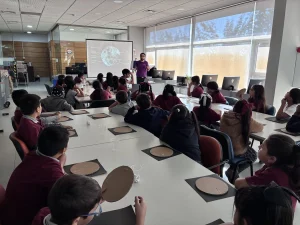
Later, the Center held another event at the Duoc UC campus in Padre Alonso de Ovalle, aimed at the educational community and the general public, featuring a talk titled “The Colors of the Universe,” solar observation, and an astronomy exhibit.
The activities concluded at the Lo Prado Cultural Center, where a morning session for schoolchildren was held, featuring the workshops “Let’s Draw the Moon!” and “Create Your Own Nebula!”, along with solar observation and a talk titled “Do Black Holes Exist?”. For this event, the Center was joined by the UC Institute of Astrophysics and AUI/NRAO, which participated in the observation activities. In the late afternoon and evening, an event open to the community was held, featuring the talk “What If the Moon Had Never Existed?” and a lunar observation session.
“As the Lo Prado Cultural Center Foundation, we know that partnerships between institutions are essential for creating opportunities to bring art, culture, and science to a wider audience in different communities, thereby directly contributing to the development of the cultural capital of those who participate. In the case of our partnership with CATA, we have forged an important connection that brings astronomy closer to the Lo Prado community and offers a unique experience as part of our annual programming,” the institution noted.
Outstanding news
Recent news
-
 Publicado el: 19/10/2026CATA will contribute to data processing for a major international astronomy project
 -
 Publicado el: 19/10/2026Study led by CATA researchers solves a 30-year-old mystery about a dwarf galaxy
 -
 Publicado el: 15/10/2026Structures potentially associated with the formation of super-Earths and mini-Neptunes have been detected in compact disks
 -
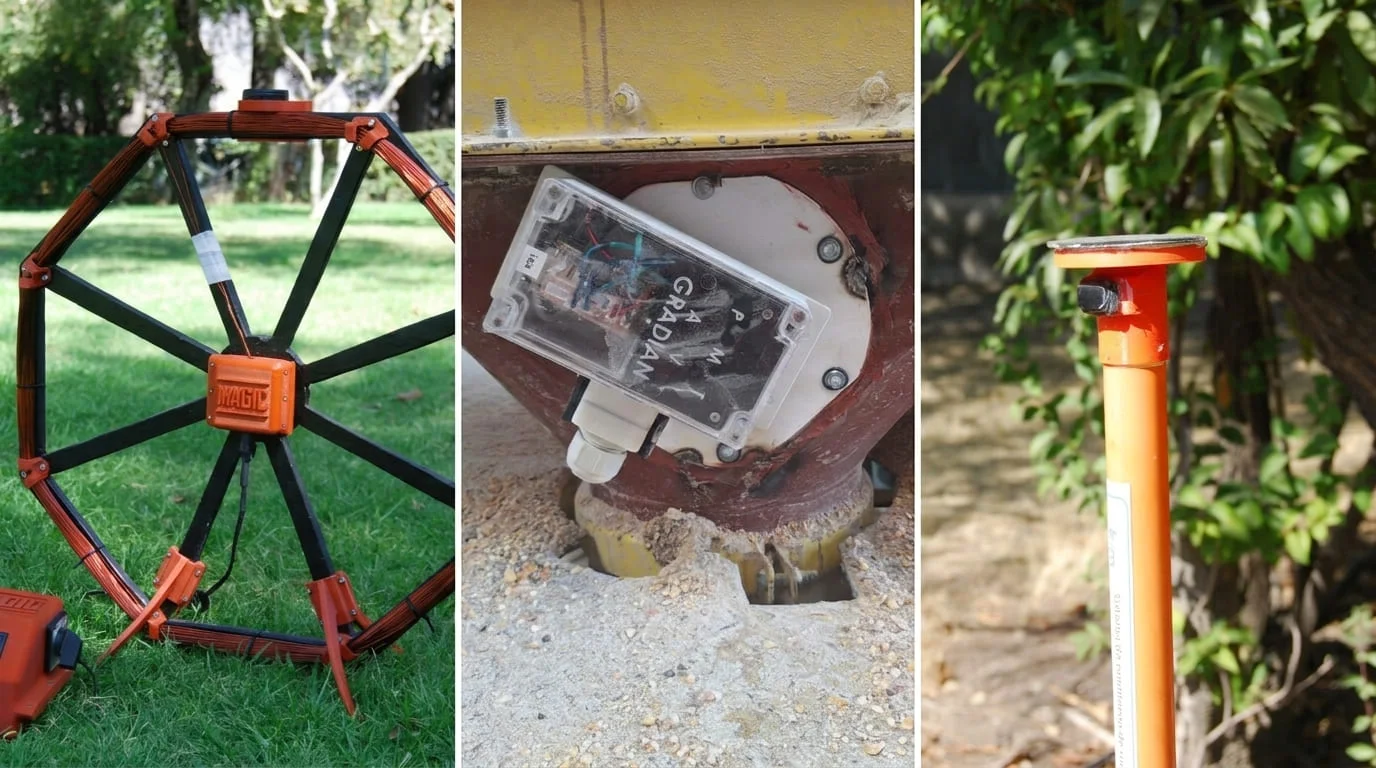 Publicado el: 09/10/2026From studying the universe to solving industry challenges: CATA’s technology transfer model in Nature Astronomy
 -
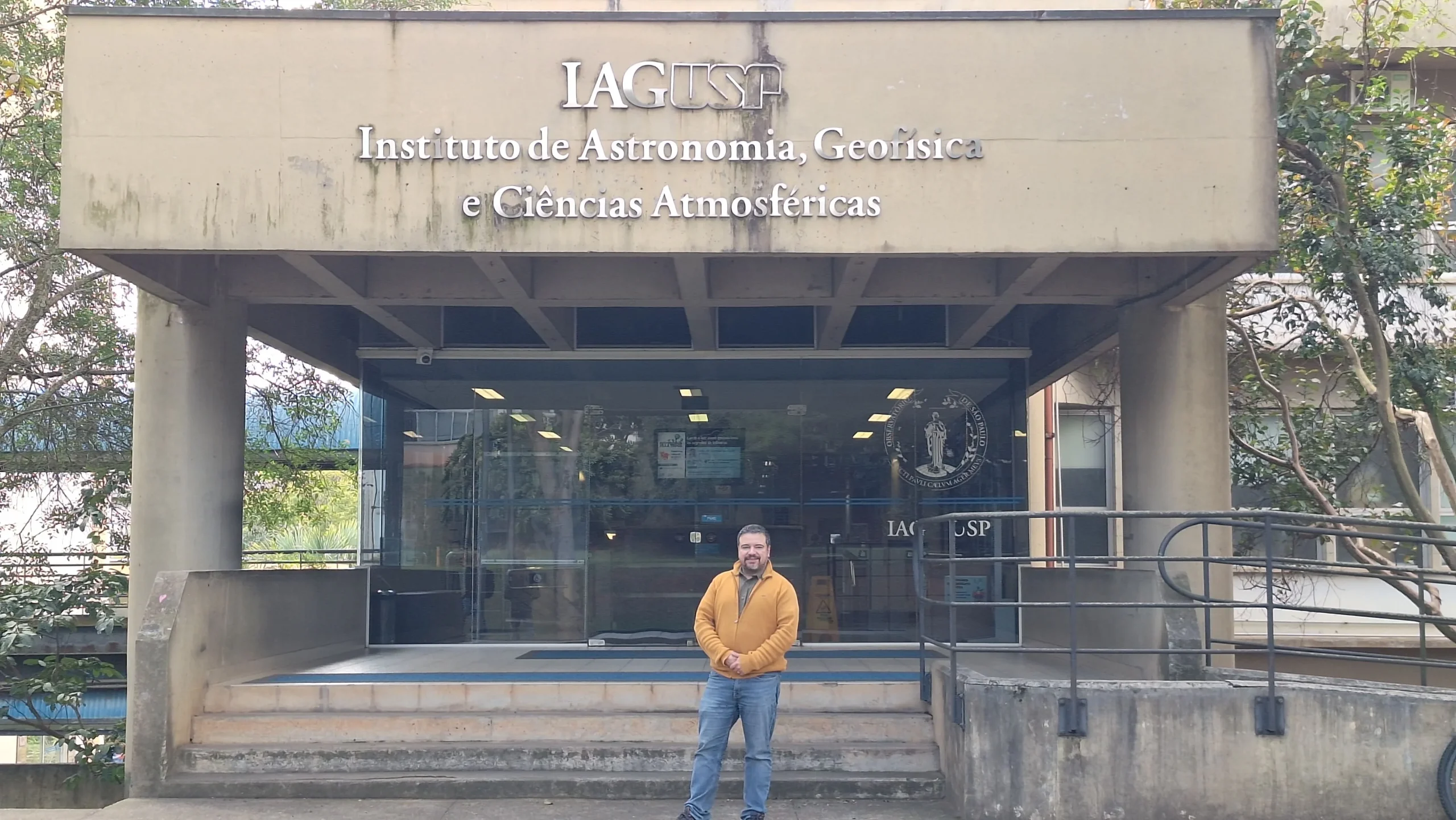 Publicado el: 01/10/2026CATA Associate Researcher concludes research stay at the University of São Paulo thanks to a Brazilian fellowship
Categories list
- Acknowledgments 29
- Astrobiology 12
- AstroCluster 1
- Black holes 21
- Corporativo 73
- Cosmology 10
- Descubrimientos 30
- Disclosure 91
- Exoplanets 19
- Extension 14
- Galaxies 29
- Galaxies formation 12
- Inter y Transdisciplina 5
- Local Universe 22
- Publications 9
- Sin categorizar 34
- Solar System 30
- Stellar formation 13
- Technology 34
- Technology Transfer 34