CATA’s General Manager moderates panel on intellectual property at U. Santo Tomás
The event brought together representatives from the academic, technological, and business communities to address the challenges of transfer and knowledge protection.
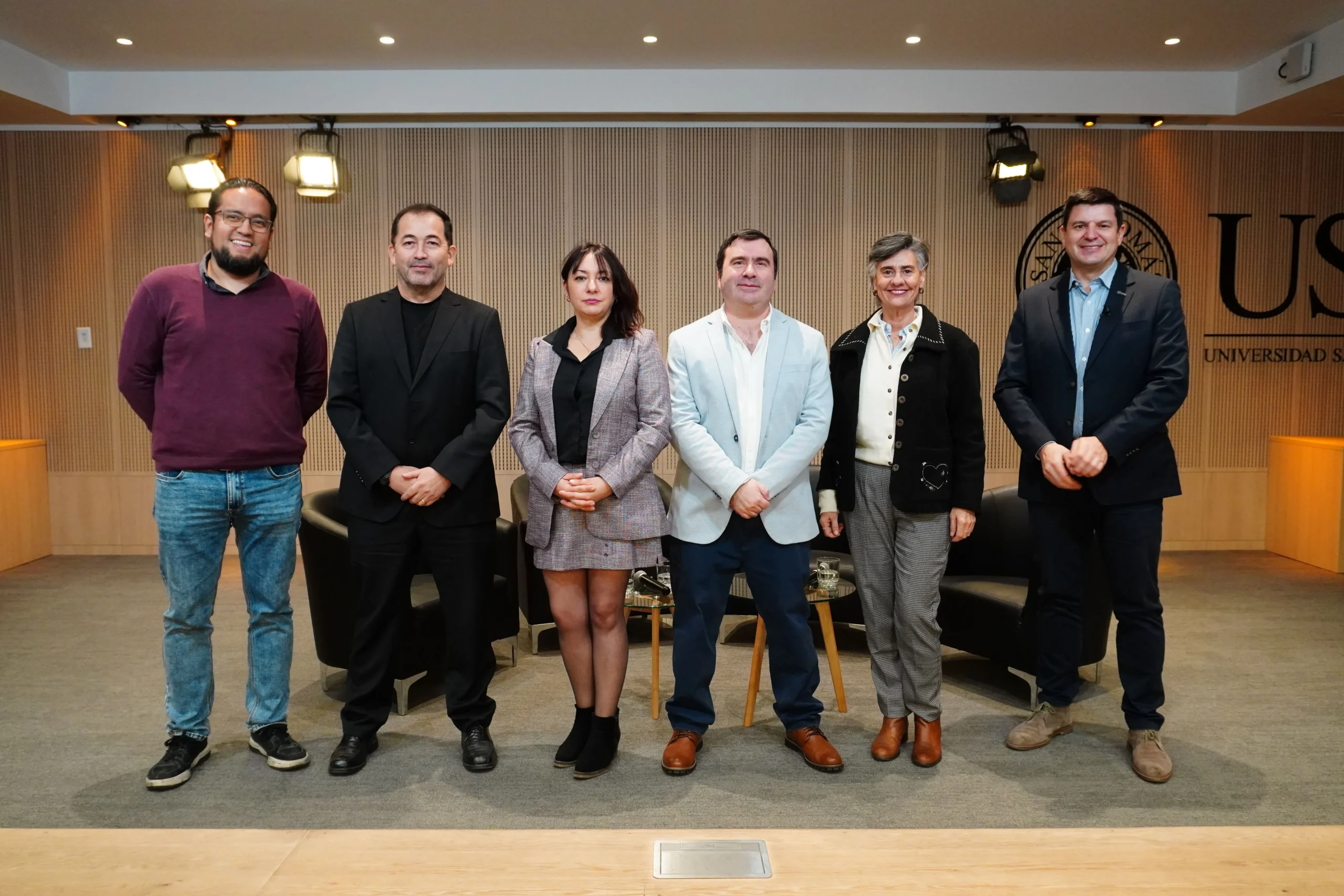
As part of International Intellectual Property Day, Santiago Prat, General Manager of the Center for Astrophysics and Associated Technologies – CATA (ANID Basal Center) served as moderator of the panel “Intellectual Property as a Strategy: Conversations from Academia, Entrepreneurship, and Technology,” an event organized by the General Directorate of Research and Innovation at Universidad Santo Tomás through its Office of Knowledge Transfer.
The event, held in the institution’s main auditorium, aimed to raise awareness of the key mechanisms for protecting the value of innovation and scientific work, bringing together students, academics, and representatives from the innovation ecosystem.
The panel, moderated by the General Manager of CATA, featured Diego Belmar, Strategy Manager at the foodtech startup Done Properly; María Cristina Paredes, CEO of WMAS and research professor at the UST School of Health; and Miguel Castro, research professor at the School of Sciences at the same university, who discussed various experiences and perspectives related to applied research, entrepreneurship, and technology.
In this way, Santiago Prat facilitated the discussion among the panelists, drawing on his experience as a lawyer specializing in intellectual property and the intersection of science, technology, and industry—areas that are central to the Center’s work in promoting technology transfer stemming from astronomical research and instrumentation.
“At CATA, we believe that intellectual property and technology transfer are essential tools for linking research to the challenges facing industry and society. Events like this one help bring these topics closer to students, researchers, and entrepreneurs from a practical perspective, while also demonstrating how collaboration between academia, businesses, and research centers can drive the development of impactful innovation,” said Santiago Prat.
Through these initiatives, CATA continues to foster collaboration between science, innovation, and industry, promoting the development of technological solutions based on astronomical knowledge and instrumentation.

Outstanding news
Recent news
-
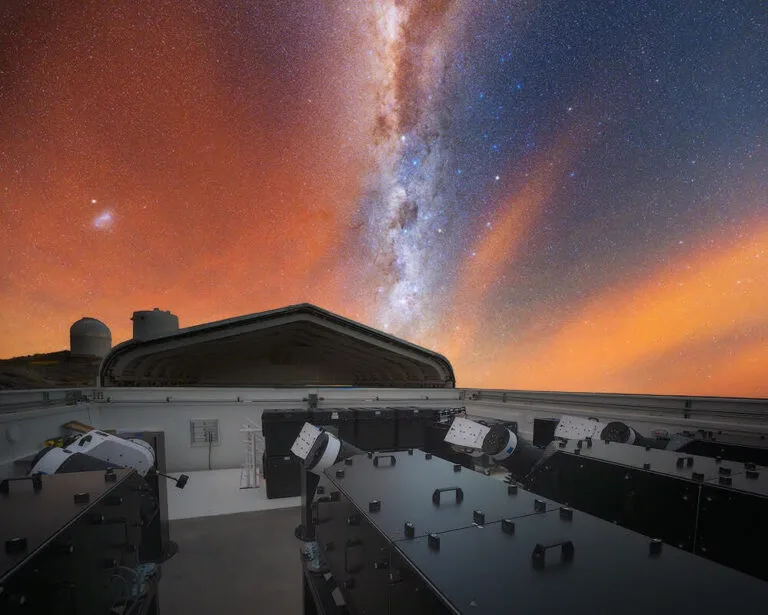 Publicado el: 19/10/2026CATA will contribute to data processing for a major international astronomy project
 -
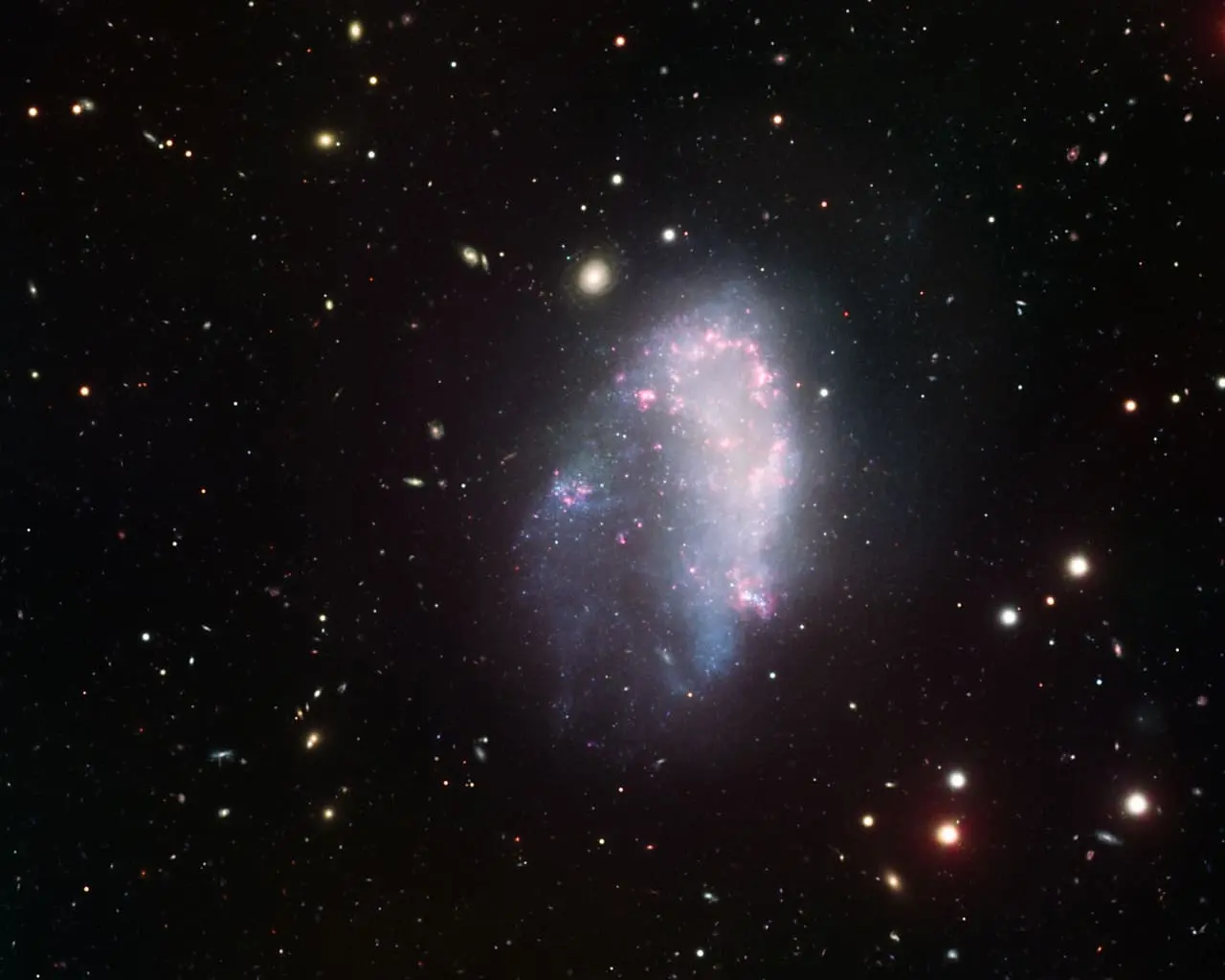 Publicado el: 19/10/2026Study led by CATA researchers solves a 30-year-old mystery about a dwarf galaxy
 -
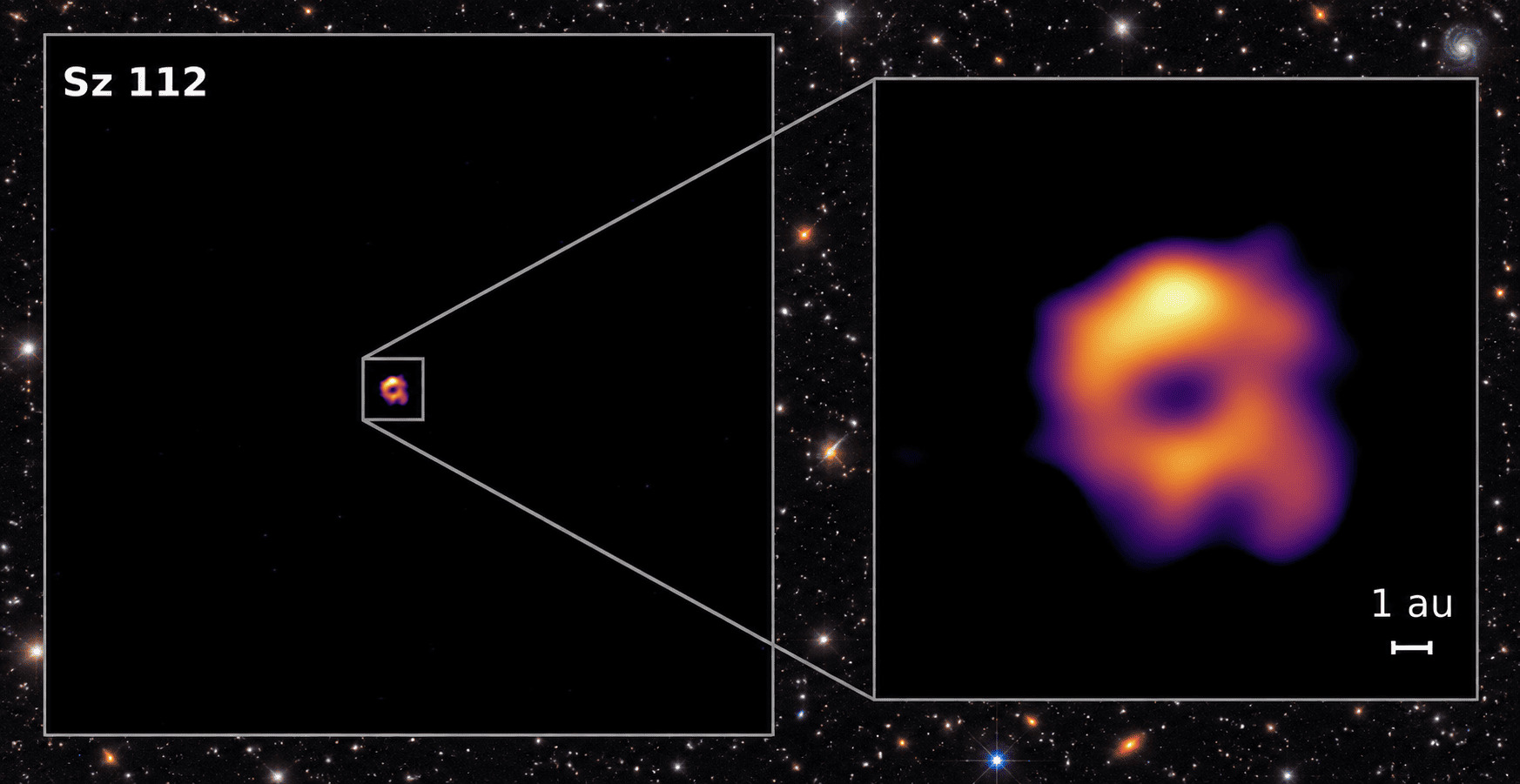 Publicado el: 15/10/2026Structures potentially associated with the formation of super-Earths and mini-Neptunes have been detected in compact disks
 -
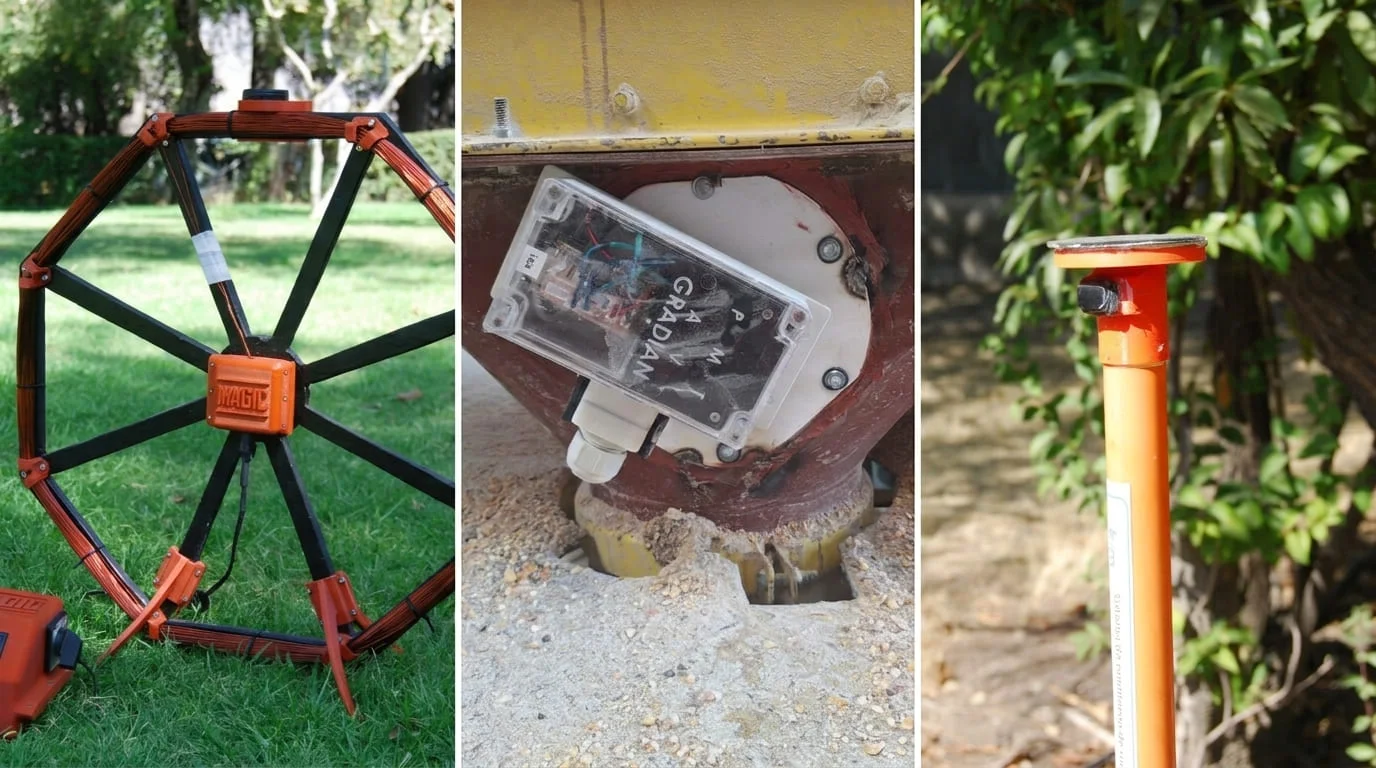 Publicado el: 09/10/2026From studying the universe to solving industry challenges: CATA’s technology transfer model in Nature Astronomy
 -
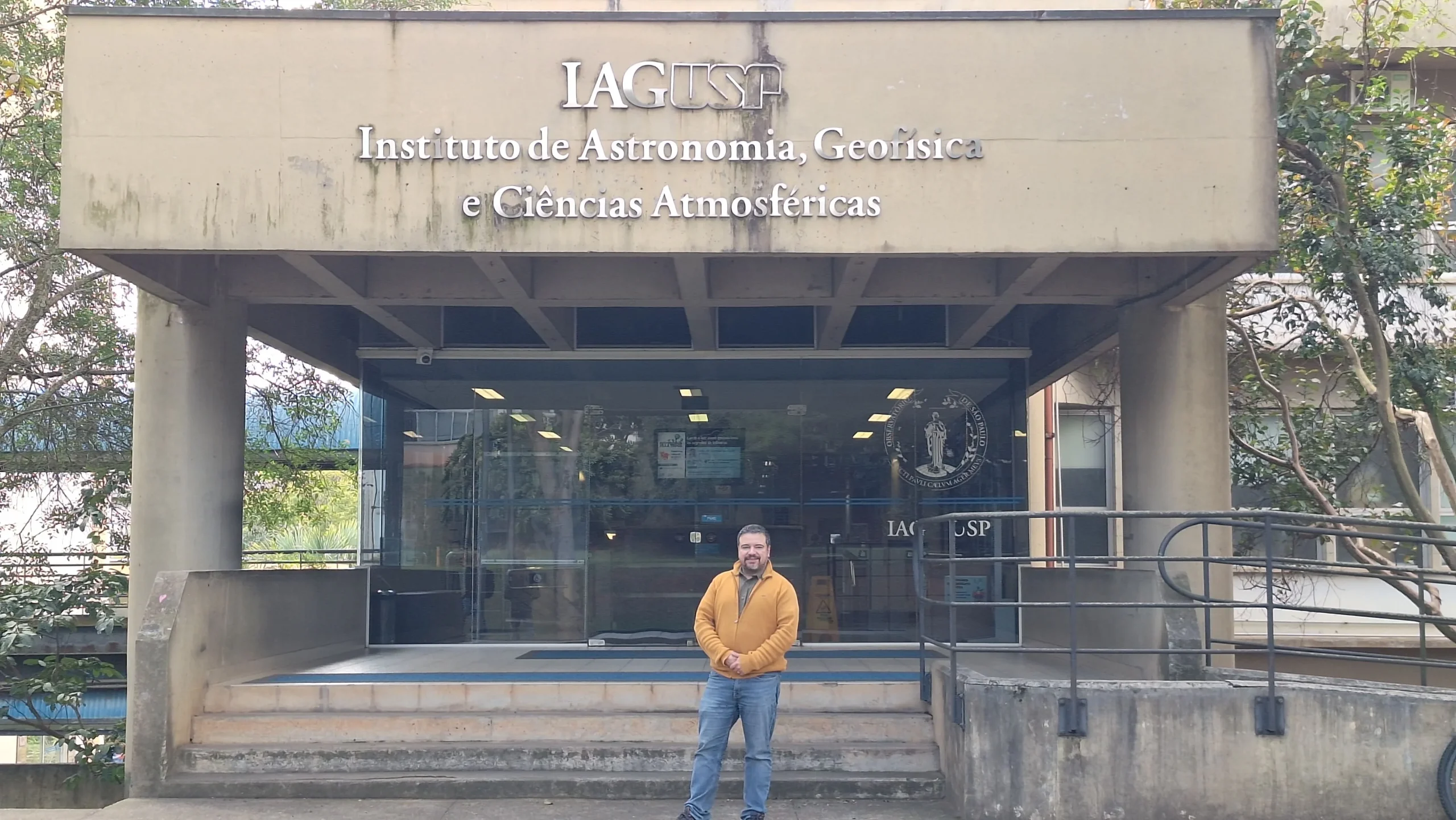 Publicado el: 01/10/2026CATA Associate Researcher concludes research stay at the University of São Paulo thanks to a Brazilian fellowship
Categories list
- Acknowledgments 29
- Astrobiology 12
- AstroCluster 1
- Black holes 21
- Corporativo 73
- Cosmology 10
- Descubrimientos 30
- Disclosure 91
- Exoplanets 19
- Extension 14
- Galaxies 29
- Galaxies formation 12
- Inter y Transdisciplina 5
- Local Universe 22
- Publications 9
- Sin categorizar 34
- Solar System 30
- Stellar formation 13
- Technology 34
- Technology Transfer 34