From studying the universe to solving industry challenges: CATA’s technology transfer model in Nature Astronomy
An article published in the journal Nature Astronomy discusses the experience of the Center for Astrophysics and Associated Technologies (CATA), which links capabilities developed in astronomical research and cutting-edge instrumentation with specific needs in the productive sector. The model, which combines partnerships with companies, technological development, and human capital development, already has 18 technologies under development in fields such as mining, the food industry, and environmental monitoring.
The development of astronomy in Chile over the past few decades has not only enabled the country to become home to some of the world’s most advanced observatories; it has also fostered scientific, technological, and human capital capabilities that can help address challenges that go beyond research into the universe.
By the end of 2025, 23 Chilean universities had astronomy research groups, and the number of astronomers affiliated with the country had nearly quadrupled since 2008. In this context, CATA—founded in 2007 and currently funded by the Ministry of Science, Technology, Knowledge, and Innovation through the National Agency for Research and Development (ANID)—has spent nearly two decades conducting cutting-edge research, developing astronomical instrumentation, training researchers, and building instrumental and technological development capabilities.
From astronomical capabilities to industrial needs
During its first decade, CATA focused much of its efforts on astrophysical research and the development of specialized instrumentation, building capabilities in areas such as radio frequency, optics, electronics, and data analysis. Beginning in 2021, this experience also began to serve as a platform for linking these capabilities to the needs of the productive sector.
According to Patricia Tissera, Director and Principal Researcher at CATA, this process resulted from the convergence of technology transfer promotion policies spearheaded by ANID and an institutional decision by the Center to incorporate this dimension as part of its development. “The real change came when CATA launched a Technology Transfer Unit with the support of the principal investigators, and a mechanism was established to bring solutions from astronomy to industry. That was the true turning point: defining technology transfer as an institutional strategy,” says Tissera.
The model developed by CATA involves a two-way approach: on the one hand, identifying the capabilities and technologies that emerge from research, and, at the same time, understanding the problems and challenges faced by industry in order to explore solutions through science and technology.
The very nature of astronomy offers a wide range of possibilities. To study celestial objects—many of which are extremely distant and faint—scientists and engineers develop instruments capable of detecting faint signals, processing large volumes of data, and operating with a high degree of precision.
En ese sentido, explica Tissera, “la astronomía nos obliga a trabajar permanentemente en los límites del conocimiento, nos empuja a detectar señales extremadamente débiles y alcanzar niveles de precisión cada vez más exigentes. Nos motiva a usar nuestro conocimiento, imaginación y creatividad para abordar preguntas sobre nuestro Universo”.
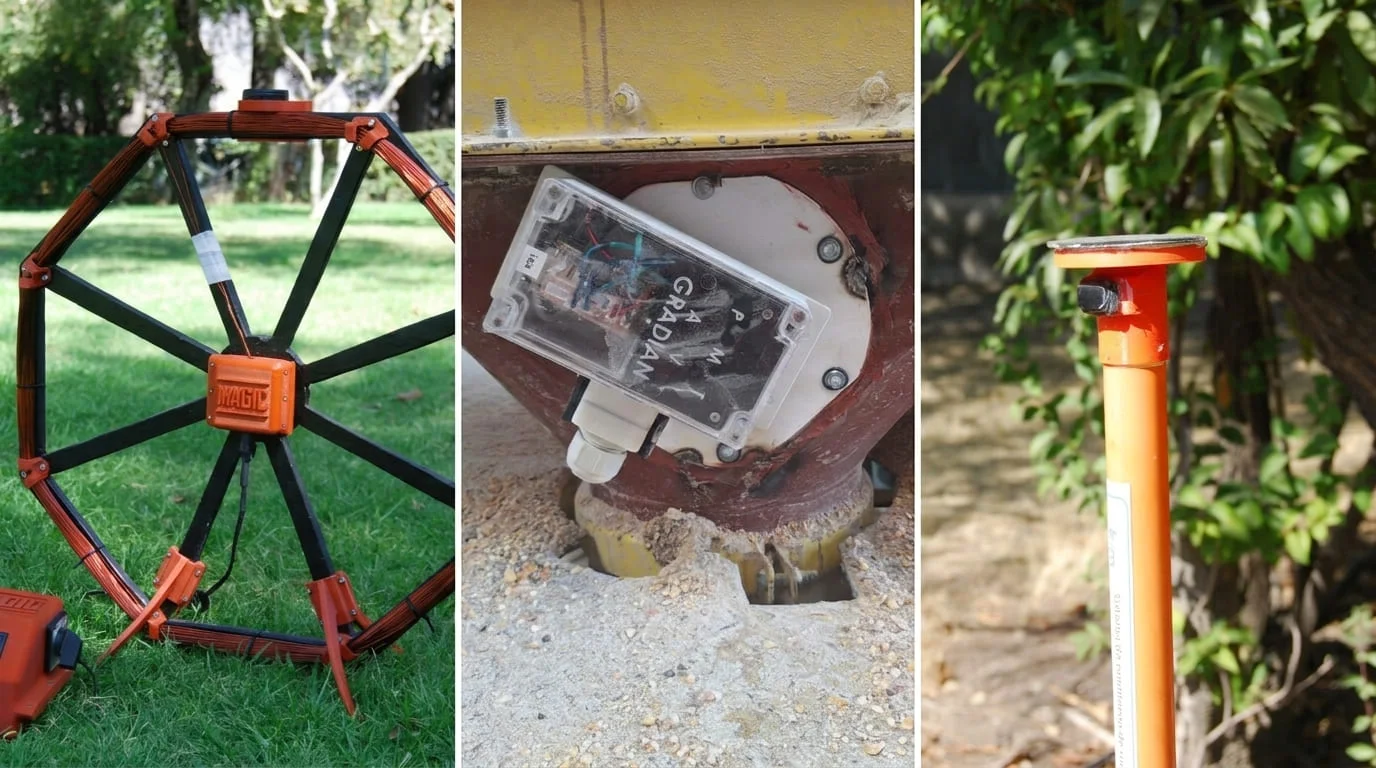
These capabilities and methodologies can find new applications when linked to specific needs. Among the developments spearheaded by CATA are the adaptation of spectroscopy techniques used in astronomy to identify and classify grains in the agri-food industry; low-frequency communication systems, developed from radioastronomy capabilities to transmit signals at mining sites without the need for Wi-Fi; and applications of optical instrumentation and spectral analysis for the detection of red tides.
In total, over the past three years, CATA has developed a portfolio of 18 technologies with maturity levels ranging from TRL 3 (proof of concept) to TRL 7 (demonstration in a real-world operational environment), in collaboration with stakeholders from the private sector.
Working with the industry to address the problem
For CATA, technology transfer is not merely about finding an application for a technology that has already been developed. A fundamental part of the process is gaining firsthand insight into companies’ needs and creating opportunities for collaboration that allow us to identify where scientific and technological capabilities can add value.
This collaboration is coordinated by the Technology Transfer Unit, which connects researchers, engineers, and companies; identifies opportunities for application; supports the development of technologies; and addresses issues related to intellectual property, financing, and market engagement.
For Santiago Prat, General Manager of CATA, institutionalizing this process has been one of the key achievements. “At first, innovation depended on individual initiative. Today, it is based on a management process, and that sustained cultural shift is just as important as any technology we have transferred.”
Interaction with industry also makes it possible to adapt developments originally designed to answer scientific questions to production contexts with different requirements. “The challenge isn’t just science. It’s vision, time, language, and trust—and that isn’t solved with a bigger budget; it’s solved with more accumulated experience and a proactive strategy,” says Prat.
This work involves understanding the technical requirements of each sector, validating solutions under real-world conditions, and progressively moving from a scientific or technological capability toward an application that can address a specific industry need.
Human capital training for innovation
The technology transfer experience has also led to changes in human capital development. In addition to the scientific skills specific to astronomy, researchers and students have acquired knowledge in areas such as artificial intelligence, project management, and entrepreneurship.
This process yields concrete results, as approximately 20% of the doctoral graduates from CATA over the past four years have joined the industry, contributing to the flow of highly specialized human capital into the productive sector. “For us, knowledge transfer doesn’t just mean taking a technology from a laboratory to a company. It also means training people who are capable of identifying problems, developing solutions, and navigating different fields of knowledge with resilience and adaptability,” Tissera emphasizes.
The article published in Nature Astronomy argues that consolidating these processes requires time, institutional capacity, and sustained coordination among science, government, and industry. It also highlights the need to foster a cultural shift across all related sectors in order to recognize the value of basic science and establish effective communication among the parties involved. In the case of CATA, nearly two decades of cutting-edge research, technological development, and human capital development have laid the groundwork for addressing new productive challenges through science.
For Tissera, the next challenge is to deepen this relationship and move from technological validation toward its permanent integration into the productive sector. “What lies ahead for us is not to demonstrate that the model works, but to consolidate the transition from technological validation to sustained adoption by the industry,” he concludes.
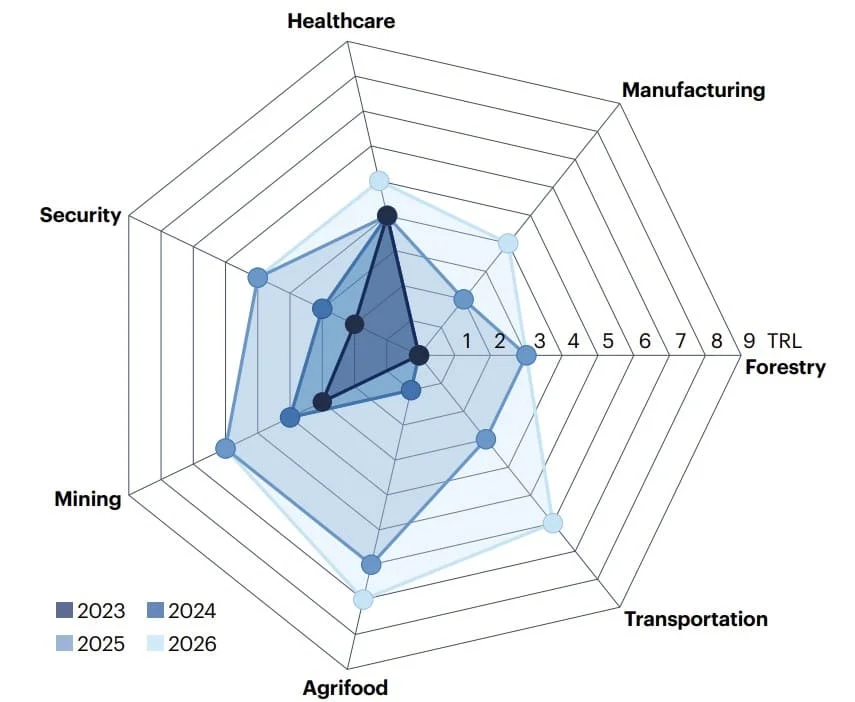
Trends in the technological maturity of CATA projects between 2023 and 2026. A pie chart showing the TRL (on a scale of 1 to 9) achieved by technologies derived from CATA in seven industrial sectors over the four-year period from 2023 to 2026. Each axis represents a sector, and the radial distance indicates the TRL achieved. The colored polygons correspond to the successive years 2023, 2024, 2025, and 2026, represented by a scale of blue hues ranging from dark to light. The outward expansion of the polygons illustrates the progressive maturation and diversification of technology transfer from astronomical research to industrial applications.
Outstanding news
Recent news
-
Publicado el: 09/10/2026From studying the universe to solving industry challenges: CATA’s technology transfer model in Nature Astronomy
-
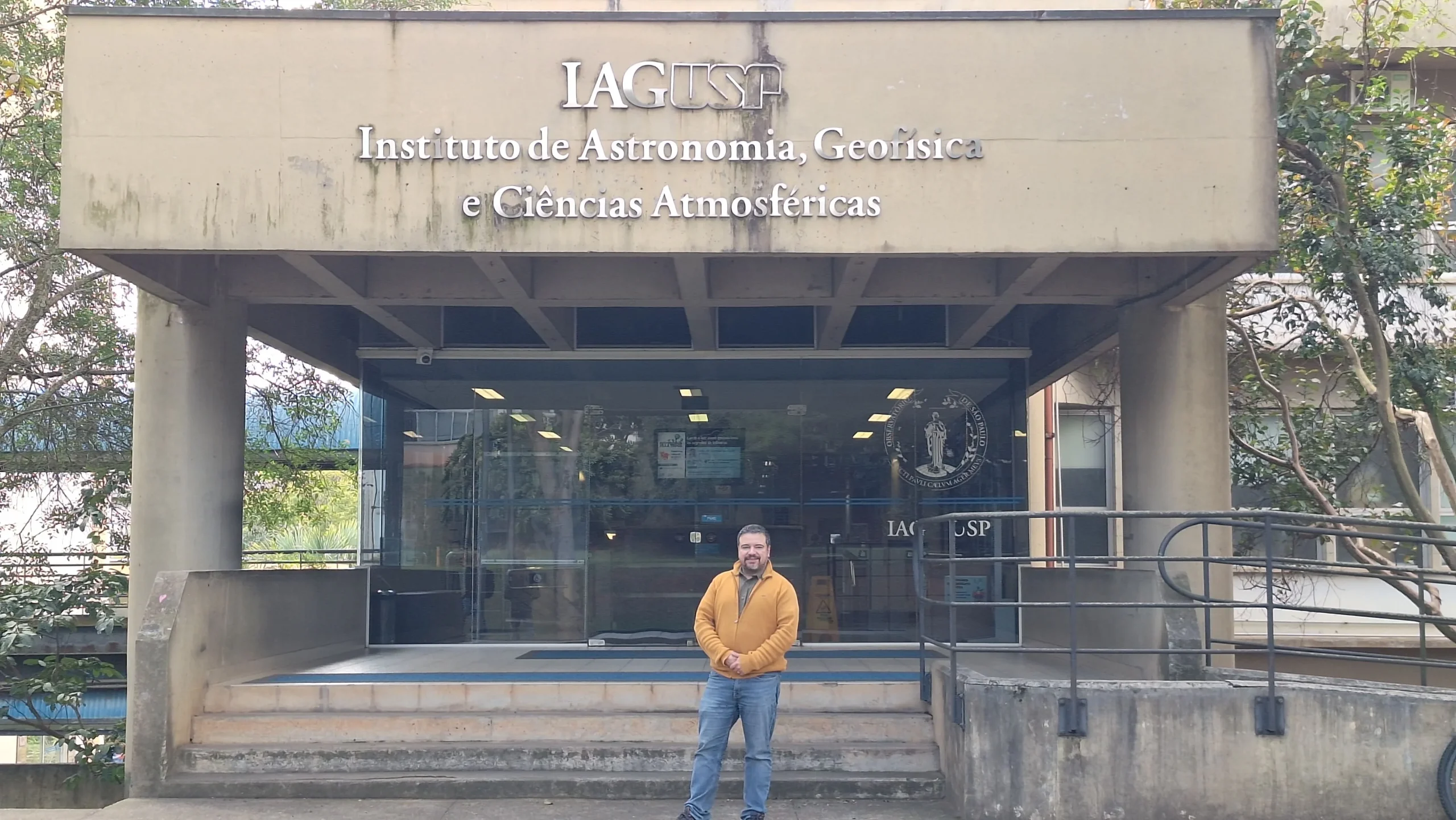 Publicado el: 01/10/2026CATA Associate Researcher concludes research stay at the University of São Paulo thanks to a Brazilian fellowship
 -
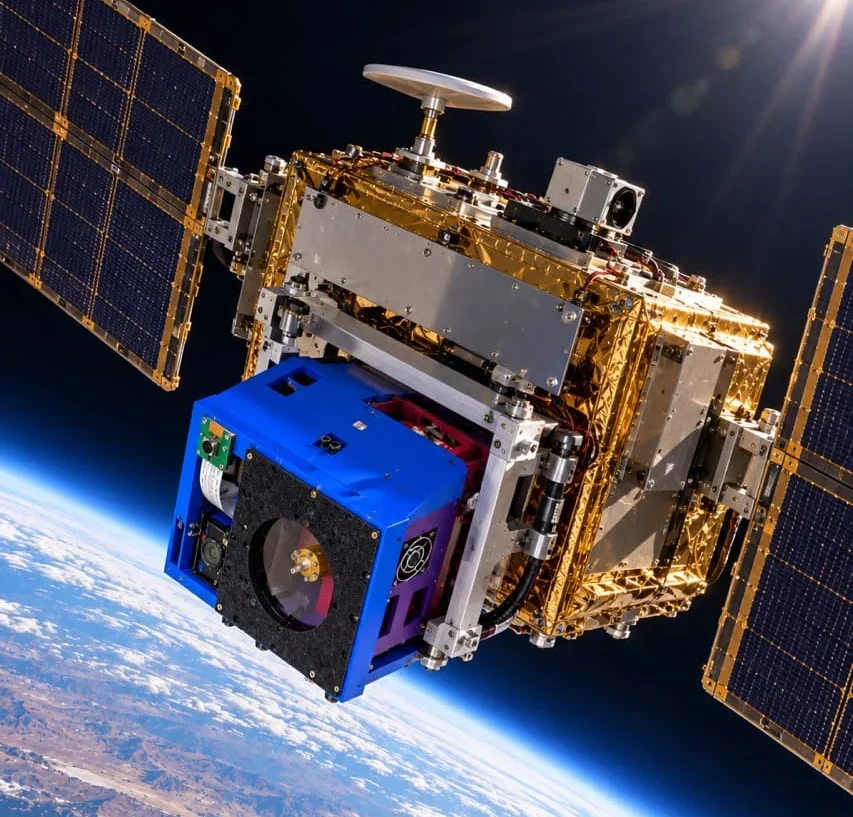 Publicado el: 29/09/2026Chilean technology aims to improve the accuracy of telescopes studying the origin of the Universe
 -
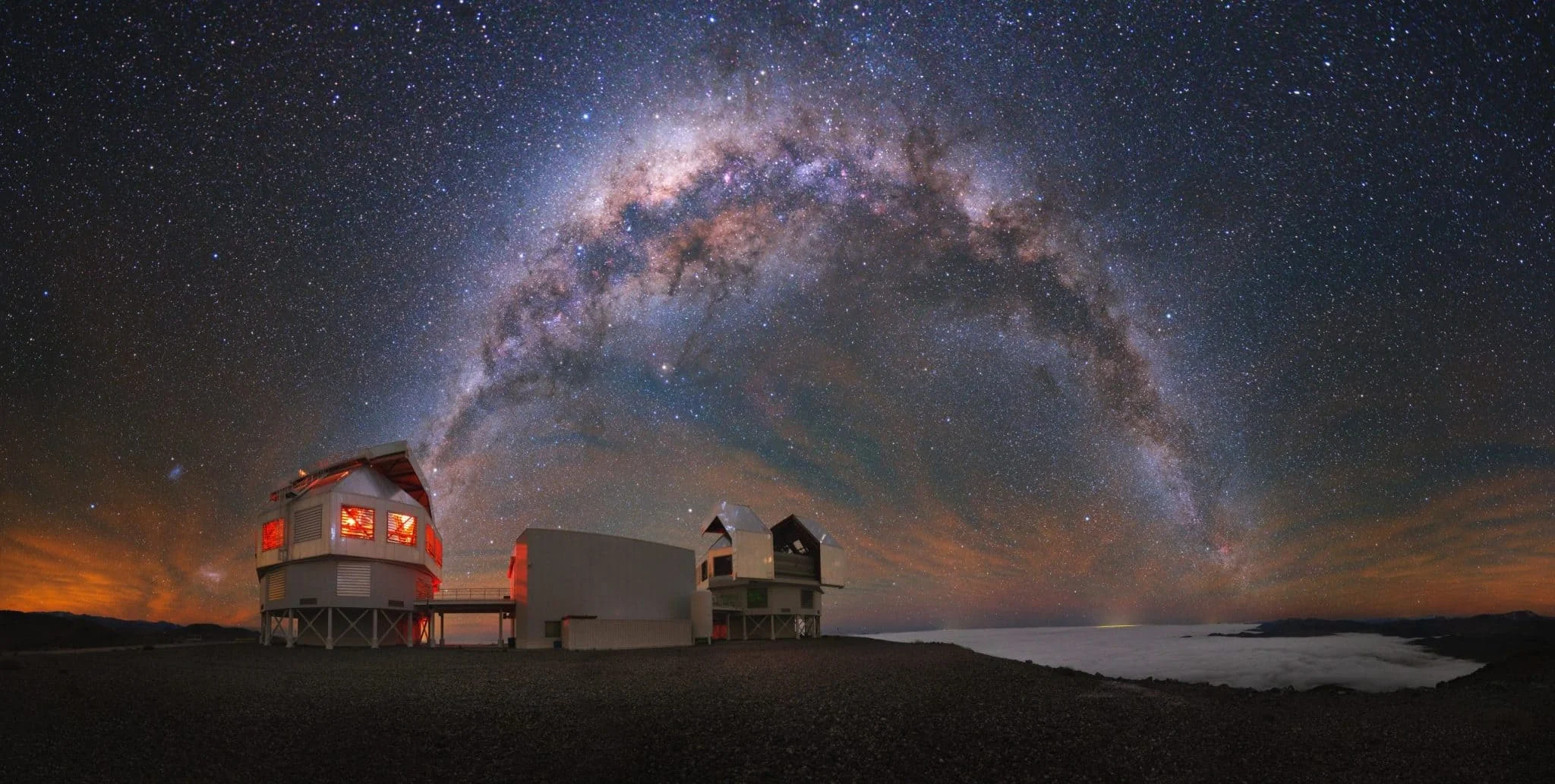 Publicado el: 25/09/2026CATA Associate Researcher named Director of the Las Campanas Observatory
 -
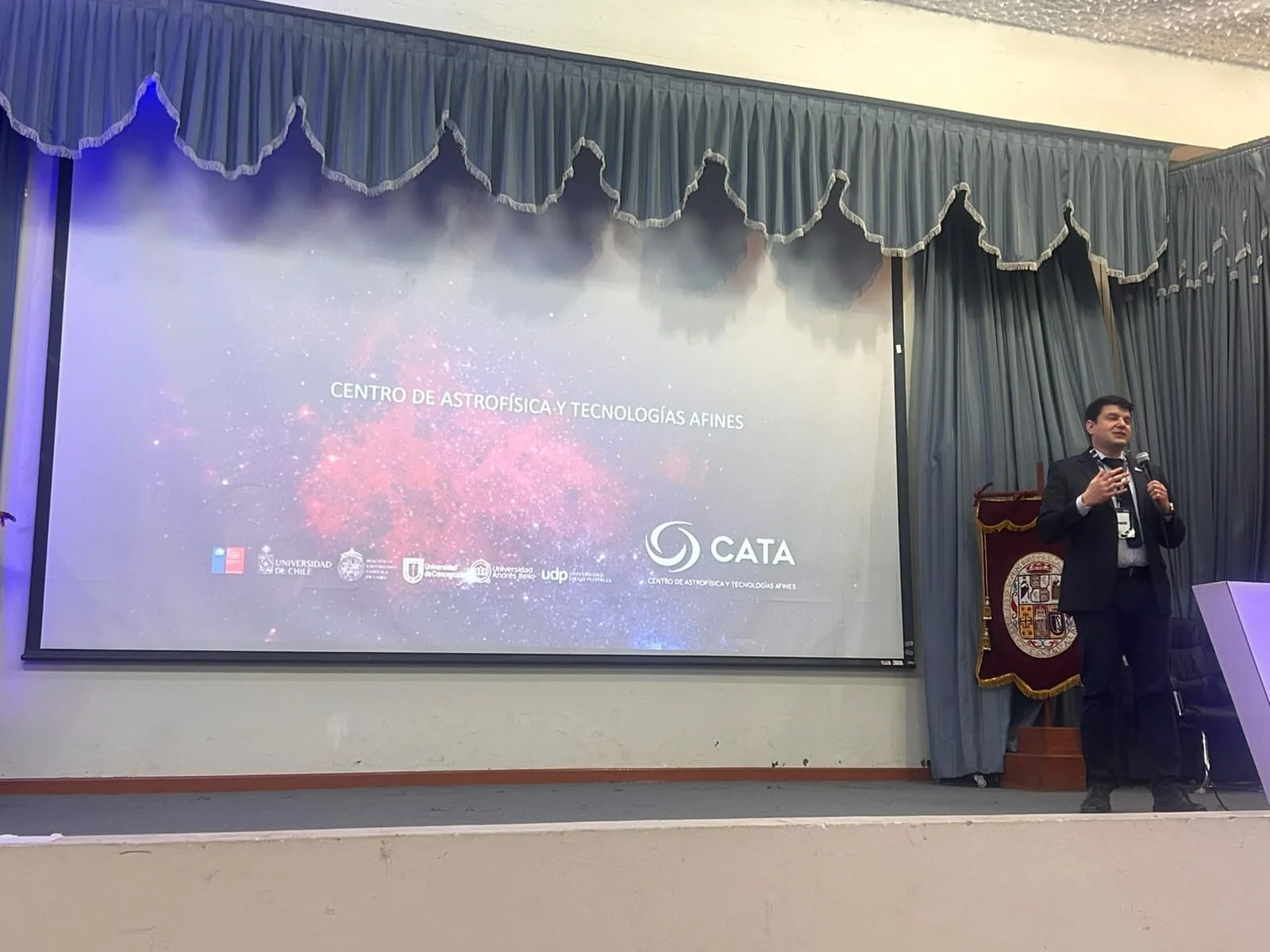 Publicado el: 23/09/2026CATA’s General Manager presented the Center’s technology transfer model at an international meeting in Peru
Categories list
- Acknowledgments 29
- Astrobiology 12
- AstroCluster 1
- Black holes 21
- Corporativo 73
- Cosmology 10
- Descubrimientos 28
- Disclosure 91
- Exoplanets 18
- Extension 14
- Galaxies 28
- Galaxies formation 10
- Inter y Transdisciplina 5
- Local Universe 22
- Publications 9
- Sin categorizar 34
- Solar System 30
- Stellar formation 12
- Technology 33
- Technology Transfer 34