The 2026 Eta Aquariids: how to watch the upcoming meteor shower visible from Chile
Sandro Villanova, Associate Researcher at CATA and Director of the Astronomy Degree Program at UNAB’s Concepción campus, provides details about this event.
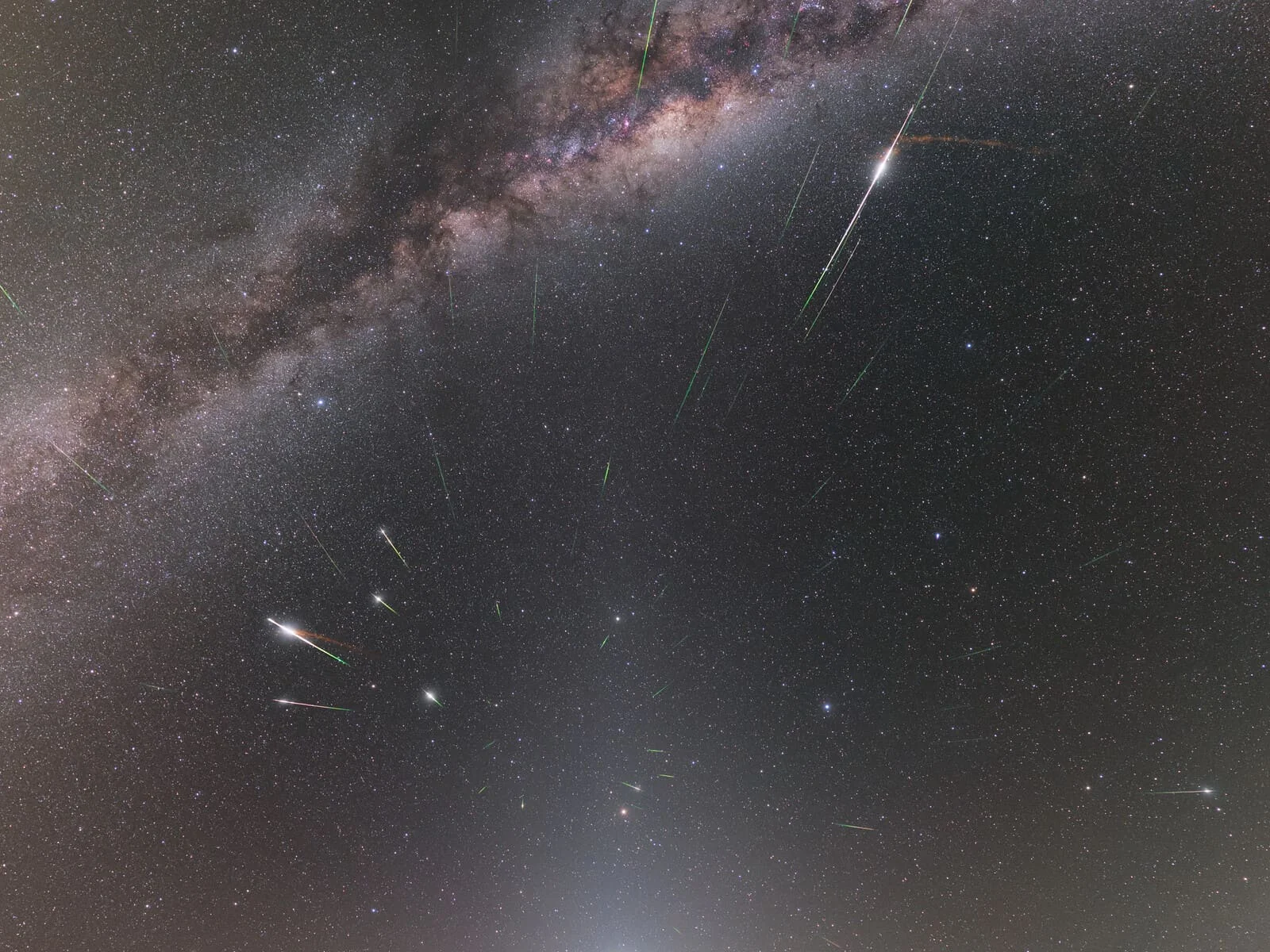
In early May, the Eta Aquarid meteor shower—one of the most spectacular astronomical events of 2026—will take place, offering a spectacular display visible from various locations across Chile. This phenomenon will reach its peak activity on the night of May 5–6, during which time the number of meteors visible in the sky will increase.
Sandro Villanova, Research Associate at the Center for Astrophysics and Associated Technologies – CATA (ANID Basal Center) and Director of the Astronomy Degree Program at the Universidad Andrés Bello Concepción campus, provides insights into their origin, characteristics, and optimal viewing conditions.
Where does this phenomenon come from?
The Eta Aquariids are a meteor shower—commonly known as a “star shower” or “shooting stars”—that occurs every year when the Earth passes through a stream of particles left behind by Halley’s Comet along its orbit.
“It’s a very unique event, because it originates from Halley’s Comet, the first comet recognized as periodic—that is, a celestial body that we know returns to the inner solar system approximately every 76 years,” explains Villanova, researcher at CATA and professor at UNAB.
The phenomenon occurs when our planet crosses a “trail” of dust that this comet left behind in the past. “The Earth passes through this dust tail, and these tiny particles are captured by its gravity. As they enter the atmosphere, they burn up and produce the flashes we see from the surface,” he adds.
In addition, the director emphasizes that these are extremely tiny particles. “They are very small specks of dust that burn up completely in the upper atmosphere and never reach the Earth’s surface.”
The event gets its name because the meteors appear to originate from the constellation Aquarius, specifically from the vicinity of the star Eta Aquarii.
How to observe the Eta Aquarids from Chile?
Although this meteor shower is visible from late April through the end of May, it will reach its peak activity on the nights of Tuesday, May 5, and Wednesday, May 6. In this context, Chile offers particularly favorable conditions for observing this phenomenon due to its geographic location. “It’s a meteor shower that can be seen very well from Chile, because the best place to observe it is in our hemisphere around 30 degrees south latitude. Our country is right in that range, making it an ideal location,” says Villanova.
The astronomer emphasizes that the best time for viewing will be during the second half of the night, up until just before dawn. “The constellation Aquarius begins to rise around 2:00 a.m. From that point on, you can already see some meteors, but the closer it gets to dawn, the better the viewing conditions will be,” explains the CATA associate researcher.
Although the peak occurs on this specific date, the phenomenon lasts for several weeks. “It’s not a one-night event. The rain lasts for more than a month because this dust trail is wide, and it’s the Earth that passes through it every year,” adds the professor, who is also affiliated with the UNAB campus in Concepción.
As for viewing conditions, the Moon may interfere with the visibility of these meteors. “Around the nights of May 5 and 6, our natural satellite will be in its waning phase with a significant portion illuminated, casting a considerable amount of light that could make it difficult to see the fainter meteors,” he notes.
However, this doesn’t prevent them from being observed either. “If you wait a few days, when the Moon’s brightness diminishes, visibility improves considerably. In fact, conditions can be much more favorable around the time of the new moon,” adds the astronomer.
The CATA researcher recommends observing from dark locations, away from light pollution, and looking toward the east, where the radiant point is located, although meteors can appear in different parts of the sky. “Most aren’t very bright, but if the dust particle is large enough, it can produce a very bright meteor, capable of illuminating a large part of the sky for a few moments,” the professor emphasizes.
On the other hand, those who wish to better plan their observation can use astronomy apps such as Star Walk or Stellarium, which allow users to locate the constellation Aquarius and track the movement of the night sky in real time based on their location, making it easier to find the point from which the meteors originate.
Does this phenomenon pose any risk?
The Eta Aquarid meteor shower poses no risk to Earth or to people. “It’s a beautiful sight that poses no danger, since the dust particles completely disintegrate in the atmosphere and therefore have no effect on the Earth’s surface,” explains Villanova.
What can we learn from these phenomena?
In addition to their visual appeal, this phenomenon allows us to gain a deeper understanding of comets and their role in the history of the Solar System. “Events like these help us explain what comets are and why they are important. For example, there is a hypothesis that Earth’s water comes from these bodies, since they are rich in volatile elements such as water,” the researcher notes.
Furthermore, these objects may be linked to the origin of life on Earth. “It is believed that many of the fundamental compounds, such as amino acids, may have been brought to Earth by comets.”
Finally, the CATA researcher emphasizes that events like these provide an opportunity to bring astronomy closer to the public, sparking interest in the universe and helping people understand key processes in the formation of the Solar System and the emergence of life.
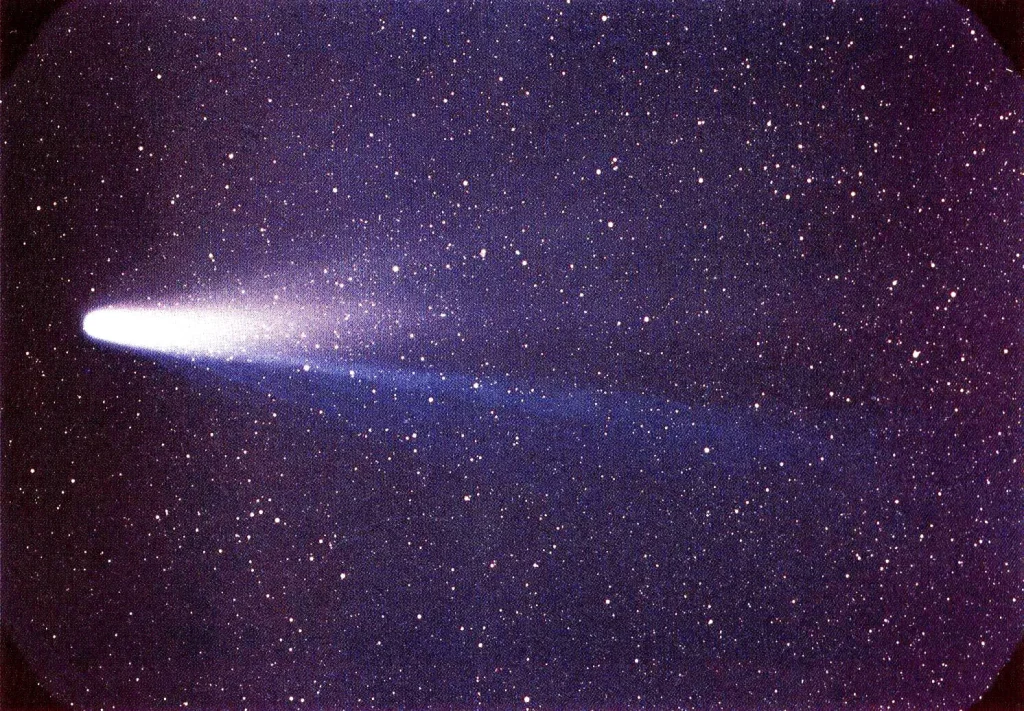
Comet 1P/Halley, photographed on March 8, 1986, by W. Liller on Easter Island as part of the International Halley Watch (IHW) Large-Scale Phenomena Network. Credit: NASA/W. Liller.
Outstanding news

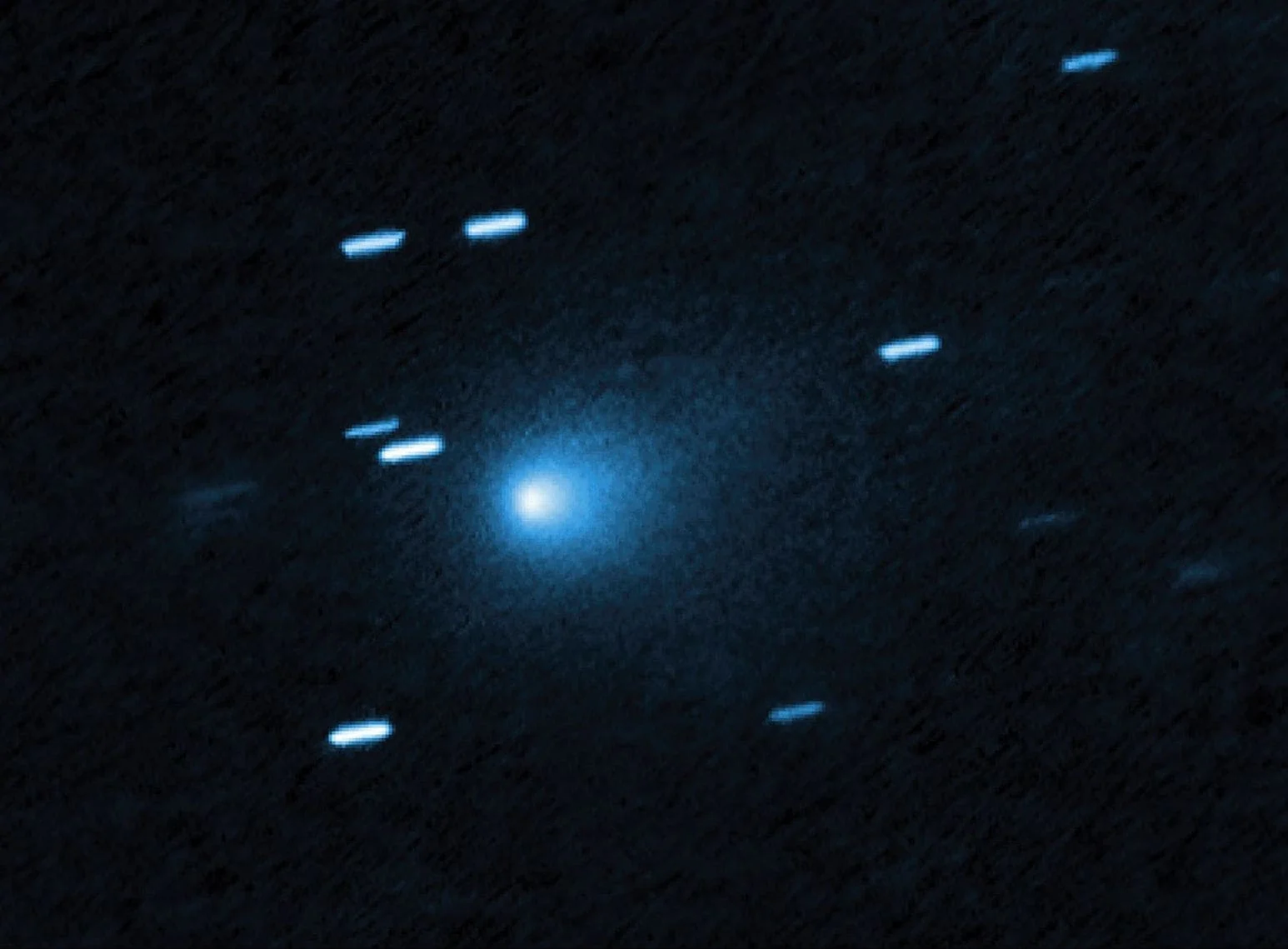
Recent news
-
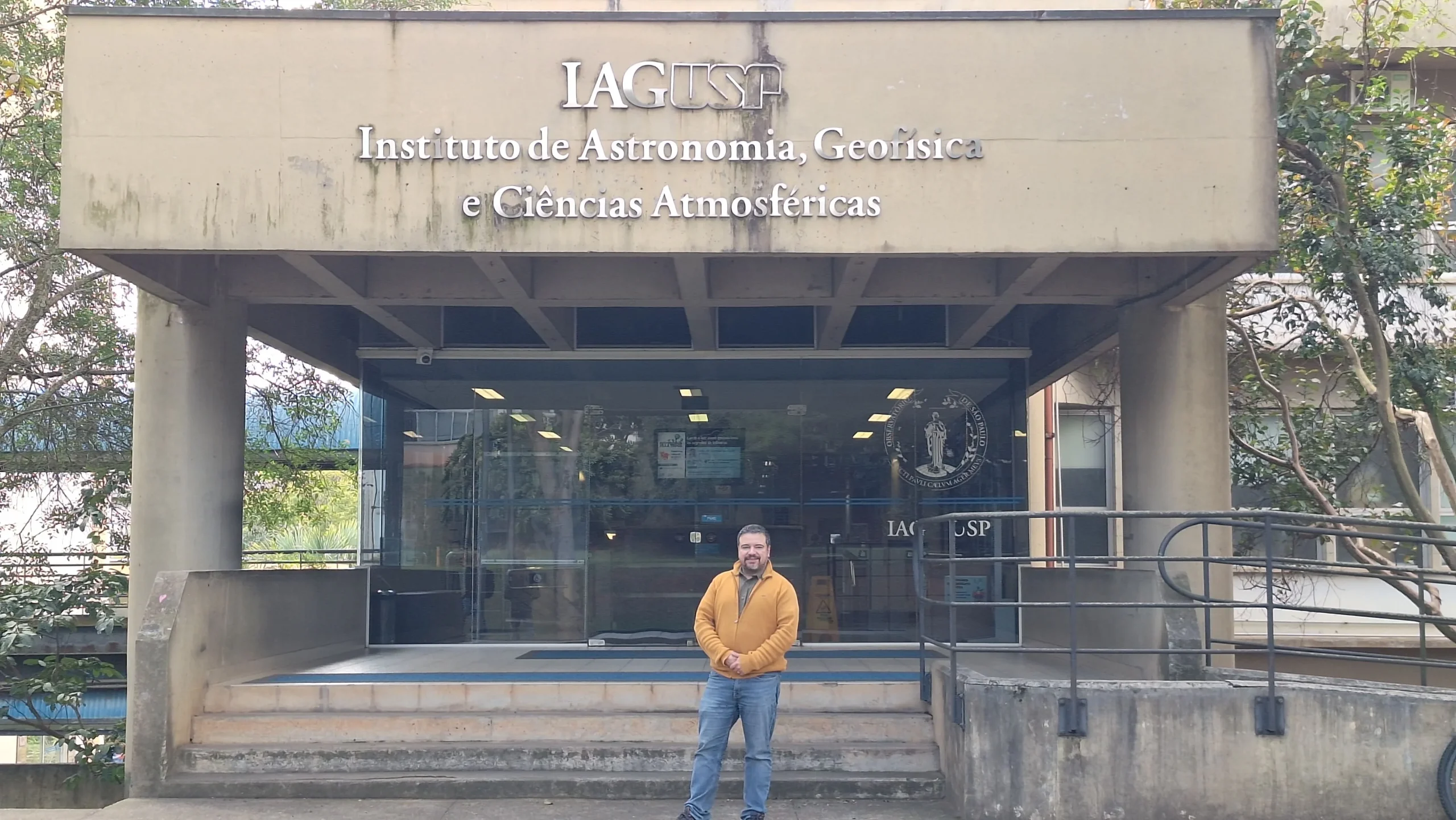 Publicado el: 01/10/2026CATA Associate Researcher concludes research stay at the University of São Paulo thanks to a Brazilian fellowship
 -
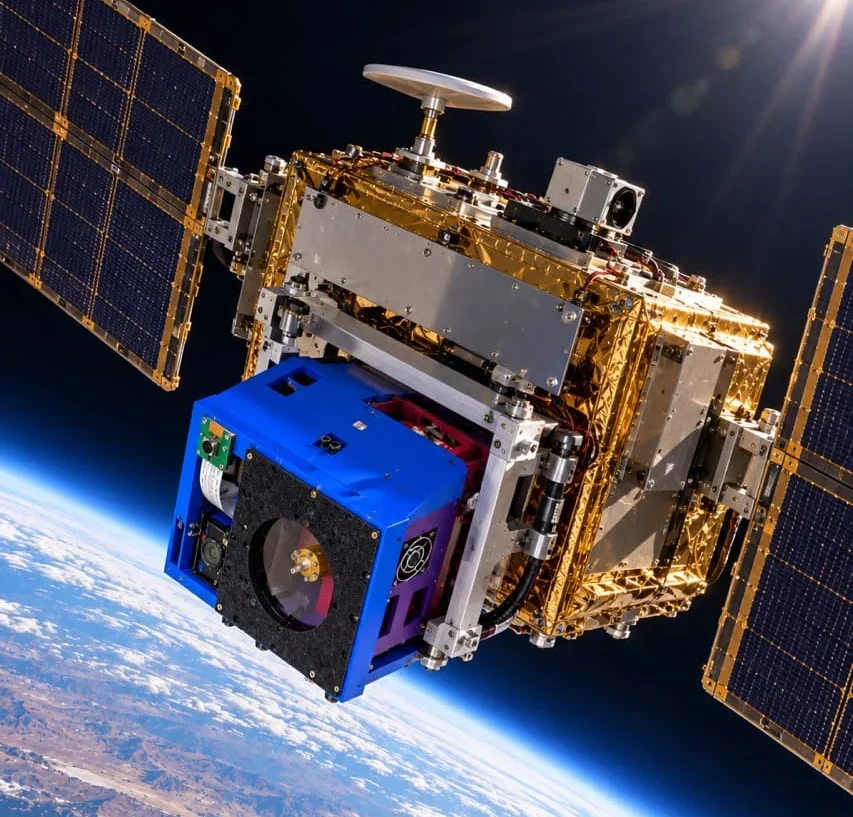 Publicado el: 29/09/2026Chilean technology aims to improve the accuracy of telescopes studying the origin of the Universe
 -
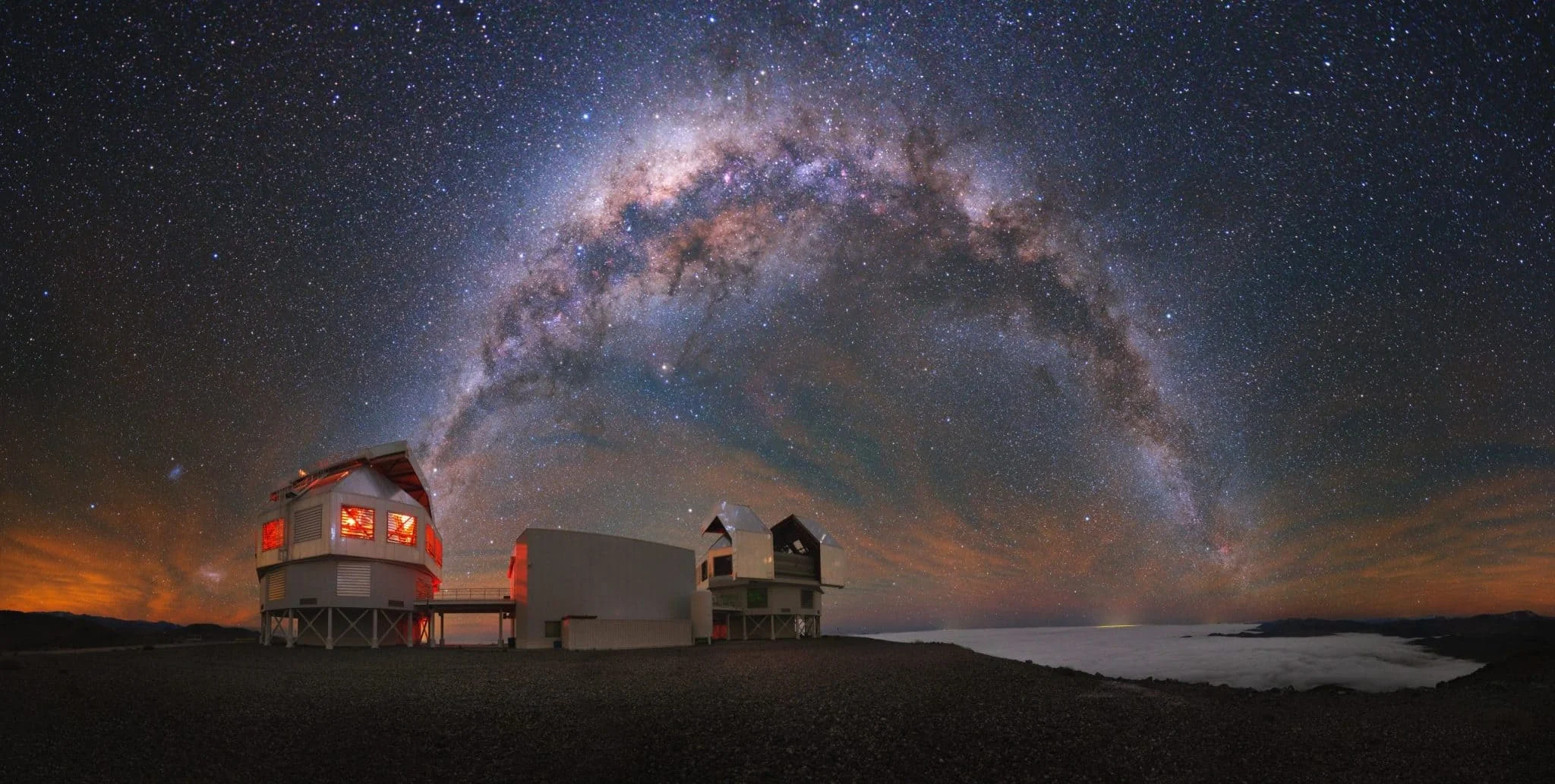 Publicado el: 25/09/2026CATA Associate Researcher named Director of the Las Campanas Observatory
 -
 Publicado el: 23/09/2026CATA’s General Manager presented the Center’s technology transfer model at an international meeting in Peru
 -
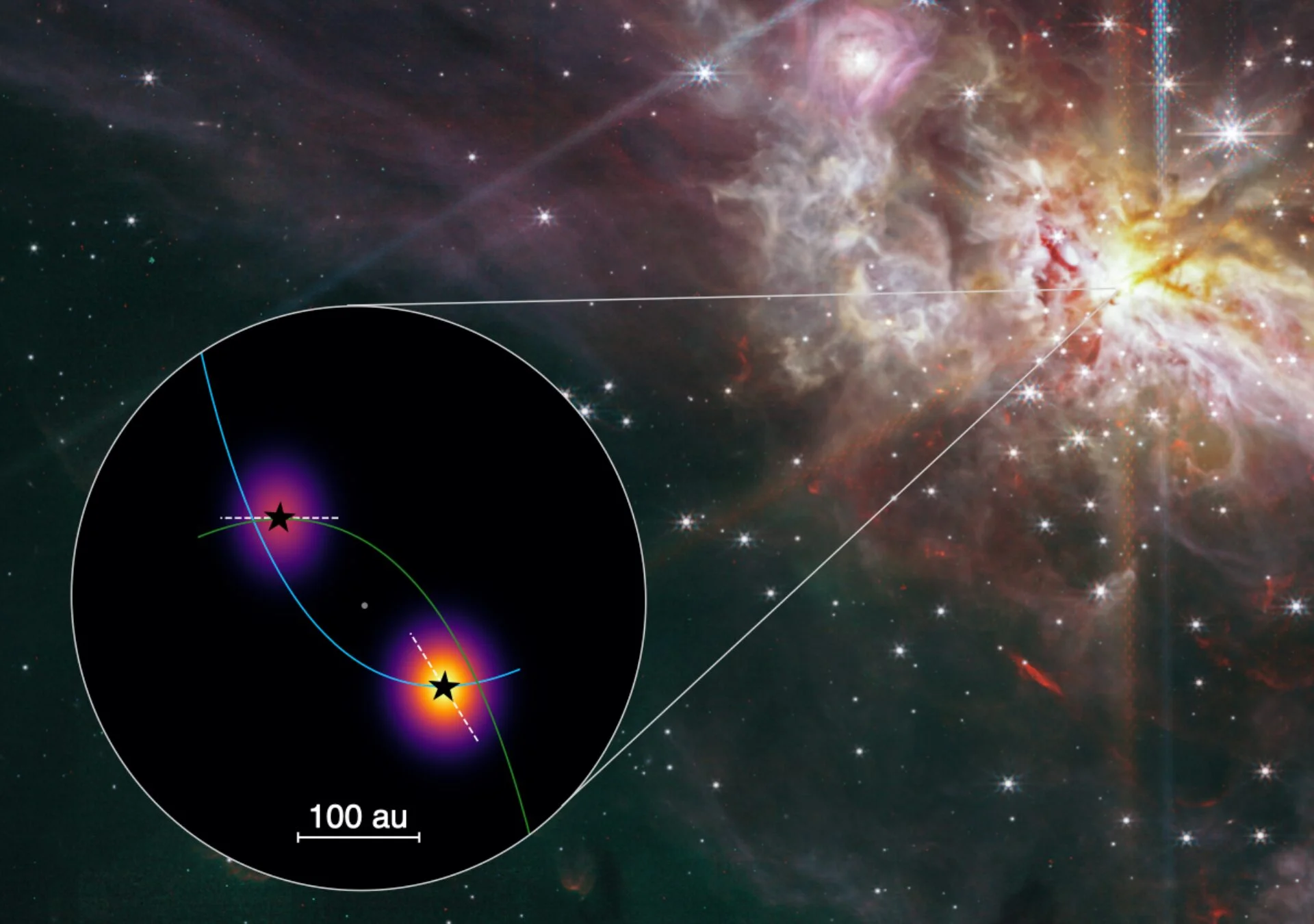 Publicado el: 08/09/2026The wedding dance of massive stars: Astronomer from CATA and the Universidad de Chile contributes to historic discovery
Categories list
- Acknowledgments 28
- Astrobiology 12
- AstroCluster 1
- Black holes 21
- Corporativo 73
- Cosmology 10
- Descubrimientos 28
- Disclosure 91
- Exoplanets 18
- Extension 14
- Galaxies 28
- Galaxies formation 10
- Inter y Transdisciplina 5
- Local Universe 22
- Publications 9
- Sin categorizar 34
- Solar System 30
- Stellar formation 12
- Technology 32
- Technology Transfer 33