CATA is strengthening its ties with industry through its 2026 Technology Roadmap
The event provided an opportunity to link technological advancements with real-world challenges in the productive sector, demonstrating how the Center’s cutting-edge research and engineering generate concrete solutions with economic and social impact.
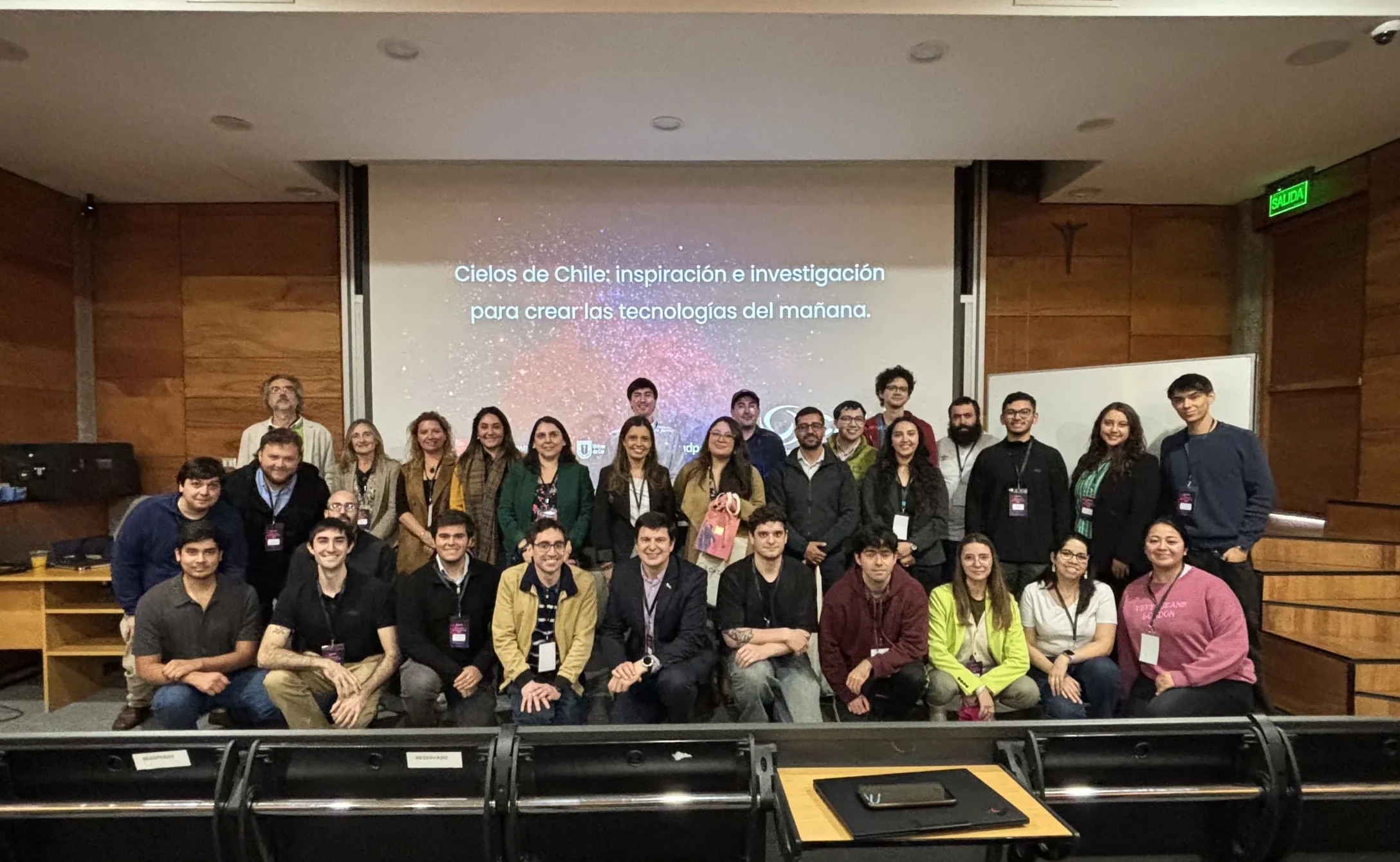
With the participation of industry representatives, the Center for Astrophysics and Associated Technologies – CATA (ANID Basal Center) held its 3rd 2026 Technology Roadmap Conference, an event that emphasized the alignment between technological innovation and the real needs of enterprises.
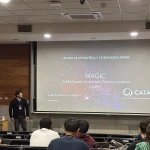
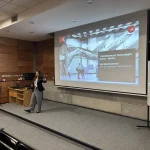
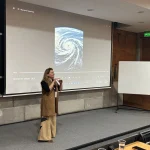
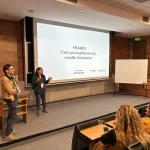
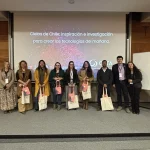
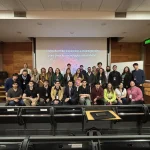
The event took place on Monday, April 27, in the Ninoslav Bralic Auditorium at the Institute of Astrophysics of the Pontificia Católica Universidad de Chile (UC) and featured a day of presentations, collaborative work, and networking opportunities. The opening remarks were delivered by Patricia Tissera, Director of CATA, alongside Santiago Prat, General Manager, and Claudia San Martín, Innovation Leader, who emphasized the importance of maintaining a constant connection between scientific research and industry challenges, highlighting the Center’s technological capabilities and human capital to address these needs.
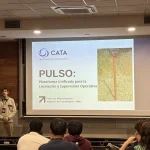
During the event, success stories were presented, such as the PULSO and MAGIC projects, developed in collaboration with the Millimeter Wave Laboratory (MWL) at the University of Chile, demonstrating astronomy’s potential to generate applications across various sectors.
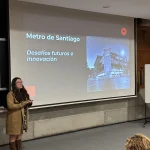
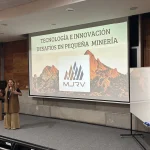
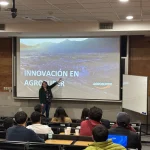
In addition, opportunities for direct dialogue were created with companies such as Metro de Santiago, Minera JRV, and Agrosuper, whose representatives shared their experiences collaborating with CATA and discussed the main challenges facing their respective industries, thereby fostering an exchange between the Center’s researchers and engineers.
In this context, Alejandra Zúñiga, community relations officer at JRV Mining, located in the municipality of Catemu, noted that “the partnership between CATA and the mining company has been a tremendous opportunity to broaden our perspective on potential safety solutions for small and medium-sized mining operations, given that the needs are diverse and having a perspective as innovative as the one the Center proposes contributes to and encourages support for the technological initiatives that emerge,” she said.
For her part, Consuelo Sotomayor, Applied Research Leader at Agrosuper, emphasized that the event was “a great opportunity to connect, which, in our case, featured real-world examples of collaboration between the Center and the industry. “What is most valuable to us is being able to discuss the evidence together and also be transparent about our needs, our way of working, and highlight how CATA has been able to respond positively to the industry’s challenges, both in a timely manner and in the right way.”
Meanwhile, Marisol Romero, Chief of Operational Excellence at Metro de Santiago, noted that the partnership with CATA “is particularly significant, as it allows us to channel highly specialized knowledge toward real-world operational challenges, enabling solutions grounded in science and technology. As Metro, and in line with our mission to help people experience a better city, these types of collaborations not only expand our technological reach but also strengthen our ability to generate sustainable value by incorporating new perspectives and tools to address the challenges of the urban transportation sector.”
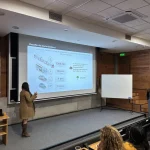
Throughout the day, there were also activities designed to strengthen technology transfer capabilities, including tools for project development, effective communication through pitching, and solving industrial challenges through collaborative work.
Claudia San Martín, Innovation Leader at CATA, emphasized that “this type of initiative brings innovation closer to the entire Center’s community and the scientific ecosystem in general, fostering the development of solutions that address specific challenges in fields such as transportation, mining, and the food industry. Likewise, the connection with the productive sector helps strengthen the country’s technological autonomy by transforming cutting-edge research into applications with economic and social impact.”
The 3rd Technology Roadmap thus served as a meeting point between science and industry, promoting the joint development of solutions to business challenges through knowledge and astronomical instrumentation.
Outstanding news
Recent news
-
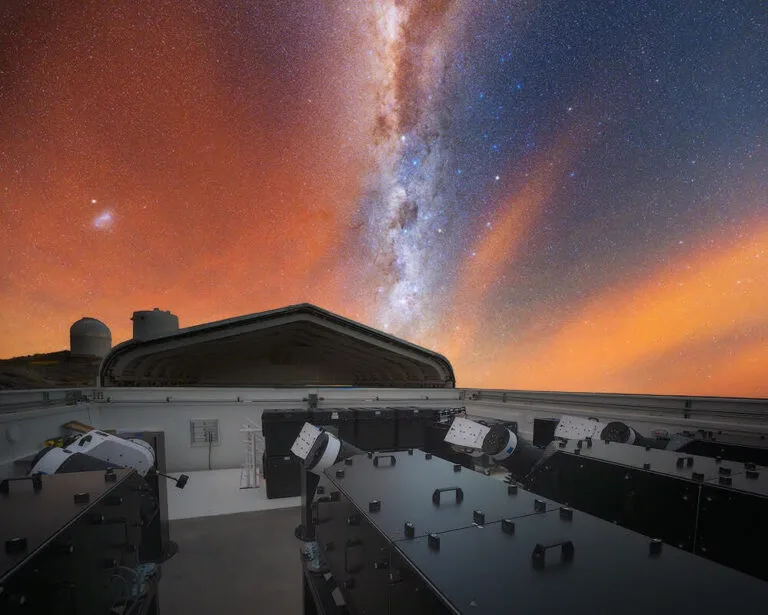 Publicado el: 19/10/2026CATA will contribute to data processing for a major international astronomy project
 -
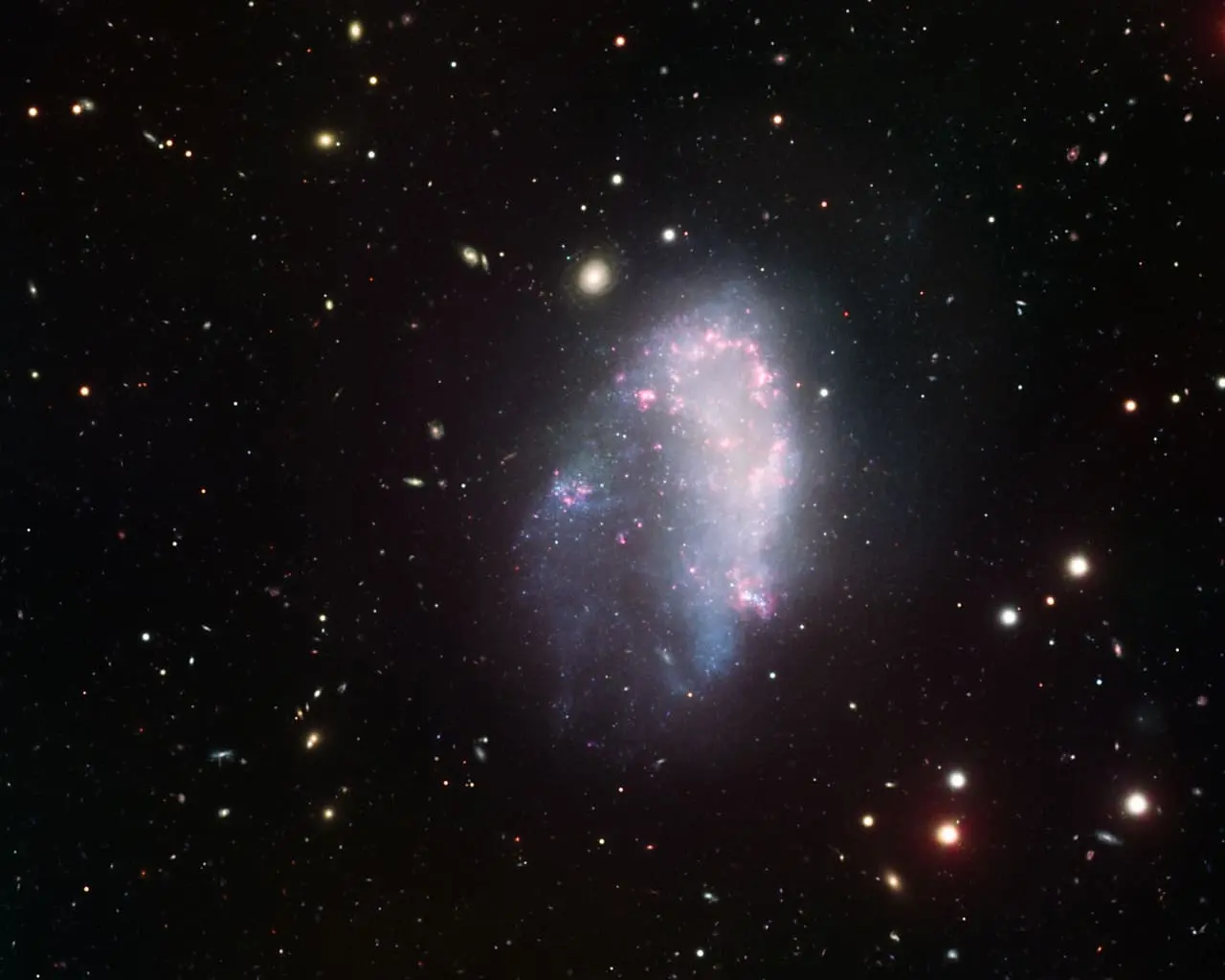 Publicado el: 19/10/2026Study led by CATA researchers solves a 30-year-old mystery about a dwarf galaxy
 -
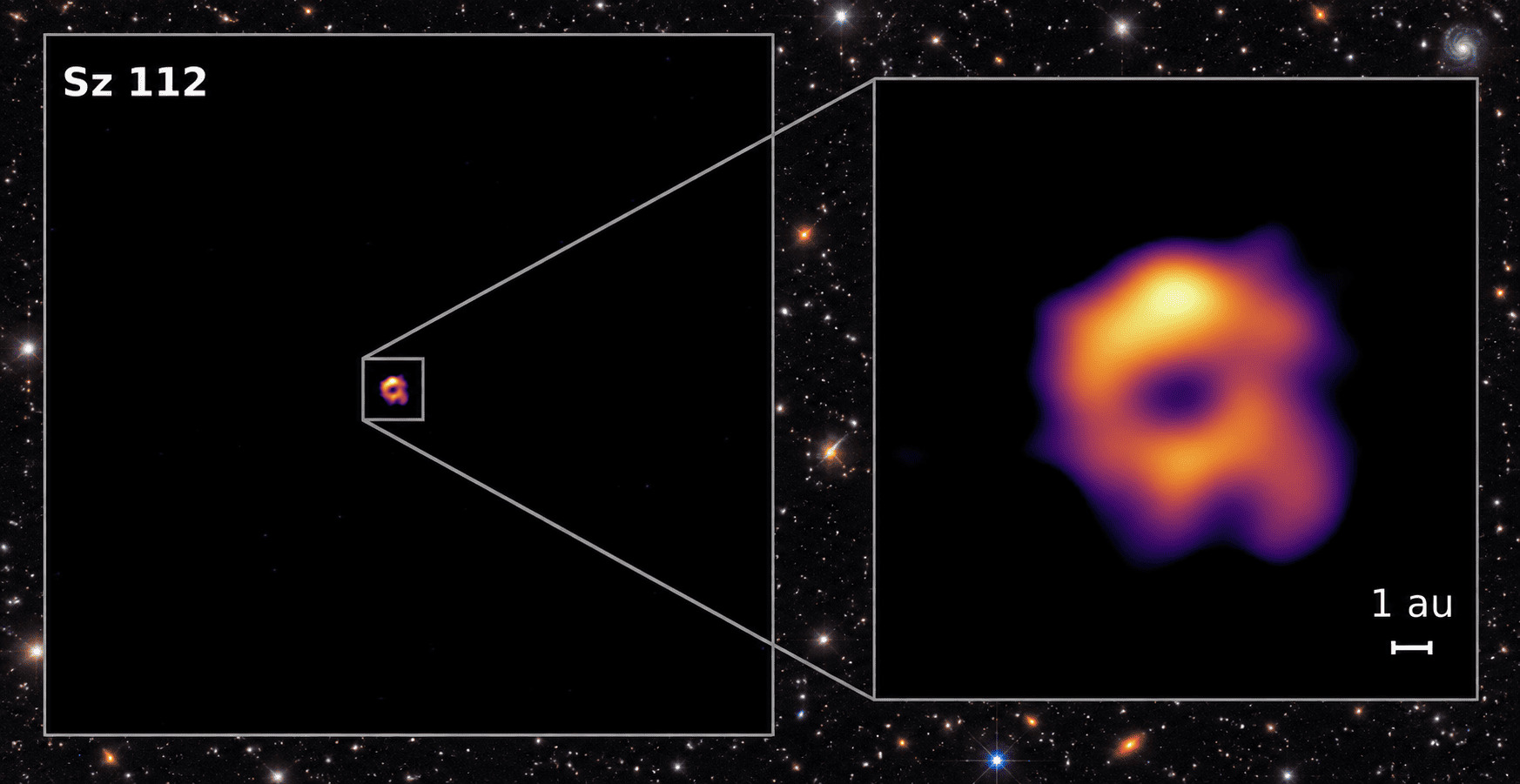 Publicado el: 15/10/2026Structures potentially associated with the formation of super-Earths and mini-Neptunes have been detected in compact disks
 -
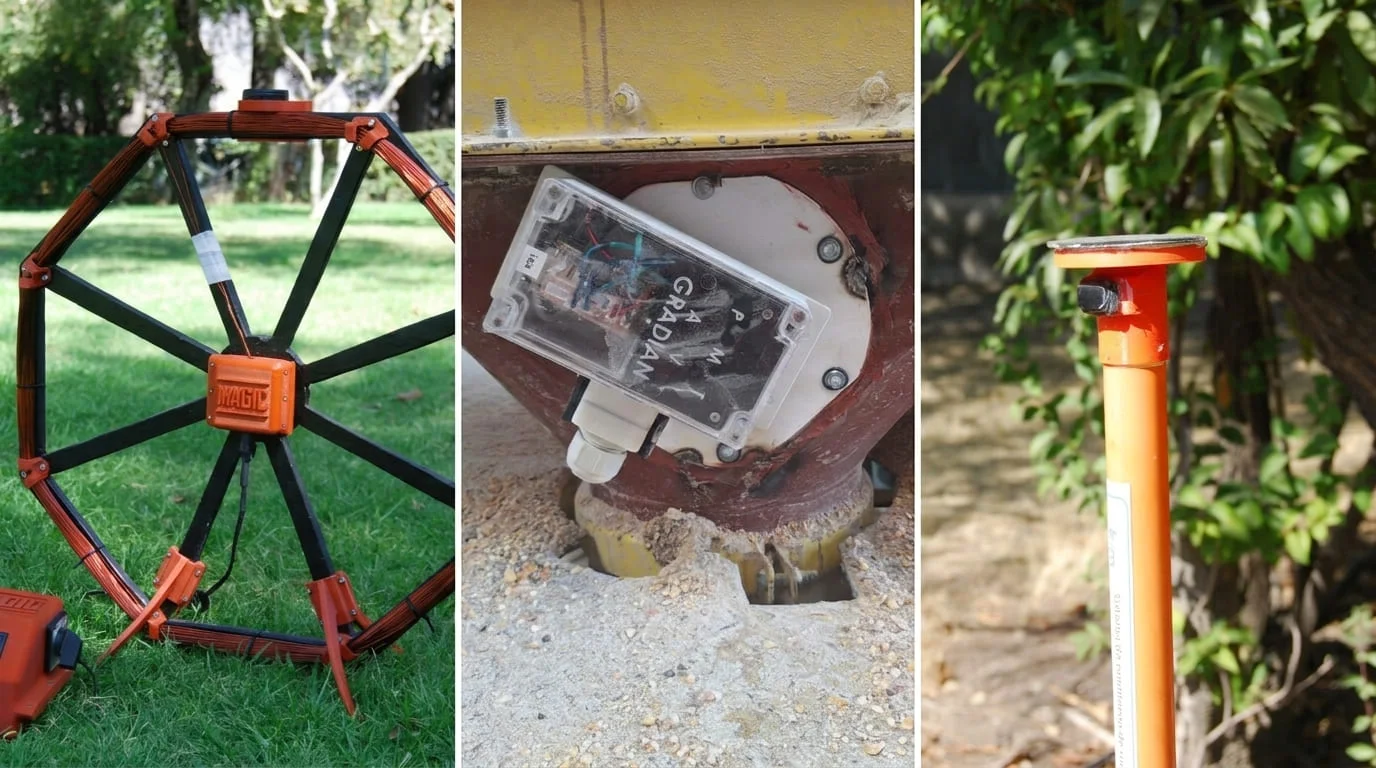 Publicado el: 09/10/2026From studying the universe to solving industry challenges: CATA’s technology transfer model in Nature Astronomy
 -
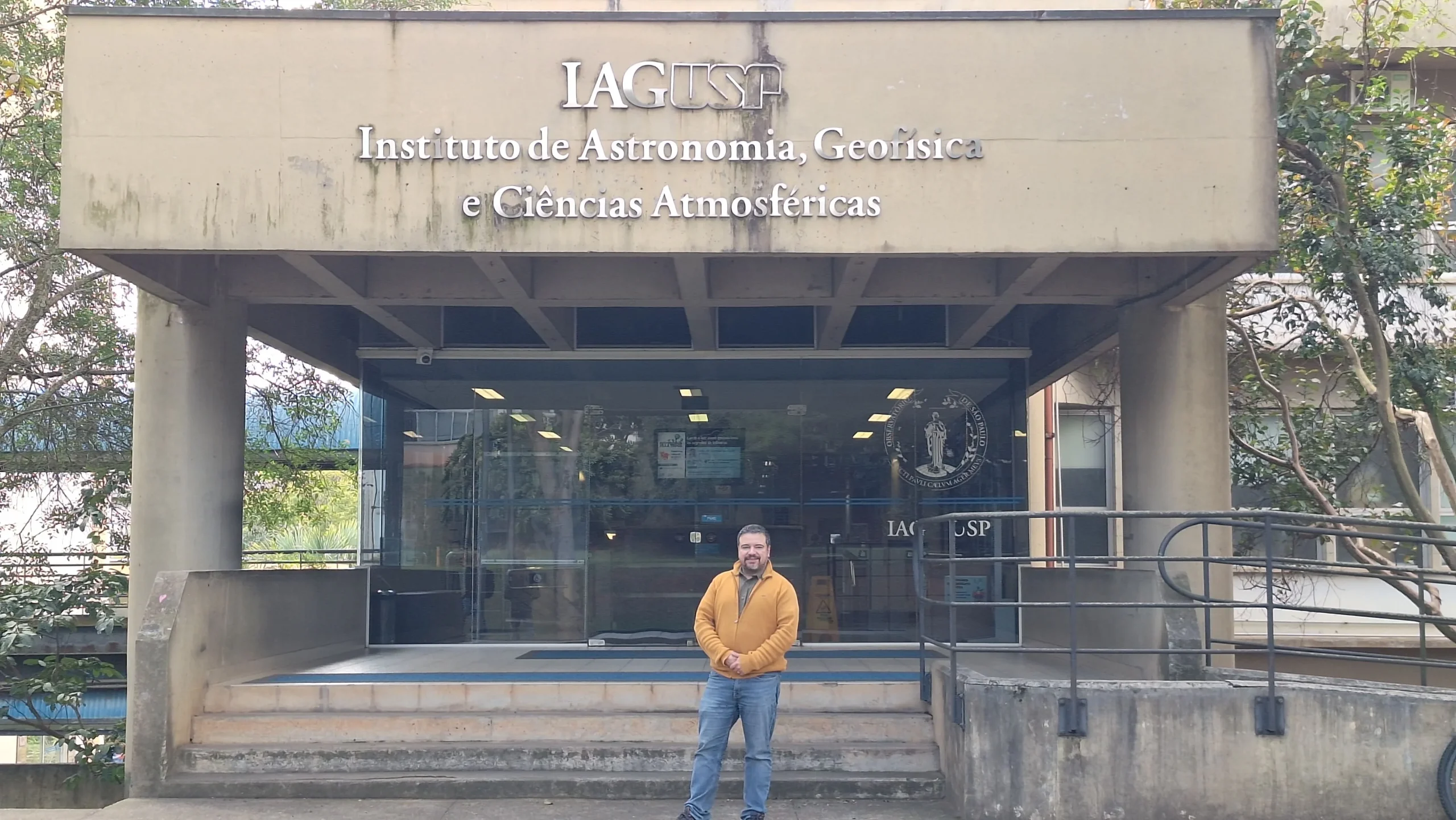 Publicado el: 01/10/2026CATA Associate Researcher concludes research stay at the University of São Paulo thanks to a Brazilian fellowship
Categories list
- Acknowledgments 29
- Astrobiology 12
- AstroCluster 1
- Black holes 21
- Corporativo 73
- Cosmology 10
- Descubrimientos 30
- Disclosure 91
- Exoplanets 19
- Extension 14
- Galaxies 29
- Galaxies formation 12
- Inter y Transdisciplina 5
- Local Universe 22
- Publications 9
- Sin categorizar 34
- Solar System 30
- Stellar formation 13
- Technology 34
- Technology Transfer 34