Astronomy-based technologies, instrumentation, and virtual reality were featured at Smart City 2026
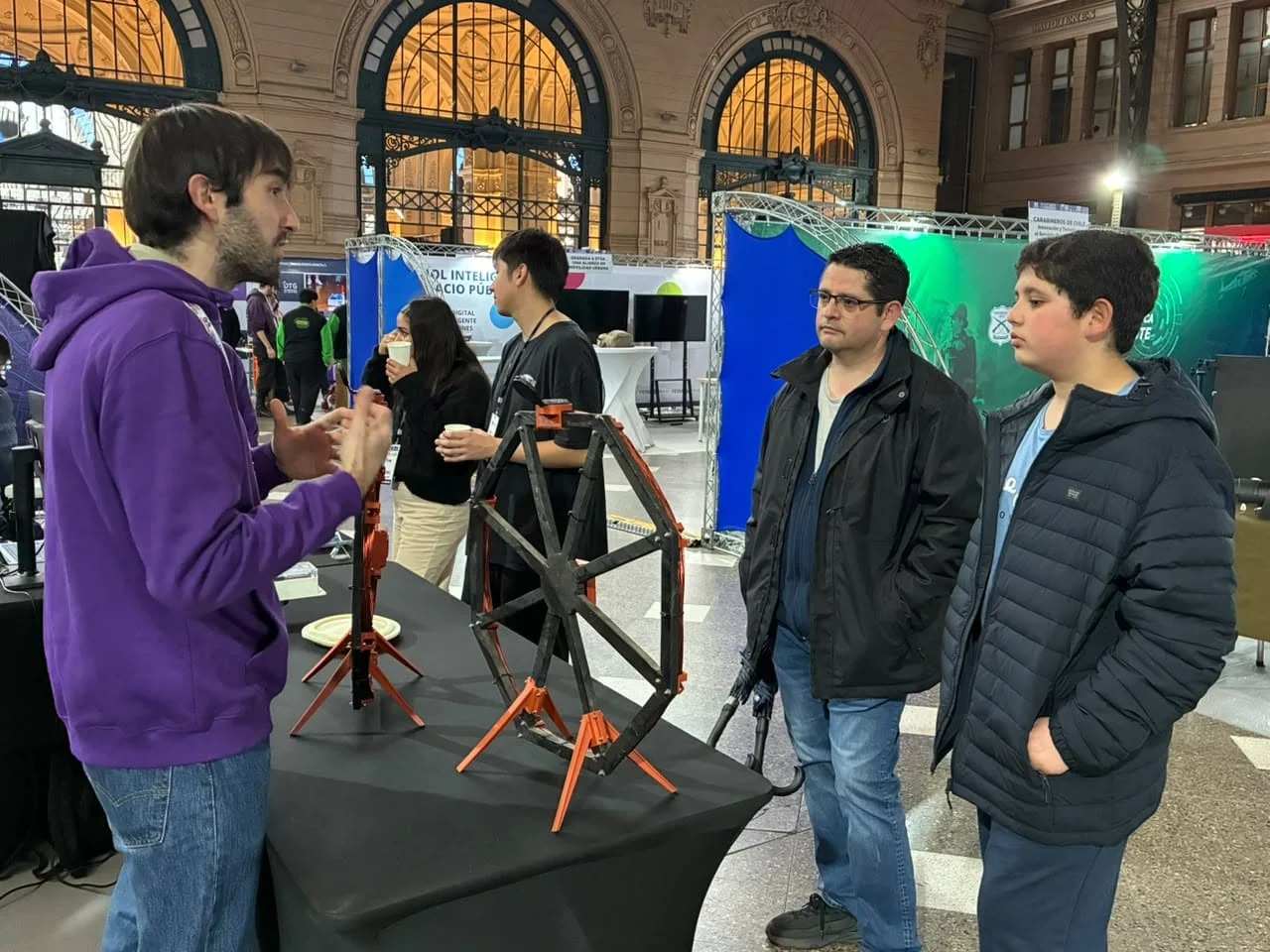
During Citizens' Day, CATA showcased technological developments stemming from astronomical research, along with interactive experiences that brought science closer to visitors.
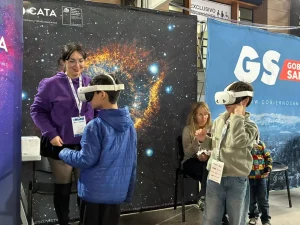
The Center for Astrophysics and Associated Technologies (CATA) participated in the Citizen’s Day at Smart City Expo Santiago 2026, Chile’s leading event on urban innovation and smart cities. Held at the Estación Mapocho Cultural Center, the event drew nearly 11,000 visitors and showcased more than 200 solutions focused on mobility, sustainability, data management, and citizen participation.
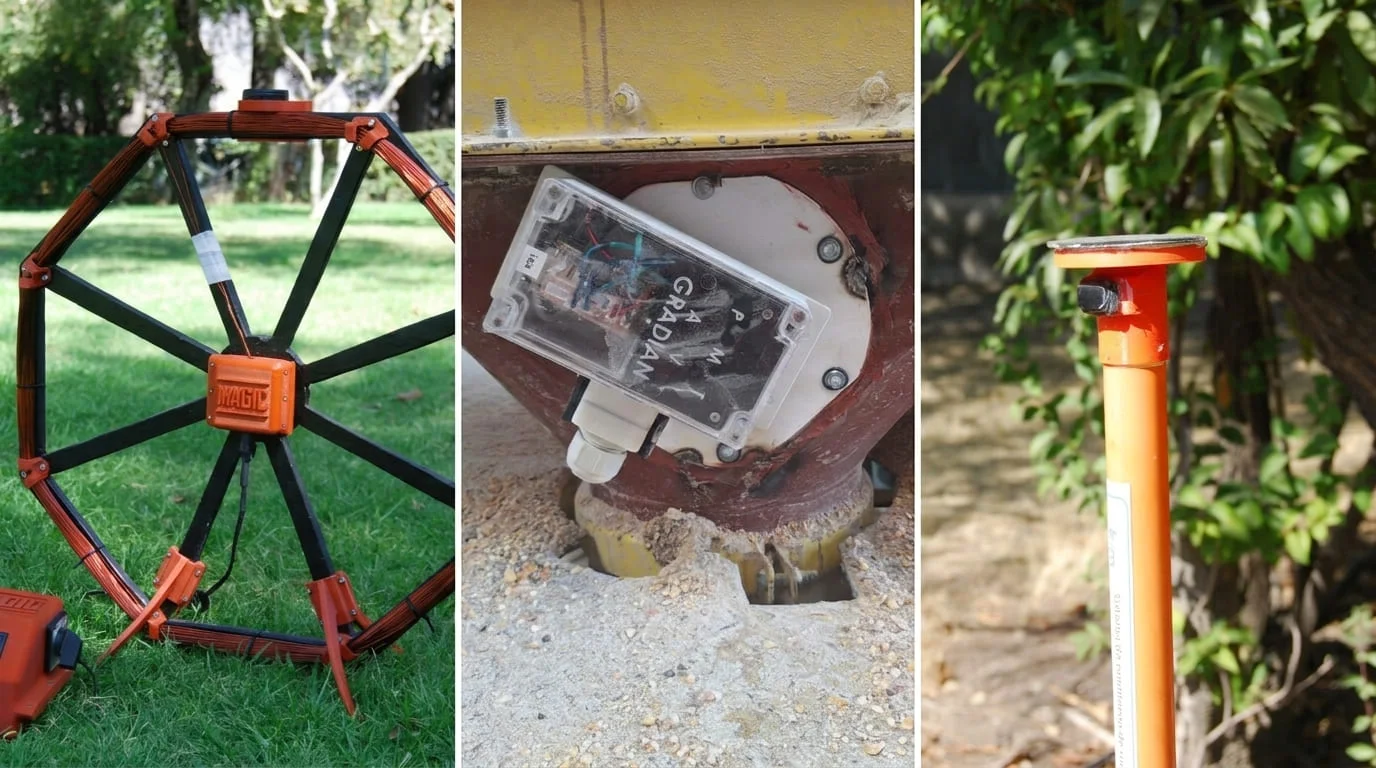
In this context, CATA presented two technologies developed through astronomical research and instrumentation that are now being applied in various industrial sectors. The first was MAGIC, an underground wireless communication system based on magnetic induction, designed for mining sites and hard-to-reach environments, which allows text messages to be sent through the earth and solid material at great depths, without the need for connections such as Wi-Fi or GPS.
The second was GRADIAN, a sensor based on optical spectroscopy that classifies different types of grains in the food industry by accurately detecting their color, with a resolution capable of distinguishing more than 65,000 colors. This technology was developed in collaboration with the company Agrosuper as part of its Explora II program.
To explain how optical spectroscopy works and how it can be applied to other fields, attendees took part in a game involving colored filters that allowed them to gain an interactive understanding of this fundamental technique used to study the cosmos.
Along with these technologies intended for practical applications, the Center also presented BANDA-1, an astronomical instrumentation project designed in collaboration with the Millimeter Wave Laboratory (MWL) at the University of Chile to operate on the ALMA radio telescope, focused on observing the lowest frequencies that allow for the study of the coldest parts of the universe, such as molecular clouds, gas, and dust at low temperatures.
Finally, the audience got a chance to try out the virtual reality video game “Formation of Planetary Systems,” an initiative developed by CATA in partnership with Teletón that uses content about the formation of planets and stars to support—through guided movements of the torso and upper limbs—the rehabilitation processes of the children and young people at this institution.
Santiago Prat, General Manager of CATA, emphasized that participating in events like Smart City is very valuable “because it allows us to demonstrate the impact that astronomical research can have beyond the generation of knowledge. At our institution, we promote technologies that can address industry challenges and provide solutions across various sectors of the economy. At the same time, we support initiatives that put that knowledge to work for society, such as our collaboration with Teletón. Participating in this fair allowed us to bring these two aspects together—technological innovation and science outreach—and help the public understand the value of astronomy for the country’s development.”
At an event focused on urban innovation, CATA demonstrated that astronomy is also part of that conversation, contributing technologies, knowledge, and initiatives capable of making an impact on both economic development and people’s quality of life.
Outstanding news
Recent news
-
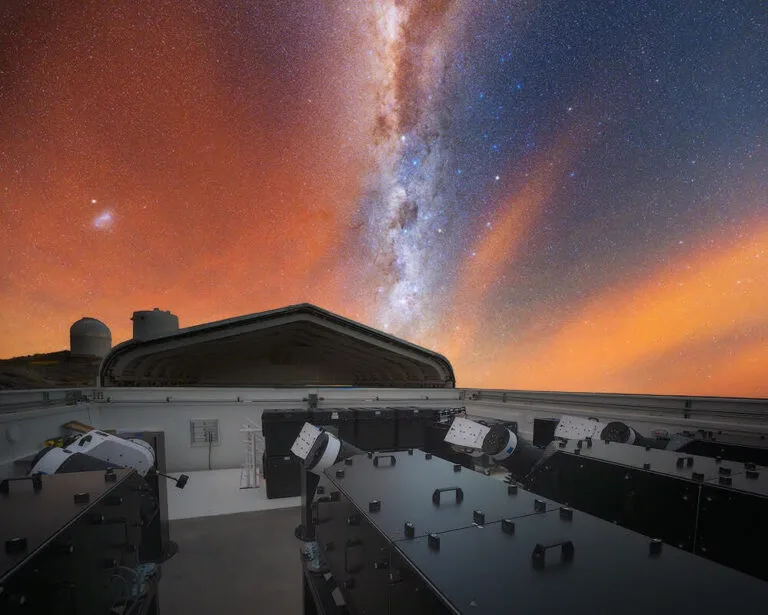 Publicado el: 19/10/2026CATA will contribute to data processing for a major international astronomy project
 -
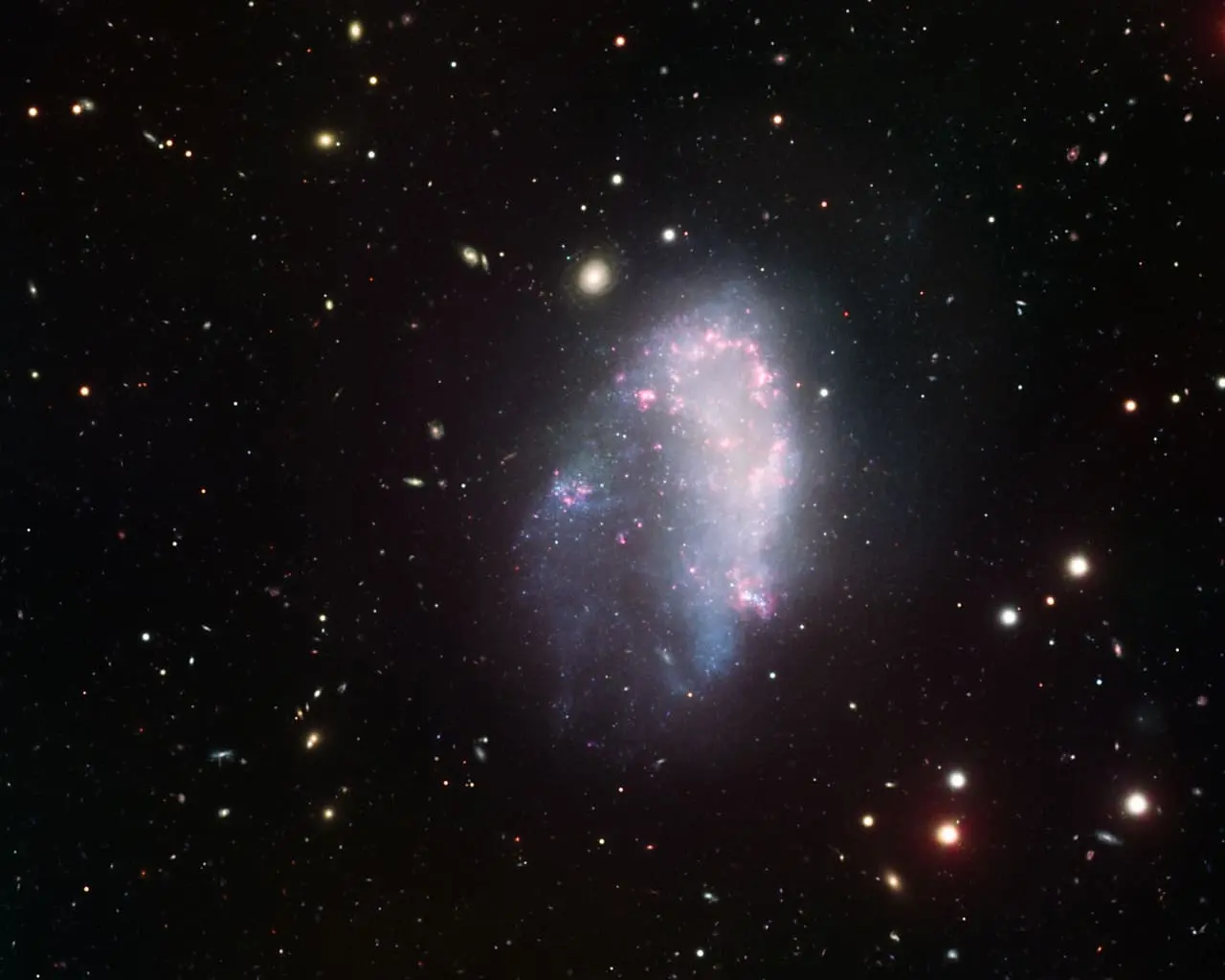 Publicado el: 19/10/2026Study led by CATA researchers solves a 30-year-old mystery about a dwarf galaxy
 -
 Publicado el: 15/10/2026Structures potentially associated with the formation of super-Earths and mini-Neptunes have been detected in compact disks
 -
 Publicado el: 09/10/2026From studying the universe to solving industry challenges: CATA’s technology transfer model in Nature Astronomy
 -
 Publicado el: 01/10/2026CATA Associate Researcher concludes research stay at the University of São Paulo thanks to a Brazilian fellowship
Categories list
- Acknowledgments 29
- Astrobiology 12
- AstroCluster 1
- Black holes 21
- Corporativo 73
- Cosmology 10
- Descubrimientos 30
- Disclosure 91
- Exoplanets 19
- Extension 14
- Galaxies 29
- Galaxies formation 12
- Inter y Transdisciplina 5
- Local Universe 22
- Publications 9
- Sin categorizar 34
- Solar System 30
- Stellar formation 13
- Technology 34
- Technology Transfer 34