Principal Researcher at CATA promoted to Full Professor at the Universidad de Concepción
Amelia Stutz received the highest academic honor during the university's 107th anniversary ceremony.
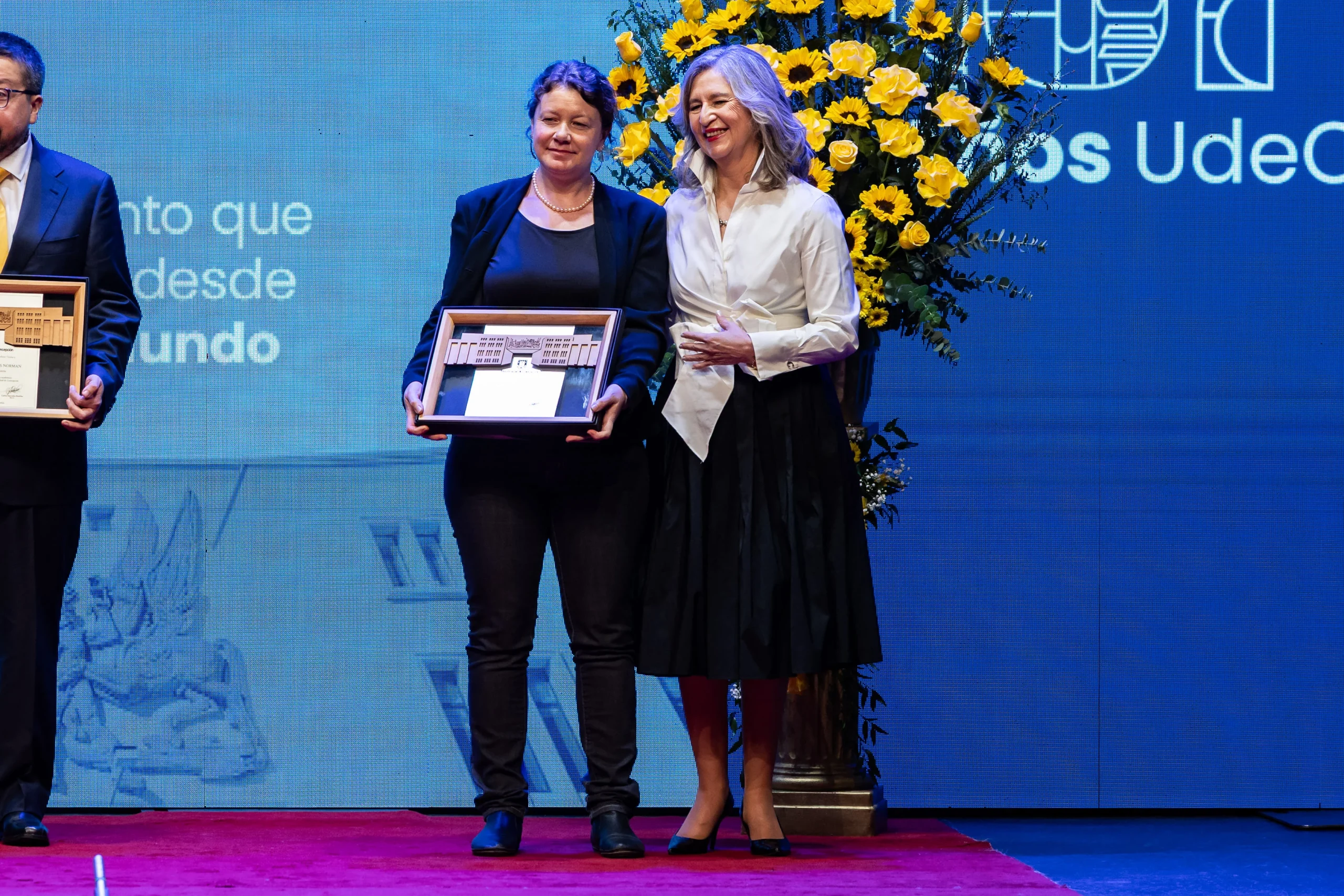
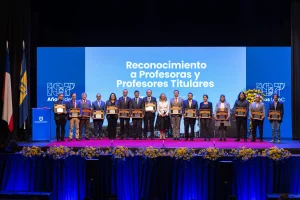
Dr. Amelia Stutz, Principal Investigator at the Center for Astrophysics and Associated Technologies – CATA (ANID Basal Center) and professor in the Department of Astronomy at the Universidad de Concepción (UdeC), has been promoted to Full Professor, the highest rank in the faculty. The appointment was made official during the university’s latest anniversary celebration.
Dr. Stutz has built an outstanding scientific career focused on the study of star formation through observations across multiple wavelengths. Her work aims to understand the dynamics of molecular clouds, magnetic fields, and clusters where new stars are born. She is also a member of CATA’s team of Principal Investigators in the area of Star and Planet Formation.
Throughout her career, she has published more than 150 scientific articles and led research initiatives both in Chile and internationally. After earning her bachelor’s degree from Ohio State University and completing her Ph.D. at the Steward Observatory at the University of Arizona in 2009, she conducted postdoctoral research at the Max Planck Institute for Astronomy (Heidelberg, Germany) from 2009 to 2016. She subsequently joined the Department of Astronomy at the UdeC, where she currently also serves as director of the master’s program in this field.
Regarding this new professional milestone, the researcher noted that the award recognizes her long career dedicated to advancing astronomical knowledge and training future professionals in the field.
“This is recognition of more than two decades of work in my field of research, the last ten of which I have spent at the Universidad de Concepción. During this time, thanks to a supportive community, including my students, colleagues, collaborators, and dear members of CATA, I have been able to contribute to the training of new generations of astronomers and teach them how to conduct research at the international level,” she said.
From her perspective, this achievement also highlights the contributions made by the Center’s members and the impact of its strategic initiatives on strengthening the scientific community.
“One aspect of my work that I value above all others is being able to mentor students, and CATA provides me with tremendous support in that endeavor. Furthermore, the Center also gains recognition when one of its researchers is honored, because these achievements serve as a particularly visible testament to the high standards at which its members operate,” she explained.
Finally, she emphasized how meaningful it is for her to carry out her work in a country that has established itself as a global leader in the field of astronomy. “In Chile, astronomy plays a very prominent and leading role. Being able to do my work here, with the students representing an investment in the future, and having that recognized, is truly significant,” she concluded.
Outstanding news

Recent news
-
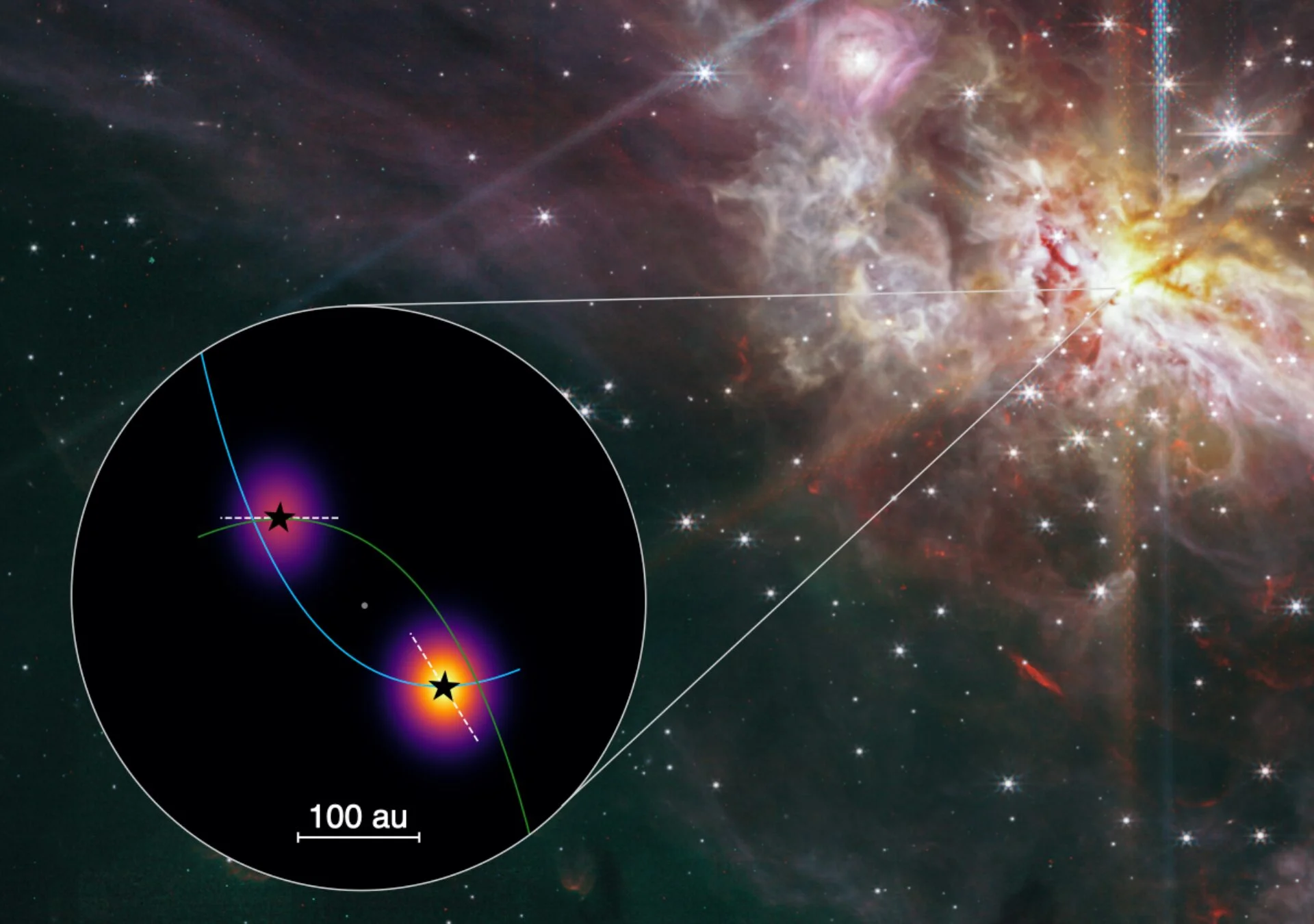 Publicado el: 08/09/2026The wedding dance of massive stars: Astronomer from CATA and the Universidad de Chile contributes to historic discovery
 -
 Publicado el: 07/09/2026The launch of the Nancy Grace Roman Space Telescope, as experienced firsthand by a CATA astronomer involved in the mission
 -
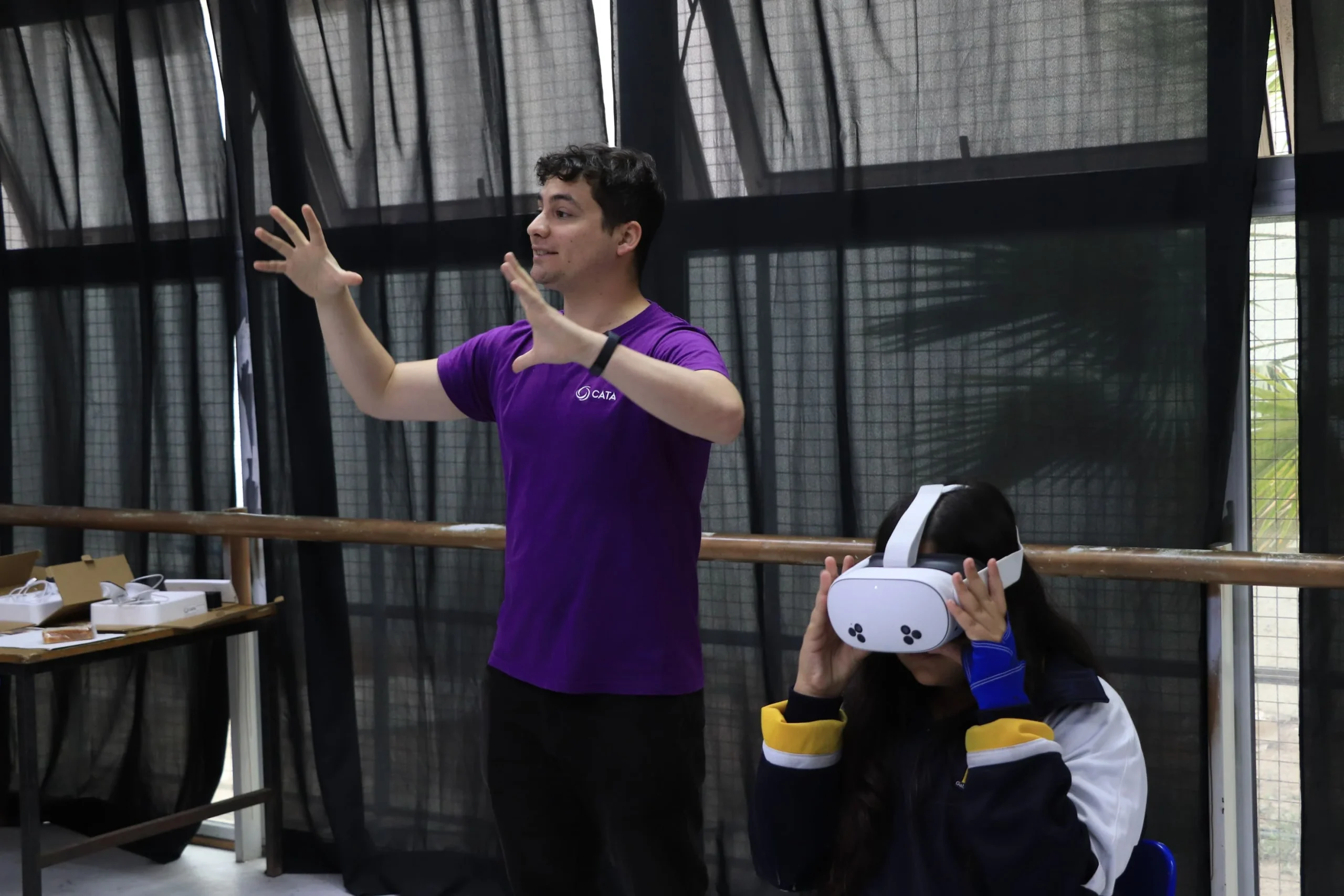 Publicado el: 29/08/2026Talks and hands-on activities related to astronomy were part of the “Congreso Futuro en tu Comuna” event in Arica
 -
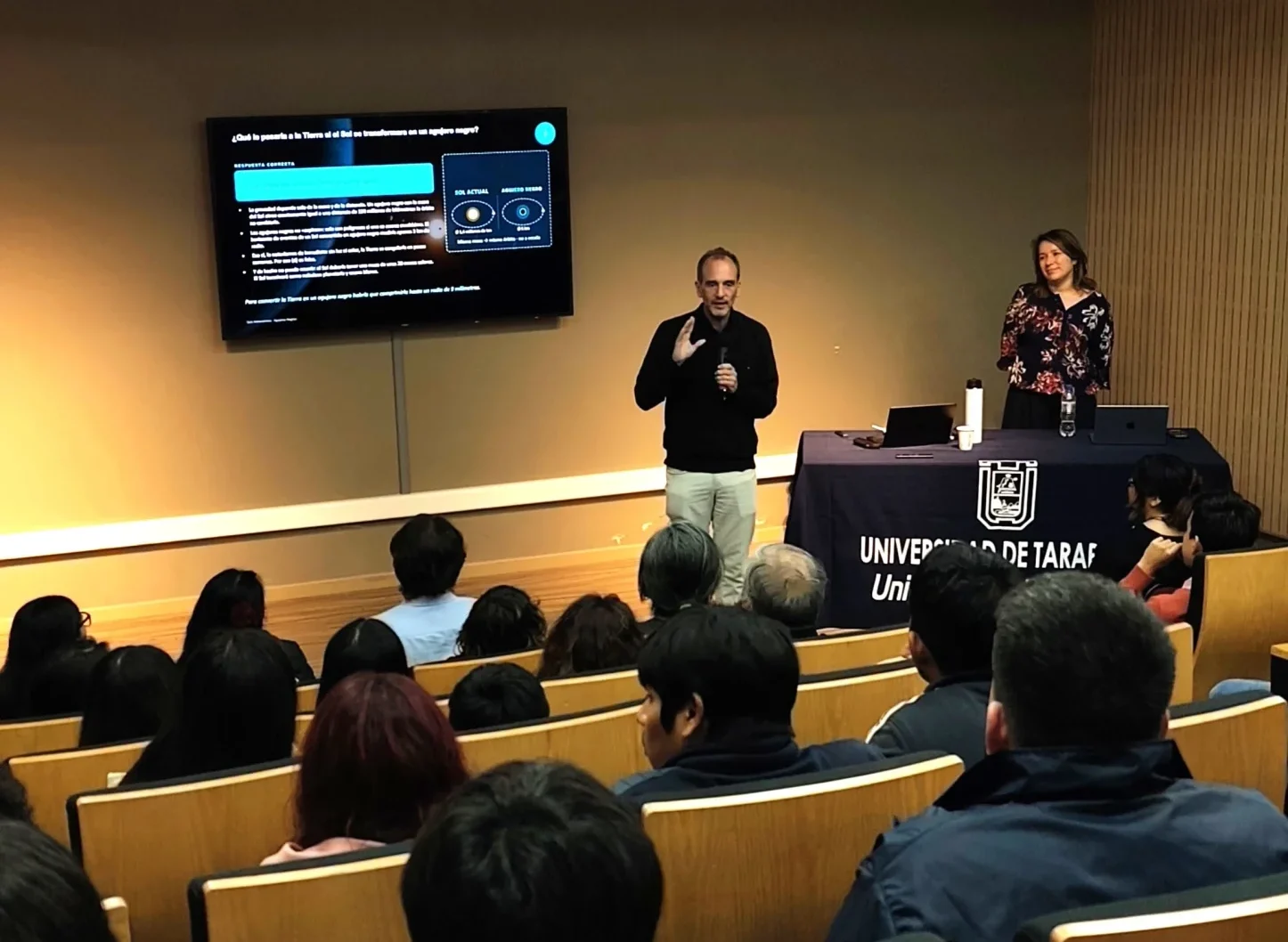 Publicado el: 28/08/2026Astronomical trivia drew a large crowd at the Universidad de Tarapacá
 -
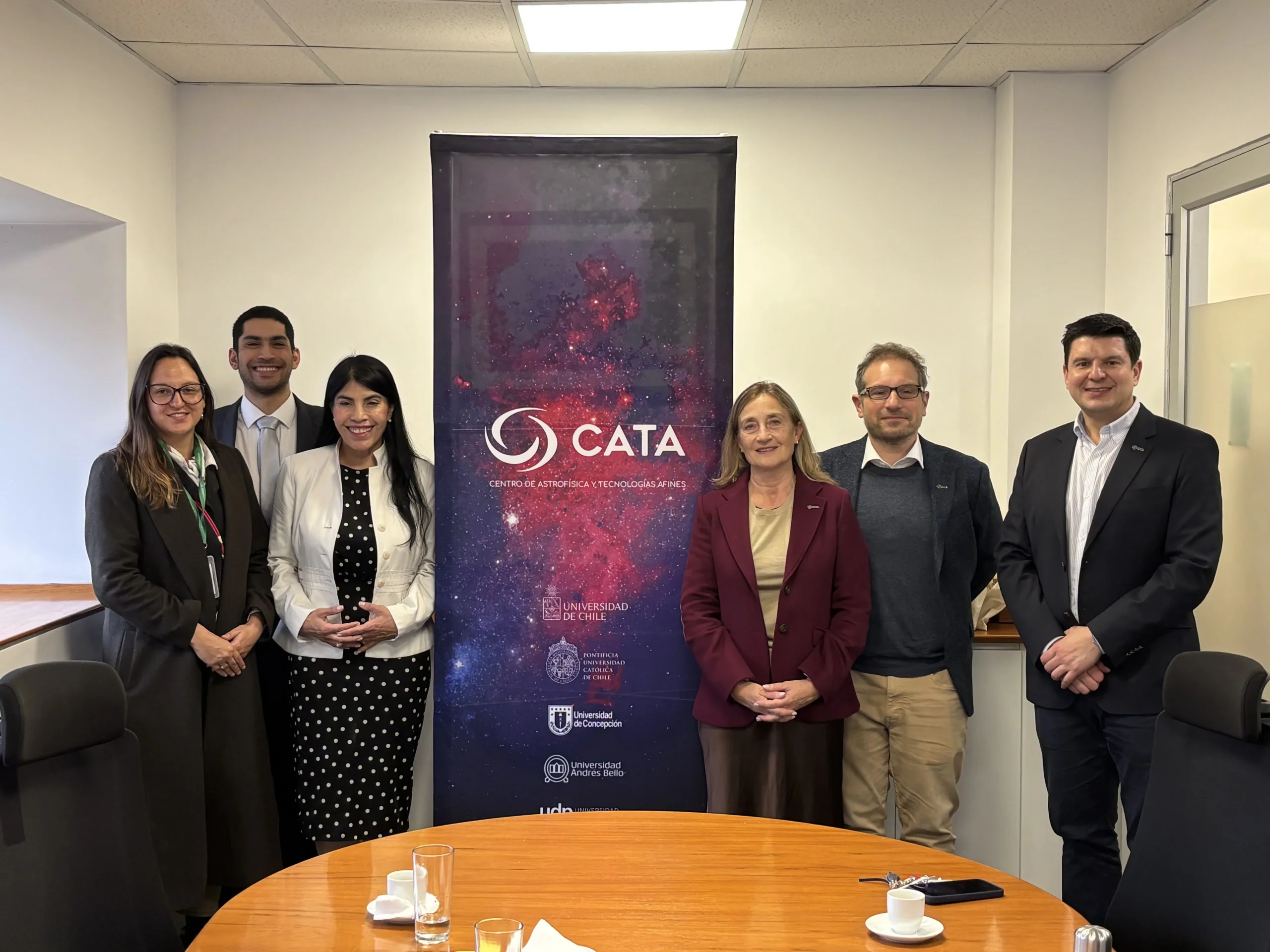 Publicado el: 27/08/2026Minister Ximena Lincolao meets CATA’s scientific and technological capabilities
Categories list
- Acknowledgments 27
- Astrobiology 12
- AstroCluster 1
- Black holes 21
- Corporativo 73
- Cosmology 9
- Descubrimientos 28
- Disclosure 91
- Exoplanets 18
- Extension 13
- Galaxies 27
- Galaxies formation 9
- Inter y Transdisciplina 5
- Local Universe 22
- Publications 9
- Sin categorizar 34
- Solar System 30
- Stellar formation 12
- Technology 30
- Technology Transfer 32