CATA astronomers reconstruct the chemical evolution of 3I/ATLAS after its passage through the Solar System
Using the VLT's ESPRESSO spectrograph, the team spent 23 nights recording how the composition of this interstellar visitor changed before and after its approach to the Sun.
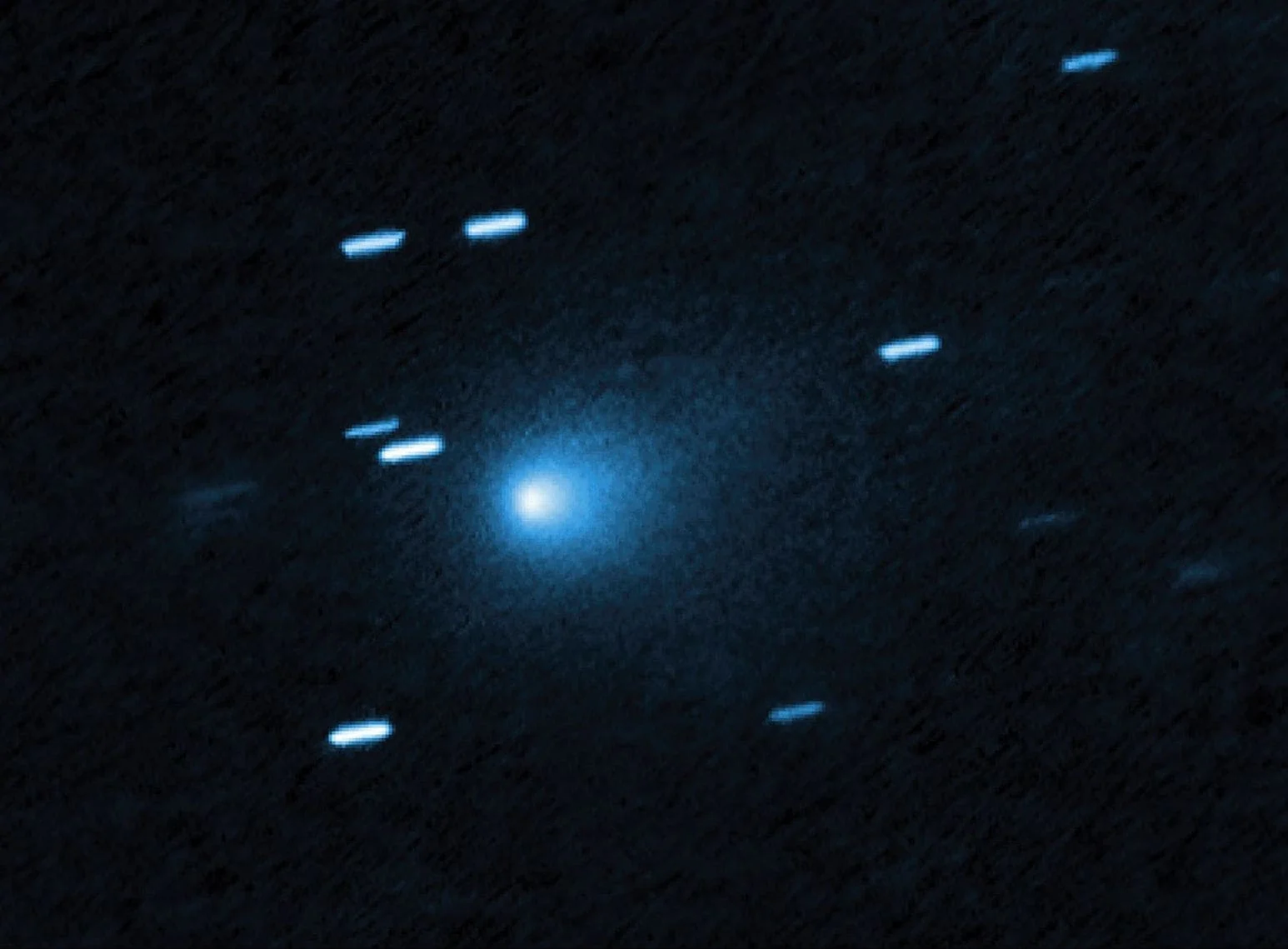
The arrival of 3I/ATLAS in the Solar System was an exceptional opportunity for astronomy. It is the third interstellar object detected passing through our planetary neighborhood, and the first bright enough to be studied using high-resolution optical spectroscopy both before and after its perihelion (the point closest to the Sun).
In this context, a study conducted by astronomers at the Center for Astrophysics and Associated Technologies – CATA (ANID Basal Center) carried out one of the most extensive follow-up campaigns to date on this object from another planetary system, recording in detail how its properties evolved as it passed near the Sun.
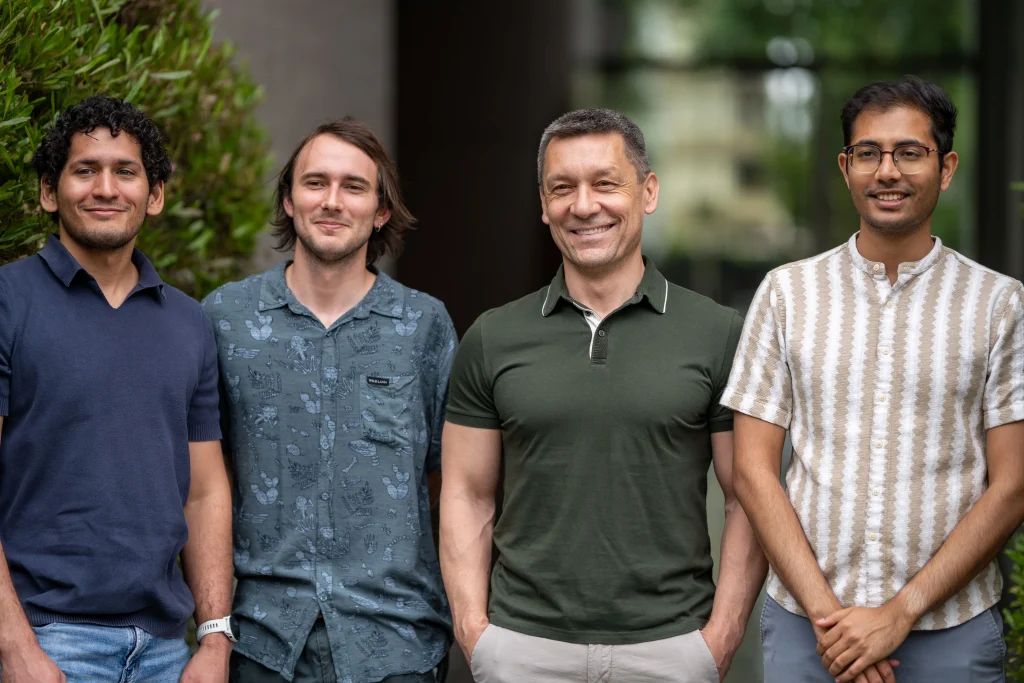
The work was led by CATA-affiliated researchers and postgraduate students from the Pontificia Universidad Católica de Chile (UC)—Baltasar Luco, Rohan Rahatgaonkar, and Juan Pablo Carvajal—and Prasanta Kumar Nayak, Postdoctoral Researcher, under the supervision of Thomas Puzia, the Center’s principal investigator and a faculty member at the UC Institute of Astrophysics.
Unlike asteroids, comets such as 3I/ATLAS are composed of dust, rock, and various ices: water (H₂O), carbon dioxide (CO₂), and carbon monoxide (CO), among others. As they approach the Sun, the heat releases these compounds into space in successive stages, revealing the body’s composition and internal structure.
Using the ESPRESSO spectrograph on the Very Large Telescope (VLT) at Cerro Paranal, the team collected observations over 23 nights between September and December 2025, tracking changes in the comet’s surface and coma (the cloud of gas and dust surrounding the comet).
“The real difference compared to previous interstellar objects is that we didn’t get a single photo, but rather a video,” Thomas Puzia noted. “This continuous monitoring allowed us to observe changes almost in real time: a coma that was initially rich in CO₂ but gradually gave way to water as the object approached the Sun.”
The chemical evolution of 3I/ATLAS
One of the study’s focuses was monitoring CN (cyano radical), a reference molecule for measuring cometary activity, along with oxygen emissions present in the coma. CN allows researchers to track the comet’s overall activity along its trajectory, while oxygen emissions are used to estimate the ratio of CO₂ to H₂O, the two dominant ices. Since both sublime at different temperatures, their relative abundances vary depending on the distance from the Sun.
“Oxygen is not studied on its own, but rather as an indirect indicator of CO₂ and H₂O, which are difficult to detect directly from Earth because our atmosphere also contains them and blocks those wavelengths. When these molecules interact with sunlight, they release oxygen atoms with characteristic emissions: by analyzing them, we can estimate the ratio between the two compounds using ground-based telescopes. In that sense, oxygen acts as a window into some of the most elusive ingredients of cometary chemistry,” explains Baltasar Luco.
The challenge was to distinguish the comet’s oxygen emissions from those of Earth’s own atmosphere, which occur at exactly the same wavelengths. “Thanks to ESPRESSO’s high resolution, combined with the VLT’s collecting power and the speed at which 3I/ATLAS was moving relative to Earth, we were able to precisely isolate the comet’s signal,” explains Rohan Rahatgaonkar.
The data confirmed that, when the comet was farthest from the Sun, its activity was dominated by CO₂. As it approached perihelion and heated up, water took over. This evolution provided insight into how ice behaves on an object that formed around another star.
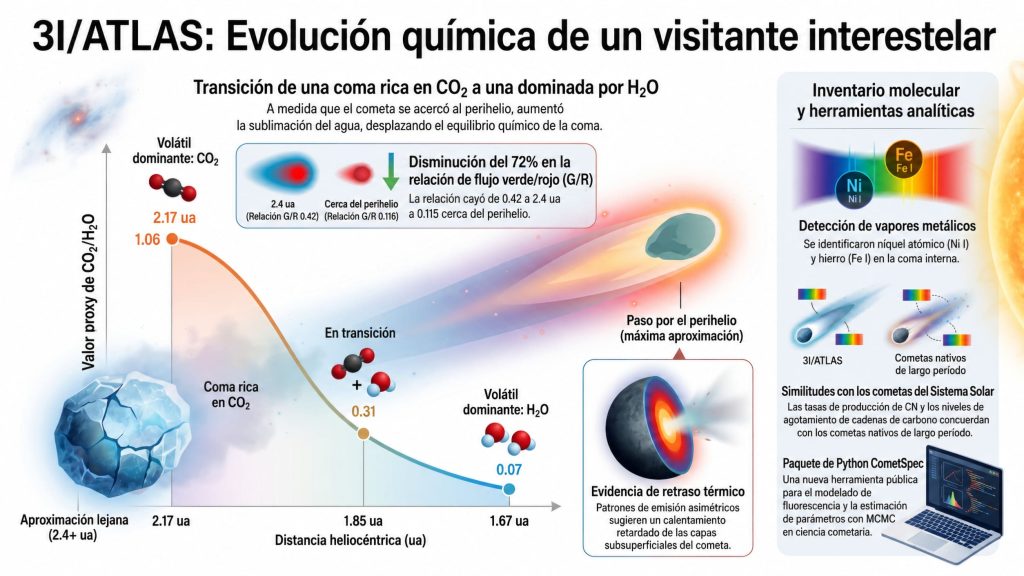
The study also confirmed the presence of iron and nickel, and more clearly detected molecules such as CH (methylidinium radical) and C₂ (diatomic carbon), which made it possible to compare the characteristics of the interstellar visitor with those of known comets in the Solar System.
“These species are not uncommon in comets; what is striking is the proportion in which they appear. Observations suggest that 3I/ATLAS formed in particularly cold regions of its native planetary system,” said Juan Pablo Carvajal.
CometSpec: A new tool for the astronomy community
In addition to the scientific results, the team developed CometSpec, an open-source Python library for modeling cometary spectra and estimating the amount of material these bodies eject based on the light captured by telescopes.
“When we observe a comet, we measure the light that reaches our detectors, but what we really want to know is how much material it is releasing. CometSpec models that emission based on the properties of each species, and by comparing it with the observed spectrum, it allows us to infer how many molecules are being ejected,” explains Baltasar Luco, who notes that the tool provides these parameters in a simple and reproducible way.
“Since CometSpec is open source, it is not limited to this study: we hope it will be useful both for the data we will obtain from the telescopes in Chile and for the international community studying comets,” he adds.
Next steps
Although 3I/ATLAS has already left the Solar System, the team continues to analyze observations obtained after perihelion to study newly exposed material and better understand its internal structure. They also hope that the methodology and CometSpec will serve as a basis for characterizing future interstellar visitors, particularly with the start of operations at the Vera Rubin Observatory.
“3I/ATLAS isn’t just a story in and of itself—it also taught us how to prepare for the next visitor. With initiatives like the Vera Rubin Observatory’s LSST (Legacy Survey of Space and Time), we hope to detect many more objects of this type, and the discovery of a future 4I is probably just a matter of time,” concludes Prasanta Kumar Nayak.
Outstanding news
Recent news
-
 Publicado el: 19/10/2026CATA will contribute to data processing for a major international astronomy project
 -
 Publicado el: 19/10/2026Study led by CATA researchers solves a 30-year-old mystery about a dwarf galaxy
 -
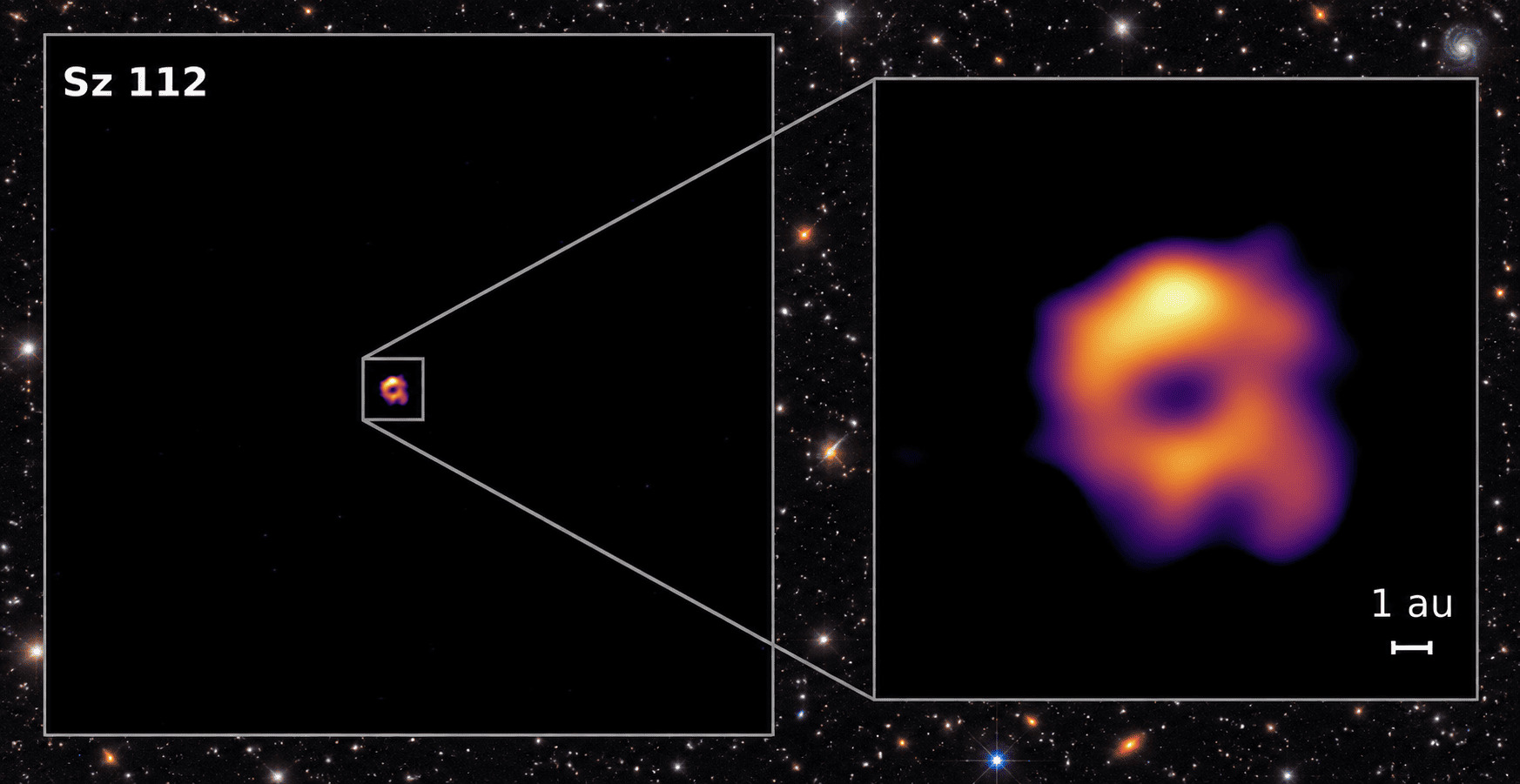 Publicado el: 15/10/2026Structures potentially associated with the formation of super-Earths and mini-Neptunes have been detected in compact disks
 -
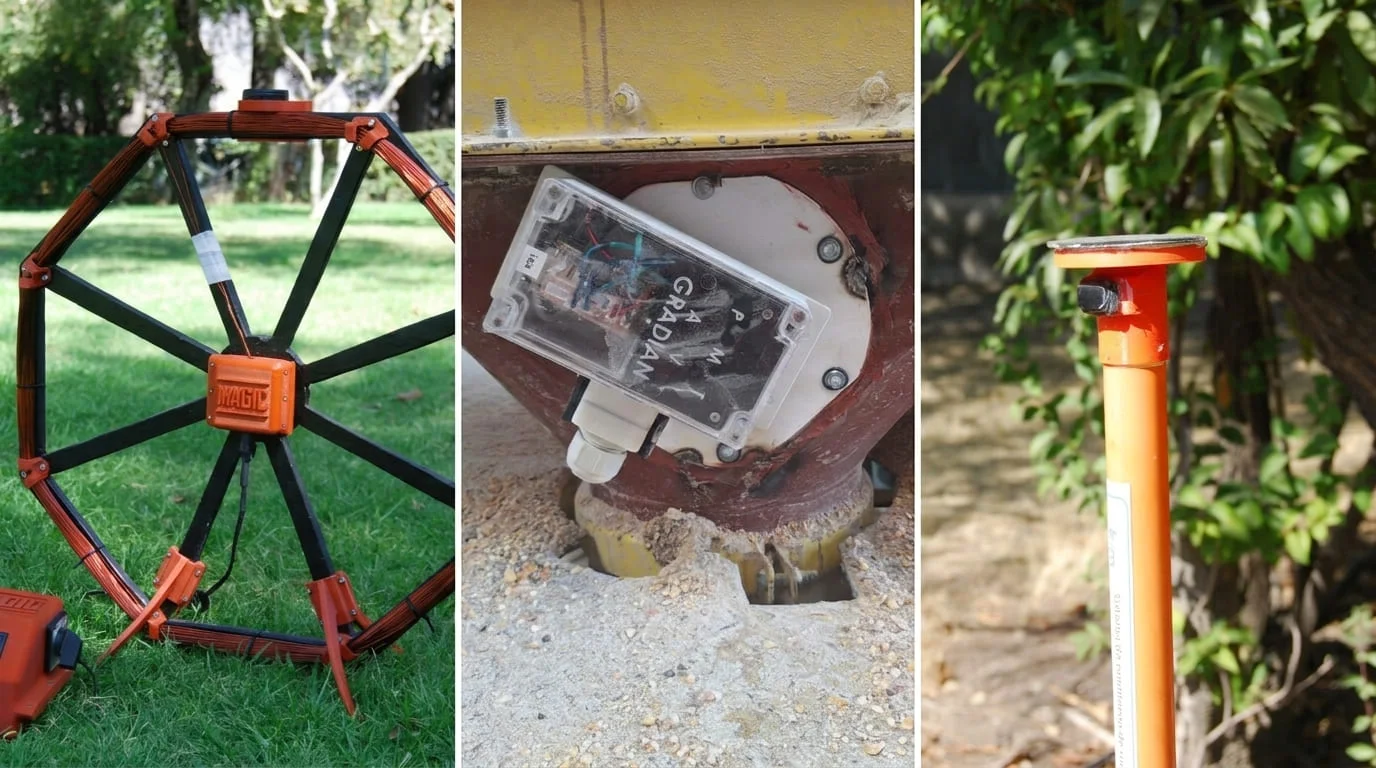 Publicado el: 09/10/2026From studying the universe to solving industry challenges: CATA’s technology transfer model in Nature Astronomy
 -
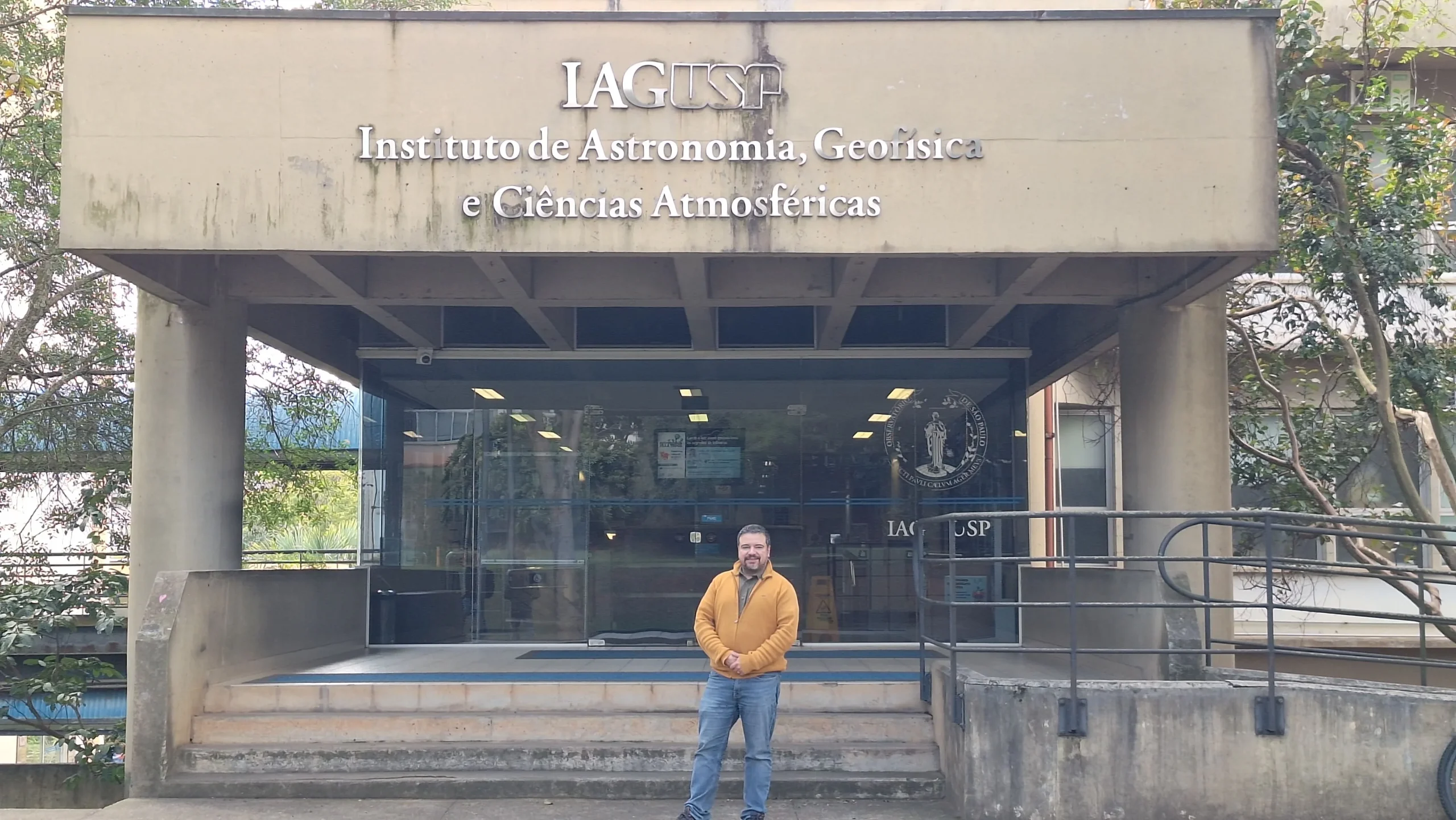 Publicado el: 01/10/2026CATA Associate Researcher concludes research stay at the University of São Paulo thanks to a Brazilian fellowship
Categories list
- Acknowledgments 29
- Astrobiology 12
- AstroCluster 1
- Black holes 21
- Corporativo 73
- Cosmology 10
- Descubrimientos 30
- Disclosure 91
- Exoplanets 19
- Extension 14
- Galaxies 29
- Galaxies formation 12
- Inter y Transdisciplina 5
- Local Universe 22
- Publications 9
- Sin categorizar 34
- Solar System 30
- Stellar formation 13
- Technology 34
- Technology Transfer 34