Astronomy and future challenges: CATA researcher presents at INNSPIRAL meeting
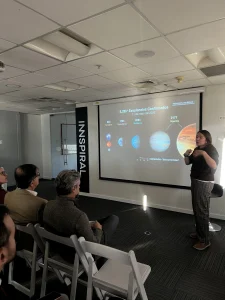
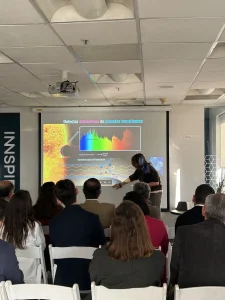
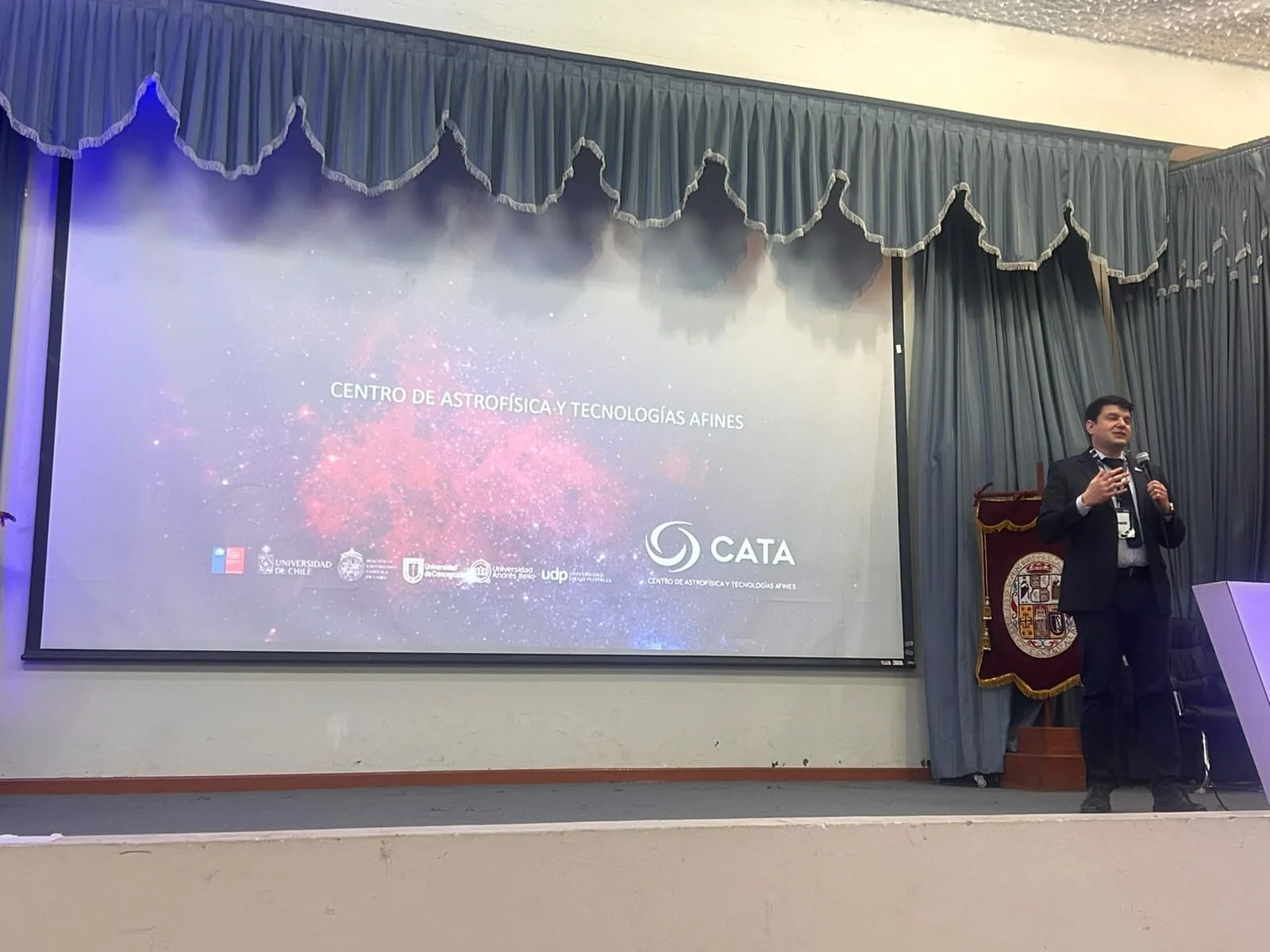
Bárbara Rojas-Ayala's presentation addressed the search for life beyond Earth, habitability, and the potential of astronomy to contribute to social and industrial development.
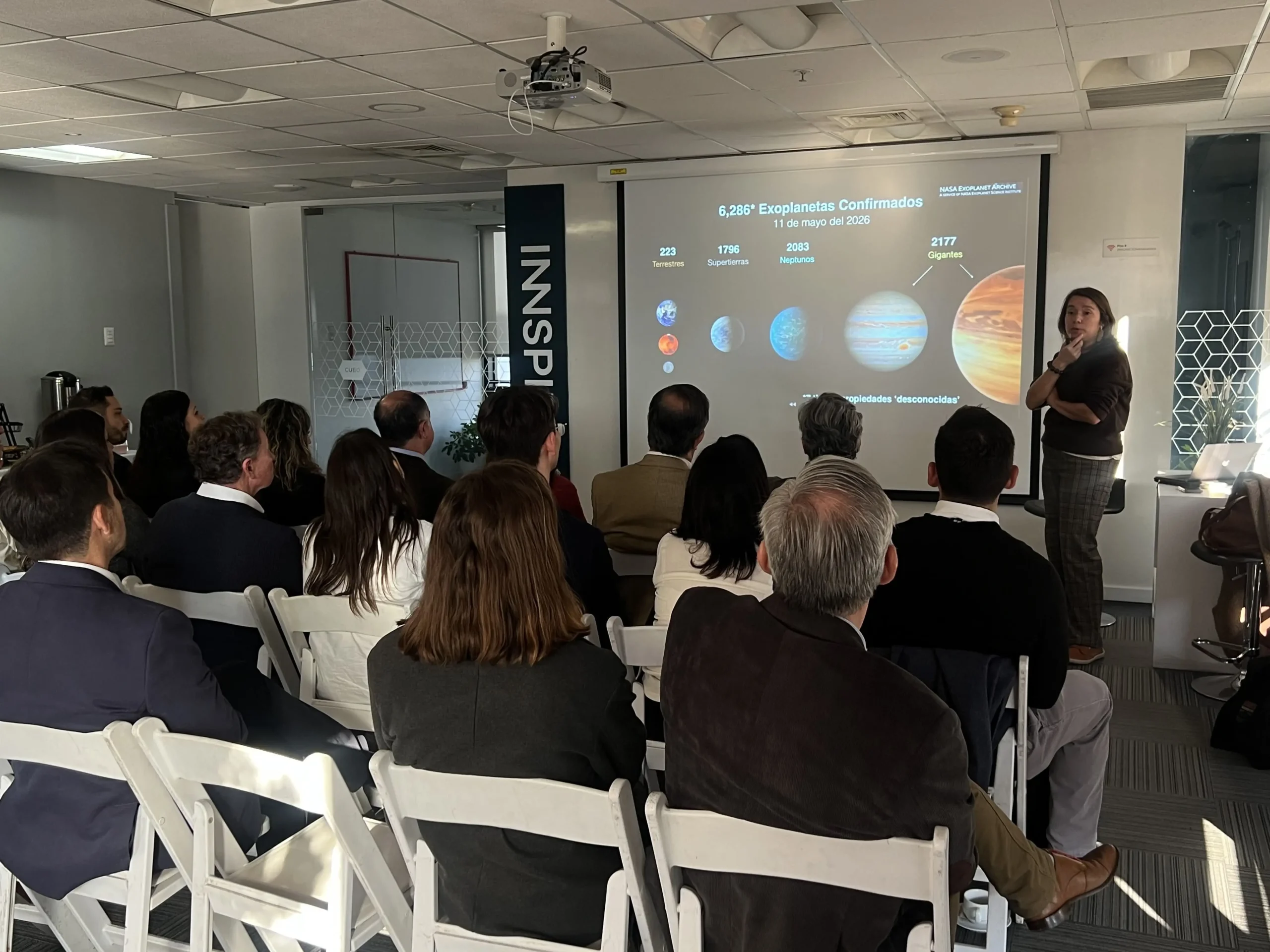
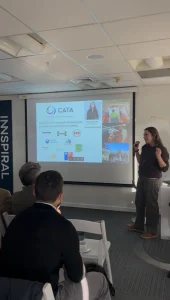
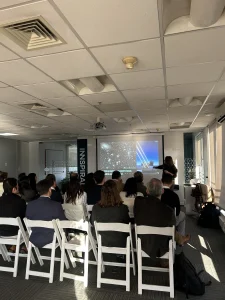
Associate Researcher at the Center for Astrophysics and Associated Technologies – CATA (ANID Basal Center) and professor at the Institute for Advanced Research at the Universidad de Tarapacá, Dr. Bárbara Rojas-Ayala, participated as a speaker in a new edition of INNSPIRAL’s INNMeeting, a forum for discussion aimed at organizational leaders seeking to anticipate profound changes, understand their strategic implications, and successfully adapt to the future.
Under the title “Habitability: Lessons from the Universe for Designing the Future,” the astronomer highlighted the work being conducted in Chile to detect potentially habitable planets and search for signs of life beyond Earth, while also emphasizing the role of Chilean astronomy and the country’s scientific capabilities.
In this way, Rojas-Ayala explored how concepts related to habitability and the search for life on other worlds can offer new perspectives for thinking about the adaptation and continuity of organizations in the future.
The researcher also highlighted CATA as an example of technologies developed through astronomy that are now being applied in various industrial sectors. “I wanted to show that the capabilities and techniques used to study the universe can also potentially be transferred to local companies and institutions,” the researcher noted.
The exhibition fostered a dialogue among the scientific, academic, and business communities, emphasizing the importance of creating interdisciplinary spaces where different fields can exchange knowledge and perspectives. “It is important to create opportunities where consensus can be reached, concepts clarified, and mutual understanding fostered across different sectors—a perspective from academia toward the private sector. INNSPIRAL’s invitation was an interesting challenge to discuss livability in a context that would also make sense to the attendees,” concluded Bárbara Rojas-Ayala.
Outstanding news
Recent news
-
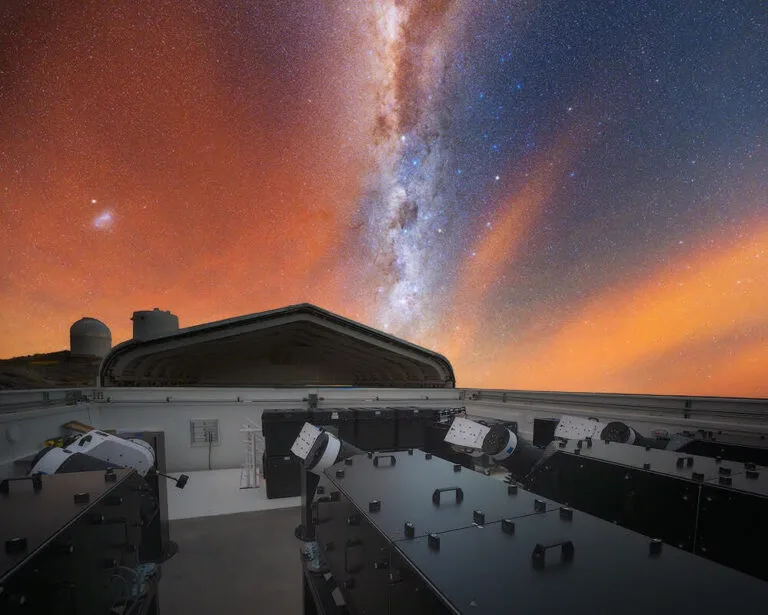 Publicado el: 19/10/2026CATA will contribute to data processing for a major international astronomy project
 -
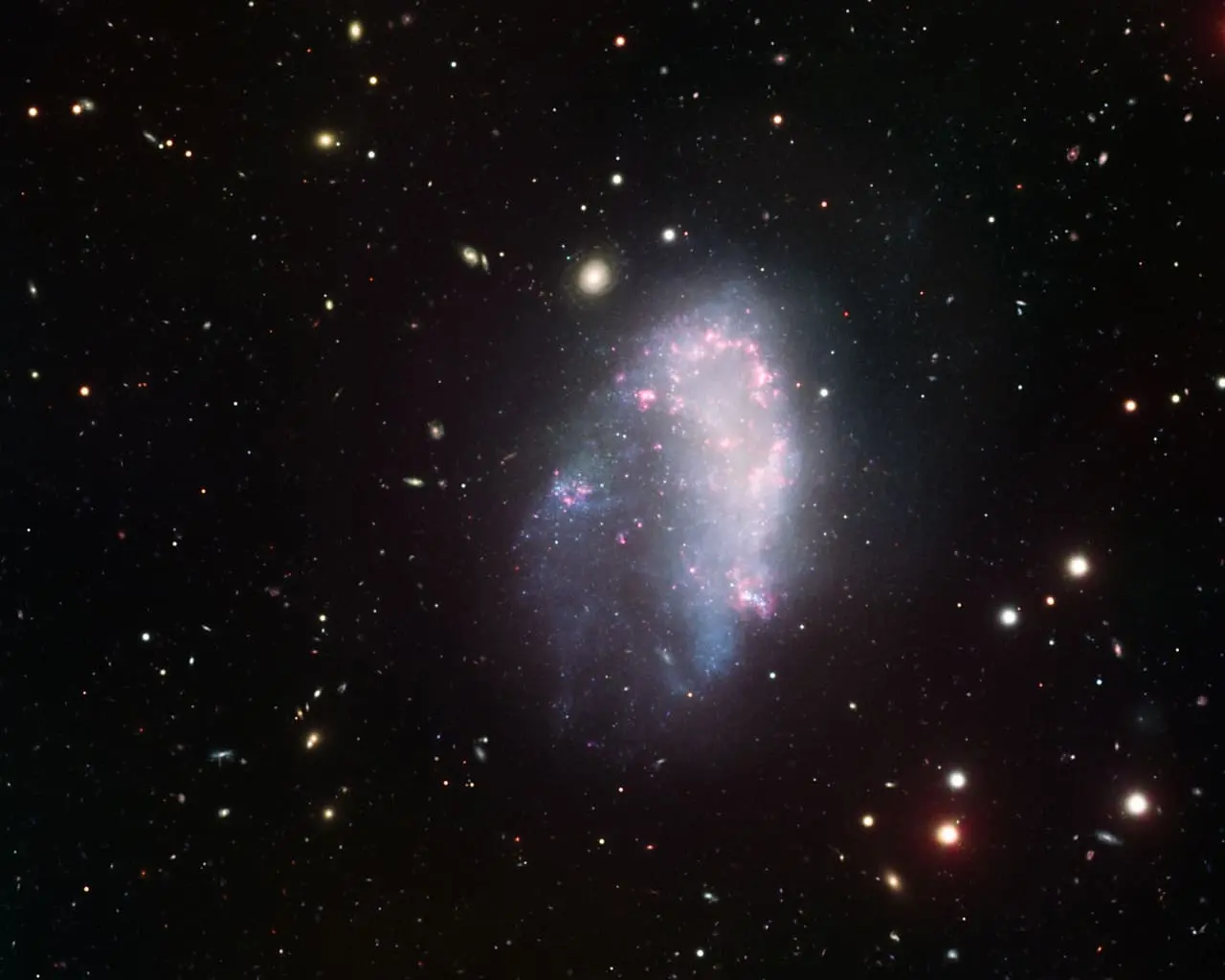 Publicado el: 19/10/2026Study led by CATA researchers solves a 30-year-old mystery about a dwarf galaxy
 -
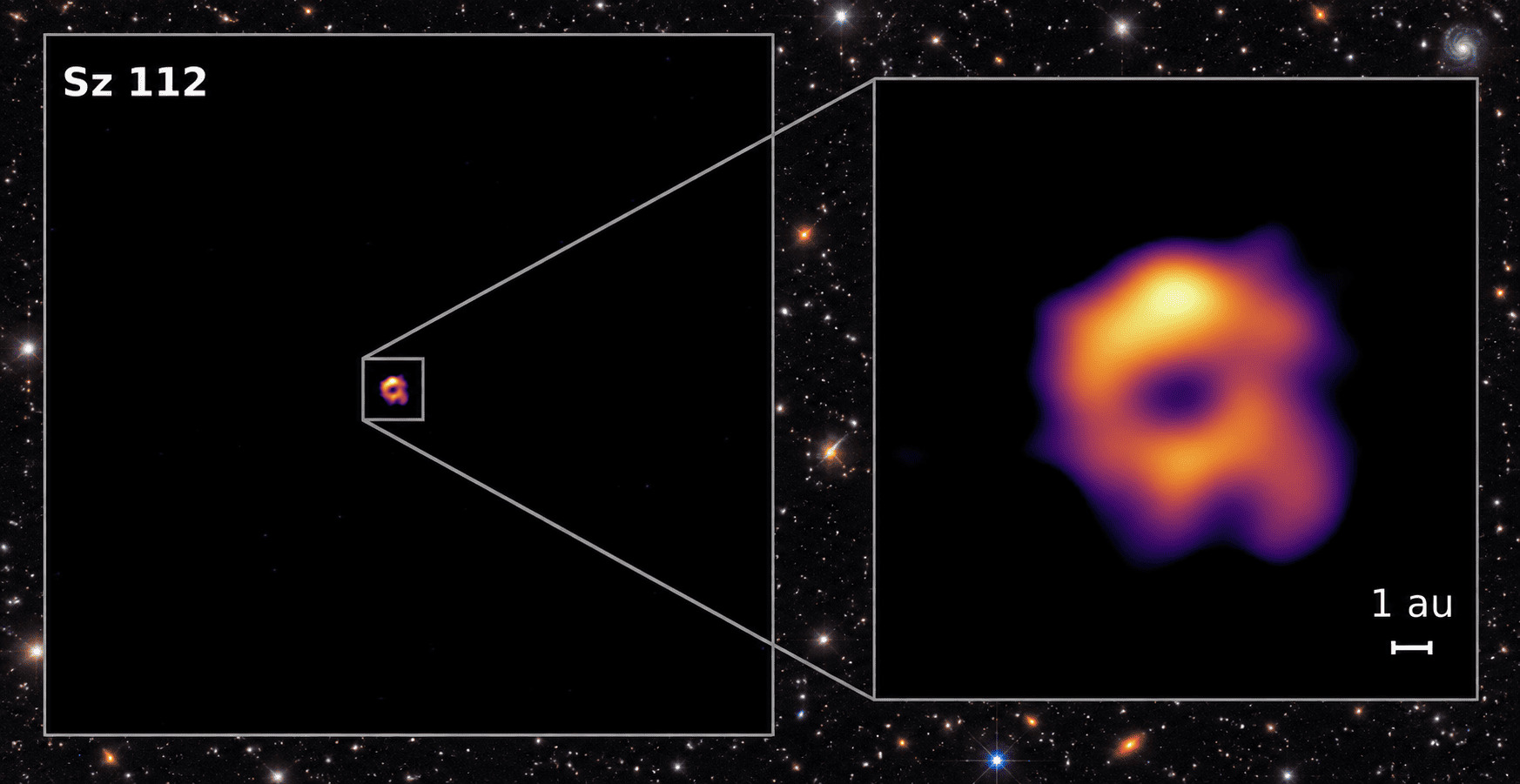 Publicado el: 15/10/2026Structures potentially associated with the formation of super-Earths and mini-Neptunes have been detected in compact disks
 -
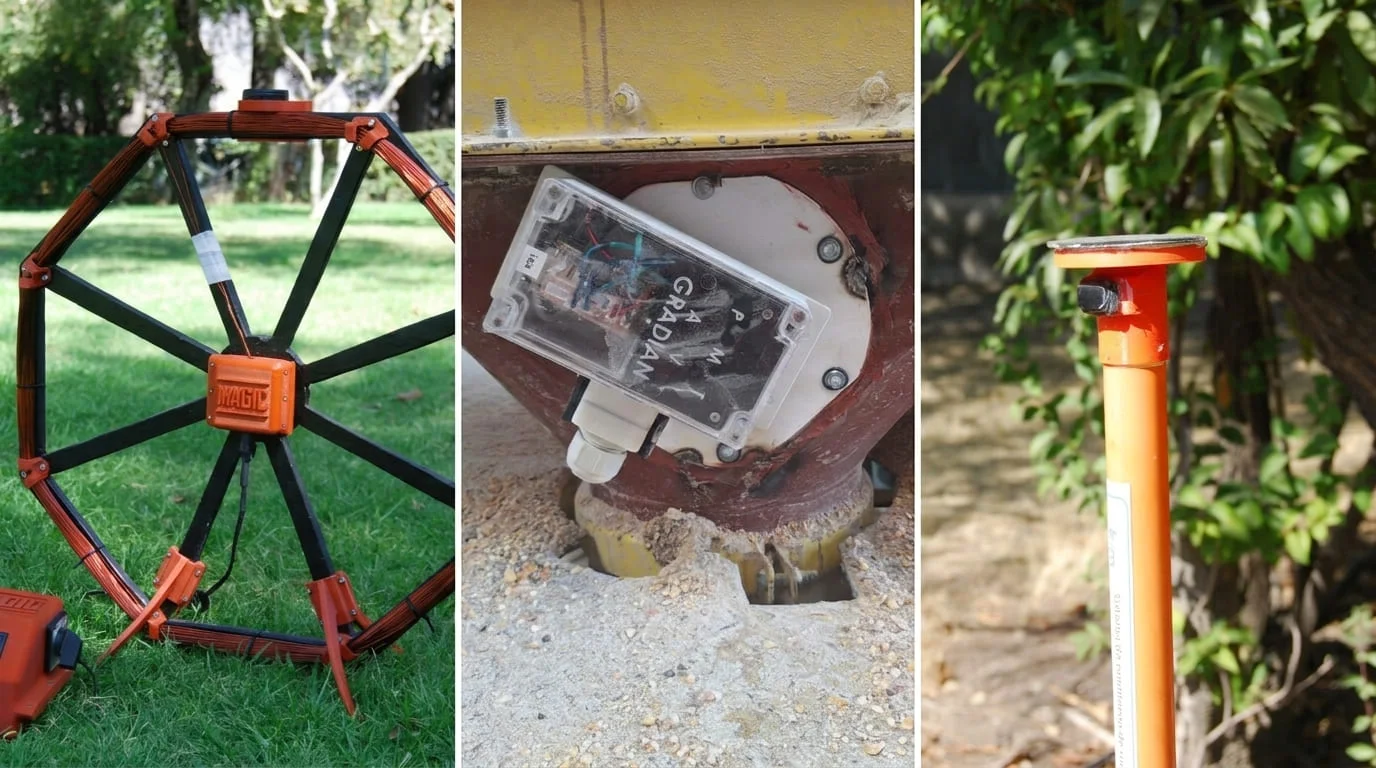 Publicado el: 09/10/2026From studying the universe to solving industry challenges: CATA’s technology transfer model in Nature Astronomy
 -
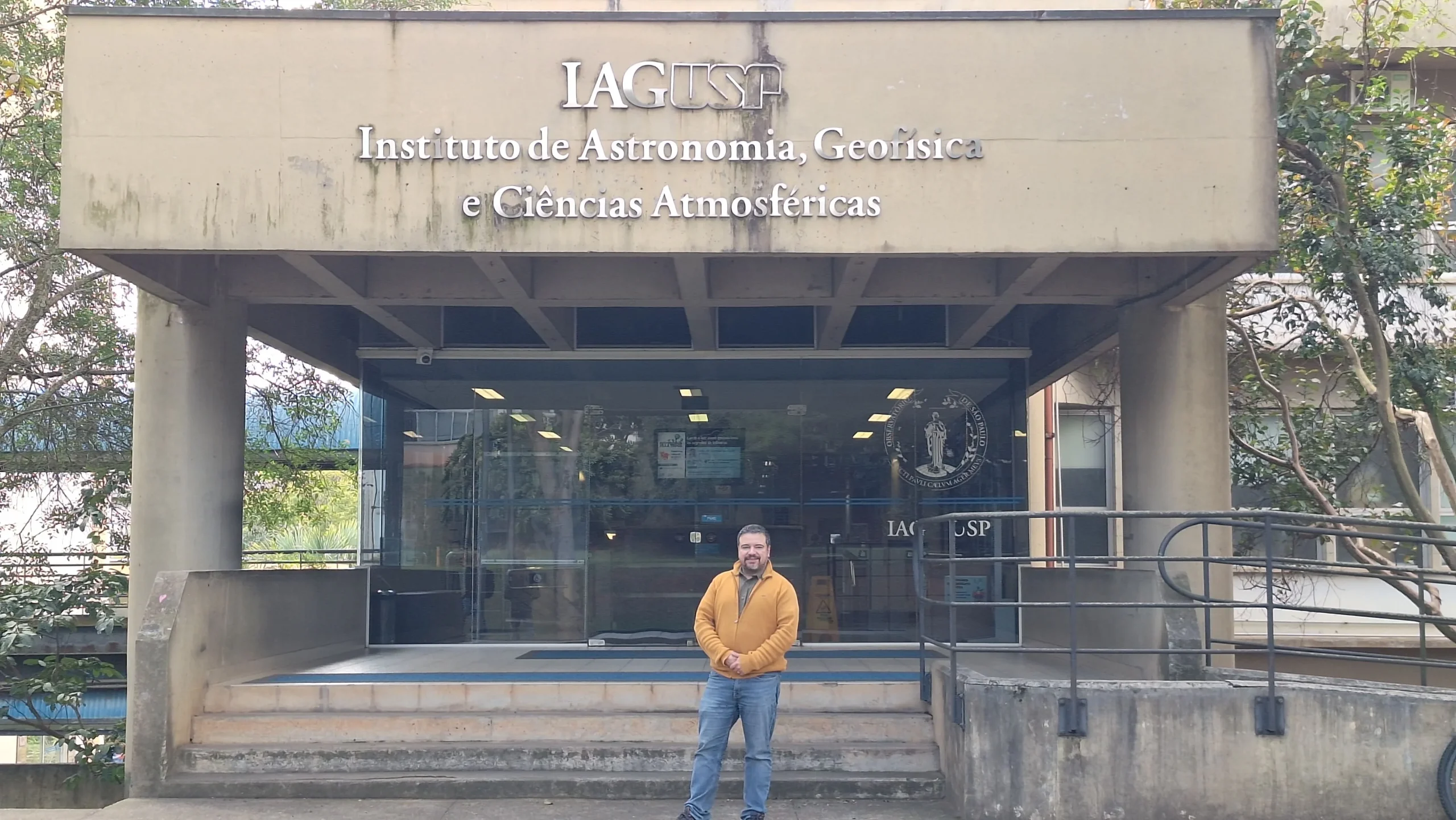 Publicado el: 01/10/2026CATA Associate Researcher concludes research stay at the University of São Paulo thanks to a Brazilian fellowship
Categories list
- Acknowledgments 29
- Astrobiology 12
- AstroCluster 1
- Black holes 21
- Corporativo 73
- Cosmology 10
- Descubrimientos 30
- Disclosure 91
- Exoplanets 19
- Extension 14
- Galaxies 29
- Galaxies formation 12
- Inter y Transdisciplina 5
- Local Universe 22
- Publications 9
- Sin categorizar 34
- Solar System 30
- Stellar formation 13
- Technology 34
- Technology Transfer 34