Minister Ximena Lincolao meets CATA’s scientific and technological capabilities
The head of the Ministry of Science, Technology, Knowledge, and Innovation met with the Center’s board of directors to learn about its main priorities and discuss the country’s scientific and technological ecosystem.
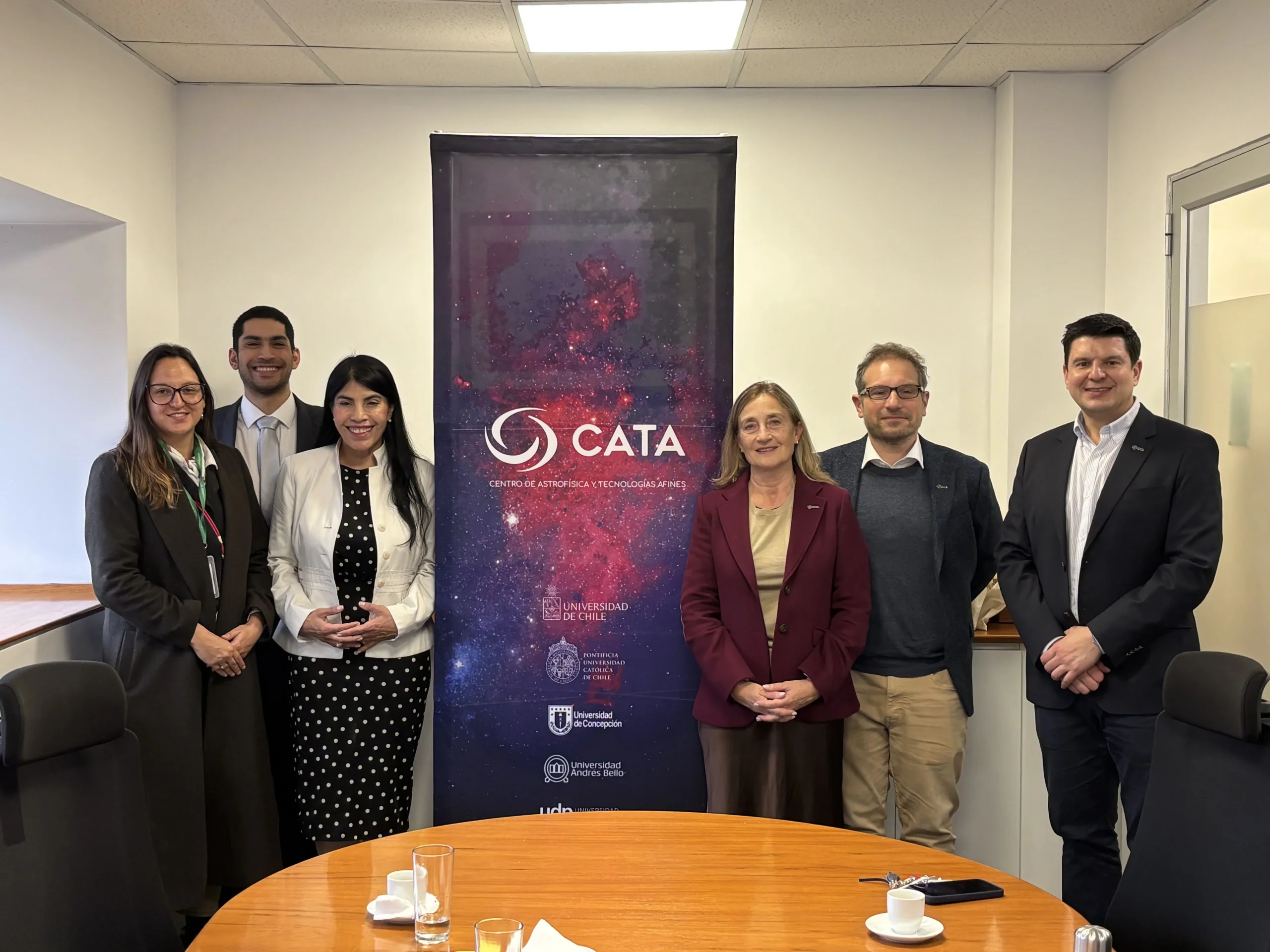
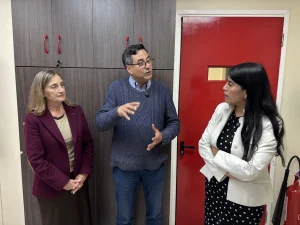
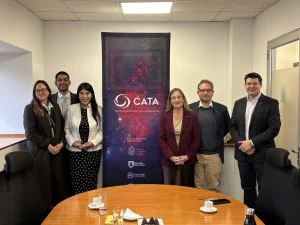
The Center for Astrophysics and Associated Technologies (CATA), a core center funded by the National Agency for Research and Development (ANID), hosted a visit from Minister Dr. Ximena Lincolao as part of an event designed to learn about the Center’s work and its key capabilities, as well as the challenges and opportunities facing science and technology in Chile.
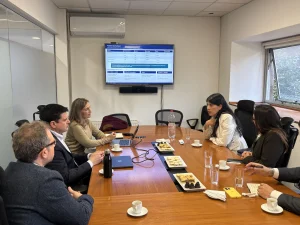
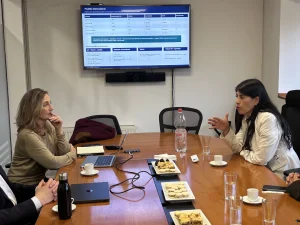
The event took place at the Institute of Astrophysics of the Pontificia Universidad Católica de Chile, where the minister held a meeting with CATA’s executive board, consisting of Patricia Tissera, Director; Roberto Assef, Deputy Director; and Santiago Prat, General Manager. During the meeting, they discussed the Center’s history, its main advances and achievements, and the contribution it makes to the national scientific and technological ecosystem through astronomy and related disciplines.
The event provided an opportunity to present the work that CATA carries out based on its four main pillars: scientific research of excellence, advanced human capital development, technology transfer, and scientific communication and outreach. These areas encompass cutting-edge astronomical research, the training of researchers, astronomers, and engineers, the development of technological capabilities for industry and society, and bringing scientific knowledge to diverse audiences through outreach and communication.
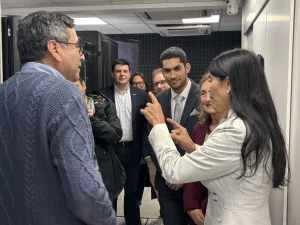
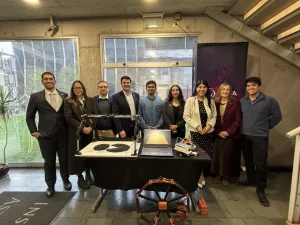
As part of the tour, Minister Lincolao visited Geryon 3, CATA’s high-performance computing cluster dedicated to astronomy. This infrastructure enables the processing of large volumes of data, the running of simulations, and the support of projects requiring high computing power, thereby supporting various lines of research conducted by both members of the Center and the scientific community at large.
Subsequently, the authority was briefed on three technologies developed by CATA based on knowledge and capabilities derived from astronomical research, which are now focused on addressing specific challenges facing the industry.
Among them is MAGIC, an underground wireless communication system based on magnetic induction, designed to transmit messages through rock and solid material. The technology aims to enhance safety and operational continuity in mining operations and other hard-to-reach environments, particularly in situations where conventional communication technologies have limitations.
GRADIAN and FRAMES were also presented—developments created in collaboration with Agrosuper through its Explora program. GRADIAN uses optical sensor technology to support the sorting and monitoring of different types of grains in production processes. FRAMES, meanwhile, combines cameras and photogrammetry algorithms to generate three-dimensional models of raw material piles and estimate their volume and available quantity. Both solutions aim to provide more accurate and timely information to optimize processes, improve inventory management, and support decision-making in the industry.
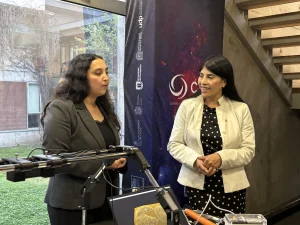
After learning about these capabilities, the minister highlighted CATA as “an example, not only of research in astronomy and astrophysics, but also a national model—and one that could be global—of technology transfer from deep and rigorous science to the development of solutions for everyday life and for businesses. “That is where science connects with productive development, and when a country produces, it also achieves economic development and social well-being,” Lincolao noted.
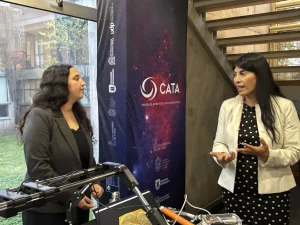
For Patricia Tissera, the visit provided an opportunity to showcase how the Center’s various departments interact with one another and the possibilities for furthering that work. “It was very positive to be able to present to the minister what we do, how basic science, astronomical research, instrument development, technology transfer, and science communication and outreach are coordinated. It has become clear that CATA is committed to these areas and that we can achieve excellent synergy with the Ministry to promote the development of science and technology transfer for the benefit of all,” noted the Director of CATA.
The visit thus provided an opportunity to present a comprehensive overview of the Center’s work, ranging from the generation of new knowledge and the development of human capital to the creation of technologies with applications in industry and society, as well as the communication and dissemination of science. The meeting also provided a forum for discussion with the Ministry regarding the contributions CATA can continue to make toward strengthening science, technology, and innovation in Chile.
Outstanding news
Recent news
-
Publicado el: 31/08/2026Minister Ximena Lincolao meets CATA’s scientific and technological capabilities
-
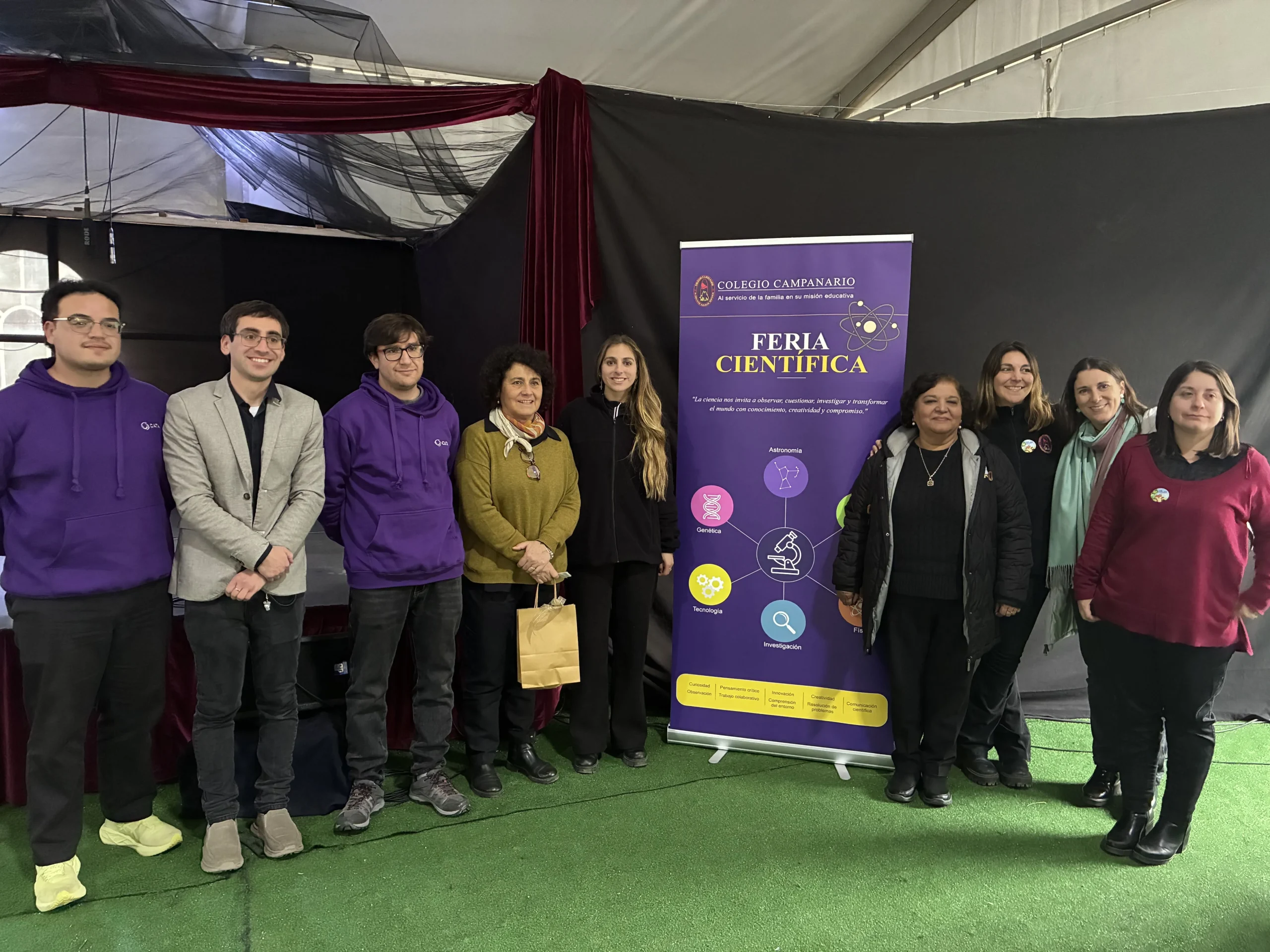 Publicado el: 19/08/2026CATA brings astronomy and technology to students at the 2026 Science Fair
 -
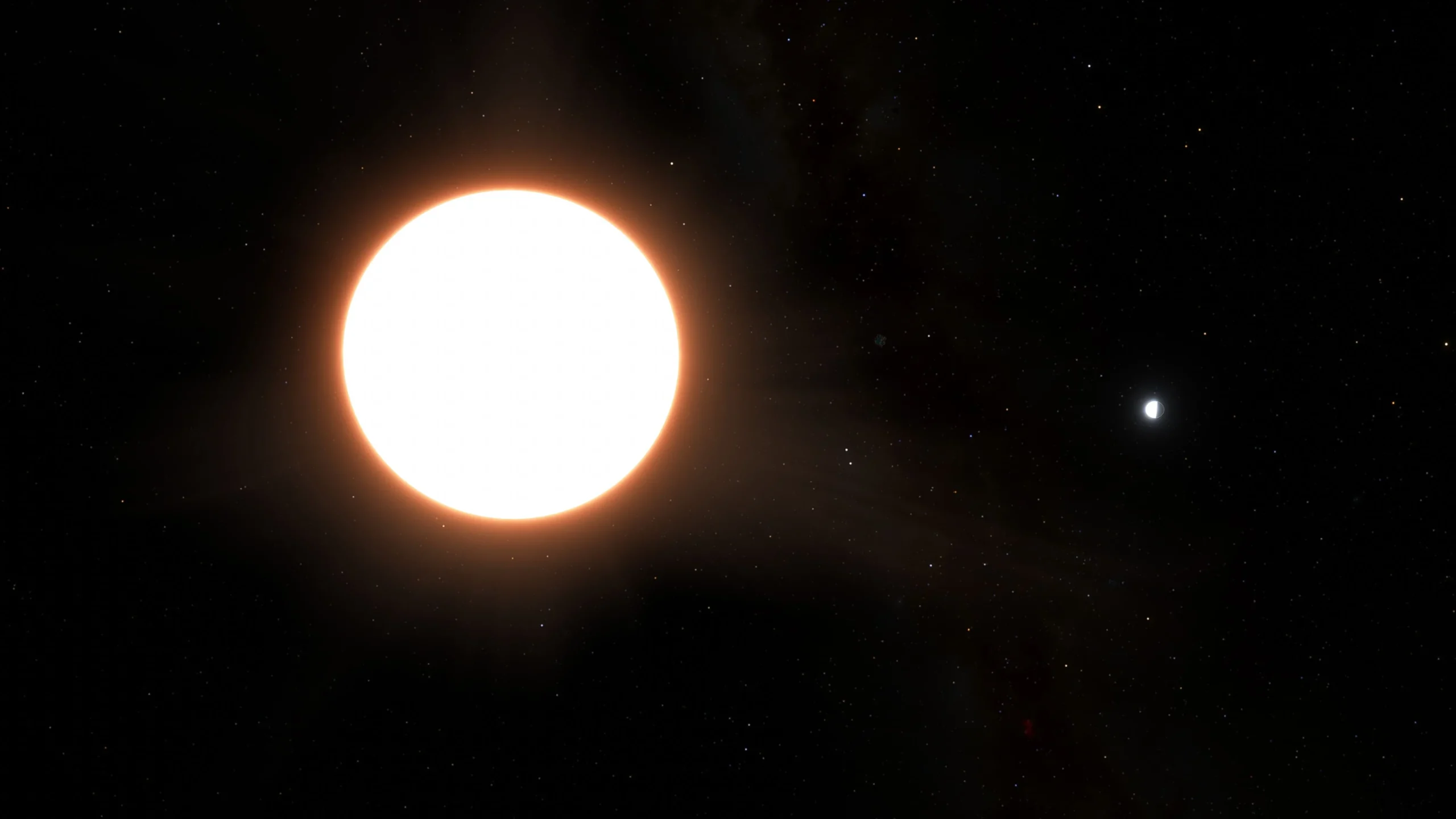 Publicado el: 18/08/2026Silicate clouds discovered in the daytime atmosphere of the only ultra-hot Neptune
 -
 Publicado el: 12/08/2026CATA and PROVOCA announce call for applications for a mentoring program for students and postdocs
 -
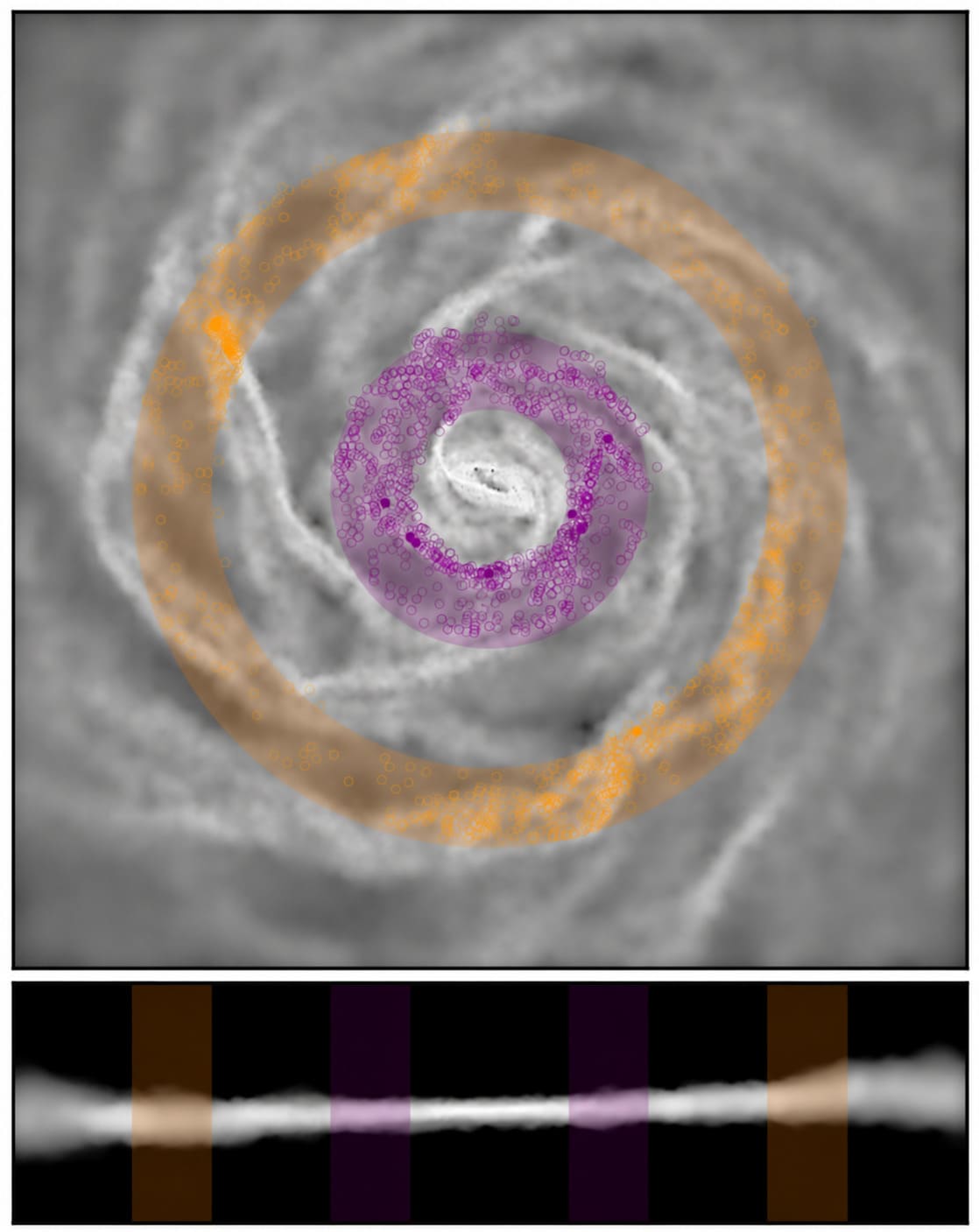 Publicado el: 11/08/2026How can phylogenetics reconstruct the evolutionary history of galaxies?
Categories list
- Acknowledgments 27
- Astrobiology 11
- AstroCluster 1
- Black holes 19
- Corporativo 73
- Cosmology 8
- Descubrimientos 27
- Disclosure 89
- Exoplanets 18
- Extension 13
- Galaxies 26
- Galaxies formation 9
- Inter y Transdisciplina 5
- Local Universe 21
- Publications 8
- Sin categorizar 34
- Solar System 28
- Stellar formation 11
- Technology 30
- Technology Transfer 32