CATA and PROVOCA are launching a partnership to encourage scientific careers among the next generation
The agreement will help bring science closer to young people by promoting training in science communication in collaboration with researchers at the Center.
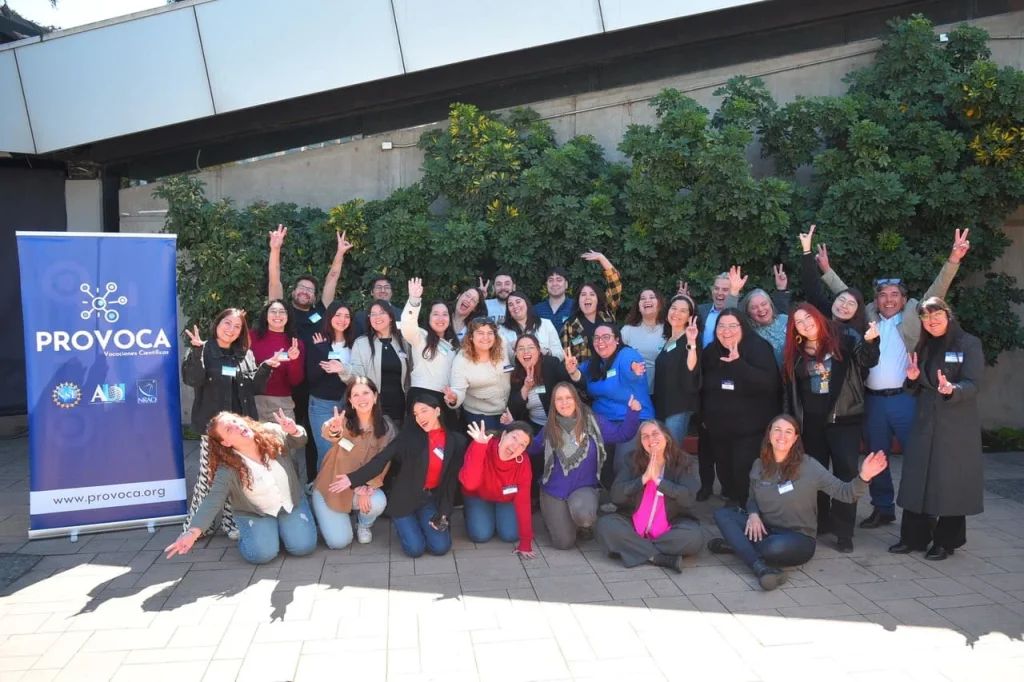
The Center for Astrophysics and Associated Technologies – CATA (ANID Basal Center) and the PROVOCA Initiative have formed a collaborative partnership aimed at fostering interest in science and strengthening talent development in STEM fields (Science, Technology, Engineering, and Mathematics).
The partnership aims to create new opportunities for training, mentorship, and leadership for students and young researchers, strengthening key skills for their academic and professional development, while also bringing scientific research closer to new generations.
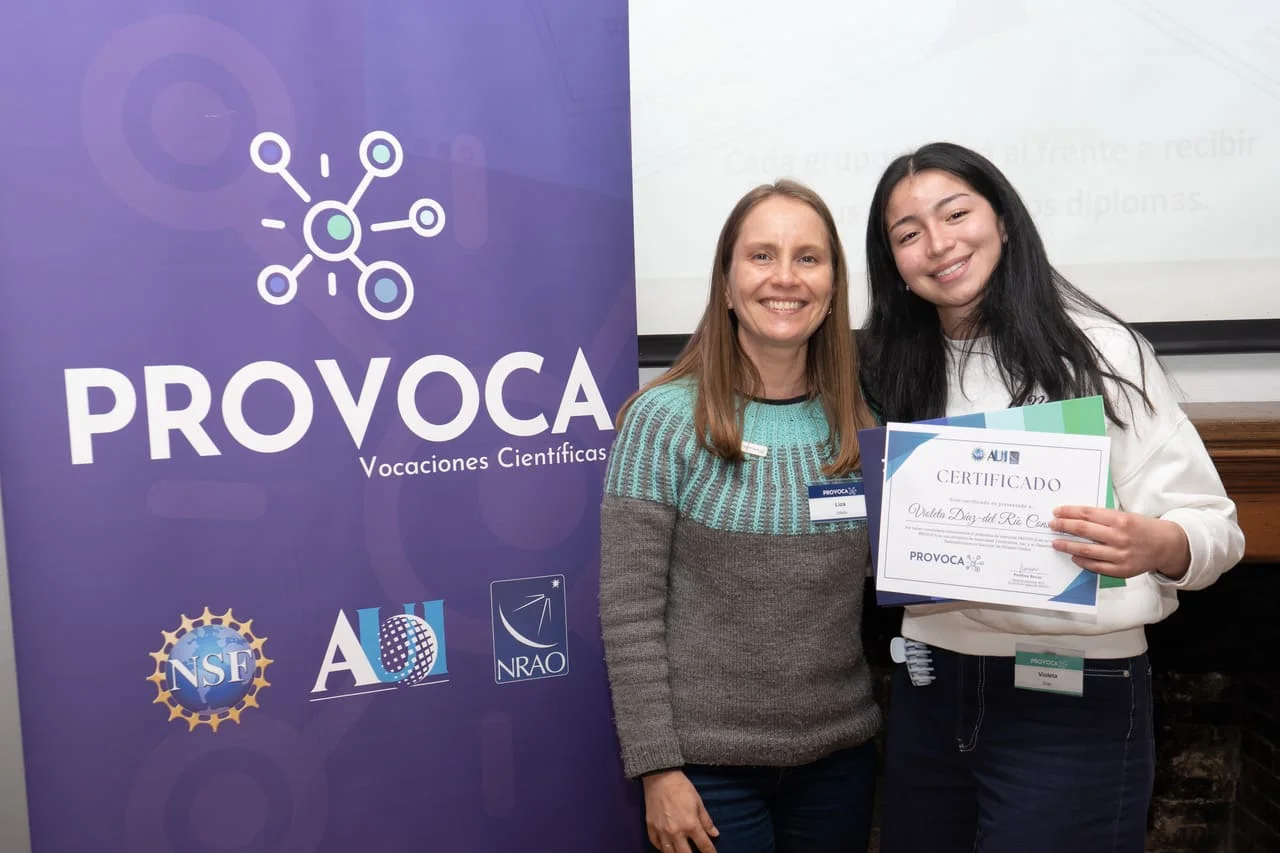
PROVOCA, an initiative launched by AUI/NRAO Chile and coordinated from Santiago, has been working since 2018 to promote the retention and development of STEM talent through mentoring programs, educational activities, and outreach efforts targeting students from different regions of the country.
In this context, researchers affiliated with CATA will be able to actively participate in the initiatives developed by PROVOCA by giving talks, leading workshops, and conducting training activities, sharing their experiences and career paths with students interested in exploring careers in science and technology.
The initial initiatives of this partnership will focus on strengthening the personal and communication skills of CATA students, postdoctoral researchers, and young scientists. The planned activities include training sessions on storytelling and elevator pitches, self-esteem and STEM identity, as well as collaborative work and behavioral profiles. These sessions will be open to all members of the Center’s community who are interested in participating.
For Patricia Tissera, Director of CATA and a professor at the Pontificia Universidad Católica de Chile, this partnership represents a valuable opportunity to enhance the training of researchers in the early stages of their careers.
“We believe it is essential for researchers—and especially students and postdocs at CATA—to have the opportunity to participate in initiatives like PROVOCA, as these experiences help build stronger academic careers. In addition to developing skills in communication, leadership, teamwork, and building collaborative networks—skills that are increasingly valued both within and outside the academic sphere,” he said.
The director added that “mentoring activities help foster a culture of support and collaboration within the scientific community, which is particularly important for those just beginning their professional careers in a highly competitive environment. Participating in these initiatives not only promotes personal growth but also helps build a more inclusive, connected, and resilient scientific community.”
For her part, Paulina Bocaz, the representative in Chile for Associated Universities, Inc. (AUI) and the National Radio Astronomy Observatory (NRAO) in the U.S., noted that “we have seen the positive impact that connecting directly with researchers and aspiring scientists has on high school and college students interested in STEM fields. This guided approach leads to a greater sense of belonging to these fields and greater clarity regarding their career paths.”
Bocaz, who also leads the STEM PROVOCA mentoring program, notes that “these initiatives provide structured opportunities for training, interaction with role models, self-awareness, and the development of communication and self-management skills. We are very pleased to be able to support CATA in introducing its participants to the world of mentoring.”
The partnership also includes the joint organization of workshops, seminars, and science communication activities aimed at fostering leadership, promoting interdisciplinary collaboration, and strengthening early-career development.
Through this agreement, both institutions aim to help strengthen the national scientific ecosystem by fostering greater engagement between the scientific community and society, and by inspiring more young people to consider science and technology as part of their future.
Outstanding news
Recent news
-
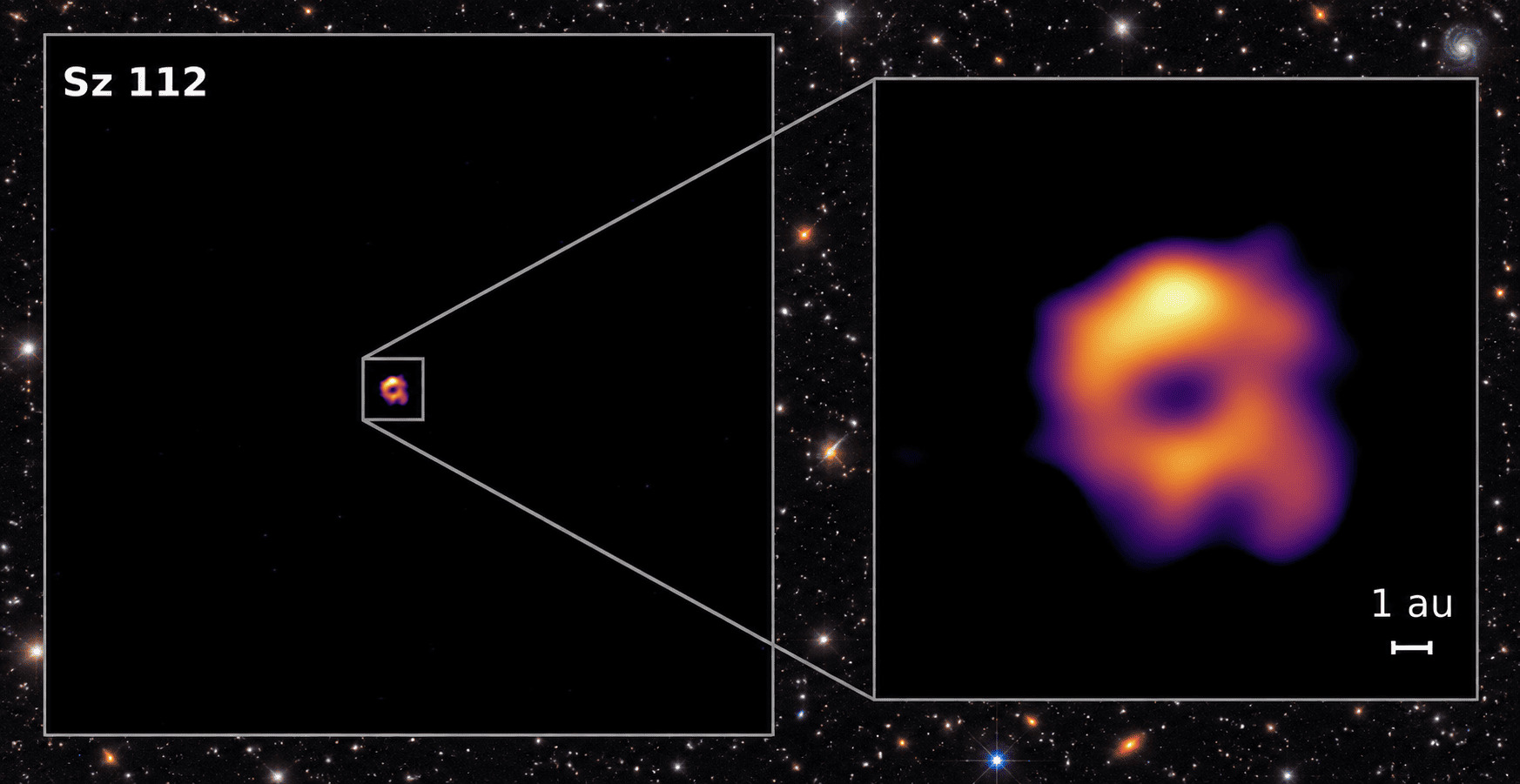 Publicado el: 15/10/2026Structures potentially associated with the formation of super-Earths and mini-Neptunes have been detected in compact disks
 -
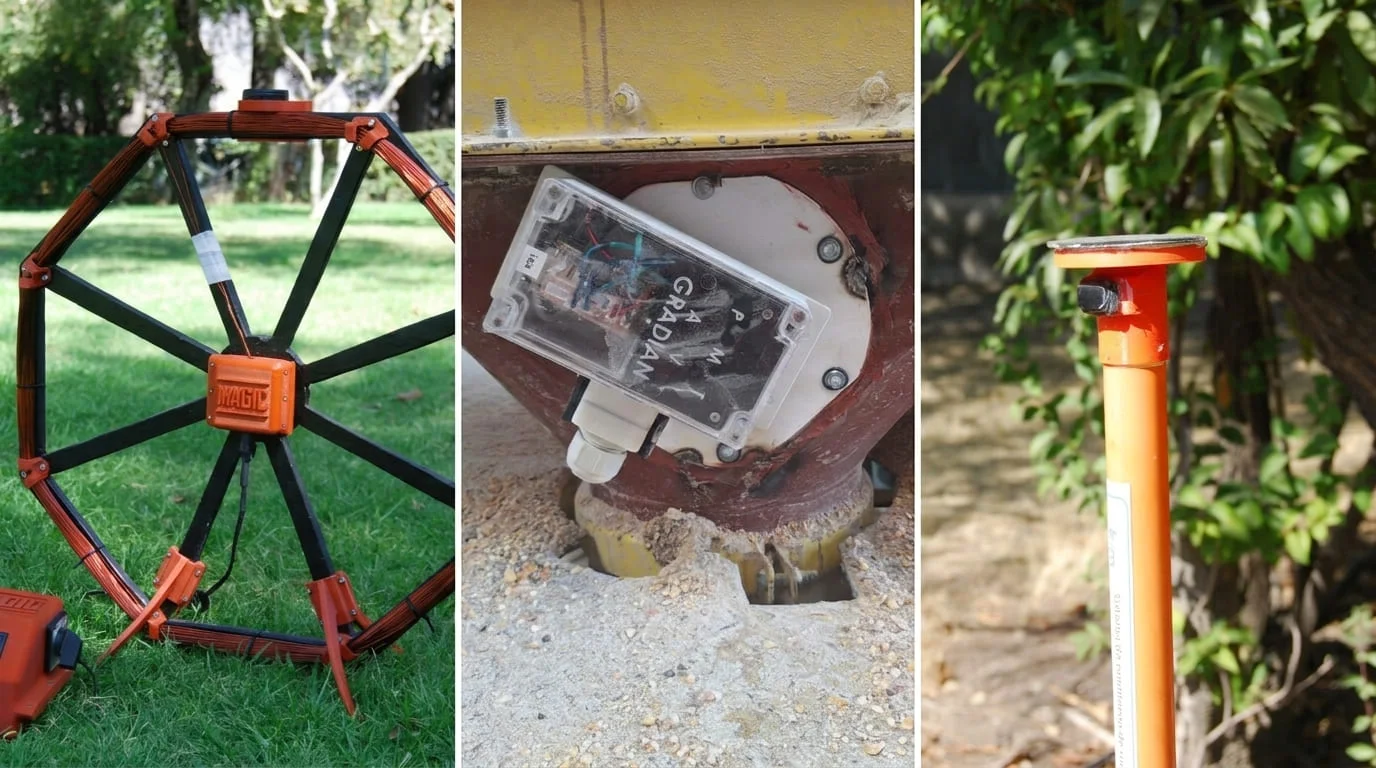 Publicado el: 09/10/2026From studying the universe to solving industry challenges: CATA’s technology transfer model in Nature Astronomy
 -
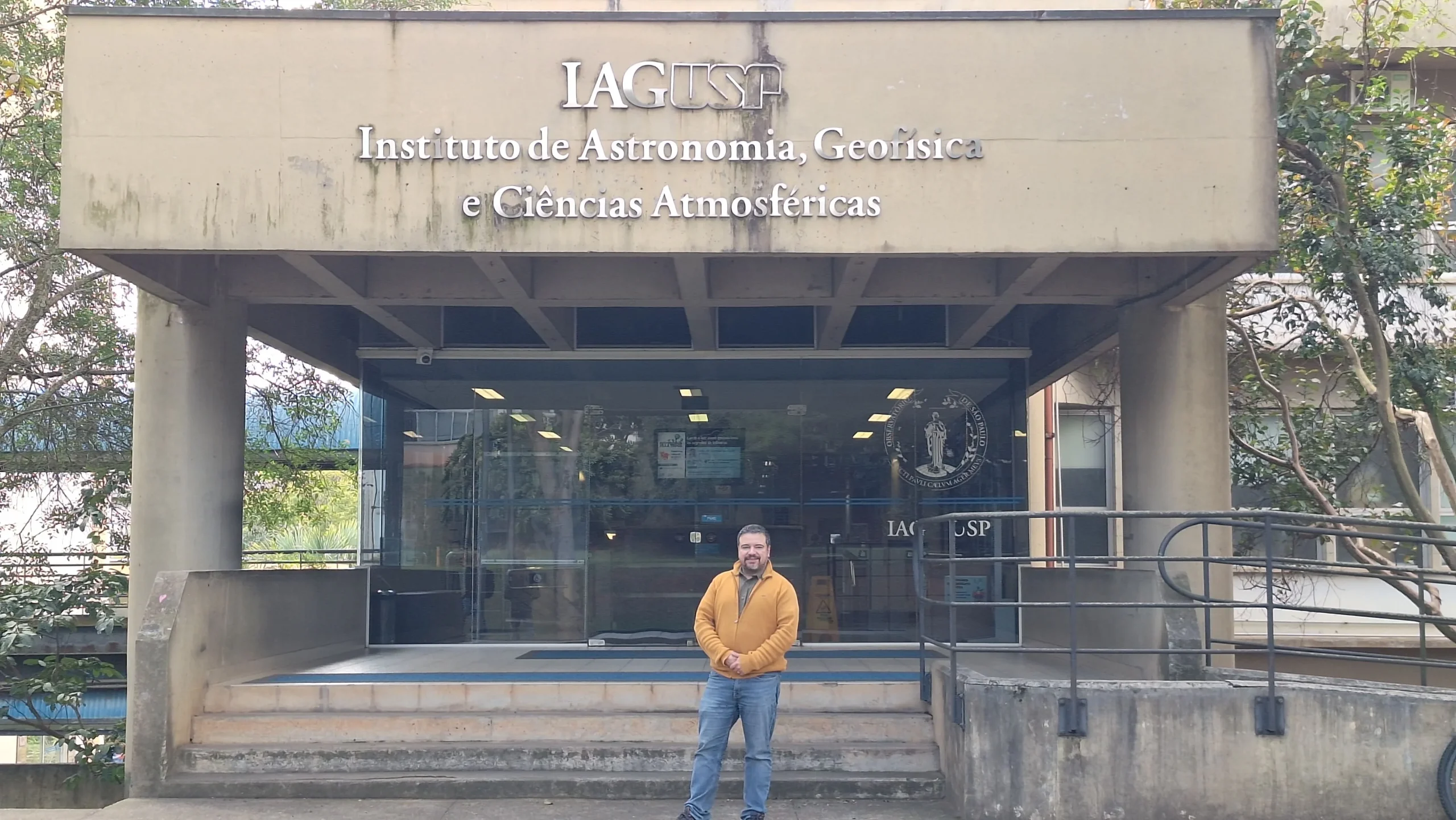 Publicado el: 01/10/2026CATA Associate Researcher concludes research stay at the University of São Paulo thanks to a Brazilian fellowship
 -
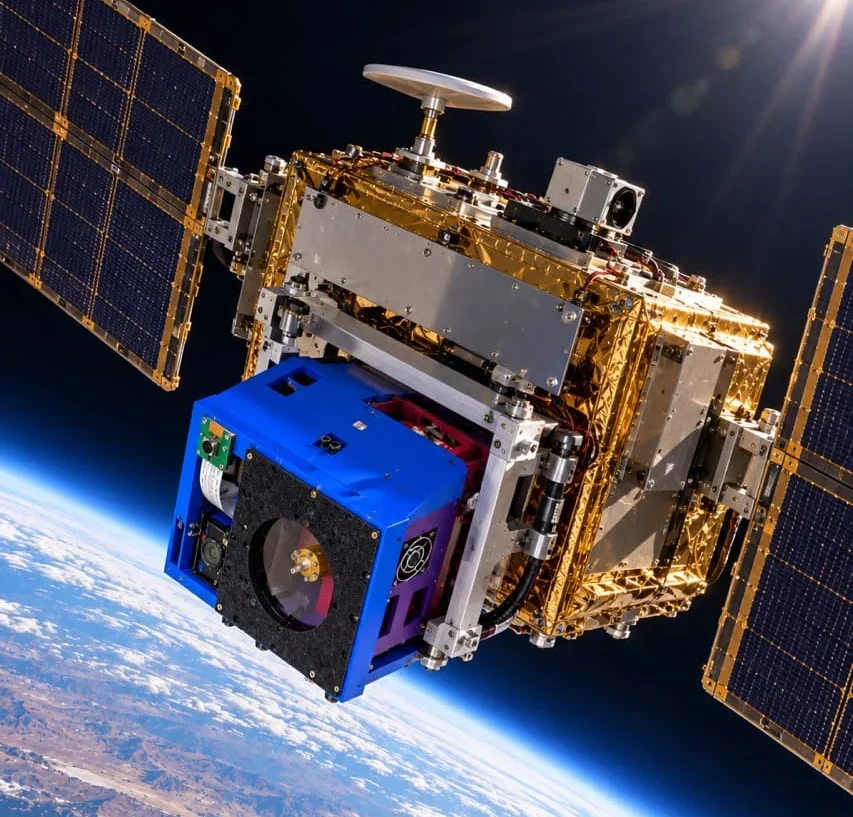 Publicado el: 29/09/2026Chilean technology aims to improve the accuracy of telescopes studying the origin of the Universe
 -
 Publicado el: 25/09/2026CATA Associate Researcher named Director of the Las Campanas Observatory
Categories list
- Acknowledgments 29
- Astrobiology 12
- AstroCluster 1
- Black holes 21
- Corporativo 73
- Cosmology 10
- Descubrimientos 29
- Disclosure 91
- Exoplanets 19
- Extension 14
- Galaxies 28
- Galaxies formation 10
- Inter y Transdisciplina 5
- Local Universe 22
- Publications 9
- Sin categorizar 34
- Solar System 30
- Stellar formation 12
- Technology 33
- Technology Transfer 34