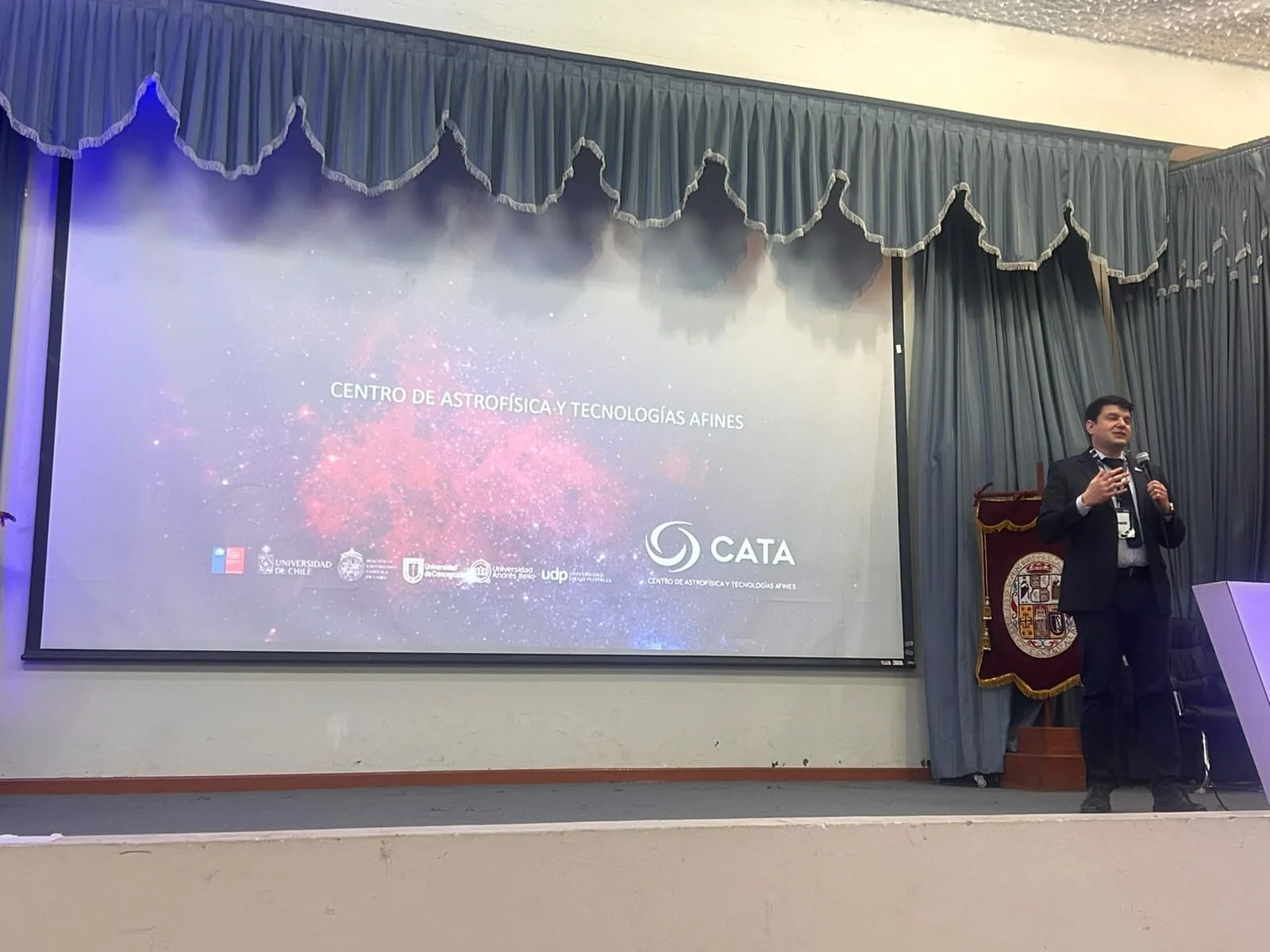
CATA’s General Manager presented the Center’s technology transfer model at an international meeting in Peru
Speaking to academics and students at UNSAAC, Santiago Prat’s presentation addressed how technologies developed to observe the cosmos are now being applied in various productive sectors.
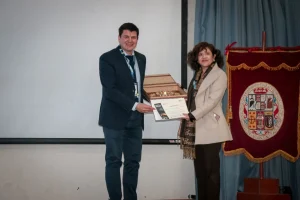
Santiago Prat, General Manager of the Center for Astrophysics and Associated Technologies – CATA (project financied by ANID) participated as a speaker at the XIII International Week of Research, Innovation, and Entrepreneurship at the Universidad Nacional de San Antonio Abad del Cusco (UNSAAC) in Peru. The event was organized by the university’s Office of the Vice President for Research and took place from September 14 to 18.
During the event, held in the auditorium of the School of Chemical, Physical, and Mathematical Sciences, he presented a talk titled “From the Universe to industry: CATA, a case of economic complexity and technological ‘Scrabble.’” In his talk, he explained how the Center has been forging ties with industry based on the knowledge and capabilities it employs in astronomy.
To explain this, he drew on the “Scrabble Theory” of economic development, formulated by Harvard University economist Ricardo Hausmann. According to this metaphor, an economy’s wealth depends on the quantity and diversity of “letters” (technological capabilities and know-how) it possesses to combine into “words” (export products and services).
Based on this logic, the optics, sensors, electronics, and data processing required by astronomy are elements that CATA combines to solve production problems. The Technology Transfer Unit is responsible for this work, connecting researchers and engineers with companies interested in incorporating these technologies.
“The presentation highlighted CATA as a concrete example of the creation of ‘unconventional fields’: its technology transfer strategy—based on four institutional pillars and an internal cultural shift—has made it possible to transform capabilities developed for astronomy (spectroscopy, radio frequency, photogrammetry, precision sensing) into a portfolio of 18 active technologies,” said Santiago Prat. “What we’re sharing in Peru is our two-pronged approach: direct contact with companies that bring real-world problems, and training for the researchers themselves so they can learn to recognize the potential applications of their methods. Science, when well-connected to the business world, can help our countries manufacture more sophisticated goods with higher added value.”
The Week brought together researchers and more than 24 exhibitors from both neighboring countries and abroad for conferences, roundtables, and workshops, several of which focused on technology transfer and scientific entrepreneurship. The goal of the event is to transform the knowledge generated at universities into concrete solutions for economic growth and public policy.
“Chile and Peru face similar challenges, such as economies reliant on natural resources and the need to add value through knowledge. Bringing CATA’s expertise to universities in the region is also an opportunity to learn from them and open avenues for collaboration to lay the groundwork needed to move beyond exporting only raw materials and begin exporting world-class knowledge, technology, and innovation,” concluded the General Manager.
Outstanding news
Recent news
-
Publicado el: 23/09/2026CATA’s General Manager presented the Center’s technology transfer model at an international meeting in Peru
-
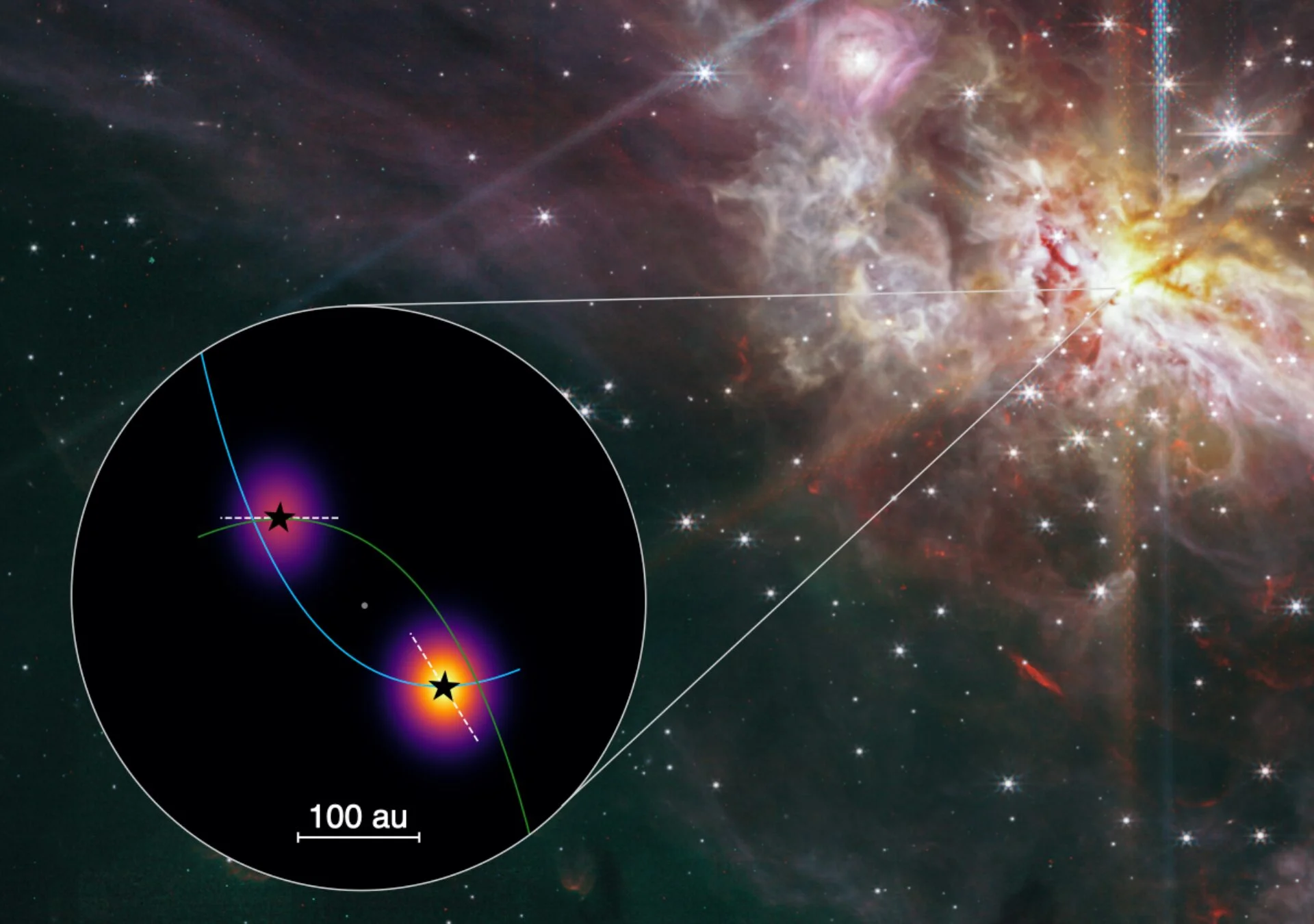 Publicado el: 08/09/2026The wedding dance of massive stars: Astronomer from CATA and the Universidad de Chile contributes to historic discovery
 -
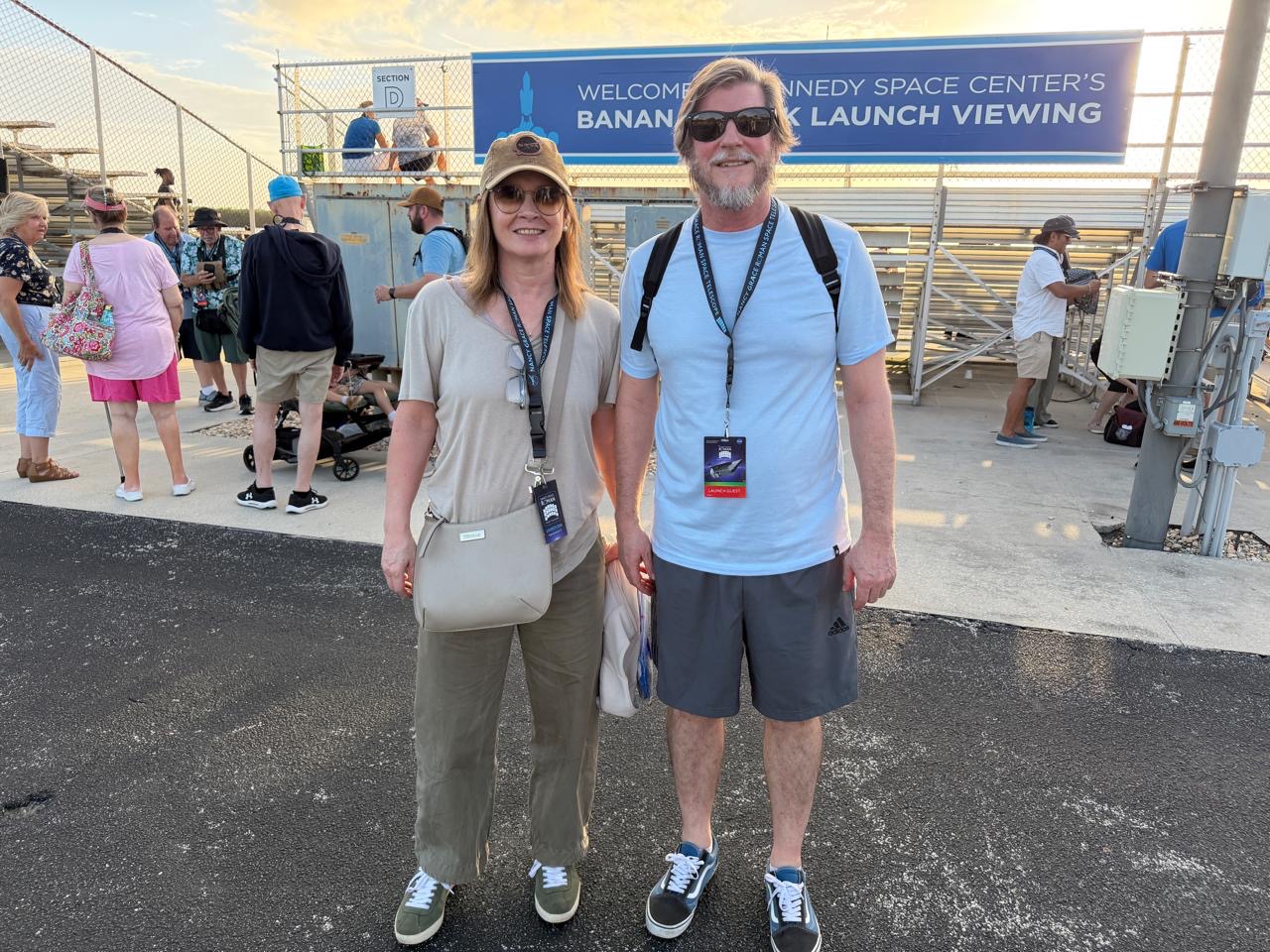 Publicado el: 07/09/2026The launch of the Nancy Grace Roman Space Telescope, as experienced firsthand by a CATA astronomer involved in the mission
 -
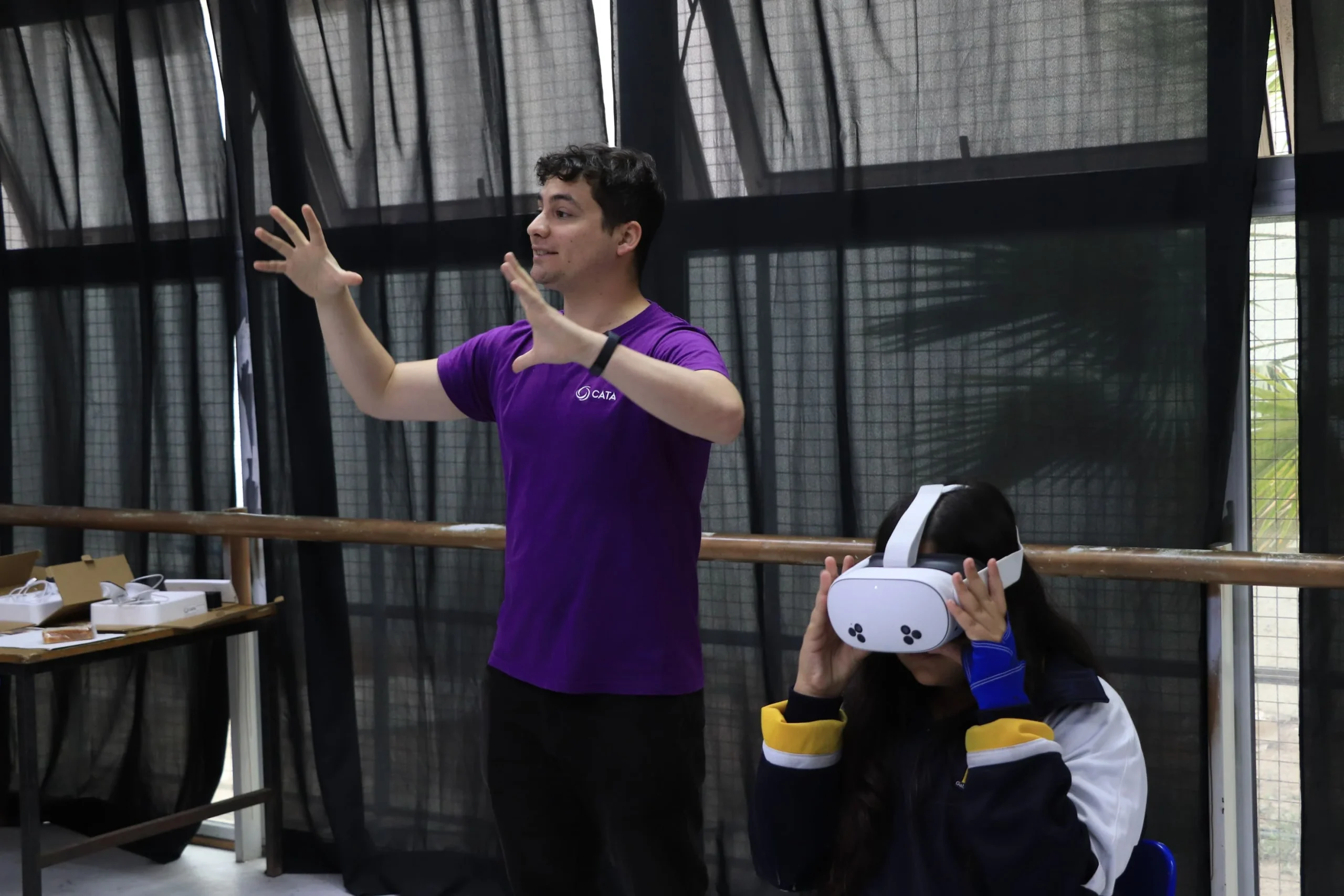 Publicado el: 29/08/2026Talks and hands-on activities related to astronomy were part of the “Congreso Futuro en tu Comuna” event in Arica
 -
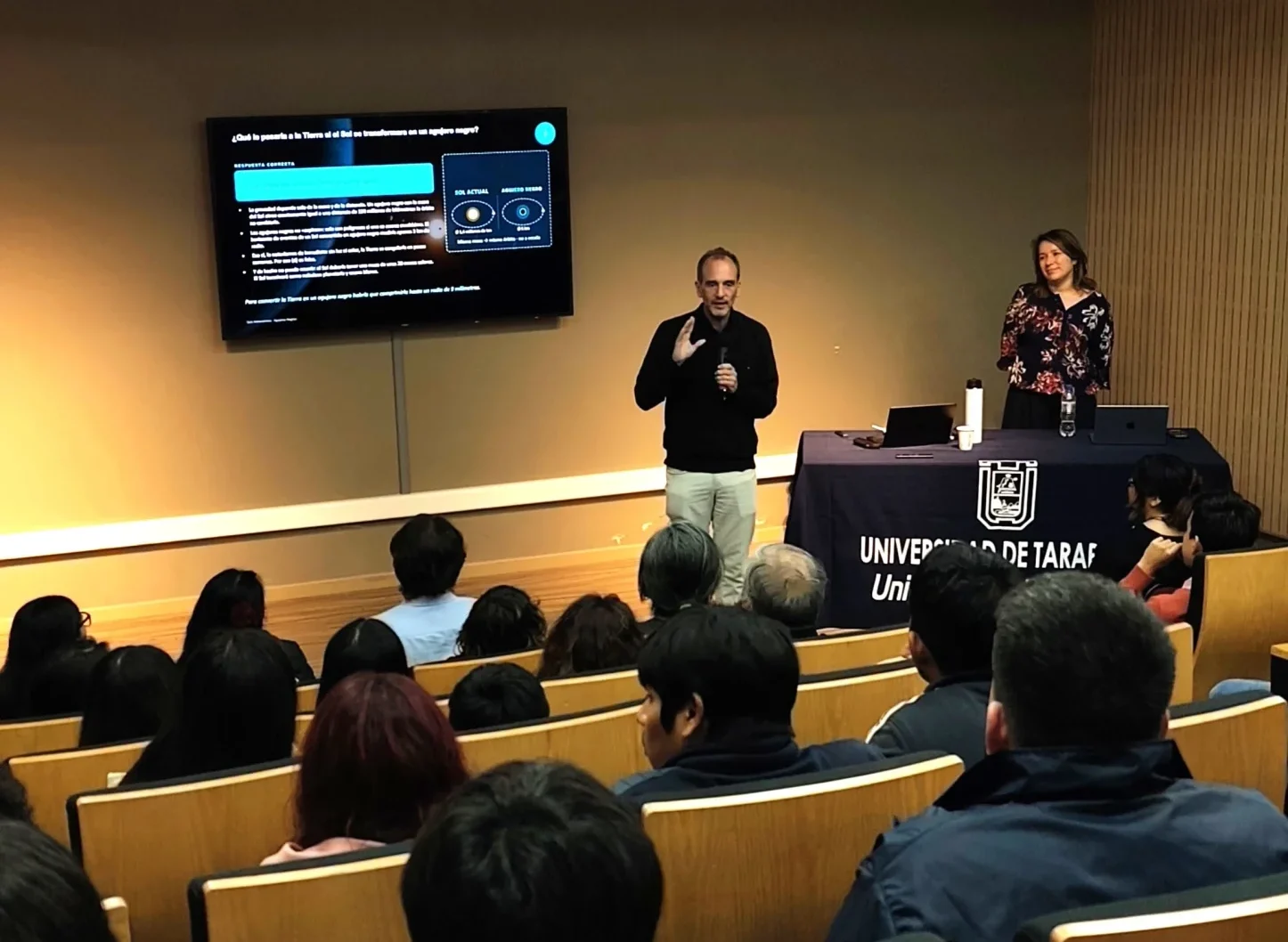 Publicado el: 28/08/2026Astronomical trivia drew a large crowd at the Universidad de Tarapacá
Categories list
- Acknowledgments 27
- Astrobiology 12
- AstroCluster 1
- Black holes 21
- Corporativo 73
- Cosmology 9
- Descubrimientos 28
- Disclosure 91
- Exoplanets 18
- Extension 13
- Galaxies 27
- Galaxies formation 9
- Inter y Transdisciplina 5
- Local Universe 22
- Publications 9
- Sin categorizar 34
- Solar System 30
- Stellar formation 12
- Technology 31
- Technology Transfer 33